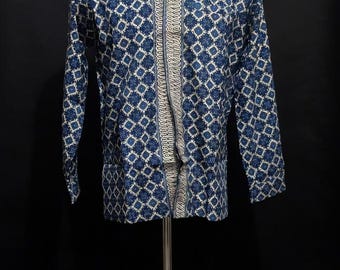
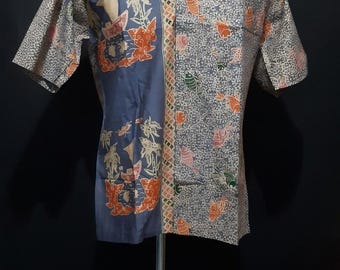
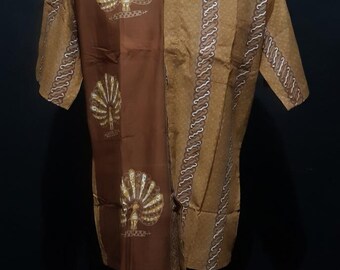
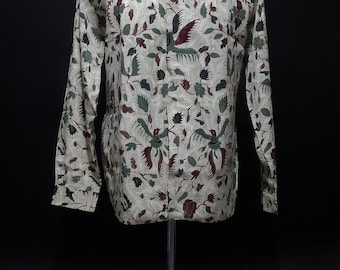

Preserving the Art of Canting: Authentic & Rare Javanese Batik
Featured items
All items
About TrueBatikFinds
Sales
0
On Etsy since 2025
-
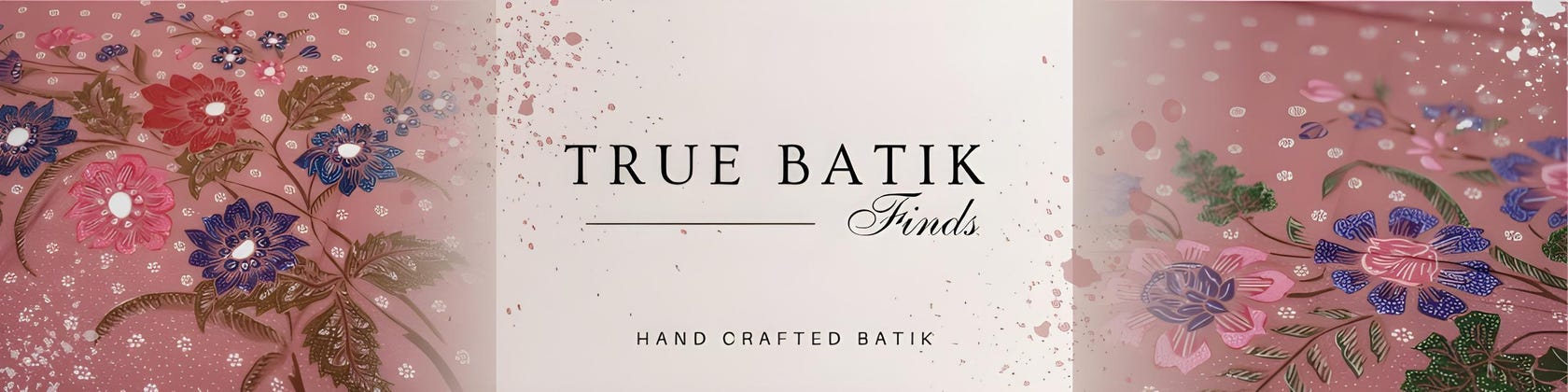
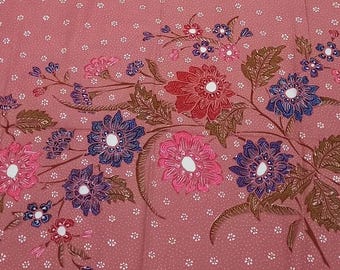
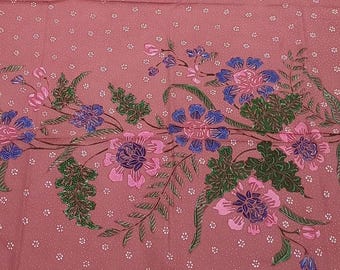
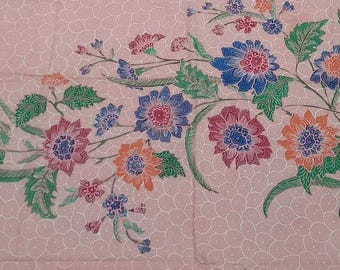
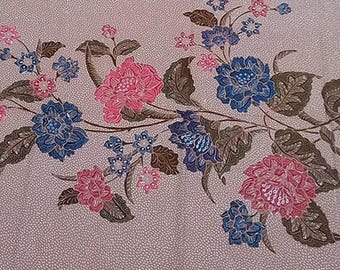
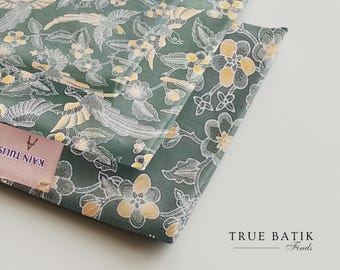
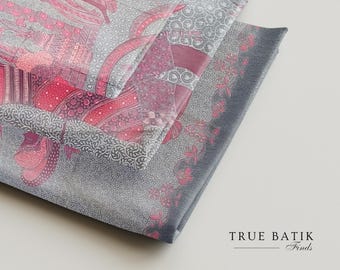
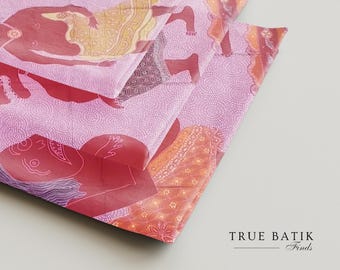
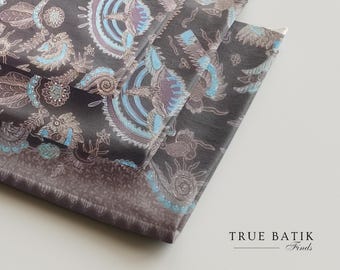
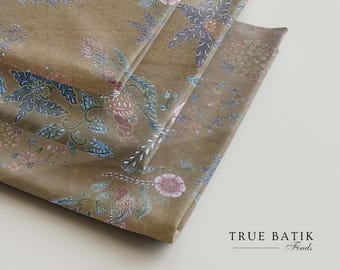
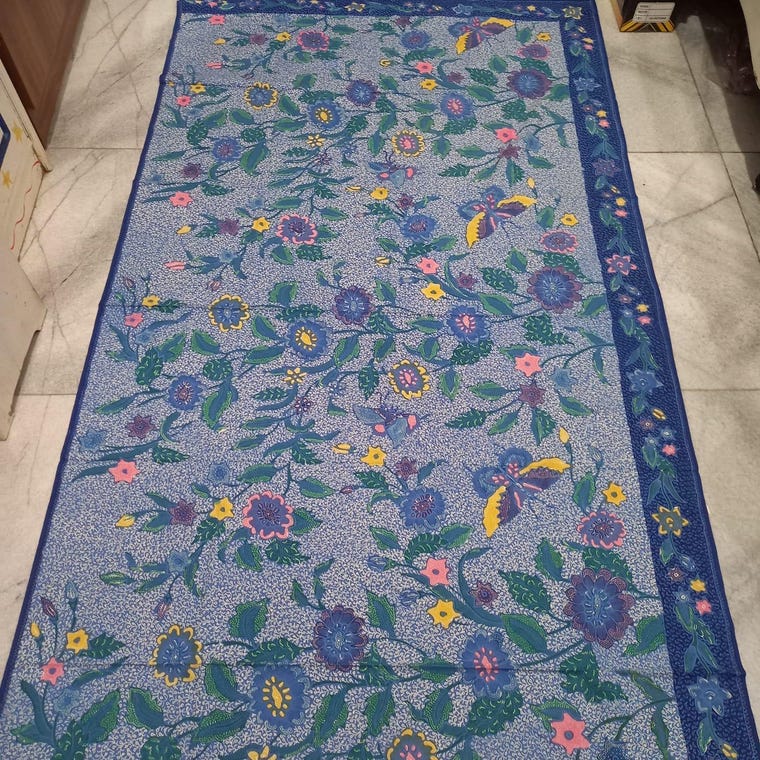 Motif Bunga Setaman Tanahan Kembang Cengkeh, featuring a lovely 'Setaman Flower' motif. and 'Clover Fillings'.
 -
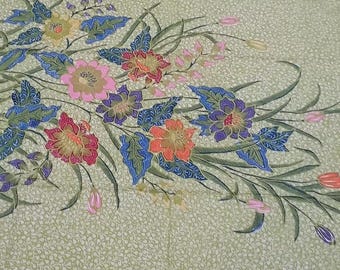
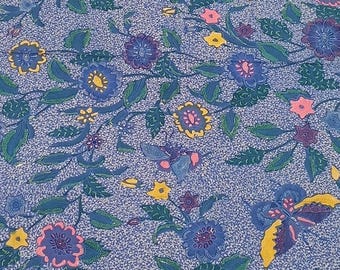
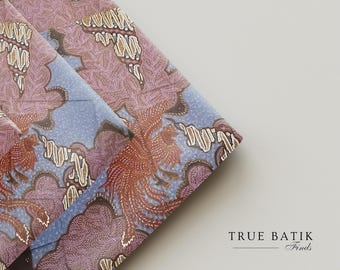
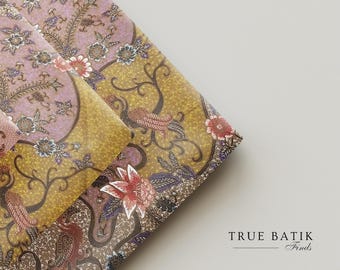
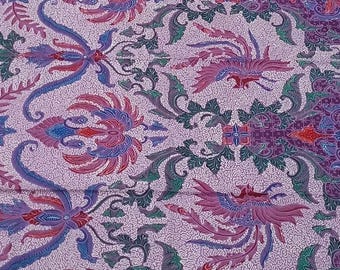
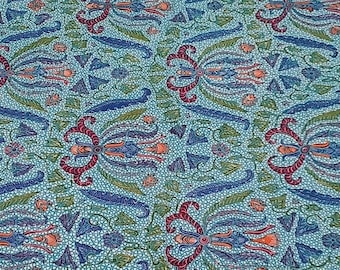
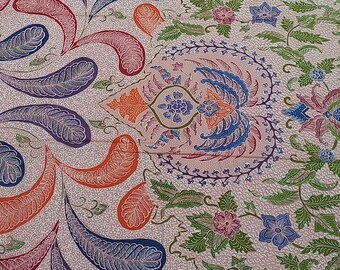
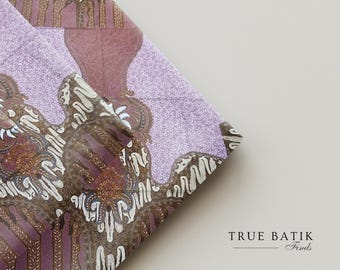
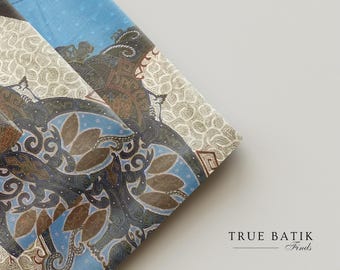
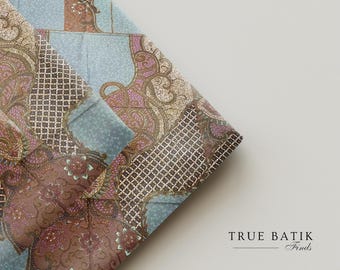
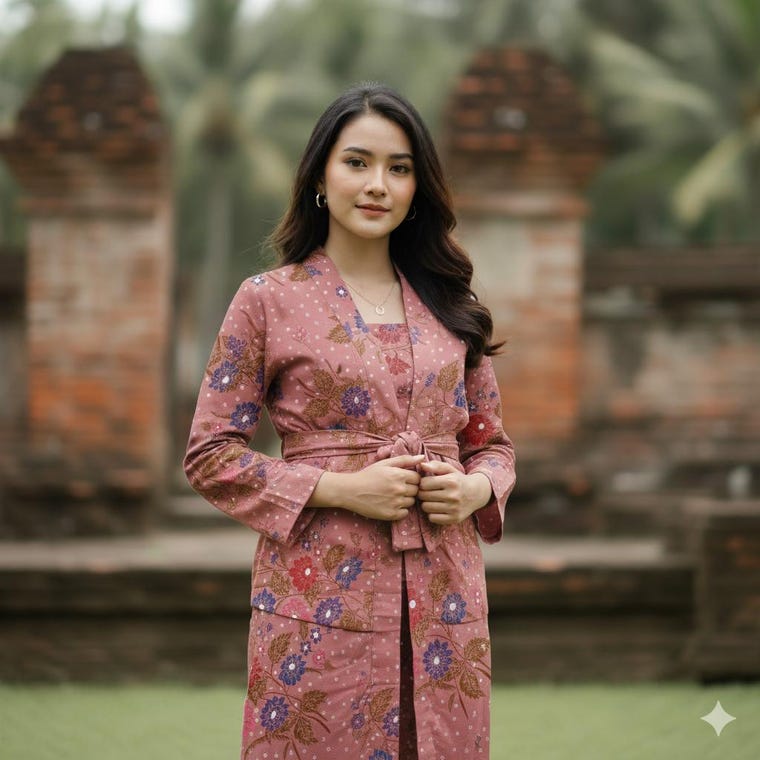 This is a Sample of our Fabric
 -
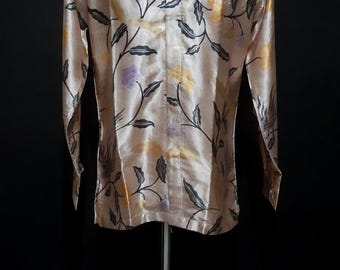
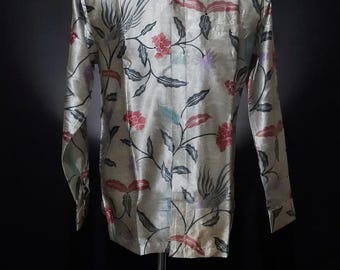
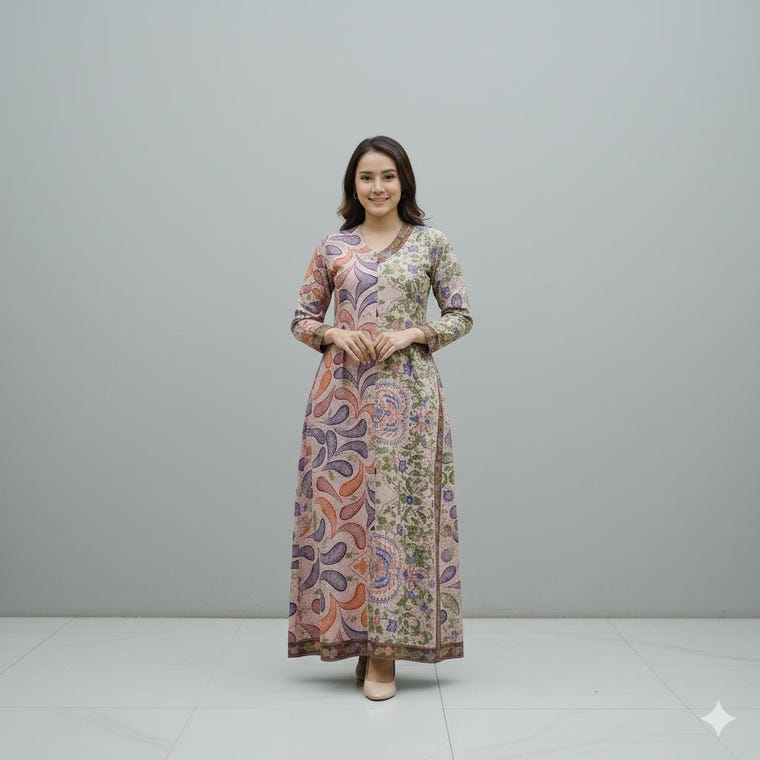 Sample Long dress style that uses our fabric
Shop members
-

Syarif Abdurrahman
Owner
While I look like a tech guy, I love introducing our culture to others, so here I am, selling and introducing batik fabric that is a heritage item from my ancestors.
Shop policies
Last updated on 04 Dec, 2025
Delivery
See item details for estimated arrival times.
Customs and import taxes
Buyers are responsible for any customs and import taxes that may apply. I'm not responsible for delays due to customs.
Payment options
Secure options
Accepts Etsy Gift Cards and Etsy Credits
Etsy keeps your payment information secure. Etsy shops never receive your credit card information.
Returns & exchanges
See item details for return and exchange eligibility.
Cancellations
Cancellations: accepted
Request a cancellation: within 2 hours of purchase
More information
Last updated on
17 Dec, 2025
Frequently asked questions
What is the difference between your 'Original' Batik and 'Kemeja' Batik?
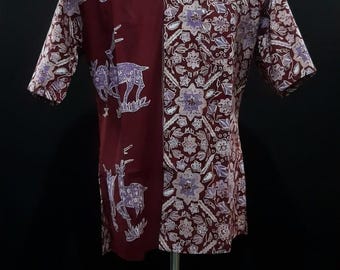
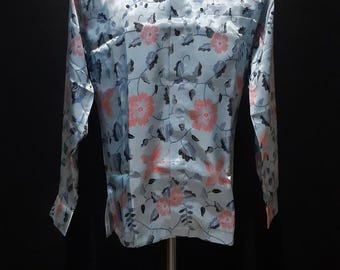
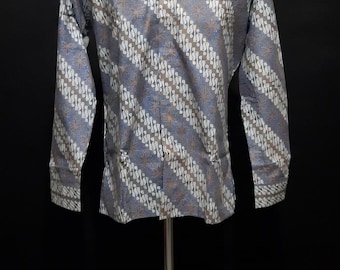
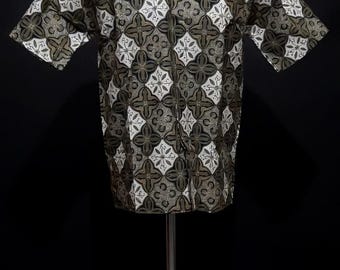
The term 'Kemeja' simply means 'Shirt' in Bahasa Indonesia. When we list a fabric as 'Bahan Kemeja' (Shirt Fabric), it means the size, cut, and motif are typically ideal for tailoring into a modern, finished shirt (e.g., a men's dress shirt). Our 'Original' Batik Tulis generally refers to larger, traditionally styled pieces (Kain Panjang or Sarong) which are often suitable for various custom garments, home decor, or collectors' display. All pieces, regardless of the label, are 100% authentic, hand-drawn Batik Tulis.
Sizing details
Our fabrics typically come in a generous standard size, perfect for a wide variety of custom projects and tailoring.
Length: ± 2.5 meters (250 cm)
Width: ± 105 cm
What type of fabric is used for your Batik Tulis collection?
We are committed to using only the finest base materials to honor the complexity of the Batik Tulis art form.
Material: Our Batik Tulis is crafted on 100% Premium Cotton Fabric.
Supplier: The cotton is sourced from PT Primatetex Indonesia, a highly renowned and trusted textile manufacturer known for producing high-density, smooth, and absorbent cotton specifically favored by master Batik artisans for its superior quality and durability.
This premium cotton ensures that the complex hand-drawn motifs hold their detail beautifully and that the fabric remains comfortable, strong, and lasting—perfect for an heirloom piece.
Care instructions
- Always wash separately from other garments, especially during the first few washes. This is critical because natural dyes may release a small amount of residue (which is normal), and washing separately prevents color transfer to other clothes.
- DO NOT use strong chemical detergents, bleach, fabric softeners, or products containing stain removers.
- Use only mild, delicate soap (such as baby soap), a specialized Batik soap (like Lerak), or simply plain, cool water.
- Hand-wash gently. Do not use excessive force to scrub or rub the fabric.
- Hang to dry in a shaded area. Never place Batik under direct sunlight.
- Use a low-to-medium heat setting when ironing.
Why Hand-Drawn Batik is Different?
1. The Authentic Process: Every single line and dot is drawn manually by hand using the traditional tool called a canting and hot wax. This is the original, authentic technique recognized by UNESCO. Other types of batik, such as Batik Cap (stamped) or printed batik, rely on copper stamps or modern machinery for application.
2. High Time Investment: A single piece of Batik Tulis takes anywhere from weeks to several months to complete, depending on the motif's complexity.
3. Extremely Limited Production: Due to the demanding nature and reliance on the skill of one artisan, Batik Tulis is only produced in very small, limited quantities (often making each piece a one-of-a-kind).
Why is Its Called Hand-Drawn Batik?
It is called Hand-Drawn Batik (or Batik Tulis in Indonesian) because the entire process of applying the wax resist onto the fabric is done completely by hand.
The artisan uses a special pen-like tool called a canting to physically draw, write, and trace the intricate patterns with hot wax. This manual technique is what distinguishes it from machine-printed or stamped batik, making every piece unique and highly artistic.