










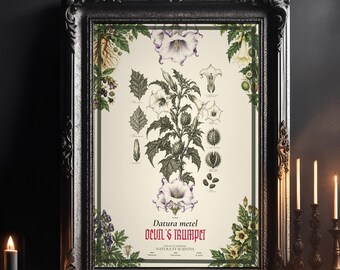
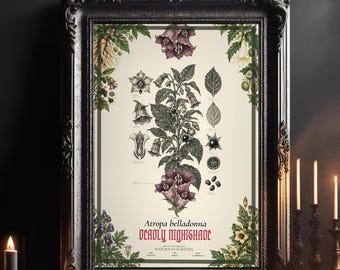


Arte botanica per un mondo più curioso
Botanical art for a more curious world
VOGLIO FAR INNAMORARE IL MONDO DELLE PIANTE
Osservando come sono costruiti.
Una sezione trasversale è una composizione. La venatura è un disegno. La spirale di
una testa di semi era un problema di progettazione risolto molto prima che qualcuno ci pensasse
Chiamiamola una sola. La maggior parte delle persone ci passa accanto senza accorgersene.
House of Verdure esiste per rallentare questo processo, per prendere le strutture che
di solito vivono in un libro di testo e danno loro il trattamento che riceverebbero in un
Vecchio atlante di storia naturale. Inciso. Puntinato. Inchiostro forestale su avorio caldo.
A terra. Incorniciato e appeso, non archiviato.
DA DOVE PROVIENE IL LAVORO
La scienza è dove trovo le composizioni. Anatomia, morfologia, il modo in cui un
la foglia risolve un problema strutturale, la simmetria in un fiore nessuno guarda
abbastanza vicino — questo è il materiale di partenza.
Quello che succede dopo è il design. Compongo piatti per l'equilibrio, non per il
registrazione. Il colore serve alla stanza. Un campione viene disposto nel modo corretto
sono cresciuti. Questi sono disegnati nello spirito dell'illustrazione scientifica, non
al suo servizio — la bellezza prima di tutto, con la struttura come ragione
La bellezza è lì.
COSA CONTIENE LA COLLEZIONE
Qualsiasi pianta che valga la pena di osservare più da vicino, che cresca su un davanzale o
Nel profondo di una volta forestale dove non c'è nessuno. Piante d'appartamento coltivate e
le loro cultivar. Specie selvatiche. Piante carnivore. Felci e notte
fioriture. Studi anatomici, forme dei semi, strutture cellulari, pianta intera
ritratti.
La collezione cresce in qualsiasi direzione la prossima struttura interessante
punti. Costruisco i piatti in serie, così si appendono insieme: comprane due
E sembrano provenire dallo stesso volume, perché in effetti è così.
COME VENGONO REALIZZATI
Le immagini sono generate dall'IA. Preferisco dirlo chiaramente piuttosto che lasciarti
supponiamo il contrario.
Ciò che non è automatizzato: la composizione, la tipografia, la lastra
architettura, la scelta del soggetto, il colore e i numerosi passaggi necessari
per ottenere una struttura che abbia l'aspetto che dovrebbe. Il generatore produce
immagini. La lastra è l'opera.
Lo dico ad alta voce perché un numero sorprendente di negozi non lo farà, e tu
meritate di sapere cosa state acquistando.
MATERIALI
Stampato su ordinazione su carta opaca premium da 200 g/m². Sono esigente riguardo a quale
Questi vanno applicati in serie: mantengono le linee sottili senza appiattire il puntinismo,
e il terreno caldo assume la forma desiderata.
Disponibili in diverse dimensioni, dai piccoli complementi d'arredo alle stampe di grande impatto.
PER CHIUNQUE SIA CURIOSO
Non è necessario conoscere la terminologia per desiderarne uno sul tuo
muro. La curiosità è l'unico prerequisito, e tu ce l'hai già o non ce l'hai
Non sarei arrivato a leggere fin qui.
— Hafeez, House of Verdure
New York
I WANT TO MAKE THE WORLD FALL IN LOVE WITH PLANTS
By looking at how they're built.
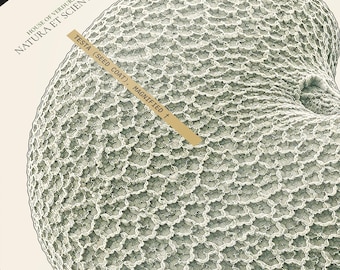
A cross-section is a composition. Venation is a drawing. The spiral of
a seed head was a design problem solved long before anyone thought to
call it one. Most people walk past all of it.
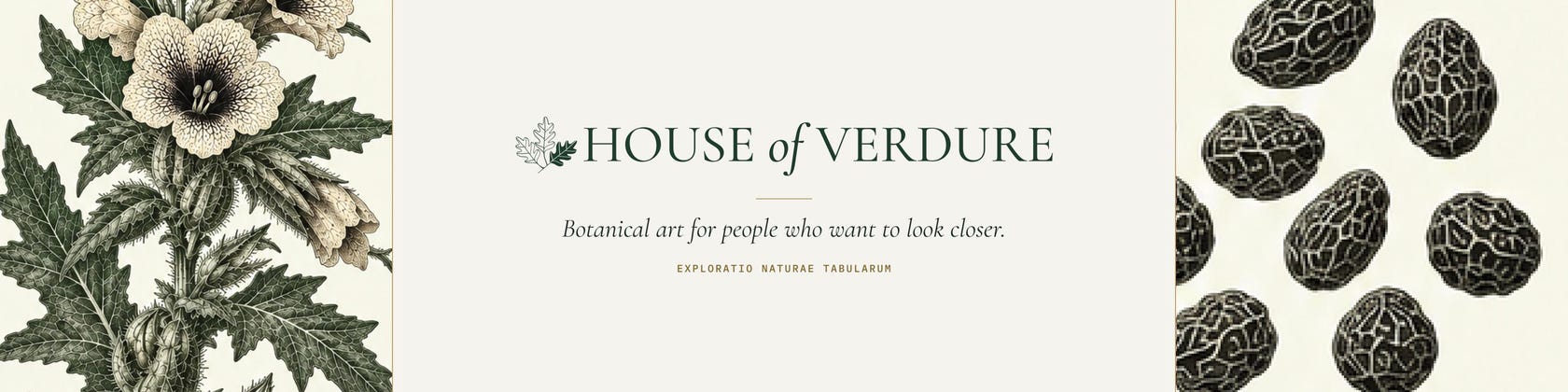
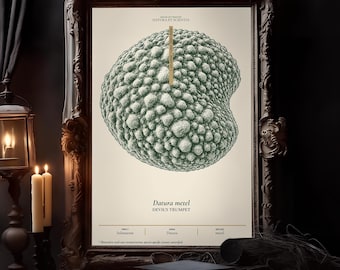
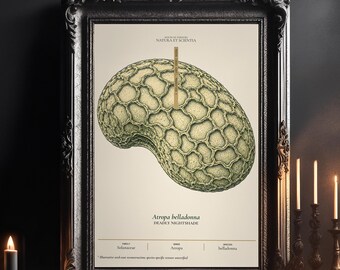
House of Verdure exists to slow that down — to take the structures that
usually live in a textbook and give them the treatment they'd get in an
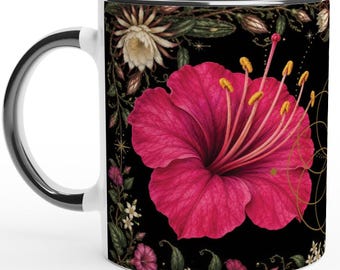
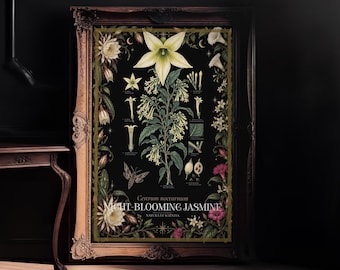
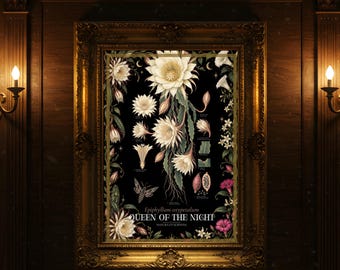
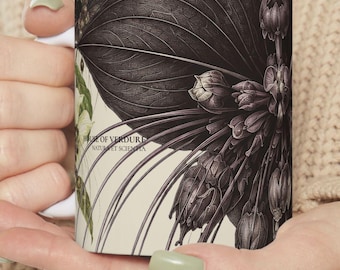
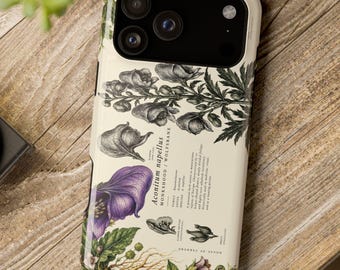
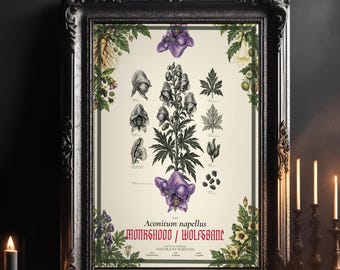
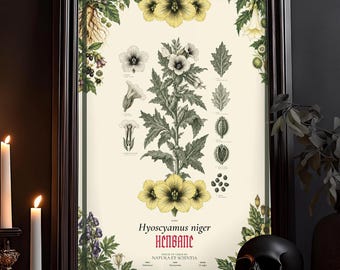
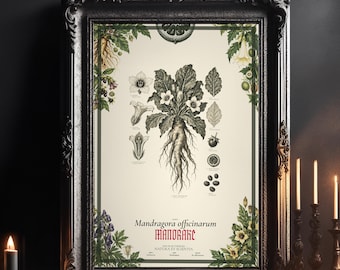
old natural history atlas. Engraved. Stippled. Forest ink on warm ivory
ground. Framed and hung, not filed away.
WHERE THE WORK COMES FROM
Science is where I find the compositions. Anatomy, morphology, the way a
leaf resolves a structural problem, the symmetry in a flower nobody looks
at closely enough — that's the source material.
What happens next is design. I compose plates for balance, not for the
record. Color serves the room. A specimen gets arranged the way it should
have grown. These are drawn in the spirit of scientific illustration, not
in its service — beauty first, with the structure as the reason the
beauty is there.
WHAT'S IN THE COLLECTION
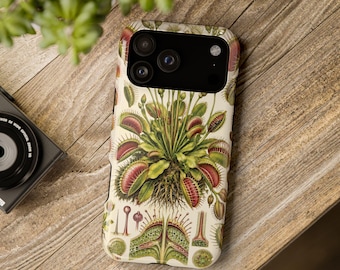
Any plant worth a closer look — whether it's growing on a windowsill or
deep in a forest canopy no one's standing in. Cultivated houseplants and
their cultivars. Wild species. Carnivorous plants. Ferns and night
bloomers. Anatomical studies, seed forms, cellular structures, whole-plant
portraits.
The collection grows in whatever direction the next interesting structure
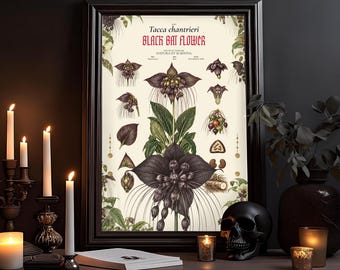
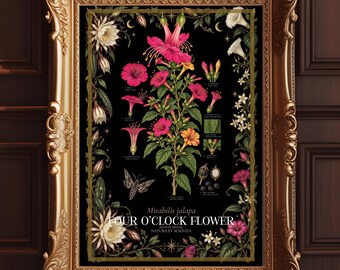
points. I build the plates as a series, so they hang together — buy two
and they look like they came from the same volume, because they did.
HOW THESE ARE MADE
The imagery is AI-generated. I'd rather say that plainly than let you
assume otherwise.
What isn't automated: the composition, the typography, the plate
architecture, the subject choice, the color, and the many passes it takes
to get a structure looking the way it should. The generator makes
pictures. The plate is the work.
I say this out loud because a surprising number of shops won't, and you
deserve to know what you're buying.
MATERIALS
Printed to order on premium 200gsm matte paper. I'm particular about which
stock these go on — it holds fine linework without flattening the stipple,
and the warm ground reads the way it's meant to.
Sizes from small accent pieces through large statement prints.
FOR ANYONE CURIOUS
You don't need to know any of the terminology to want one of these on your
wall. Curiosity is the only prerequisite, and you already have it or you
wouldn't have read this far.
— Hafeez, House of Verdure
New York
