




CUANDO LA PASIÓN SE CONVIERTE EN PROPÓSITO
WHEN PASSION BECOMES PURPOSE
Los artistas que crean arte son parte del arte mismo. Sus propias emociones, sus luchas, sus alegrías y su amor están ocultos en cada obra de arte que crean.
Yo era un artesano con dificultades económicas. Un artesano de pietra dura. En aquellos tiempos, a los artesanos nunca nos pagaban un precio justo por nuestro trabajo. El intermediario se quedaba con la mayor parte de las ganancias y a nosotros nos quedaba muy poco para llegar a fin de mes. Un día, uno de mis compañeros artesanos me habló de Etsy y me pidió que me pusiera en contacto con ellos.
“Y desde aquel día, nunca he vuelto atrás.”
Para mí, la incrustación de mármol (pietra dura) es una tradición familiar, una habilidad que aprendí de mi padre y que ahora le he enseñado a mi hijo. De hecho, este arte está tan ligado a la herencia familiar que creo que se ha transmitido de generación en generación, remontándose su historia hasta el siglo XVI.
El trabajo de incrustación de mármol adorna uno de los edificios más reconocibles e importantes del mundo: el Taj Mahal. Sin embargo, sus orígenes son humildes y funcionales. Esta forma de arte tradicional, de la que solo quedan unos pocos maestros expertos, es un proceso delicado que consiste en cortar y grabar cuidadosamente formas de mármol a mano.
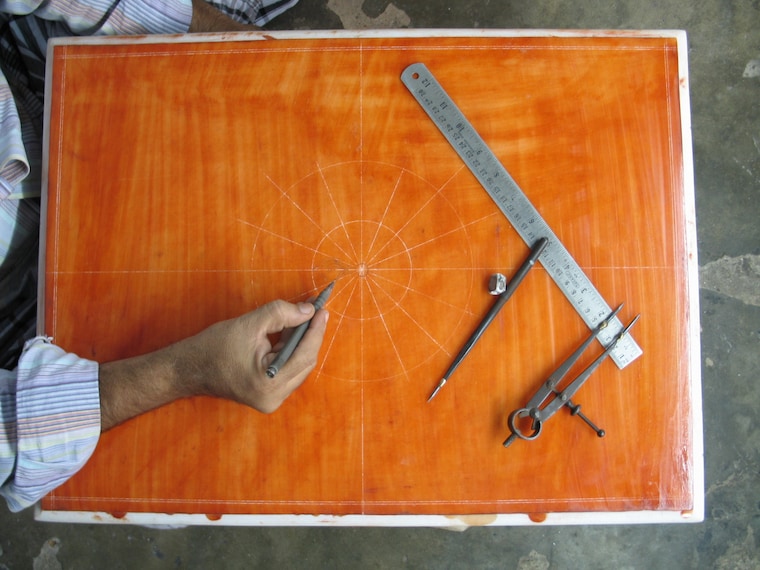
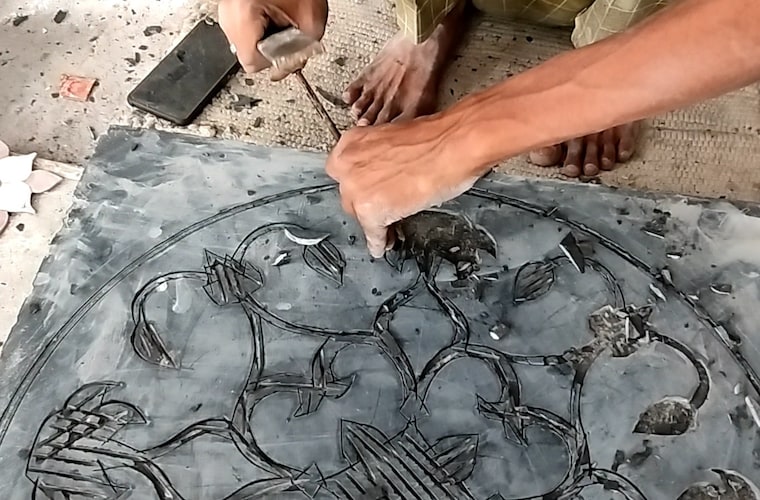
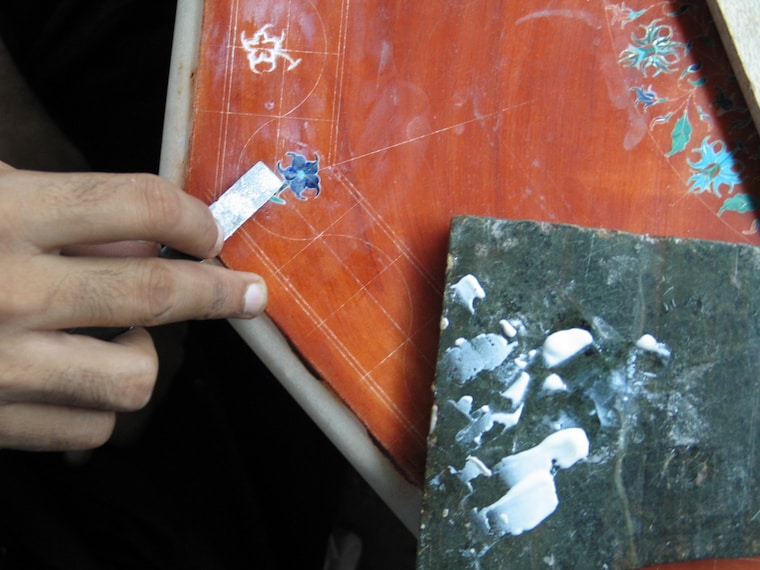
El proceso de incrustación requiere la habilidad de varios especialistas para cada paso laborioso. El proceso previo al grabado incluye el modelado del mármol, la composición del diseño individualizado y el recubrimiento del mármol con geru, un mineral rojo que resalta el contraste de las líneas grabadas. El trabajo de incrustación comienza con un diseño recortado en una lámina de latón, que luego se coloca sobre el mármol y se dibuja. A continuación, se talla el mármol con las herramientas más básicas: un juego de cinceles y una escuadra. Luego, se colocan delicadamente láminas de piedras de colores (preciosas y semipreciosas) en el mármol con adhesivo. Antes de colocar la piedra, el grabado se rellena con cemento, el mármol se calienta ligeramente y las piedras se fijan.
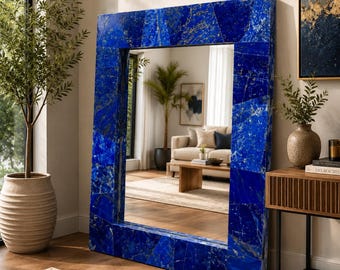
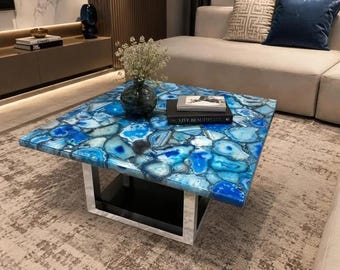
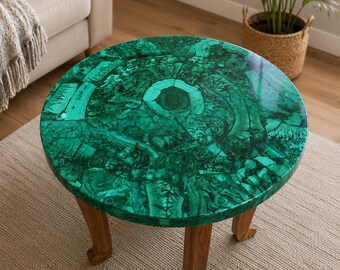
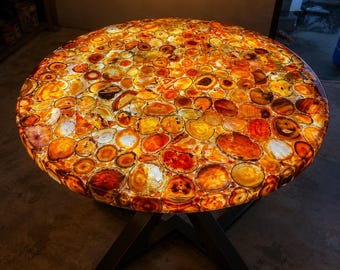
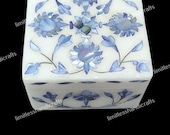
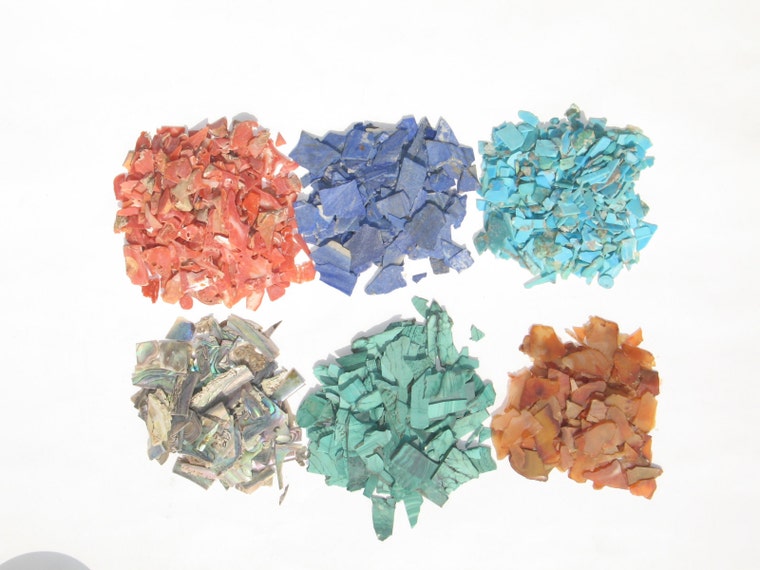
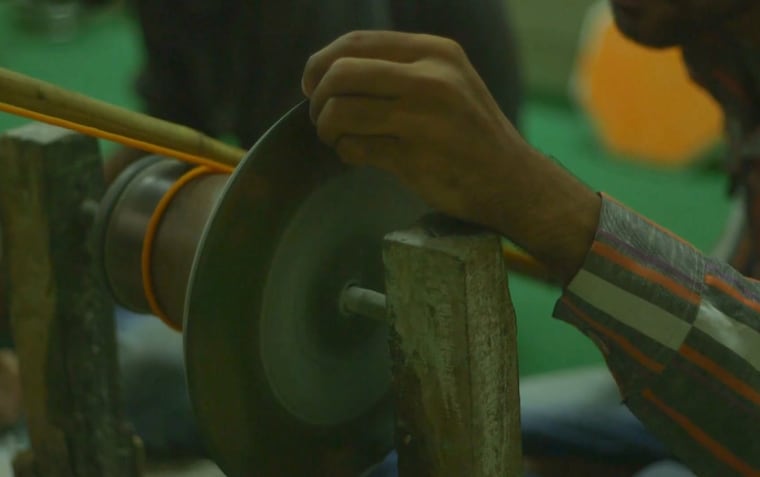
Las piedras semipreciosas, como el lapislázuli, el ágata, la malaquita, la cornalina, el jaspe, el nácar, el coral y otras, se tallan y moldean en una rueda de esmeril manual para crear los delicados elementos del diseño. Una vez finalizado el trabajo de incrustación y secas las piedras, se pulen y abrillantan la superficie y los bordes. Cuanto más hábil sea el artesano, más precisos y detallados serán los ornamentos que cree.
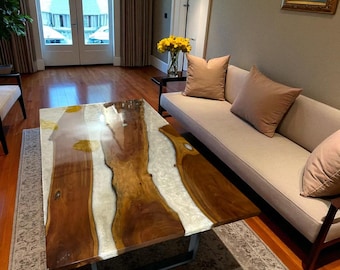
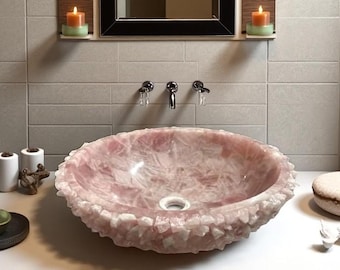
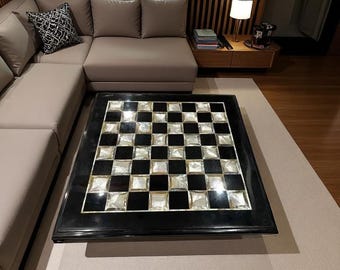
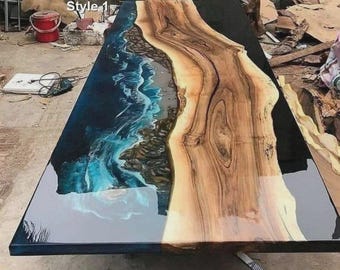
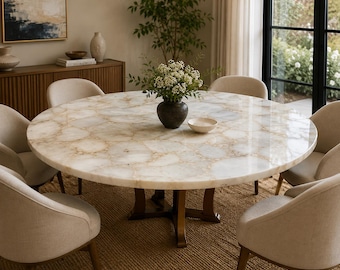
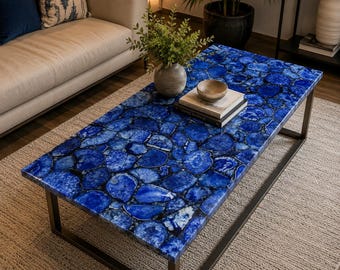
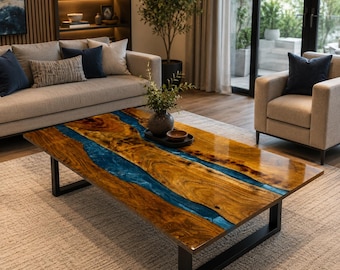
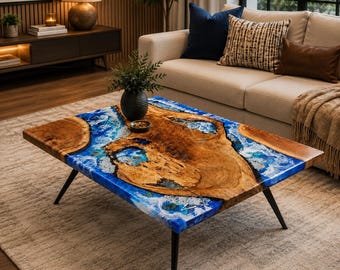
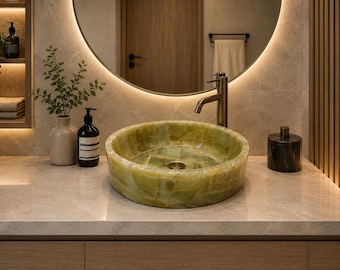
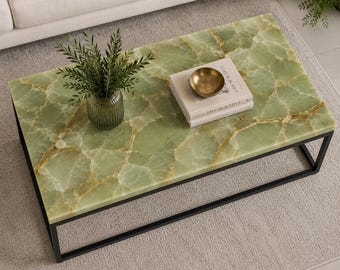
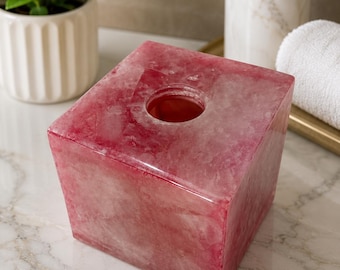
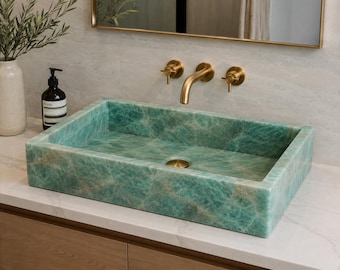
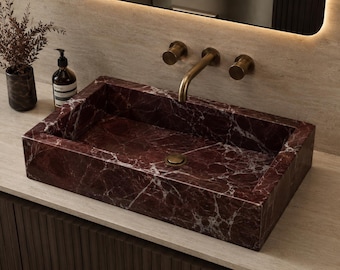
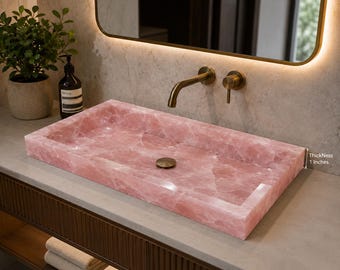
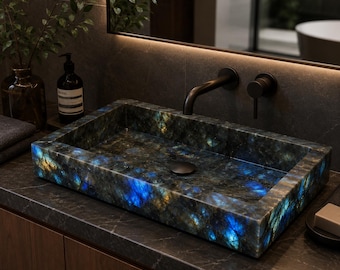
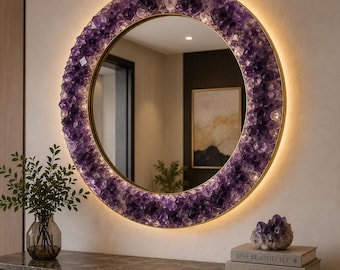
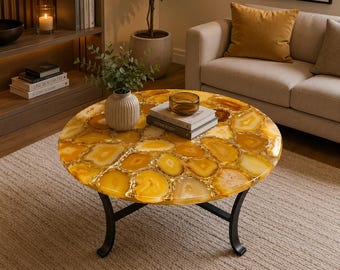
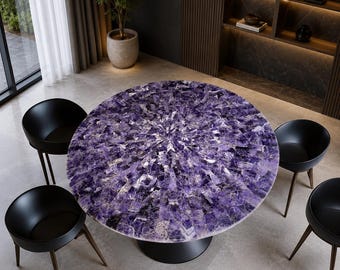
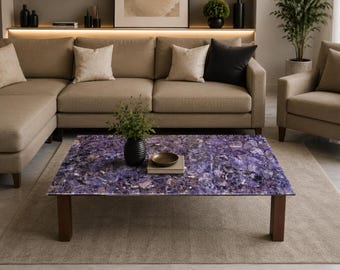
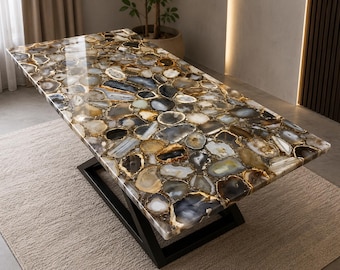
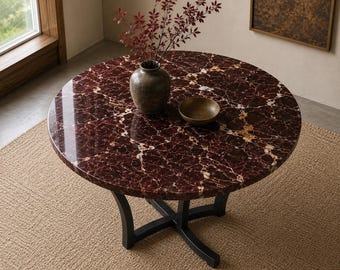
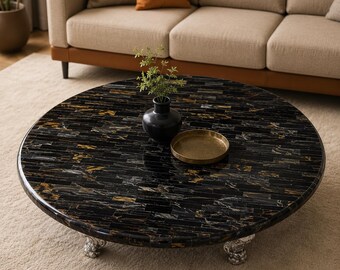
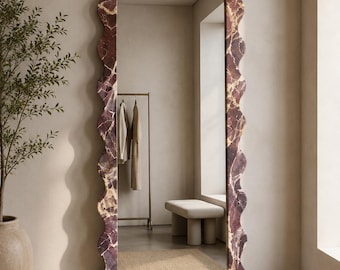
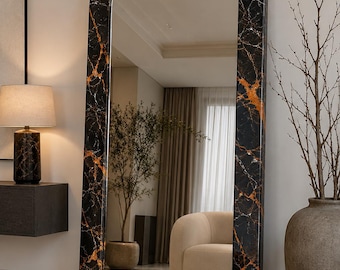
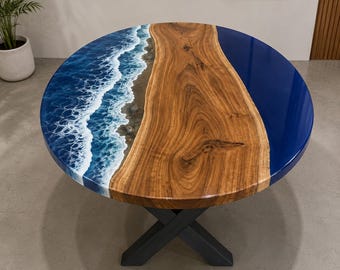
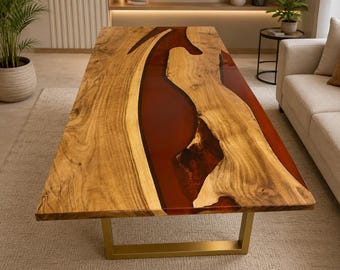
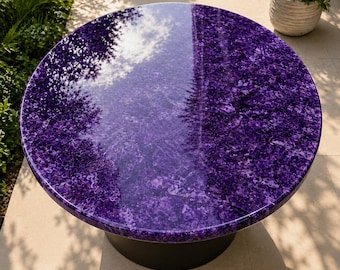
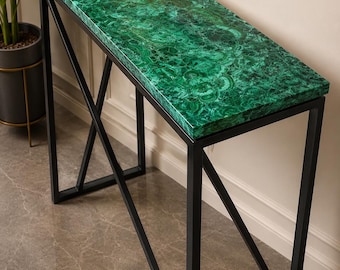
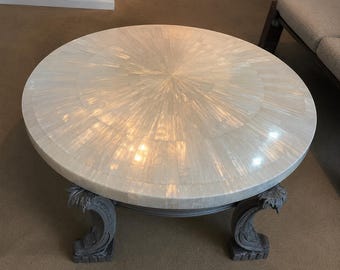
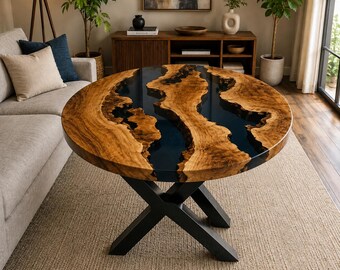
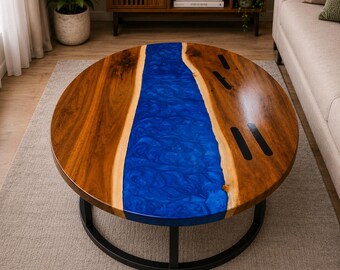
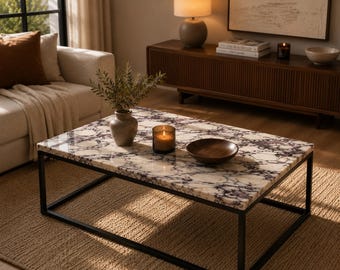
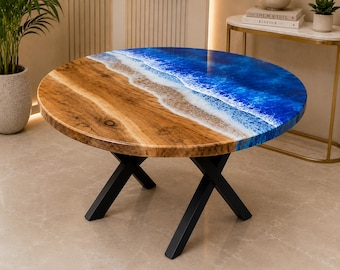
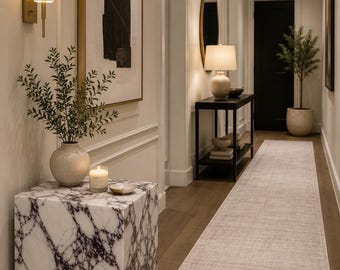
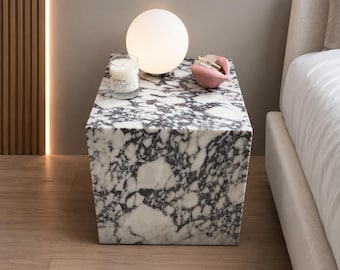
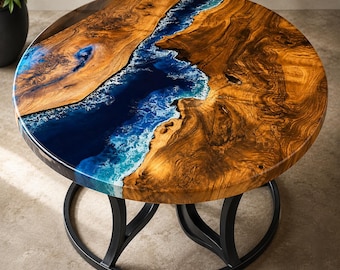
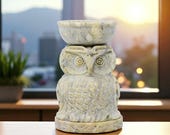
Hoy en día, preservo esta antigua forma de arte —y la rica herencia de los mogoles indios— en forma de mesas de mármol, mesas de ágata, accesorios de baño, joyeros, posavasos y mucho más, que están llenos de imaginación, talento innato y toda una vida dedicada a perfeccionar su oficio.
The artists who create art are a part of the art itself. Their own emotions, their struggles, their joys and their love are hidden in every piece of art they create.
I was a struggling artisan. A Pietra Dura Artisan. Back in those days, artisans were never paid a fair amount for the work we did. The middleman would take up most of the profit and we were left with only a small amount to help make ends meet. One day, one of our fellow craftsmen told me about ETSY and asked me to contact them.
“And since that day, I have never turned back.”
For Me, Marble Inlay (Pietra Dura) is a family affair, a skill I learned from my own father and has now taught to my son. In fact, the art form is so entwined with my own family legacy, that I believe it has been passed down through the generations, tracing its history all the way back to the 16th century.
Marble Inlay work adorns one of the most recognizable and important buildings in the world — the Taj Mahal. Yet its origins are humble and functional. A traditional art form with just a few master experts left, Marble Inlay is a delicate process that involves carefully cutting and engraving marble shapes by hand.
The process of Inlay involves the skill of several specialists for ach time-consuming step. The pre-etching process involves the shaping of the marble, the composition of the individually created design and the coating of the marble with geru, a red mineral colour that allows for the etched lines to stand outing contrast. Inlay work begins with a design that is cut out on a brass sheet, which is then placed on marble and drawn. Next, the marble is carved out, using the most basic of tools - a set of chisels and a set-square. Slices of coloured stones (precious and semi-precious) are then delicately laid into the marble with adhesive. Before laying in the stone the etched is filled with cement, the marble is lightly heated and the stones set.
The semi-precious stones, including Lapis Lazuli, Agate, Malachite, Carnelian, Jasper, Mother of Pearl, Coral and others, are ground and shaped on a hand-operated emery wheel to form the delicate elements of the pattern. Once the Inlay work is completed and has dried, it is time for the surface and edges to be polished and shined. The more skilled the artisan, the more precise and detailed the ornaments he creates.
Today, I preserves this ancient art form — and the rich heritage of the Indian Mughals — in the shape of Marble Tables, Agate Table, Bathroom accessories, Jewel boxes, Coasters and much more which are full of imagination, raw talent, and a lifetime of perfecting his craft.

