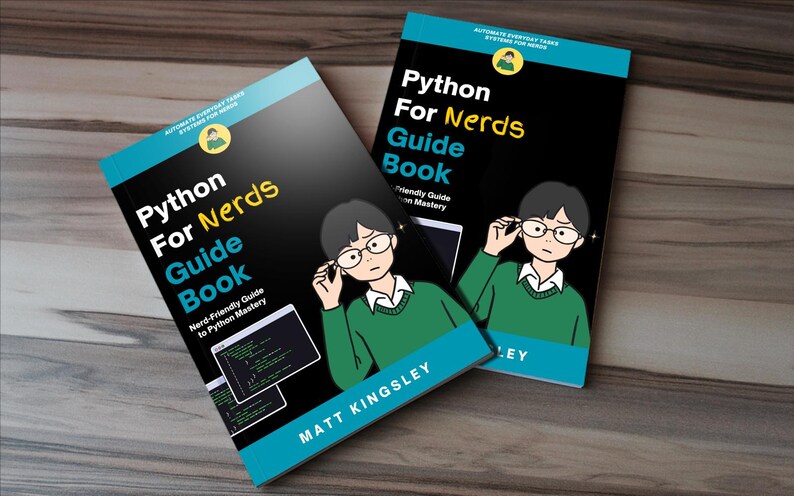
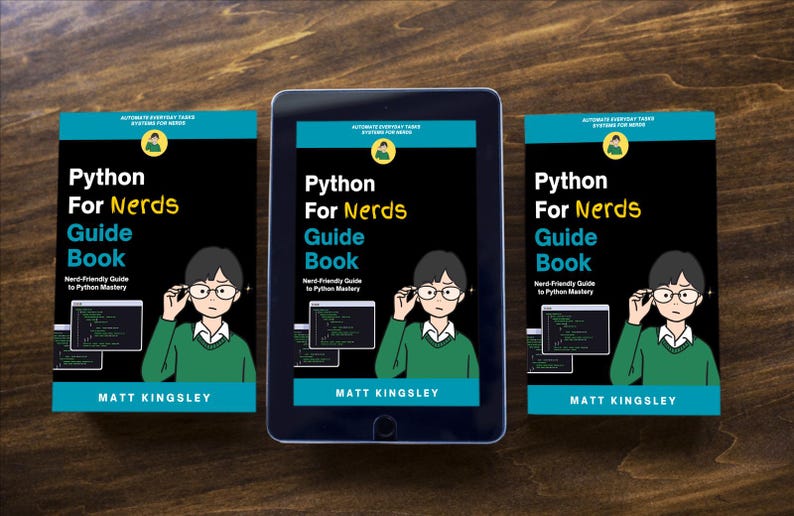
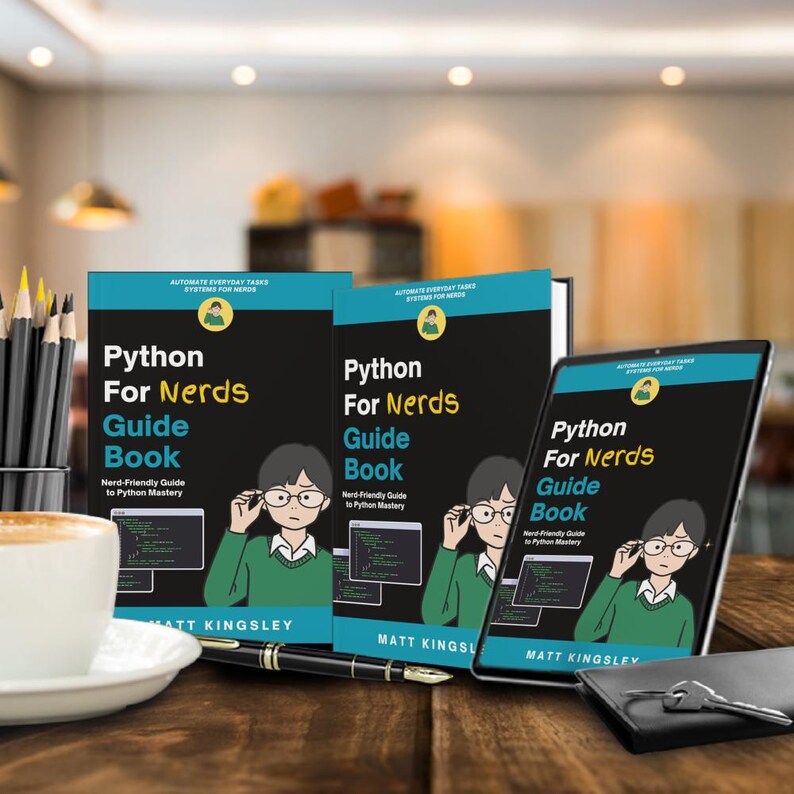

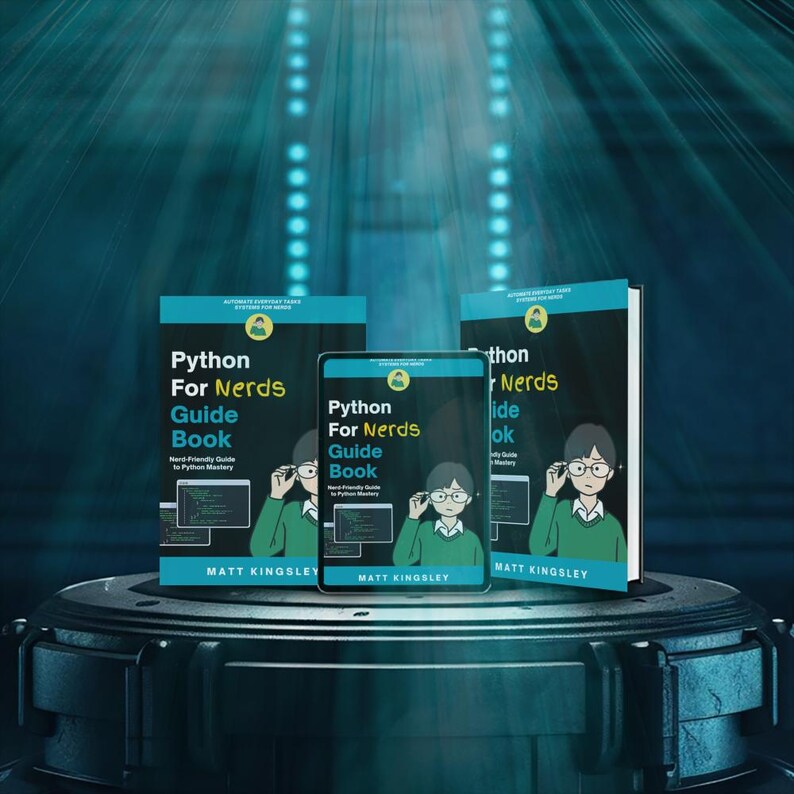
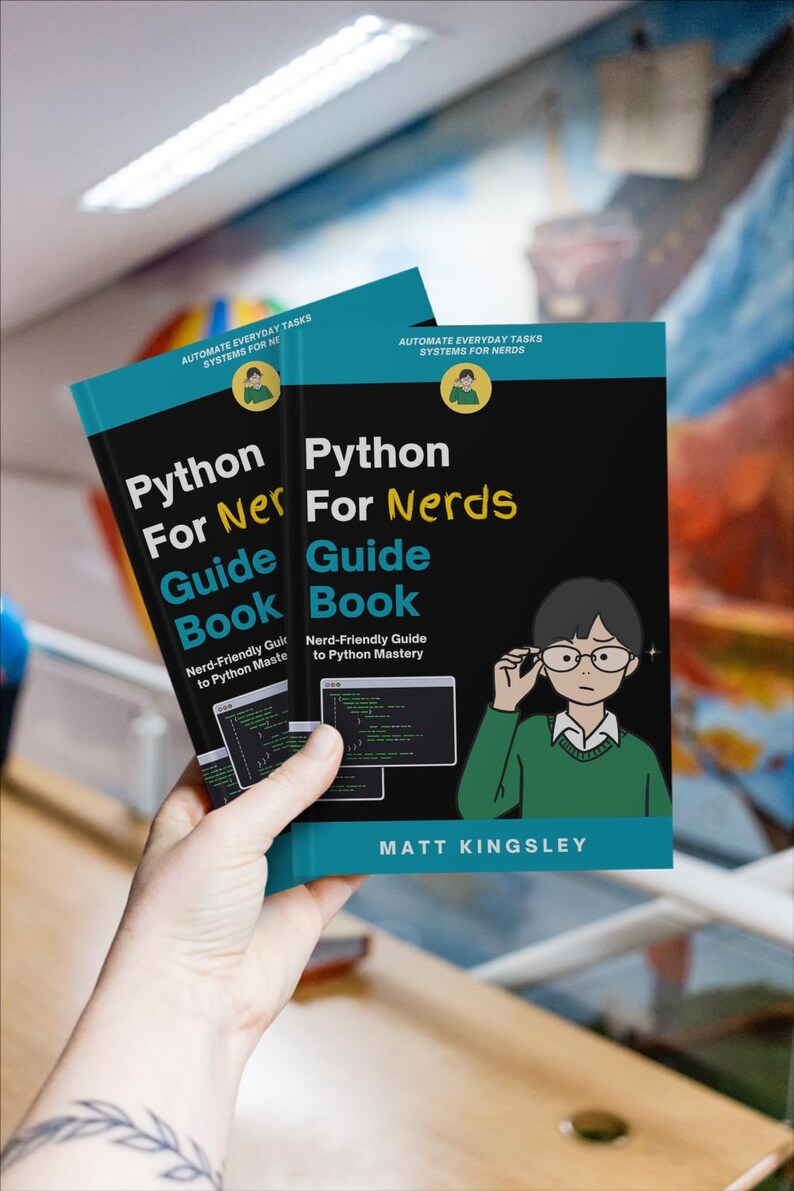


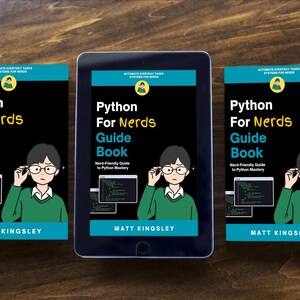

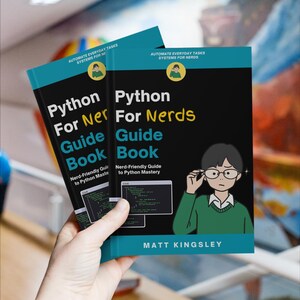
Python For Nerds Guide Book: Beginner Programming Guide, Learn Python Coding, Task Automation, Data Analysis, Real-World Projects
Item highlights
Seller's description
Python For Nerds Guide Book: Stop Guessing, Start Coding—Your No-Fluff Guide to Building Something Brilliant!
From First Script to Finished Project: Master Python Fundamentals, Automate Everyday Tasks, and Build Real-World Applications with Confidence
Forget the intimidating jargon, endless tutorial hopping, and code examples that seem to assume you were born understanding what an interpreter does.
This is your practical, quirky, step-by-step guide to understanding Python, developing useful programming habits, and turning your ideas into working projects.
Tired of copying code that looks impressive but leaves you completely confused?
Wondering why your program refuses to cooperate because of one missing colon?
Ready to make your computer handle repetitive work instead of becoming another source of it?
Let’s be real.
You do not need seventeen monitors, a mysterious hoodie, or a personality built entirely around keyboard shortcuts.
You need clear explanations, manageable exercises, and the willingness to ask, “What happens if I change this?”
Python For Nerds Guide Book brings an analytical mind and a playful spirit to programming. Across 20 chapters, it helps you explore the fundamentals, troubleshoot mistakes, organise your code, and work towards an application of your own.
Because your most useful coding superpower is **understanding**.
The Truth About Learning Python
Collecting tutorials does not automatically teach you to program.
Neither does copying a hundred lines of code while remaining unsure what the first five actually do.
Sound familiar?
❌ You follow an example successfully, then freeze when asked to change it.
❌ You recognise programming terms without feeling comfortable using them.
❌ You keep installing new tools instead of finishing a small project.
❌ You change several things at once and lose track of what helped.
❌ You treat every error message as proof that coding is not for you.
❌ You have plenty of project ideas but no clear starting point.
Enough digital wandering.
This guide helps you move from “hopefully this works” to “I understand what I’m asking Python to do.”
No secret programming gene required.
What Makes This Book Different?
✅ A Nerd-Friendly Approach — Explore Python through clear rules, meaningful examples, practical experiments, and questions worth investigating.
✅ Personality Without the Fog — Enjoy quirky comparisons and encouraging explanations without burying the important ideas beneath unnecessary jargon.
✅ Code with a Purpose — Use the examples to practise specific skills rather than collect impressive-looking instructions.
✅ Debugging Instead of Guessing — Learn to investigate unexpected behaviour, read error messages, and make targeted changes.
✅ Progress Beyond the Basics — Move from variables and loops into files, automation, APIs, data analysis, databases, and project development.
✅ Structure That Supports Learning — Follow a 20-chapter journey that builds connections between individual concepts and useful applications.
✅ Python Examples at the End of Each Chapter — Put the discussion into context with code you can inspect, run, and adapt.
✅ Confidence Built on Evidence — Develop habits that help you explain what your code does and check whether it behaves as intended.
This is not about performing technical brilliance.
It is about making something useful—and understanding how you got there.
What You’ll Explore Inside
🐍 Python Without the Intimidation
Discover what Python can do, how programs follow instructions, and why clear thinking matters more than memorising an intimidating vocabulary.
🛠️ Your Coding Command Centre
Get acquainted with interpreters, editors, terminals, project folders, and the basic workflow of writing, saving, running, and improving a program.
🧠 Variables, Values, and Meaningful Names
Work with numbers, strings, Booleans, and names that explain your intentions instead of making your code resemble a lost treasure map.
💬 Programs That Ask and Answer
Collect user input, format readable messages, and display results with enough context to make them useful.
🔀 Decisions and Repetition
Use conditions and loops to guide behaviour, process collections, and give repetitive work to the machine.
📚 Lists, Tuples, Dictionaries, and Sets
Choose structures that fit your information, whether you need ordered items, labelled records, or unique values.
⚡ Functions and Reusable Tools
Give useful operations a dependable home with parameters, return values, and clear responsibilities.
🔍 Debugging Without the Meltdown
Read tracebacks, inspect assumptions, handle expected failures, and investigate problems one manageable step at a time.
💾 Information That Survives
Explore text, CSV, and JSON files, then connect your applications to structured storage with SQLite.
🧰 Modules, Packages, and Project Environments
Organise growing programs, understand dependencies, and keep your project’s tools in a more predictable working environment.
🤖 Automation for Everyday Tasks
Inspect folders, plan changes, process batches, and approach file operations with safeguards rather than reckless enthusiasm.
🌐 Connections Beyond Your Computer
Make HTTP requests, explore APIs, interpret responses, and recognise when a service is asking your program to slow down.
📊 Data That Answers Questions
Use pandas and Matplotlib to inspect information, apply cleaning rules, calculate summaries, and communicate patterns clearly.
🚀 A Finished Project of Your Own
Bring planning, validation, storage, reporting, tests, and documentation together in a small command-line application.
Perfect For
✔ Complete beginners who want explanations rather than unexplained instructions.
✔ Tutorial hoppers ready for a more connected learning journey.
✔ Curious professionals interested in automating repetitive tasks.
✔ Authors, creators, and small-business owners with practical project ideas.
✔ Students who want a readable companion to their programming practice.
✔ Detail-loving readers who appreciate systems, structure, and meaningful names.
✔ Spreadsheet users curious about working with data through Python.
✔ Hobbyists who enjoy experimenting and asking why things work.
✔ Returning learners who want to rebuild their foundations.
✔ Anyone who prefers useful progress to intimidating technical performance.
You do not have to call yourself a nerd.
But if a clearly named variable and a neatly organised project folder make you unexpectedly happy, you may feel right at home.
The Habits This Guide Helps You Rethink
❌ Typing before deciding what the program should do.
❌ Treating a successful run as proof that every result is correct.
❌ Copying examples without inspecting the inputs and outputs.
❌ Using mysterious variable names and hoping you will remember their meaning.
❌ Repeating code instead of recognising a reusable task.
❌ Catching every exception just to hide the error message.
❌ Testing file automation on your only copy of something important.
❌ Installing dependencies without checking which environment you are using.
❌ Creating a complicated class hierarchy for a problem one function could solve.
❌ Adding features indefinitely instead of finishing a useful first version.
Replace the pressure to look advanced with the freedom to investigate.
Your next attempt does not need to be perfect.
It needs to help you understand something you can use.
## From Random Experimenting to Intentional Programming
This book encourages a more dependable working rhythm:
🔸 Begin with a specific problem.
🔸 Describe the expected input and output.
🔸 Break the task into manageable pieces.
🔸 Choose names that communicate meaning.
🔸 Build the smallest useful version.
🔸 Predict results before running examples.
🔸 Change one thing at a time.
🔸 Inspect errors instead of avoiding them.
🔸 Test ordinary cases and relevant boundaries.
🔸 Preserve important information before experimenting.
🔸 Document the steps somebody else needs to follow.
🔸 Improve the project without losing sight of its purpose.
That is your advantage: not a mysterious talent, but a repeatable way to learn and build.
## Questions You’ll Be Better Equipped to Answer
Why is Python treating this number as text?
Which data structure fits this collection?
Should this function return a value or display a message?
Why did changing one list affect another variable?
What does this traceback tell me about the failure?
How can I check that my file organiser will not replace something important?
Which interpreter is running my program?
What should happen when an API returns an unexpected response?
Does this chart support the conclusion I am drawing?
How can I make a change without accidentally breaking earlier behaviour?
What does my first project actually need before I can call it finished?
You do not need every answer before you begin.
You need a framework that helps you investigate the right questions.
## What This Book Isn’t
🚫 Not a promise of instant mastery.
🚫 Not a professional certification or guaranteed route to employment.
🚫 Not a claim that reading alone replaces practice.
🚫 Not an invitation to install every package you discover.
🚫 Not a contest to write the shortest possible program.
🚫 Not a suggestion that every task needs artificial intelligence.
🚫 Not a guarantee that every example will run unchanged in every environment.
🚫 Not a demand that your first project become a business.
🚫 Not a reason to experiment carelessly with private data or important files.
This is a guide to practical understanding, thoughtful experimentation, and achievable project development.
Not a challenge to become a software department by next Tuesday.
## What This Book Is
✅ A structured starting point for learning Python.
✅ A practical companion for readers who want to understand their code.
✅ A collection of chapter-end examples that connect concepts with behaviour.
✅ A debugging framework that values investigation over panic.
✅ An introduction to working with files, APIs, data, and databases.
✅ A guide to organising reusable tools and growing projects.
✅ An encouragement to test assumptions and preserve important information.
✅ A pathway towards planning, documenting, and sharing a small application.
✅ A reminder that your first useful project can be modest and still matter.
The result is a more intentional approach to programming—and a clearer idea of what to practise next.
## Your Python Learning Journey
### Phase 1: Replace Intimidation with Curiosity
Understand the basic workflow and recognise that unfamiliar vocabulary is something to learn, not a barrier you must already have crossed.
### Phase 2: Build Dependable Foundations
Work with values, input, decisions, loops, and collections. Give yourself reference points you can return to.
### Phase 3: Organise Your Thinking
Create functions, separate responsibilities, and explore classes when they offer a useful model.
### Phase 4: Investigate Instead of Guessing
Read errors, inspect values, test boundaries, and make changes with a specific explanation in mind.
### Phase 5: Make Python Useful
Process files, explore automation, request web information, analyse data, and store structured records.
### Phase 6: Finish Something Manageable
Define a small application, connect its parts, test its behaviour, and explain how to use it.
### Phase 7: Keep Developing
Use your finished project as a foundation for the next improvement—not as evidence that you should already know everything.
Progress does not have to be dramatic to become meaningful.
## Build a Toolkit That Works for You
You do not need a computer screen arranged like a science-fiction control room.
You need a working environment you understand.
Python For Nerds Guide Book encourages you to connect tools with actual needs, keep projects organised, and understand a dependency before adding it.
Learn what your functions do.
Know where your files are being written.
Inspect which interpreter is running.
Keep track of your project’s requirements.
A small, understandable setup can support far more useful work than an impressive collection of tools you are afraid to touch.
## Imagine Your First Finished Project
Picture running a script that handles a task you previously repeated by hand.
Picture recognising an error message and knowing where to begin investigating.
Picture opening a project folder and understanding why each file exists.
Picture sharing a small application with clear instructions, useful tests, and a purpose you can explain in one sentence.
That is the kind of confidence this book invites you to develop.
Not “I never make mistakes” confidence.
“I have a way to investigate and improve” confidence.
That quieter version is worth building.
## Stop Guessing. Start Building.
🎯 Learn the fundamentals with a purpose.
🎯 Turn large ideas into manageable tasks.
🎯 Make code easier to read and reuse.
🎯 Use mistakes as evidence.
🎯 Automate thoughtfully.
🎯 Ask better questions of your data.
🎯 Give your applications structured memory.
🎯 Finish a project you can understand, explain, and improve.
Your computer can become a workshop.
Your questions can become experiments.
Your next repetitive task can become the beginning of a useful tool.
## Grab Your Copy of Python For Nerds Guide Book
Bring curiosity to your keyboard, structure to your ideas, and a little personality to your programming practice.
Less copying without understanding. More purposeful experimenting.
Less intimidating jargon. More useful explanations.
Less pressure to look advanced. More confidence to take the next step.
Start with one instruction.
Build one useful feature.
Finish one project.
Then discover what you want to create next.
## Keywords
Python for beginners, Python guide book, learn Python programming, beginner coding guide, Python coding examples, Python fundamentals, programming for beginners, Python automation, task automation with Python, Python functions, Python data structures, Python debugging, object-oriented Python, Python file handling, Python CSV and JSON, Python modules and packages, Python virtual environments, Python API requests, pandas for beginners, Matplotlib for beginners, Python data analysis, SQLite with Python, SQL for beginners, Python unit testing, command-line Python projects, practical Python projects, Python project development, self-study programming guide.
Shop review
All reviews are from verified buyers. This review is shown automatically based on factors like recency, whether it includes comments, your chosen language, and whether the rating reflects the typical experience with the shop.
“This was nice and simple”
Ahad
2 days ago
Price:145,20 kr.
You can only make an offer when buying a single item
Delivery
Instant download
Your files will be available to download once payment is confirmed. Here's how.
Instant download items don't accept returns, exchanges or cancellations. Please contact the seller about any problems with your order.
Seller's description
Specifications
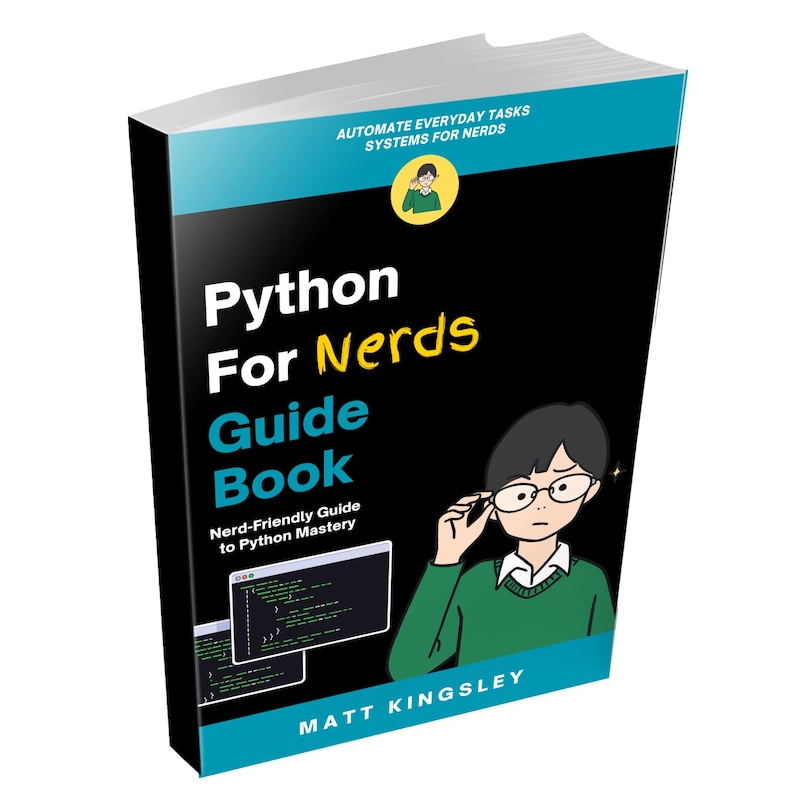
Python For Nerds Guide Book: Stop Guessing, Start Coding—Your No-Fluff Guide to Building Something Brilliant!
From First Script to Finished Project: Master Python Fundamentals, Automate Everyday Tasks, and Build Real-World Applications with Confidence
Forget the intimidating jargon, endless tutorial hopping, and code examples that seem to assume you were born understanding what an interpreter does.
This is your practical, quirky, step-by-step guide to understanding Python, developing useful programming habits, and turning your ideas into working projects.
Tired of copying code that looks impressive but leaves you completely confused?
Wondering why your program refuses to cooperate because of one missing colon?
Ready to make your computer handle repetitive work instead of becoming another source of it?
Let’s be real.
You do not need seventeen monitors, a mysterious hoodie, or a personality built entirely around keyboard shortcuts.
You need clear explanations, manageable exercises, and the willingness to ask, “What happens if I change this?”
Python For Nerds Guide Book brings an analytical mind and a playful spirit to programming. Across 20 chapters, it helps you explore the fundamentals, troubleshoot mistakes, organise your code, and work towards an application of your own.
Because your most useful coding superpower is **understanding**.
The Truth About Learning Python
Collecting tutorials does not automatically teach you to program.
Neither does copying a hundred lines of code while remaining unsure what the first five actually do.
Sound familiar?
❌ You follow an example successfully, then freeze when asked to change it.
❌ You recognise programming terms without feeling comfortable using them.
❌ You keep installing new tools instead of finishing a small project.
❌ You change several things at once and lose track of what helped.
❌ You treat every error message as proof that coding is not for you.
❌ You have plenty of project ideas but no clear starting point.
Enough digital wandering.
This guide helps you move from “hopefully this works” to “I understand what I’m asking Python to do.”
No secret programming gene required.
What Makes This Book Different?
✅ A Nerd-Friendly Approach — Explore Python through clear rules, meaningful examples, practical experiments, and questions worth investigating.
✅ Personality Without the Fog — Enjoy quirky comparisons and encouraging explanations without burying the important ideas beneath unnecessary jargon.
✅ Code with a Purpose — Use the examples to practise specific skills rather than collect impressive-looking instructions.
✅ Debugging Instead of Guessing — Learn to investigate unexpected behaviour, read error messages, and make targeted changes.
✅ Progress Beyond the Basics — Move from variables and loops into files, automation, APIs, data analysis, databases, and project development.
✅ Structure That Supports Learning — Follow a 20-chapter journey that builds connections between individual concepts and useful applications.
✅ Python Examples at the End of Each Chapter — Put the discussion into context with code you can inspect, run, and adapt.
✅ Confidence Built on Evidence — Develop habits that help you explain what your code does and check whether it behaves as intended.
This is not about performing technical brilliance.
It is about making something useful—and understanding how you got there.
What You’ll Explore Inside
🐍 Python Without the Intimidation
Discover what Python can do, how programs follow instructions, and why clear thinking matters more than memorising an intimidating vocabulary.
🛠️ Your Coding Command Centre
Get acquainted with interpreters, editors, terminals, project folders, and the basic workflow of writing, saving, running, and improving a program.
🧠 Variables, Values, and Meaningful Names
Work with numbers, strings, Booleans, and names that explain your intentions instead of making your code resemble a lost treasure map.
💬 Programs That Ask and Answer
Collect user input, format readable messages, and display results with enough context to make them useful.
🔀 Decisions and Repetition
Use conditions and loops to guide behaviour, process collections, and give repetitive work to the machine.
📚 Lists, Tuples, Dictionaries, and Sets
Choose structures that fit your information, whether you need ordered items, labelled records, or unique values.
⚡ Functions and Reusable Tools
Give useful operations a dependable home with parameters, return values, and clear responsibilities.
🔍 Debugging Without the Meltdown
Read tracebacks, inspect assumptions, handle expected failures, and investigate problems one manageable step at a time.
💾 Information That Survives
Explore text, CSV, and JSON files, then connect your applications to structured storage with SQLite.
🧰 Modules, Packages, and Project Environments
Organise growing programs, understand dependencies, and keep your project’s tools in a more predictable working environment.
🤖 Automation for Everyday Tasks
Inspect folders, plan changes, process batches, and approach file operations with safeguards rather than reckless enthusiasm.
🌐 Connections Beyond Your Computer
Make HTTP requests, explore APIs, interpret responses, and recognise when a service is asking your program to slow down.
📊 Data That Answers Questions
Use pandas and Matplotlib to inspect information, apply cleaning rules, calculate summaries, and communicate patterns clearly.
🚀 A Finished Project of Your Own
Bring planning, validation, storage, reporting, tests, and documentation together in a small command-line application.
Perfect For
✔ Complete beginners who want explanations rather than unexplained instructions.
✔ Tutorial hoppers ready for a more connected learning journey.
✔ Curious professionals interested in automating repetitive tasks.
✔ Authors, creators, and small-business owners with practical project ideas.
✔ Students who want a readable companion to their programming practice.
✔ Detail-loving readers who appreciate systems, structure, and meaningful names.
✔ Spreadsheet users curious about working with data through Python.
✔ Hobbyists who enjoy experimenting and asking why things work.
✔ Returning learners who want to rebuild their foundations.
✔ Anyone who prefers useful progress to intimidating technical performance.
You do not have to call yourself a nerd.
But if a clearly named variable and a neatly organised project folder make you unexpectedly happy, you may feel right at home.
The Habits This Guide Helps You Rethink
❌ Typing before deciding what the program should do.
❌ Treating a successful run as proof that every result is correct.
❌ Copying examples without inspecting the inputs and outputs.
❌ Using mysterious variable names and hoping you will remember their meaning.
❌ Repeating code instead of recognising a reusable task.
❌ Catching every exception just to hide the error message.
❌ Testing file automation on your only copy of something important.
❌ Installing dependencies without checking which environment you are using.
❌ Creating a complicated class hierarchy for a problem one function could solve.
❌ Adding features indefinitely instead of finishing a useful first version.
Replace the pressure to look advanced with the freedom to investigate.
Your next attempt does not need to be perfect.
It needs to help you understand something you can use.
## From Random Experimenting to Intentional Programming
This book encourages a more dependable working rhythm:
🔸 Begin with a specific problem.
🔸 Describe the expected input and output.
🔸 Break the task into manageable pieces.
🔸 Choose names that communicate meaning.
🔸 Build the smallest useful version.
🔸 Predict results before running examples.
🔸 Change one thing at a time.
🔸 Inspect errors instead of avoiding them.
🔸 Test ordinary cases and relevant boundaries.
🔸 Preserve important information before experimenting.
🔸 Document the steps somebody else needs to follow.
🔸 Improve the project without losing sight of its purpose.
That is your advantage: not a mysterious talent, but a repeatable way to learn and build.
## Questions You’ll Be Better Equipped to Answer
Why is Python treating this number as text?
Which data structure fits this collection?
Should this function return a value or display a message?
Why did changing one list affect another variable?
What does this traceback tell me about the failure?
How can I check that my file organiser will not replace something important?
Which interpreter is running my program?
What should happen when an API returns an unexpected response?
Does this chart support the conclusion I am drawing?
How can I make a change without accidentally breaking earlier behaviour?
What does my first project actually need before I can call it finished?
You do not need every answer before you begin.
You need a framework that helps you investigate the right questions.
## What This Book Isn’t
🚫 Not a promise of instant mastery.
🚫 Not a professional certification or guaranteed route to employment.
🚫 Not a claim that reading alone replaces practice.
🚫 Not an invitation to install every package you discover.
🚫 Not a contest to write the shortest possible program.
🚫 Not a suggestion that every task needs artificial intelligence.
🚫 Not a guarantee that every example will run unchanged in every environment.
🚫 Not a demand that your first project become a business.
🚫 Not a reason to experiment carelessly with private data or important files.
This is a guide to practical understanding, thoughtful experimentation, and achievable project development.
Not a challenge to become a software department by next Tuesday.
## What This Book Is
✅ A structured starting point for learning Python.
✅ A practical companion for readers who want to understand their code.
✅ A collection of chapter-end examples that connect concepts with behaviour.
✅ A debugging framework that values investigation over panic.
✅ An introduction to working with files, APIs, data, and databases.
✅ A guide to organising reusable tools and growing projects.
✅ An encouragement to test assumptions and preserve important information.
✅ A pathway towards planning, documenting, and sharing a small application.
✅ A reminder that your first useful project can be modest and still matter.
The result is a more intentional approach to programming—and a clearer idea of what to practise next.
## Your Python Learning Journey
### Phase 1: Replace Intimidation with Curiosity
Understand the basic workflow and recognise that unfamiliar vocabulary is something to learn, not a barrier you must already have crossed.
### Phase 2: Build Dependable Foundations
Work with values, input, decisions, loops, and collections. Give yourself reference points you can return to.
### Phase 3: Organise Your Thinking
Create functions, separate responsibilities, and explore classes when they offer a useful model.
### Phase 4: Investigate Instead of Guessing
Read errors, inspect values, test boundaries, and make changes with a specific explanation in mind.
### Phase 5: Make Python Useful
Process files, explore automation, request web information, analyse data, and store structured records.
### Phase 6: Finish Something Manageable
Define a small application, connect its parts, test its behaviour, and explain how to use it.
### Phase 7: Keep Developing
Use your finished project as a foundation for the next improvement—not as evidence that you should already know everything.
Progress does not have to be dramatic to become meaningful.
## Build a Toolkit That Works for You
You do not need a computer screen arranged like a science-fiction control room.
You need a working environment you understand.
Python For Nerds Guide Book encourages you to connect tools with actual needs, keep projects organised, and understand a dependency before adding it.
Learn what your functions do.
Know where your files are being written.
Inspect which interpreter is running.
Keep track of your project’s requirements.
A small, understandable setup can support far more useful work than an impressive collection of tools you are afraid to touch.
## Imagine Your First Finished Project
Picture running a script that handles a task you previously repeated by hand.
Picture recognising an error message and knowing where to begin investigating.
Picture opening a project folder and understanding why each file exists.
Picture sharing a small application with clear instructions, useful tests, and a purpose you can explain in one sentence.
That is the kind of confidence this book invites you to develop.
Not “I never make mistakes” confidence.
“I have a way to investigate and improve” confidence.
That quieter version is worth building.
## Stop Guessing. Start Building.
🎯 Learn the fundamentals with a purpose.
🎯 Turn large ideas into manageable tasks.
🎯 Make code easier to read and reuse.
🎯 Use mistakes as evidence.
🎯 Automate thoughtfully.
🎯 Ask better questions of your data.
🎯 Give your applications structured memory.
🎯 Finish a project you can understand, explain, and improve.
Your computer can become a workshop.
Your questions can become experiments.
Your next repetitive task can become the beginning of a useful tool.
## Grab Your Copy of Python For Nerds Guide Book
Bring curiosity to your keyboard, structure to your ideas, and a little personality to your programming practice.
Less copying without understanding. More purposeful experimenting.
Less intimidating jargon. More useful explanations.
Less pressure to look advanced. More confidence to take the next step.
Start with one instruction.
Build one useful feature.
Finish one project.
Then discover what you want to create next.
## Keywords
Python for beginners, Python guide book, learn Python programming, beginner coding guide, Python coding examples, Python fundamentals, programming for beginners, Python automation, task automation with Python, Python functions, Python data structures, Python debugging, object-oriented Python, Python file handling, Python CSV and JSON, Python modules and packages, Python virtual environments, Python API requests, pandas for beginners, Matplotlib for beginners, Python data analysis, SQLite with Python, SQL for beginners, Python unit testing, command-line Python projects, practical Python projects, Python project development, self-study programming guide.
-
Item typeDigital download
-
Digital file type(s)1 PDF
If something goes wrong with an order, we've got your back on all eligible purchases. View program terms
Meet your seller

Usually responds in a few hours
Speedy replies Has a history of replying to messages quickly.
More from this shop
Sale ending today!
Get 60% off your order when you buy 2 items at this shop. Discount shown at checkout.-
Digital download
Basic History for Nerds: Histor for Beginners,Basic History Guide,English Workbook,Learn History,Homeschool History
145,20 kr.
-
Digital download
Sushi Cookbook: Sushi Recipes, Sushi Making, Sushi Rolls, Homemade Sushi, Easy Sushi Recipes, Nigiri, Sashimi,Maki, Temaki, Recipe Book
145,20 kr.
-
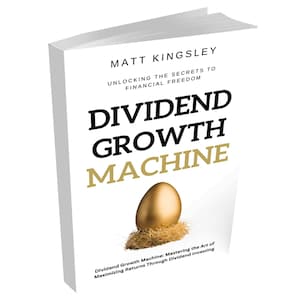
Digital download
Dividend Growth Machine,Tax-Free Wealth,Family Wealth,Estate Planning,Wealth Building,Tax Strategy,Passive Income. Contents Included
145,20 kr.
-
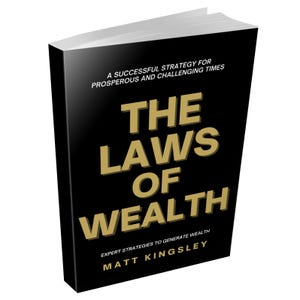
Digital download
The Laws of Wealth,Tax-Free Wealth,Family Wealth,Estate Planning,Wealth Building,Tax Strategy,Passive Income. Contents Included
145,20 kr.
-
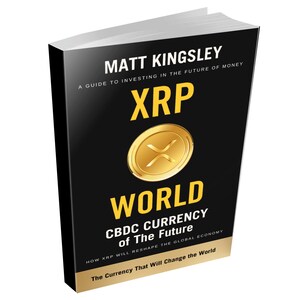
Digital download
XRP,XRP Investing,Cryptocurrency,Investing in Cryptocurrency,CBDC,Central Bank Digital Currency,xrp Guide, Financial Freedom,Wealth Building
145,20 kr.
-
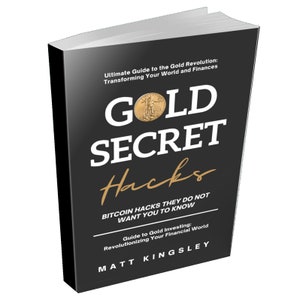
Digital download
Gold Secret Hacks Ebook: Gold Hacks They Do Not Want You To Know
145,20 kr.