




Epida es hermosa
Epida is Beautiful
Desde que tengo memoria, he estado cosiendo, bordando y acolchando. Cuando era niño, revisé todos los libros sobre esas cosas de mi biblioteca local.
En 2009, tuve la oportunidad de llevar a mi joven familia a vivir a Corea del Sur. Allí pude aprender un nuevo (para mí) arte de patchwork: pojagi. Estas técnicas de costura han existido durante miles de años e incluyen un método especial para el patchwork reversible.
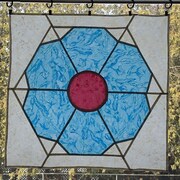
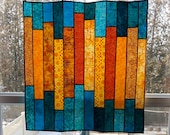
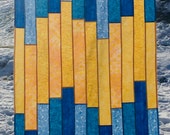
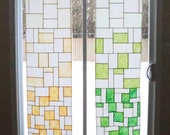
Después de regresar a Canadá, desarrollé un método para coser patchwork reversible a máquina. Yo lo llamo pojagi moderno. El resultado son colgaduras de ventanas de tela que brillan como vitrales.
Inventé el nombre "Epida" para mi estudio porque suena similar a la palabra coreana para hermoso. Es un homenaje a la hermosa forma de arte coreana y a las miles de mujeres sin nombre que la desarrollaron a lo largo de los siglos.
Estudio Epida
Hacer. Hermoso.
For as long as I can remember, I have been sewing, embroidering and quilting. As a child, I checked out every book about those things from my local library.
In 2009, I had the opportunity to take my young family to live in South Korea. There I was able to learn a new (to me) patchwork art - pojagi. These stitching techniques have been around for thousands of years and include a special method for reversible patchwork.
After returning to Canada, I developed a method to stitch reversible patchwork by machine. I call it modern pojagi. The result is fabric window hangings that glow like stained glass.
I made up the name "Epida" for my studio because it sounds similar to the Korean word for beautiful. It is a tribute to the beautiful Korean art form and the thousands of unnamed women who developed it over the centuries.
Epida Studio
Make. Beautiful.
