


Built by Ford Enthusiasts, for Ford Enthusiasts
KASL Customs was born from a passion for Ford performance, classic Foxbody Mustangs, and the challenge of keeping iconic vehicles on the road. What started as a hobby designing parts for personal projects quickly grew into a mission to help fellow enthusiasts find solutions for hard-to-source, discontinued, or custom automotive components.
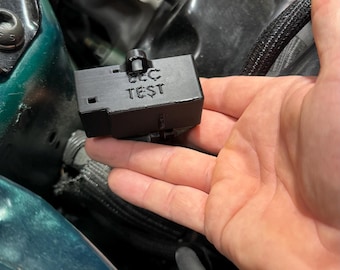
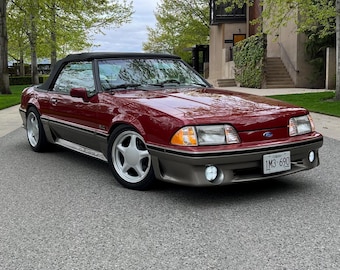
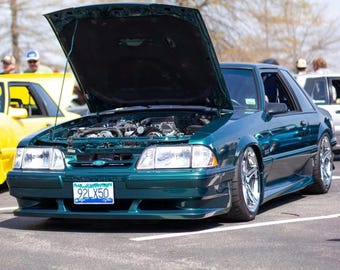
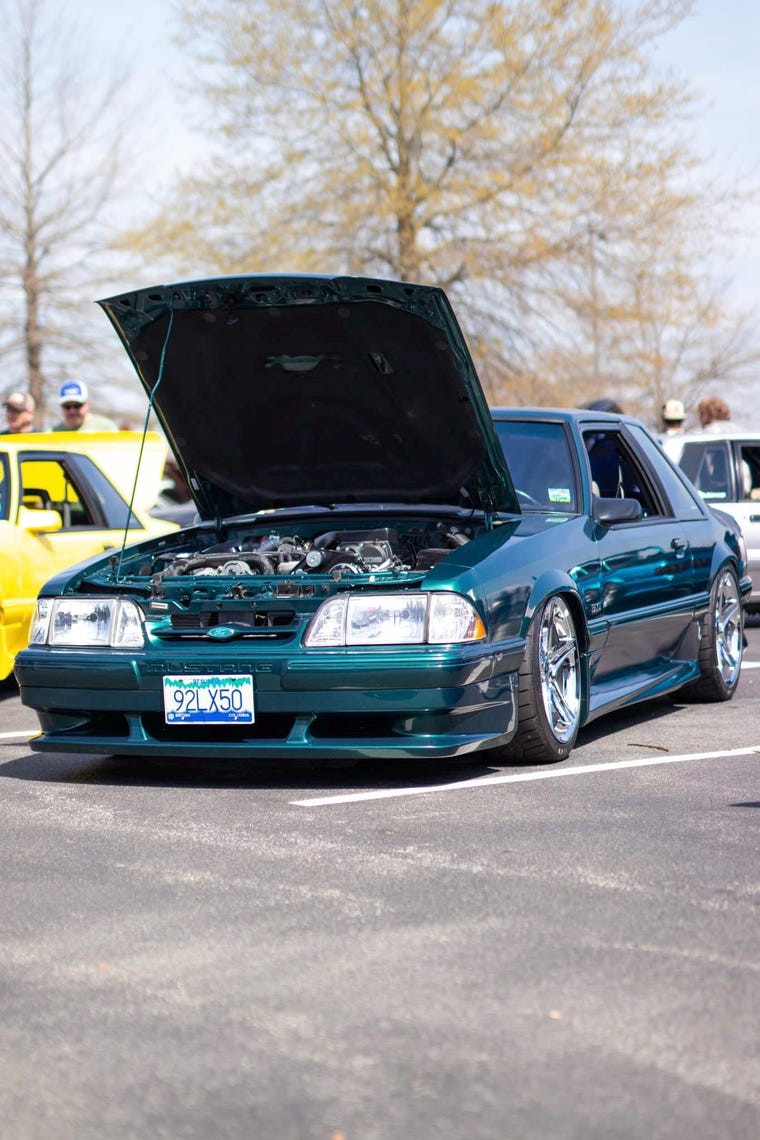
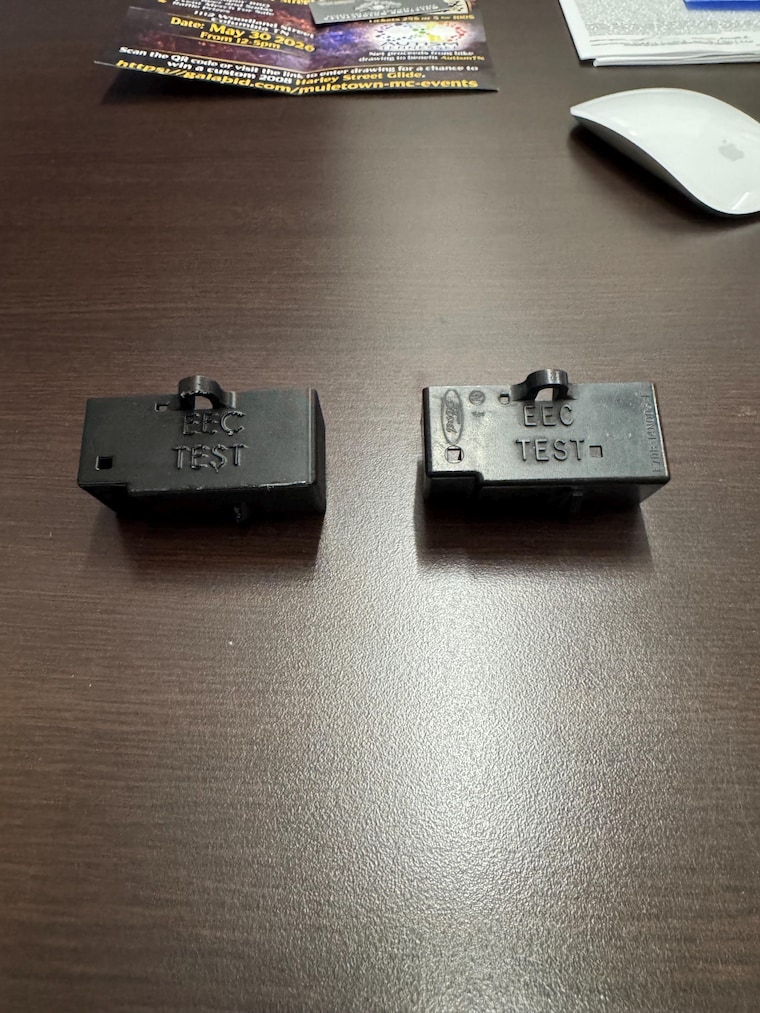
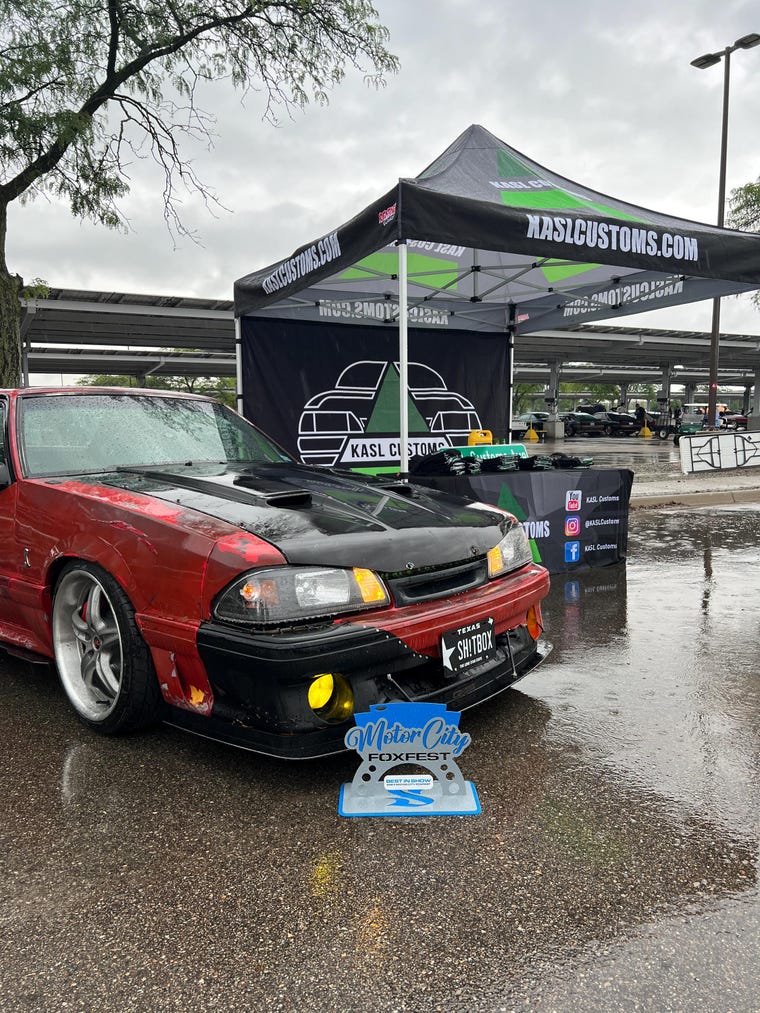
As Foxbody Mustang owners ourselves, we understand the frustration of searching for parts that Ford stopped producing decades ago. Rather than settling for worn-out used components or expensive custom fabrication, we turned to modern 3D design and manufacturing technology to create high-quality replacement and upgrade parts tailored specifically for 1979-1993 Foxbody Mustangs and other beloved Ford vehicles from the 1980s and 1990s. KASL Customs' founder has documented designing and manufacturing custom 3D-printed parts for personal Foxbody Mustangs, including a 1992 LX Notchback and a 1991 GT Convertible, using those vehicles as development platforms for new products.
Every product begins with careful research, design, and real-world testing. From interior upgrades and mounting solutions to hard-to-find trim pieces and custom accessories, our goal is to create parts that fit properly, function reliably, and help preserve the vehicles that shaped an entire generation of automotive enthusiasts. The Foxbody community has increasingly embraced 3D-printed solutions for replacement clips, brackets, gauge mounts, cup holders, and other discontinued components that are difficult to source today.
At KASL Customs, we're more than just a parts supplier—we're enthusiasts building products for other enthusiasts. Every design is created with the same attention to detail and passion that we put into our own vehicles. Whether you're restoring a weekend cruiser, building a show car, or simply looking for a better solution than what's currently available, we're proud to help keep these classic Fords alive for future generations.
Because some cars are more than transportation—they're part of who we are.