Il papiro è la mia tela
Papyrus is my canvas
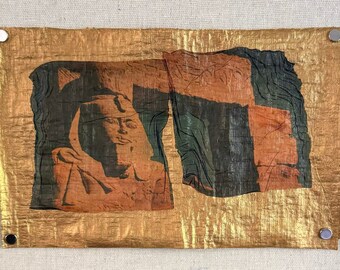
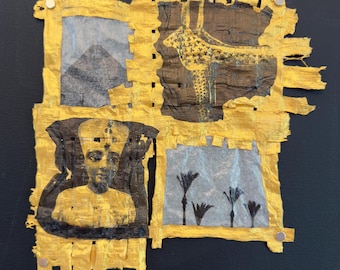
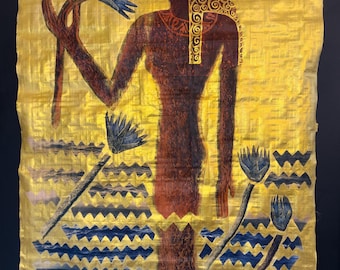
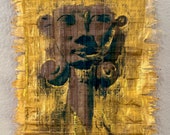
Il mio lavoro è innanzitutto la celebrazione degli aspetti eterei della vita attraverso la fotografia, la tecnica mista e il collage. Sono affascinato dal mondo antico e desidero rendere omaggio al modo in cui lo percepiamo nell'arte contemporanea, sullo sfondo dei social media e delle tecnologie dell'informazione.
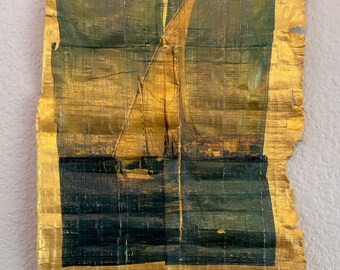
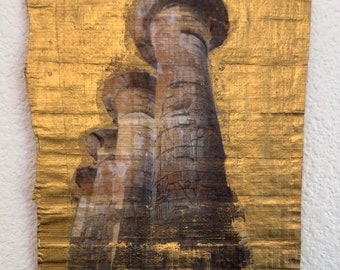
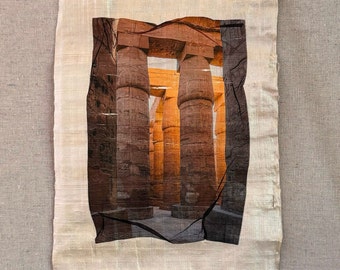
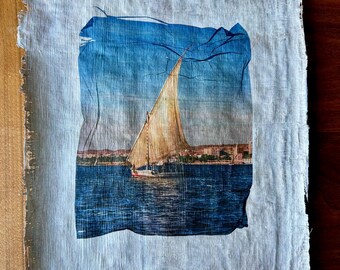
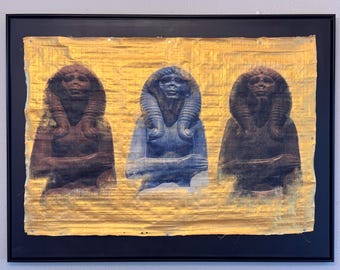
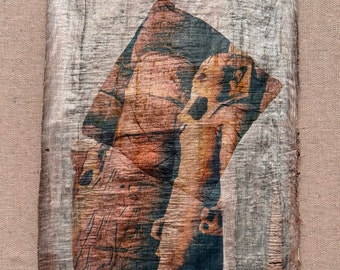
Avevo dieci anni quando visitai l'Egitto per la prima volta e scoprii il papiro. Lo vidi appeso alle pareti del Museo Egizio e desiderai tenerlo tra le mani e sentirne le pieghe, la consistenza e la forma. Le vivide raffigurazioni di dei, faraoni e della vita quotidiana esposte sul papiro portavano con sé storie di un mondo scomparso da tempo, ma che pulsavano ancora dentro di me. Volevo dipingerci sopra e sentirne il colore. Il papiro, come superficie, rappresenta per me l'umanità. Tenere in mano un foglio di papiro è come toccare la storia stessa. Devo rispettarne la fragilità e la resilienza e onorare il passato con gli occhi del presente. Per me il papiro è più di un semplice manufatto: è un simbolo della creatività umana e del potere duraturo della narrazione.
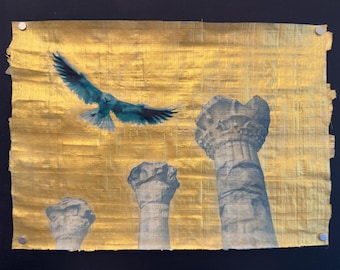
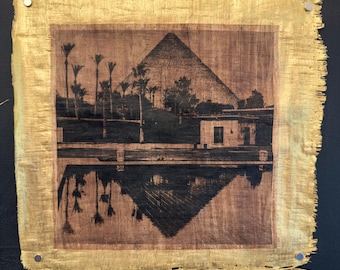
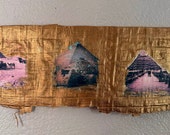
A differenza degli scribi del passato, ho scelto la macchina fotografica invece del pennello e di processi fotografici alternativi come metodo. Il processo della cianotipia è significativo per me perché è stato utilizzato nel XIX secolo per documentare esemplari di alghe e alghe marine, affettuosamente conosciuti come "fiori del mare". Anna Atkins ha unito arte e scienza per creare immagini straordinarie di piante e organismi marini che non sarebbero sopravvissuti alla conservazione fuori dall'acqua.
La mia storia parla di preservare la vita e la morte, umane e non solo. Invito lo spettatore a celebrare il potere senza tempo e resiliente che risiede in ognuno di noi: il potere di ridere, di rimanere curiosi, di affrontare la paura, di sopportare il dolore e, soprattutto, di amare.
My work is first and foremost about celebrating the ethereal aspects of all life through photography, mixed media and collage. I'm fascinated with the ancient world and want to honor how we view it in contemporary art against the backdrop of social media and information technology.
I was ten years old when I first visited Egypt and discovered papyrus. I saw it hanging on the walls at the Egyptian museum and wanted to hold it in my hands and feel its folds, texture and form. The vibrant depictions of gods, pharaohs, and daily life displayed on papyrus carried stories from a world long gone, but still pulsed within me. I wanted to paint on it and feel the color. Papyrus as a surface represents humanity for me. Holding a sheet of papyrus feels like touching history itself. I must respect its fragility and resilience and honor the past through present eyes. Papyrus is more than just an artifact to me; it is a symbol of human creativity and the enduring power of storytelling.
Unlike the scribes of the past, I've chosen a camera instead of a brush and alternative photographic processes as my method. The Cyanotype process is meaningful to me because of its use in documenting seaweed and algae specimens in the 19th century affectionately known as 'flowers of the sea'. Anna Atkins blended art and science to create stunning images of plant and sea life that couldn't survive preservation out of the water.
My story is about preserving life and death, human and beyond. I invite the viewer to celebrate the timeless and resilient power that resides within each of us—the power to laugh, to remain curious, to confront fear, to endure pain, and, above all, to love.