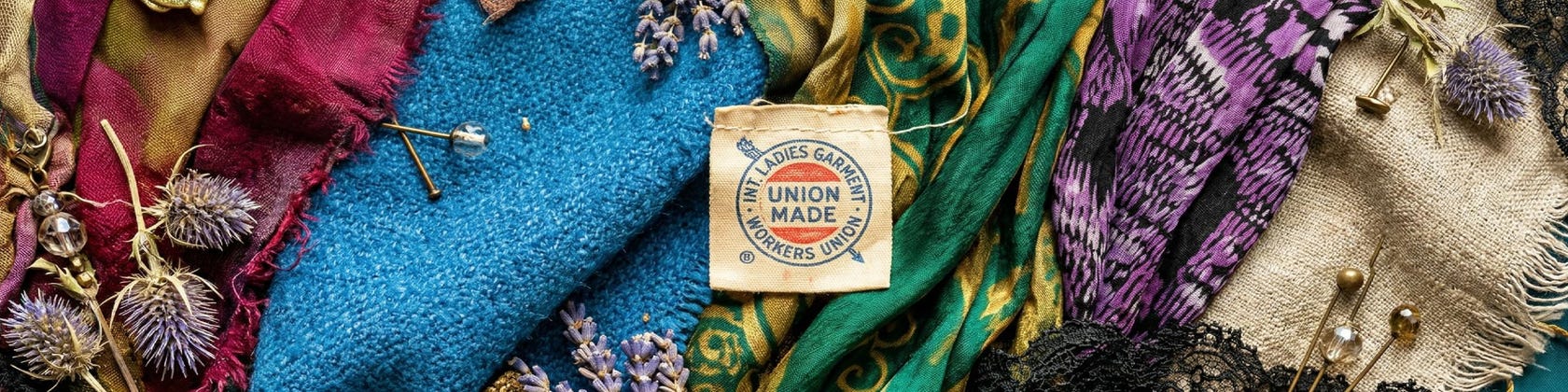


Een circulaire economie vormgeven: de fast fashion-crisis bestrijden, kledingstuk voor kledingstuk.
Curating a Circular Economy: Fighting the Fast Fashion Crisis One Garment at a Time
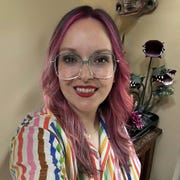
Hallo, ik ben Libby, de oprichtster van Retro Libby. Het grootste deel van mijn carrière heb ik in een standaard kantoorbaan gewerkt, maar mijn ware passies zijn altijd kunst, mode en milieubescherming geweest. Met een bachelor in de beeldende kunst, met als specialisatie schilderkunst, heb ik onlangs Retro Libby opgericht als nevenactiviteit om die passies te combineren en actief bij te dragen aan een circulaire economie.
Als merk geloof ik in radicale transparantie met betrekking tot de kledingindustrie. De mode-industrie is momenteel een van de meest vervuilende industrieën ter wereld en produceert naar schatting 92 miljoen ton textielafval per jaar. De milieukosten van het produceren van nieuwe kleding zijn enorm; zo is er bijvoorbeeld bijna 2400 liter water nodig om slechts één nieuwe spijkerbroek te produceren.
Gedreven door het fast fashion-model koopt de gemiddelde Amerikaan tegenwoordig zo'n 68 kledingstukken per jaar – vijf keer zoveel als in de jaren 80. Het simpelweg doneren van oude kleding aan kringloopwinkels is niet de perfecte oplossing die we vaak denken. Door de enorme hoeveelheid goedkope kleding worden er wekelijks miljoenen artikelen geëxporteerd, die zich ophopen en het milieu vervuilen in gebieden zoals de Atacama-woestijn in Chili of de kusten van Ghana.
De vezelcrisis
Een groot deel van deze afvalcrisis komt voort uit de vezels die we dragen. In 1975 maakten synthetische stoffen slechts 30% van de wereldwijde vezelmarkt uit, maar tegenwoordig is dat percentage gestegen tot bijna 70%. Materialen zoals polyester zijn op aardolie gebaseerde kunststoffen die er 20 tot 200 jaar over doen om af te breken. Erger nog, het wassen van deze synthetische kledingstukken brengt microplastics in ons water terecht. Naar schatting komt er jaarlijks 500.000 ton microvezels via onze was in de oceaan terecht, wat gelijk staat aan het dumpen van 50 miljard plastic flessen in zee.
Een toelichting op veganisme en dierlijke vezels
Als veganist zijn mijn persoonlijke ethische principes nauw verbonden met zowel dierenwelzijn als de bescherming van de aarde. Het is een feit dat de industriële veehouderij het milieu op vele vlakken zwaar vervuilt en schaadt. Daarom vraag je je misschien af waarom ik ervoor kies om vintage kledingstukken van dierlijke vezels zoals wol, zijde of leer te verzamelen en te verkopen. Voor mij betekent echte duurzaamheid het voorkomen van afval. Deze kledingstukken bestaan al. Door ze te redden, te repareren en in een circulaire economie te houden, geloof ik dat we het offer van het dier eren en ervoor zorgen dat hun materialen met respect worden behandeld in plaats van achteloos op een vuilnisbelt te belanden.
De kracht van vintage
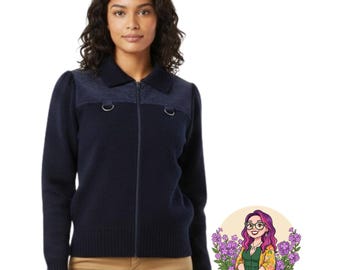
Dit is precies waarom ik zo gepassioneerd ben over het redden van vintage mode en het behoud van natuurlijke vezels. Decennia geleden werd kleding gemaakt met het oog op een lange levensduur, met gebruik van hoogwaardigere materialen en doordachte constructietechnieken. De hedendaagse fast fashion bespaart kosten door goedkoper katoen te mengen met plastic elastaan (spandex). Hoewel stretchdenim in eerste instantie comfortabel aanvoelt, verminderen die plastic vezels de treksterkte van de stof, waardoor de jeans veel sneller slijten en scheuren. Je ziet deze kwaliteitsvermindering overal terug: een vintage trui uit de jaren 90 was vaak gemaakt van 100% ademende wol met metalen knopen, terwijl een modern equivalent meestal van 100% polyester is en helemaal geen knopen heeft.
Mijn inzet voor een circulaire economie
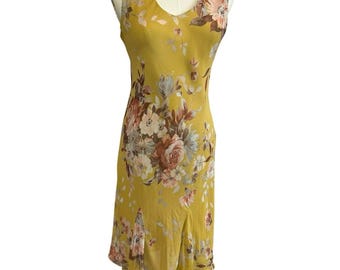
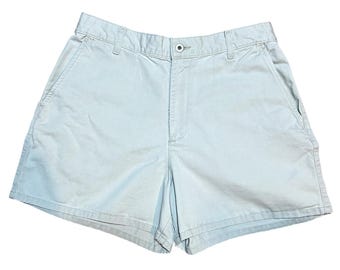
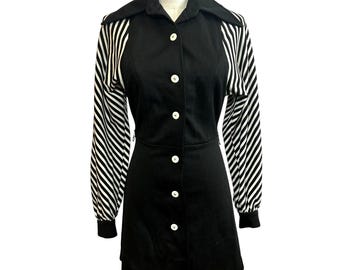
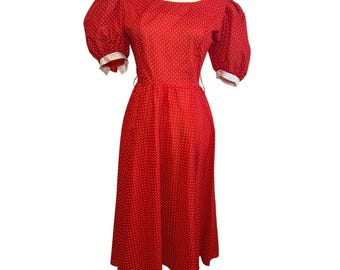
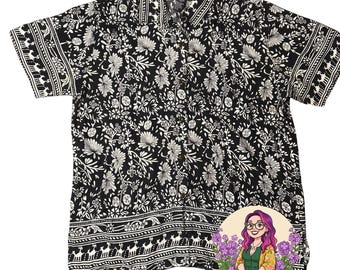
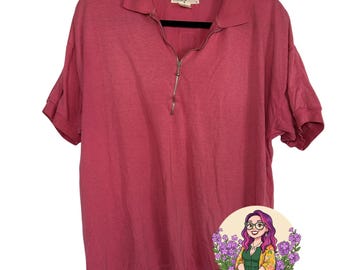
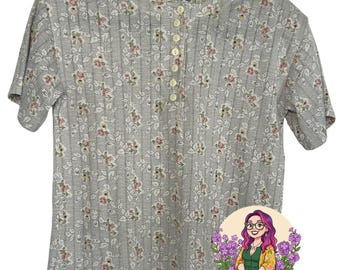
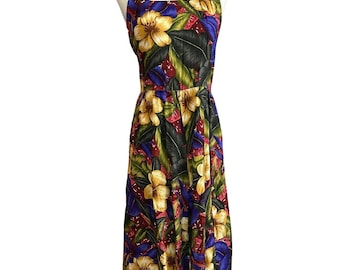
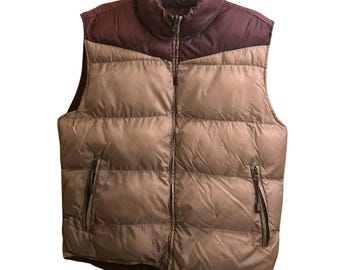
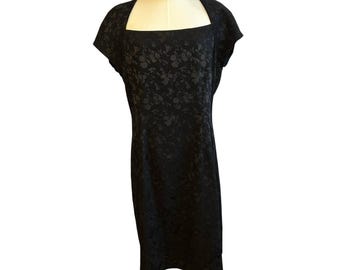
Ik wil de mode-industrie duurzaam houden door deze hoogwaardige kledingstukken te redden en ze een tweede leven te geven. Ik behandel kleding als draagbare kunst en neem de tijd om elk stuk dat ik vind te repareren en op te frissen. Door losse draden zorgvuldig af te knippen, de randen netjes af te werken en de nodige reparaties uit te voeren, streef ik ernaar de levensduur van deze kledingstukken te verlengen en ze aan u aan te bieden in een staat die zo goed als nieuw is.
Mijn streven naar een groene bedrijfsvoering strekt zich uit tot de manier waarop uw artikelen worden verpakt en verzonden. Traditionele verzendmaterialen genereren enorm veel plastic afval, daarom gebruik ik uitsluitend milieuvriendelijke verpakkingen om te voorkomen dat plastic voor eenmalig gebruik op de vuilstort belandt. Uw bestellingen worden verzonden in composteerbare enveloppen en ik doe er alles aan om kartonnen dozen zoveel mogelijk te hergebruiken en te upcyclen om onze ecologische voetafdruk te verkleinen.
Bedankt dat je tweedehands hebt gekocht en voor duurzaamheid hebt gekozen! — Retro Libby
Hi, I am Libby, the creator behind Retro Libby. For most of my career, I have worked in a standard corporate job, but my true passions have always been art, fashion, and protecting our environment. With a Bachelors of Fine Arts emphasizing in painting, I recently launched Retro Libby as a side business to bring those passions together and actively participate in a circular economy.
As a brand, I believe in radical transparency regarding the clothing industry. The fashion industry is currently one of the most pollutive industries in the world, generating an estimated 92 million tons of textile waste annually. The environmental cost of producing new clothing is staggering; for instance, it takes nearly 2,400 gallons of water just to manufacture a single new pair of jeans.
Driven by the fast fashion model, the average American now purchases around 68 pieces of clothing every year—five times more than we did in the 1980s. Simply donating our old clothes to thrift stores is not the perfect solution we often think it is. Because of the overwhelming volume of cheap garments, millions of items are exported every single week, piling up and polluting environments in places like the Atacama Desert in Chile or the shores of Ghana.
The Fiber Crisis
A huge part of this waste crisis comes down to the actual fibers we are wearing. In 1975, synthetic fabrics made up only 30% of the global fiber market, but today, that number has skyrocketed to nearly 70%. Materials like polyester are petroleum-based plastics that can take anywhere from 20 to 200 years to decompose. Even worse, washing these synthetic garments releases microplastics into our waterways. An estimated 500,000 tons of microfibers enter the ocean each year from our laundry, which is the equivalent of dumping 50 billion plastic bottles into the sea.
A Note on Veganism and Animal Fibers
As a vegan, my personal ethics are deeply tied to both animal welfare and protecting the earth. It is a reality that industrial animal farming is heavily polluting and harmful to the environment on many levels. Because of this, you might wonder why I choose to source and sell vintage garments made from animal fibers like wool, silk, or leather. For me, true sustainability means preventing waste. These garments already exist. By rescuing these pieces, mending them, and keeping them in a circular economy, I believe we are honoring the sacrifice of the animal and ensuring their materials are respected rather than carelessly tossed into a landfill.
The Power of Vintage
This is exactly why I am so passionate about rescuing vintage fashion and preserving natural fibers. Decades ago, clothing was manufactured with longevity in mind, using higher-quality materials and thoughtful construction techniques. Today's fast fashion cuts costs by using cheaper cotton mixed with plastic elastane (spandex). While stretch denim might feel comfortable initially, those plastic fibers actually reduce the fabric's tensile strength and cause the jeans to break down and tear much faster. You can see this degradation in quality across the board—a vintage sweater from the 1990s was often made of 100% breathable wool with metal buttons, while a modern equivalent is usually 100% polyester with no buttons at all.
My Commitment to a Circular Economy
I want to keep fashion sustainable by rescuing these superior garments and giving them a second life. I treat clothing like wearable art, taking the time to mend and refresh each piece I source. By carefully clipping off loose threads, cleaning up the edges, and making necessary repairs, I strive to extend the life cycle of these garments and offer them to you in a condition that is as close to like-new as possible.
My commitment to a green business extends to how your items are packaged and shipped. Traditional shipping materials generate an enormous amount of plastic waste, so I strictly use environmentally friendly packaging to keep single-use plastics out of our landfills. Your orders will arrive in compostable mailers, and I make a massive effort to reuse and upcycle cardboard boxes whenever I possibly can to reduce our overall carbon footprint.
Thank you for shopping secondhand and choosing sustainability! — Retro Libby
