








About me and Hana
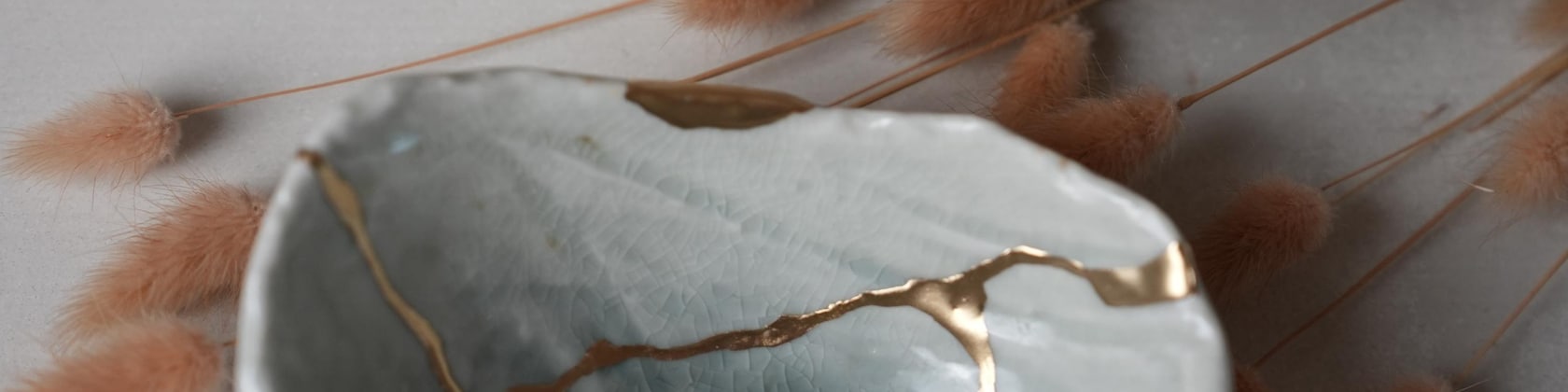
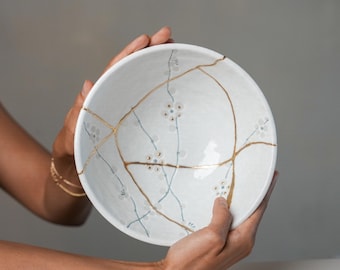
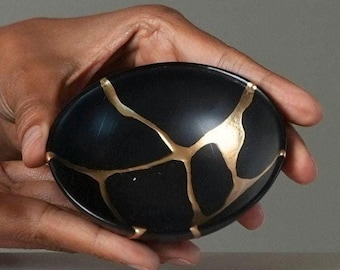
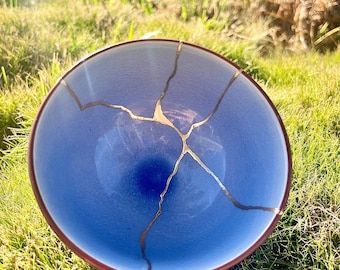
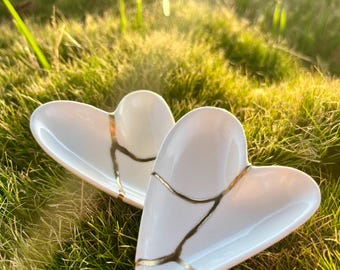
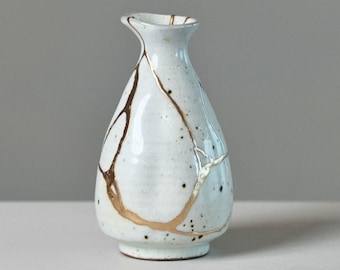
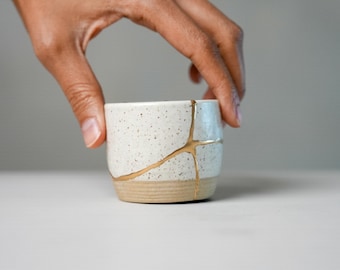
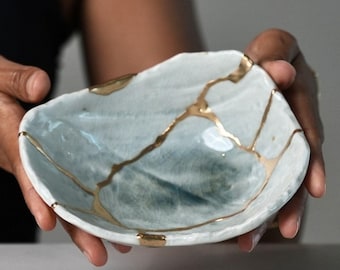
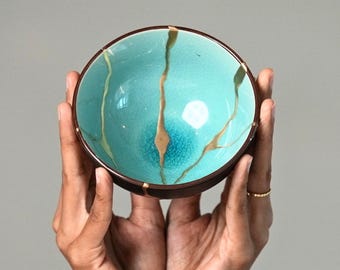
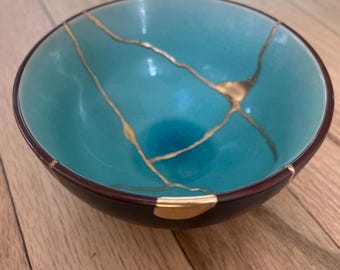
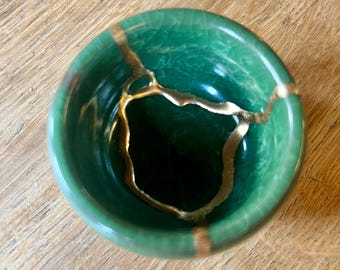
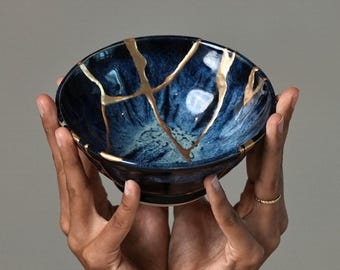
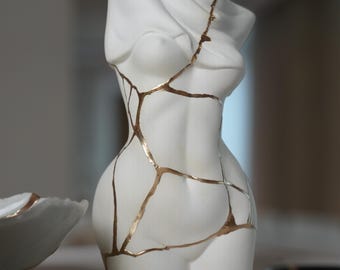
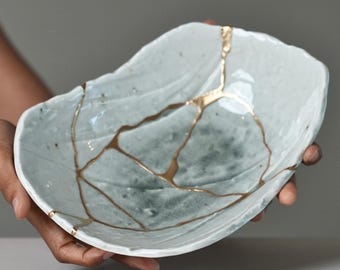
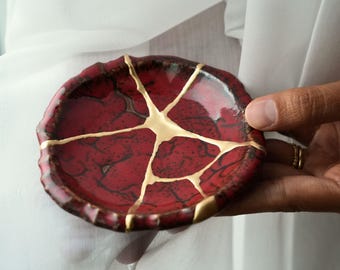
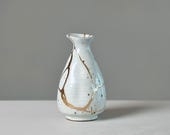
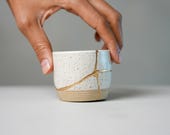
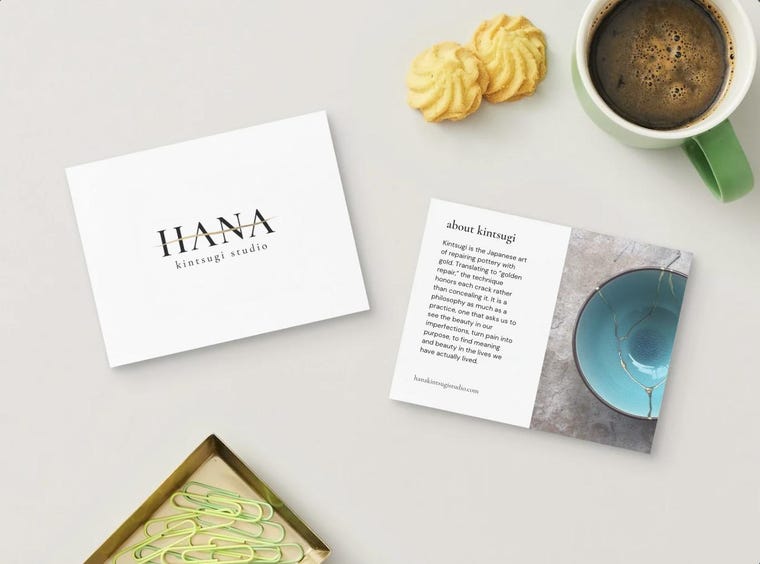
Studio Hana gives damaged and broken objects a second life through kintsugi, the Japanese art of repairing pottery with gold. In a culture quick to discard what's broken, we offer an alternative: honoring an object's history and turning the cracks into its most beautiful feature. We restore sentimental pieces and craft custom creations designed as thoughtful gifts, each carrying a simple message of resilience: our scars aren't something to hide. They make us stronger, and can transform us into the most beautiful version of ourselves.
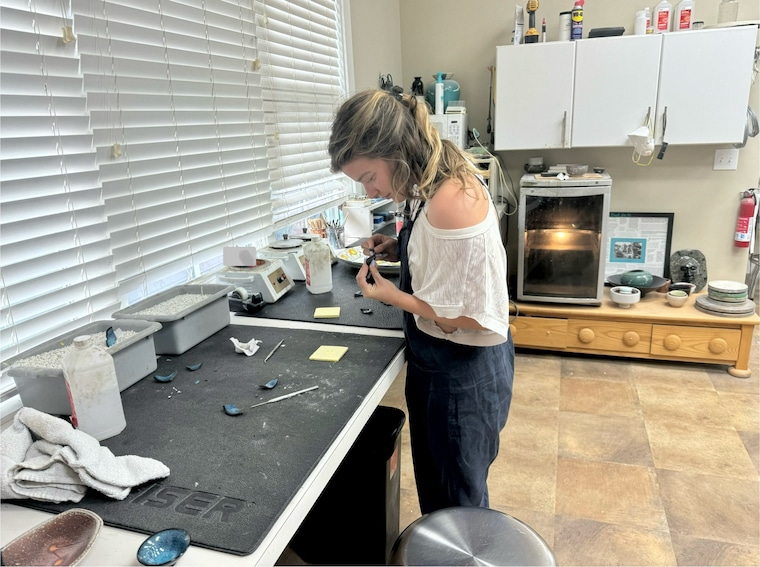
I was trained at Lakeside Pottery, a nationally recognized leader in ceramic restoration and Kintsugi repair.
This shop is dedicated to Hanna, my radiant late grandmother, whose light uplifted so many. Her name carries beautiful meaning across cultures - grace in Hebrew, hope in Kurdish, craft in Hawaiian. Through her memory, and the wisdom of kintsugi, I create pieces that honor the broken, celebrate resilience, and remind us that our scars are sacred.
FAQs
What kinds of damage can be fixed with Kintsugi?
➣ Cracks, chips, or missing pieces can often be restored, though extremely fragile shards may not always be repairable.
What method do you use?
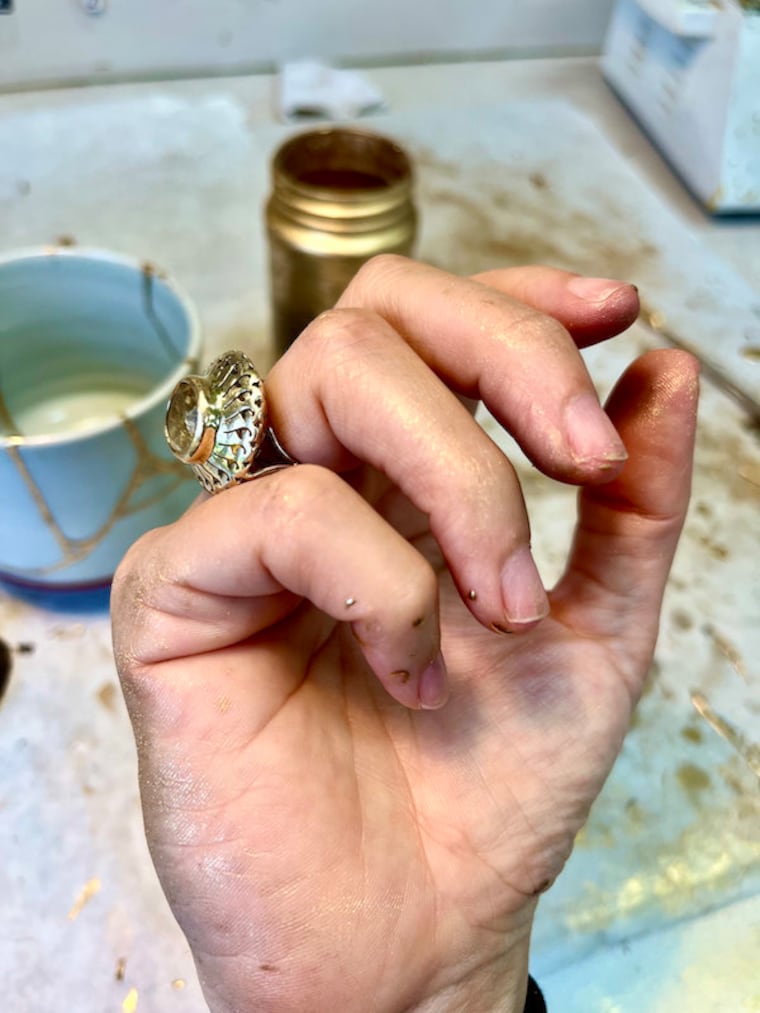
➣ I use a modern Kintsugi method that combines a brass-based powder and epoxy to create a finish that is visually very close to real gold at a more affordable price
Is it food safe?
➣ Epoxy-based Kintsugi is not food-safe, so best for decorative use only.
How do i care for my Kintsugi art?
➣ If cleaning is needed, use a damp cloth and aply gently without scrubbing. Avoid temperatures above 150 degrees Farenheit and sunlight to prevent colors from fading.
What does Kintsugi translate to?
➣ In Japanese Kintsugi translates to "'golden joinery'" or 'golden repair. It physical practice is a metaphor for rebirth, healing and the Wabi-sabi philosophy of the beauty of imperfection. It can also symbolize resilience, renewal, and embracing flaws as part of an object''s beauty and history.
