
















Die Evolution von Tapdoodle
The Evolution of Tapdoodle
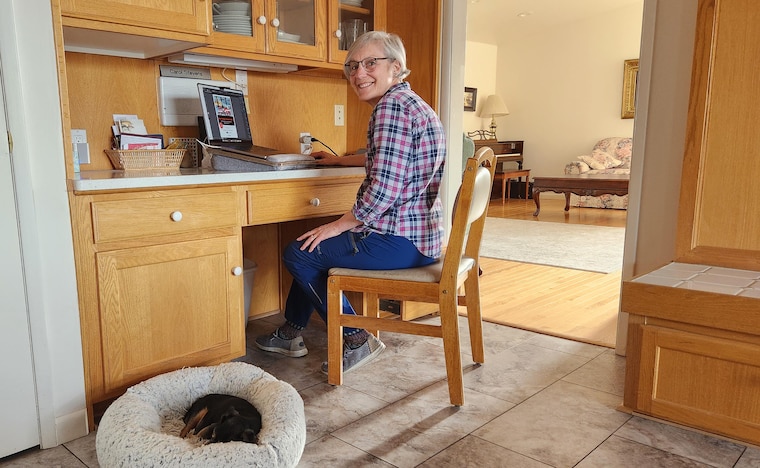
Hallo, ich heiße Carol und bin digitale Künstlerin – allerdings begann meine Karriere nicht so. Im letzten Studienjahr war ich mir unsicher, welches Medium ich verwenden oder welchen Stil ich entwickeln sollte. Als ich das Kinderbuch „Warum Mücken in den Ohren summen“ entdeckte, inspirierten mich die Illustrationen von Leo und Diane Dillon dazu, meine Stifte beiseite zu legen und etwas Neues auszuprobieren.
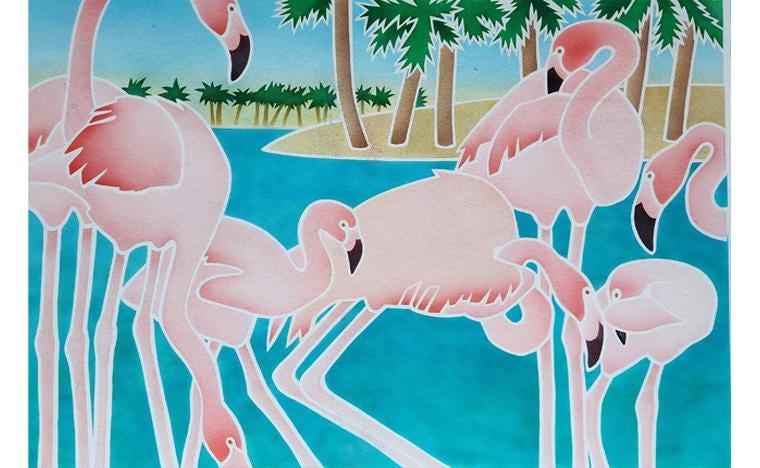
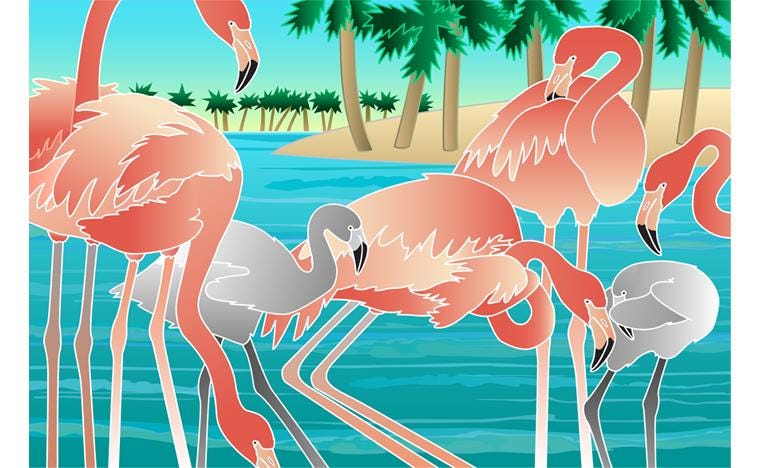
Die erste Flamingo-Illustration in meiner Diashow (nach 45 Jahren stark verblasst) entstand in dieser Zeit. Ich erstellte das Original, indem ich die Formen auf Transparentpapier übertrug und ausschnitt, um eine Schablone herzustellen. Mit einem Gerät, das Luft durch eine Markerspitze presste, besprühte ich die ausgeschnittenen Formen mit der Airbrush. Kurze Zeit später kamen Computer auf den Markt, und ich habe es nie bereut.
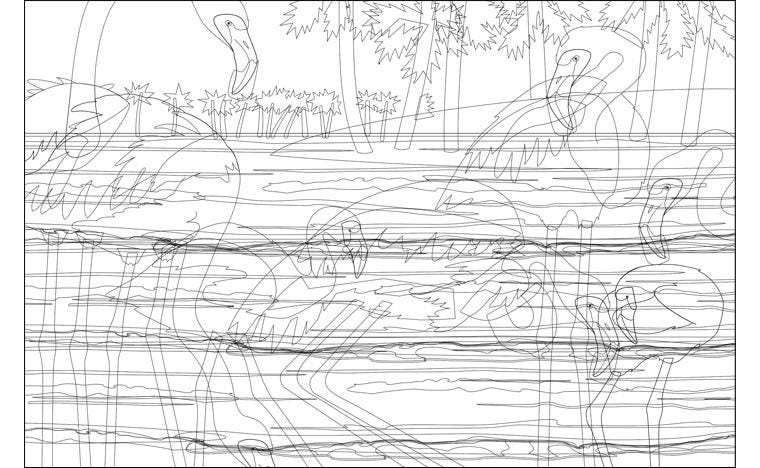
Kürzlich habe ich mein Originalkunstwerk digitalisiert. Die nächste Folie zeigt die Vektorlinien, die ich mit der Maus gezeichnet habe, um das Endergebnis zu erzielen.
Mit einem Bachelor of Fine Arts in Illustration und fünf eigenen Kindern waren meine kreativen Jahre zwar unregelmäßig, aber dennoch erfüllend. Nachdem ich zehn Bücher für die WantsToBe-Reihe illustriert und zwölf Jahre (und es werden noch mehr) die Technik hinter animierten E-Books perfektioniert habe, weiß ich, wie man digitale Welten erschafft, die den Betrachter fesseln. Der Name Tapdoodle leitet sich übrigens genau von diesem Konzept ab – durch Tippen auf den Bildschirm werden Animationen und Soundeffekte ausgelöst.
Ich entwickle gerade aus meinem Katalog mit Hunderten von Illustrationen praktische Werkzeuge für Sie. Tapdoodle konzentriert sich auf:
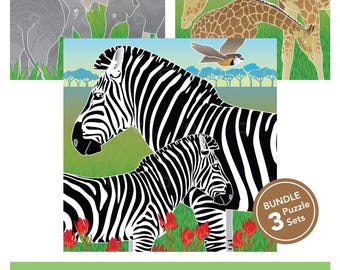
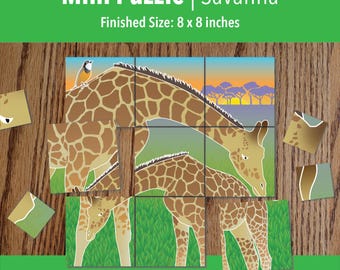
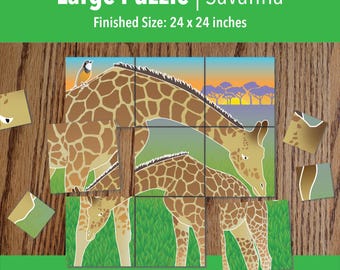
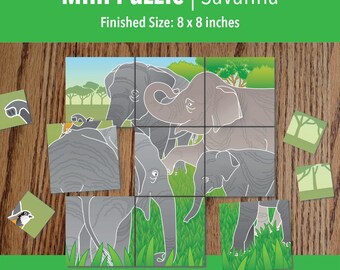
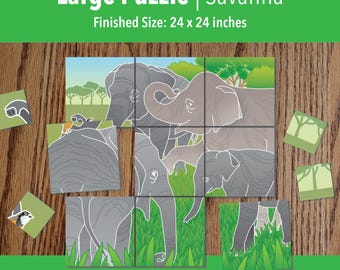
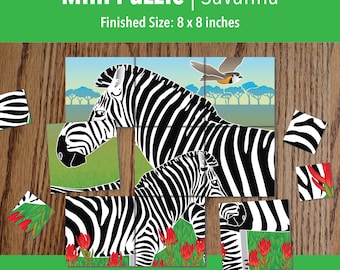
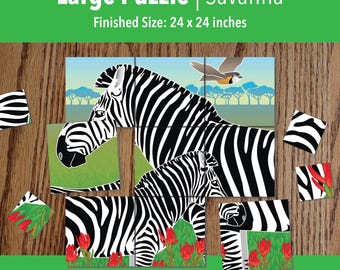
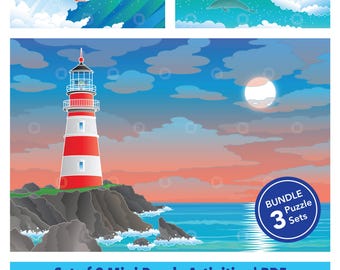
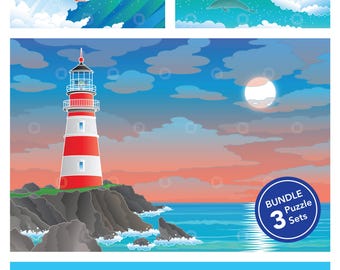
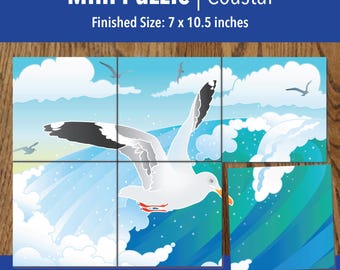
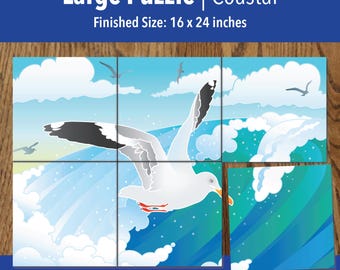
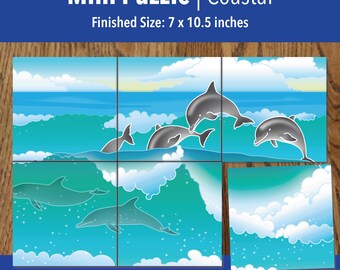
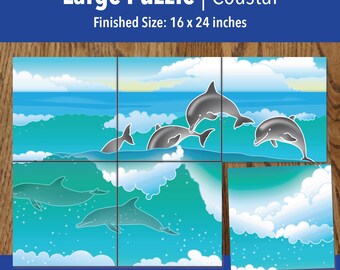
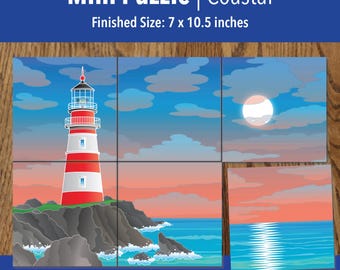
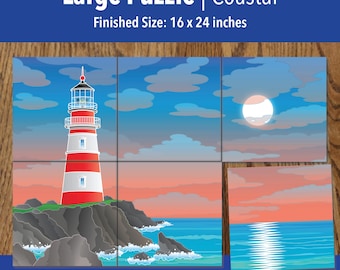
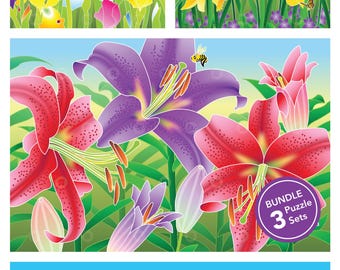
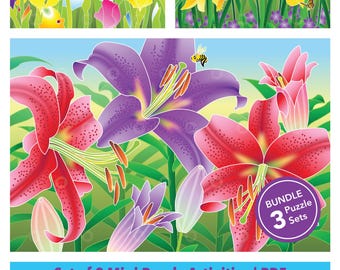
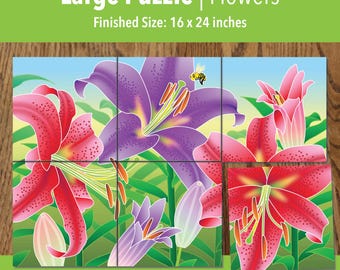
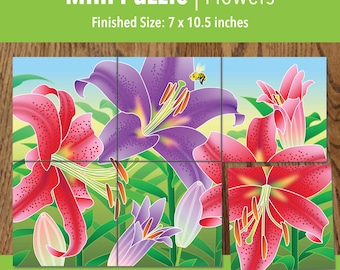
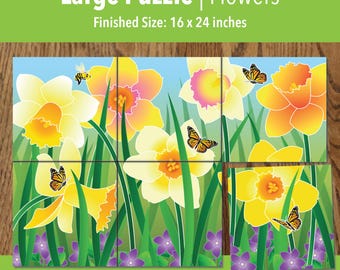
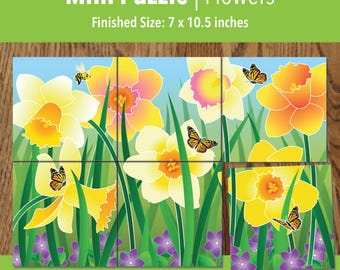
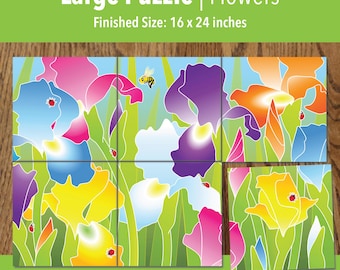
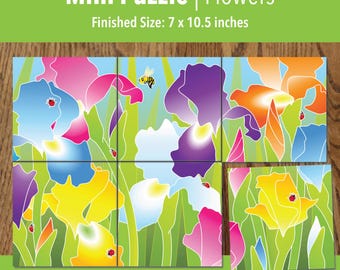
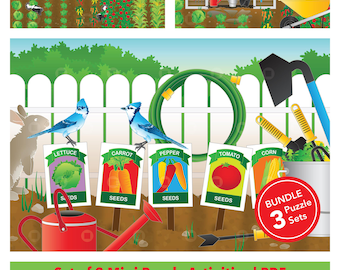
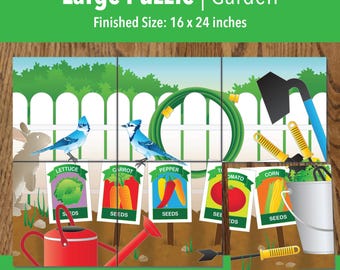
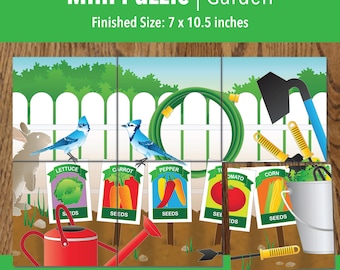
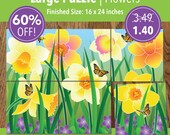
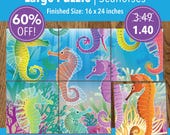
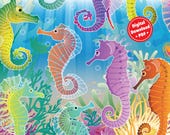
• Adaptive Puzzles: Kontrastreiche Designs, die mit dem Benutzer mitwachsen und flexible Schwierigkeitsstufen bieten. Diese sind speziell darauf ausgelegt, sowohl für ältere Menschen mit Demenz als auch für Kinder respektvoll, würdevoll und ansprechend zu sein.
• Fantasiebasierte Aktivitäten: Ansprechende, ausdruckbare Arbeitsblätter – wie das durcheinandergebrachte Tieralphabet – die zum Geschichtenerzählen und kreativen Entdecken anregen.
• Lebendige, funktionale Kunst: Stücke, die mit hoher Sichtbarkeit, außergewöhnlicher visueller Klarheit und klaren Konturen entworfen wurden, um als leicht zugängliche Werkzeuge zur Erkundung zu dienen.
Ich hoffe, meine Kunst bringt ein Gefühl von Farbe, Konzentration und Verbundenheit in Ihre Welt.
P.S. Ich betreibe außerdem einen Schwestershop auf Etsy namens Simpatterns – schaut doch mal vorbei und sagt dort auch hallo!
WAS AKTIVITÄTSLEITER SAGEN:
• „Ich habe das gerade ausgedruckt und möchte mich bedanken! Das ist eine wunderschöne Arbeit!“ — A.D.
• „Meine Bewohner lieben die Puzzles!!! So einfach für Alzheimer-Patienten.“ — A.V.
• „Eine Teilnehmerin benötigt viel Anleitung, aber sie betrachtet gerne die Farben. Sie sind robust und lassen sich gut anfassen … und das Puzzle hält gut.“ – A.V.
• „Die sehen toll aus, einfach und nicht zu kompliziert. Ich würde sie gerne mit meinen Bewohnern im Pflegeheim für Demenzkranke ausprobieren.“ — E.D.
Hi, my name is Carol and I am a digital artist—however, my career didn’t start that way. As a college student in my final year, I was unsure of what medium I would use or what direction my “style” would take. When I became acquainted with the children’s picture book, Why Mosquitoes Buzz in People’s Ears, the illustrations of Leo and Diane Dillon inspired me to put away my pencils and try something different.
The first flamingo illustration in my slideshow (very faded after 45 years) is a result of that shift. I created that original piece by transferring the shapes onto tracing paper and cutting them out to make a mask. Using a unit that forced air through a marker tip, I airbrushed the cut-out shapes. Not long after that, computers became available, and I never looked back.
Recently, I took my original art and created a digital version. The next slide shows the vector lines that I draw with my mouse to create the final result.
With a BFA in Illustration and five children of my own, my creative years have been both sporadic and fulfilling. After illustrating ten books for the WantsToBe series and spending 12 years (and counting) mastering the tech behind animated eBooks, I’ve learned how to create digital environments that truly draw the viewer in. In fact, the name Tapdoodle came from that very concept—tapping on a screen to launch animations and sound effects.
I am now adapting my catalog of hundreds of illustrations into hands-on tools for you. Tapdoodle is focused on:
• Adaptive Puzzles: High-contrast designs that grow with the user, featuring flexible difficulty levels. These are specifically tailored to be respectful, dignified, and engaging for both senior memory care and children.
• Imagination-Based Activities: Engaging, printable worksheets—like the Mixed-Up Animal Alphabet—that encourage storytelling and creative discovery.
• Vibrant, Functional Art: Pieces designed with high-visibility, exceptional visual clarity, and clear outlines to serve as accessible tools for exploration.
I hope my art brings a sense of color, focus, and connection to your world.
P.S. I also run a sister shop on Etsy called Simpatterns—feel free to stop by and say hello there as well!
WHAT ACTIVITY DIRECTORS ARE SAYING:
• "I just printed this out and want to say thank you! This is beautiful work!" — A.D.
• "My residents love the puzzles!!! So simple for Alzheimer's residents." — A.V.
• "One participant needs a lot of guidance, but she likes to look at the colors. They are sturdy to handle... and the puzzle is holding up." — A.V.
• "These look awesome, simple and not too complicated, would love to try with my memory care residents." — E.D.