






Lo que empezó como el síndrome del impostor se convirtió en confianza y simplificación.
What started as imposter syndrome turned into confidence and simplification.
Cuando comencé como SLP, me sentí perdido. Tenía muchos conocimientos sobre el diagnóstico y la descripción de trastornos, pero sentía que tenía muy pocos conocimientos prácticos sobre el tratamiento. Me sentí como un impostor, pero mis pacientes buscaban respuestas en mí.
Mientras sacaba materiales de terapia populares que había visto a lo largo de mi educación de posgrado, me costaba ver cómo iban a mejorar significativamente la función de mi paciente. Comencé a profundizar en la investigación y las CEU, y seguí descubriendo que mis sospechas eran correctas.
Durante los últimos siete años, he pasado innumerables horas aprendiendo cómo aplicar principios basados en evidencia a la forma en que llevo a cabo mi terapia. Metas INTELIGENTES que realmente se aplican a la vida real de mis pacientes en lugar de a las ambiguas. Sesiones de terapia que se centran en desarrollar estrategias para las necesidades reales de participación de mis pacientes en lugar de listas aleatorias de palabras y hojas de trabajo. Y ahora, no sólo tengo confianza en mis conocimientos y habilidades, sino que también he visto a mis pacientes tener momentos de iluminación una y otra vez con estos métodos.
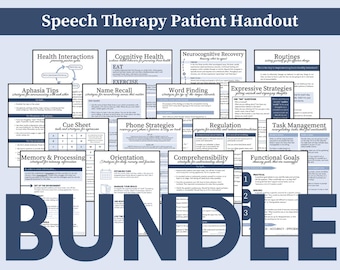
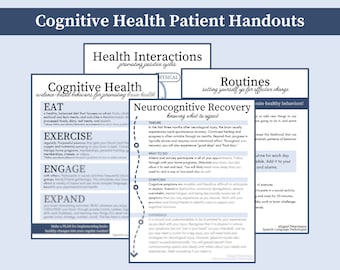
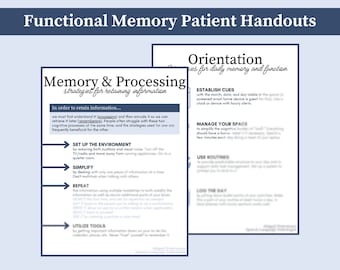
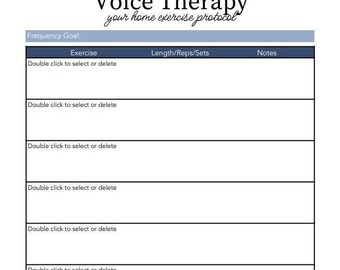
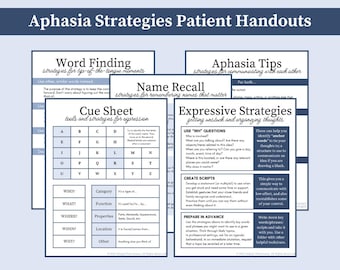
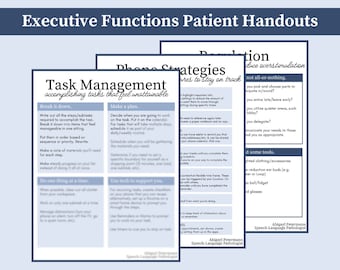
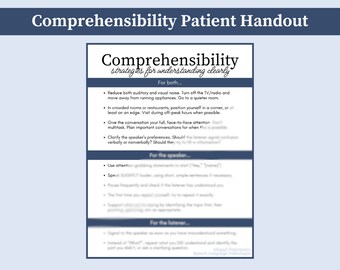
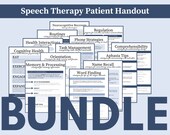
Me encontré diciendo las mismas cosas una y otra vez, pero la mayoría de mis pacientes tienen algún nivel de deterioro de la memoria y necesitaban que escribieran las cosas. Las estrategias que parecen ser más efectivas tienen principios similares en todos los pacientes, y los detalles son más personalizados. Así que creé estos folletos para ayudar a guiar nuestras sesiones y puedo decir honestamente que los uso todos los días.
When I first started out as an SLP, I felt lost. I had lots of knowledge about diagnosing and describing disorders, but I felt as though I had very little practical knowledge about treatment. I felt like an imposter, yet my patients were looking to me for answers.
As I pulled out popular therapy materials I had seen throughout my graduate education, I struggled to see how they were going to meaningfully improve my patient's function. I began digging deeper into research and CEUs, and kept finding that my suspicions were correct.
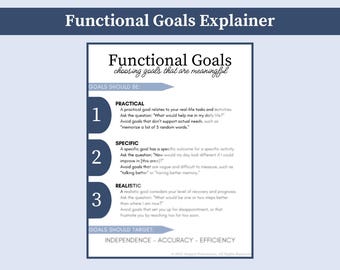
Over the past seven years, I have spent countless hours learning how to apply evidence-based principles to how I conduct my therapy. SMART goals that actually apply to my patients' real lives instead of ambiguous ones. Therapy sessions that focus on developing strategies for my patients' real participation needs instead of random lists of words and worksheets. And now, I not only feel confident in my knowledge and skills, but I have seen my patients have lightbulb moments time and time again with these methods.
I found myself saying the same things over and over, but most of my patients have some level of memory impairment and needed things written down. The strategies that seem to be most effective have similar principles across patients, with the details being more personalized. So I created these handouts to help guide our sessions, and I can honestly say, I use them every day.