


Creare un'economia circolare: combattere la crisi del fast fashion un capo alla volta.
Curating a Circular Economy: Fighting the Fast Fashion Crisis One Garment at a Time
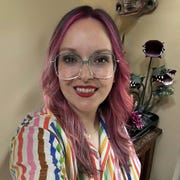
Ciao, sono Libby, la creatrice di Retro Libby. Per gran parte della mia carriera ho lavorato in un'azienda tradizionale, ma le mie vere passioni sono sempre state l'arte, la moda e la tutela dell'ambiente. Con una laurea in Belle Arti con specializzazione in pittura, ho recentemente lanciato Retro Libby come attività secondaria per unire queste passioni e partecipare attivamente a un'economia circolare.
Come marchio, credo nella trasparenza radicale per quanto riguarda l'industria dell'abbigliamento. L'industria della moda è attualmente una delle più inquinanti al mondo, generando circa 92 milioni di tonnellate di rifiuti tessili all'anno. Il costo ambientale della produzione di nuovi capi di abbigliamento è sbalorditivo; ad esempio, occorrono quasi 2.400 galloni d'acqua solo per produrre un singolo paio di jeans.
Spinto dal modello del fast fashion, l'americano medio acquista oggi circa 68 capi di abbigliamento all'anno, cinque volte di più rispetto agli anni '80. Donare semplicemente i vecchi vestiti ai negozi dell'usato non è la soluzione perfetta che spesso si crede. A causa dell'enorme quantità di capi a basso costo, milioni di articoli vengono esportati ogni settimana, accumulandosi e inquinando l'ambiente in luoghi come il deserto di Atacama in Cile o le coste del Ghana.
La crisi della fibra ottica
Gran parte di questa crisi dei rifiuti è riconducibile alle fibre stesse che indossiamo. Nel 1975, i tessuti sintetici rappresentavano solo il 30% del mercato globale delle fibre, ma oggi questa percentuale è salita vertiginosamente a quasi il 70%. Materiali come il poliestere sono plastiche derivate dal petrolio che possono impiegare dai 20 ai 200 anni per decomporsi. Ancor peggio, il lavaggio di questi indumenti sintetici rilascia microplastiche nei nostri corsi d'acqua. Si stima che ogni anno circa 500.000 tonnellate di microfibre finiscano nell'oceano a causa del bucato, l'equivalente di 50 miliardi di bottiglie di plastica gettate in mare.
Una nota sul veganismo e le fibre animali
Da vegana, la mia etica personale è profondamente legata sia al benessere degli animali che alla protezione del pianeta. È un dato di fatto che l'allevamento intensivo sia fortemente inquinante e dannoso per l'ambiente sotto molti aspetti. Per questo motivo, potreste chiedervi perché scelgo di reperire e vendere capi vintage realizzati con fibre animali come lana, seta o pelle. Per me, la vera sostenibilità significa prevenire gli sprechi. Questi capi esistono già. Recuperandoli, riparandoli e inserendoli in un'economia circolare, credo che onoriamo il sacrificio dell'animale e ci assicuriamo che i suoi materiali vengano rispettati anziché gettati in discarica senza cura.
Il potere del vintage
Ecco perché mi dedico con tanta passione al recupero della moda vintage e alla conservazione delle fibre naturali. Decenni fa, gli abiti venivano prodotti pensando alla durata nel tempo, utilizzando materiali di alta qualità e tecniche di costruzione accurate. La fast fashion odierna riduce i costi utilizzando cotone più economico mischiato con elastan (spandex) sintetico. Sebbene il denim elasticizzato possa sembrare comodo inizialmente, queste fibre sintetiche riducono la resistenza alla trazione del tessuto e fanno sì che i jeans si rovinino e si strappino molto più velocemente. Questo degrado qualitativo è evidente in tutta la linea: un maglione vintage degli anni '90 era spesso realizzato al 100% in lana traspirante con bottoni in metallo, mentre un equivalente moderno è solitamente al 100% in poliestere e senza bottoni.
Il mio impegno per un'economia circolare
Voglio contribuire alla sostenibilità della moda recuperando questi capi di alta qualità e dando loro una seconda vita. Tratto gli abiti come opere d'arte da indossare, dedicando tempo a riparare e rinnovare ogni singolo pezzo che recupero. Tagliando con cura i fili allentati, rifinendo i bordi ed effettuando le riparazioni necessarie, mi impegno a prolungare il ciclo di vita di questi capi e a offrirveli in condizioni il più possibile simili al nuovo.
Il mio impegno per un'attività ecocompatibile si estende anche al modo in cui i vostri articoli vengono imballati e spediti. I materiali di spedizione tradizionali generano un'enorme quantità di rifiuti di plastica, quindi utilizzo esclusivamente imballaggi ecocompatibili per evitare che la plastica monouso finisca nelle discariche. I vostri ordini arriveranno in buste compostabili e mi impegno al massimo per riutilizzare e riciclare le scatole di cartone ogni volta che è possibile, al fine di ridurre la nostra impronta di carbonio complessiva.
Grazie per aver scelto l'acquisto di articoli di seconda mano e la sostenibilità! — Retro Libby
Hi, I am Libby, the creator behind Retro Libby. For most of my career, I have worked in a standard corporate job, but my true passions have always been art, fashion, and protecting our environment. With a Bachelors of Fine Arts emphasizing in painting, I recently launched Retro Libby as a side business to bring those passions together and actively participate in a circular economy.
As a brand, I believe in radical transparency regarding the clothing industry. The fashion industry is currently one of the most pollutive industries in the world, generating an estimated 92 million tons of textile waste annually. The environmental cost of producing new clothing is staggering; for instance, it takes nearly 2,400 gallons of water just to manufacture a single new pair of jeans.
Driven by the fast fashion model, the average American now purchases around 68 pieces of clothing every year—five times more than we did in the 1980s. Simply donating our old clothes to thrift stores is not the perfect solution we often think it is. Because of the overwhelming volume of cheap garments, millions of items are exported every single week, piling up and polluting environments in places like the Atacama Desert in Chile or the shores of Ghana.
The Fiber Crisis
A huge part of this waste crisis comes down to the actual fibers we are wearing. In 1975, synthetic fabrics made up only 30% of the global fiber market, but today, that number has skyrocketed to nearly 70%. Materials like polyester are petroleum-based plastics that can take anywhere from 20 to 200 years to decompose. Even worse, washing these synthetic garments releases microplastics into our waterways. An estimated 500,000 tons of microfibers enter the ocean each year from our laundry, which is the equivalent of dumping 50 billion plastic bottles into the sea.
A Note on Veganism and Animal Fibers
As a vegan, my personal ethics are deeply tied to both animal welfare and protecting the earth. It is a reality that industrial animal farming is heavily polluting and harmful to the environment on many levels. Because of this, you might wonder why I choose to source and sell vintage garments made from animal fibers like wool, silk, or leather. For me, true sustainability means preventing waste. These garments already exist. By rescuing these pieces, mending them, and keeping them in a circular economy, I believe we are honoring the sacrifice of the animal and ensuring their materials are respected rather than carelessly tossed into a landfill.
The Power of Vintage
This is exactly why I am so passionate about rescuing vintage fashion and preserving natural fibers. Decades ago, clothing was manufactured with longevity in mind, using higher-quality materials and thoughtful construction techniques. Today's fast fashion cuts costs by using cheaper cotton mixed with plastic elastane (spandex). While stretch denim might feel comfortable initially, those plastic fibers actually reduce the fabric's tensile strength and cause the jeans to break down and tear much faster. You can see this degradation in quality across the board—a vintage sweater from the 1990s was often made of 100% breathable wool with metal buttons, while a modern equivalent is usually 100% polyester with no buttons at all.
My Commitment to a Circular Economy
I want to keep fashion sustainable by rescuing these superior garments and giving them a second life. I treat clothing like wearable art, taking the time to mend and refresh each piece I source. By carefully clipping off loose threads, cleaning up the edges, and making necessary repairs, I strive to extend the life cycle of these garments and offer them to you in a condition that is as close to like-new as possible.
My commitment to a green business extends to how your items are packaged and shipped. Traditional shipping materials generate an enormous amount of plastic waste, so I strictly use environmentally friendly packaging to keep single-use plastics out of our landfills. Your orders will arrive in compostable mailers, and I make a massive effort to reuse and upcycle cardboard boxes whenever I possibly can to reduce our overall carbon footprint.
Thank you for shopping secondhand and choosing sustainability! — Retro Libby
