








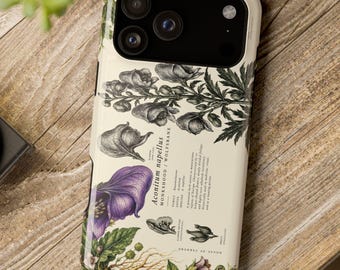


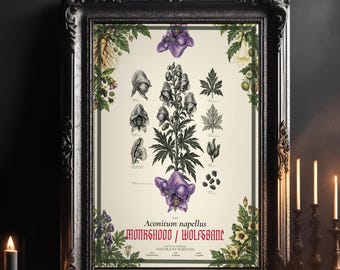
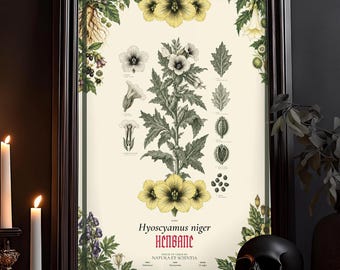
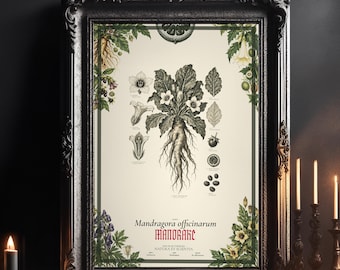
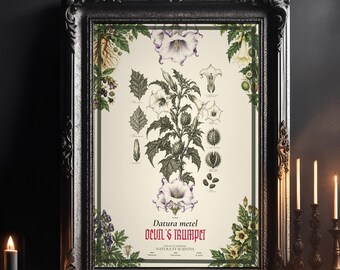
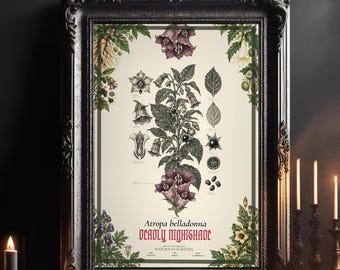


Botanische kunst voor een nieuwsgieriger wereld
Botanical art for a more curious world
IK WIL DAT DE WERELD VERLIEFD WORDT OP PLANTEN
Door te kijken naar hoe ze gebouwd zijn.
Een dwarsdoorsnede is een compositie. Een nervatuur is een tekening. De spiraal van
Een zaadkop was een ontwerpprobleem dat al lang was opgelost voordat iemand er zelfs maar aan dacht.
Noem het één ding. De meeste mensen lopen er gewoon aan voorbij.
House of Verdure bestaat om dat proces te vertragen — om de structuren die
Ze leven meestal in een leerboek en behandelen ze op dezelfde manier als in een...
Oude natuurhistorische atlas. Gegraveerd. Gestippeld. Bosinkt op warm ivoor.
Op de grond. Ingelijst en opgehangen, niet opgeborgen in een archief.
WAAR HET WERK VANDAAN KOMT
In de wetenschap vind ik de inspiratie. Anatomie, morfologie, de manier waarop een
Een blad lost een structureel probleem op, de symmetrie in een bloem waar niemand naar kijkt.
op een voldoende nauwkeurige manier — dat is het bronmateriaal.
Wat er vervolgens gebeurt, is het ontwerp. Ik componeer platen voor de balans, niet voor de
registratie. Kleur dient de ruimte. Een exemplaar wordt op de juiste manier gerangschikt.
zijn gegroeid. Deze zijn getekend in de geest van wetenschappelijke illustratie, niet
in zijn dienstbaarheid — schoonheid staat voorop, waarbij de structuur de reden is
Schoonheid is er wel degelijk.
WAT BEVAT DE COLLECTIE?
Elke plant die het waard is om eens van dichterbij te bekijken — of hij nu op de vensterbank groeit of
Diep in het bladerdak van een bos, waar niemand staat. Gekweekte kamerplanten en
hun cultivars. Wilde soorten. Vleesetende planten. Varens en nachtplanten.
bloeiers. Anatomische studies, zaadvormen, celstructuren, hele plant.
portretten.
De collectie groeit in welke richting dan ook, de volgende interessante structuur
punten. Ik maak de borden in een serie, zodat ze aan elkaar hangen — koop er twee
En ze zien eruit alsof ze uit hetzelfde volume komen, omdat dat ook zo is.
HOE DEZE GEMAAKT WORDEN
De beelden zijn door AI gegenereerd. Ik zeg dat liever ronduit dan dat ik het je laat verzwijgen.
Ga er anders van uit.
Wat niet geautomatiseerd is: de compositie, de typografie, de drukplaat.
architectuur, de onderwerpkeuze, de kleur en de vele bewerkingen die nodig zijn
om een constructie eruit te laten zien zoals het hoort. De generator maakt
Afbeeldingen. Het bord is het kunstwerk.
Ik zeg dit hardop omdat verrassend veel winkels dit niet doen, en jij
Je hebt het recht om te weten wat je koopt.
MATERIALEN
Gedrukt op bestelling op premium mat papier van 200 g/m². Ik ben kieskeurig wat betreft de gebruikte materialen.
Deze worden op een speciale ondergrond aangebracht — deze houdt fijne lijnen vast zonder de stippeling plat te maken.
En de warme grond voelt aan zoals het hoort.
Verkrijgbaar in diverse maten, van kleine accentstukken tot grote, opvallende prints.
VOOR IEDEREEN DIE NIEUWSGIERIG IS
Je hoeft geen van de terminologie te kennen om er eentje op je te willen hebben.
muur. Nieuwsgierigheid is de enige voorwaarde, en die heb je al of je
Ik had dit nooit gelezen.
— Hafeez, Huis van Groen
New York
I WANT TO MAKE THE WORLD FALL IN LOVE WITH PLANTS
By looking at how they're built.
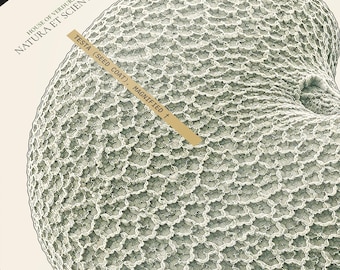
A cross-section is a composition. Venation is a drawing. The spiral of
a seed head was a design problem solved long before anyone thought to
call it one. Most people walk past all of it.
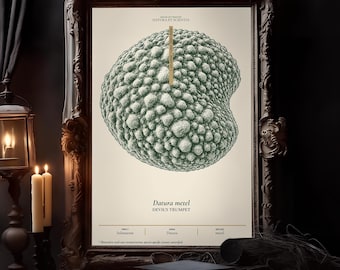
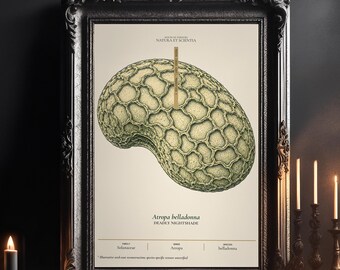
House of Verdure exists to slow that down — to take the structures that
usually live in a textbook and give them the treatment they'd get in an
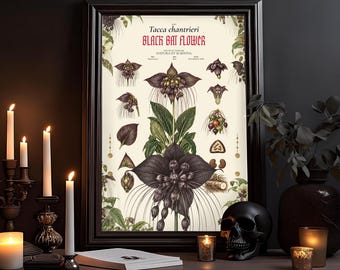
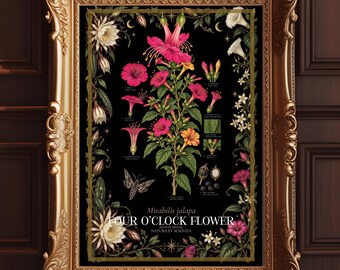
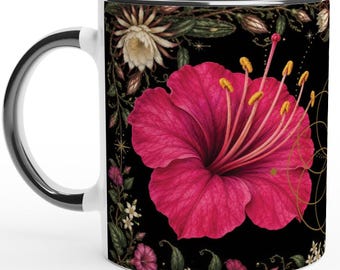
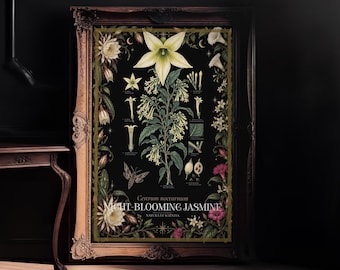
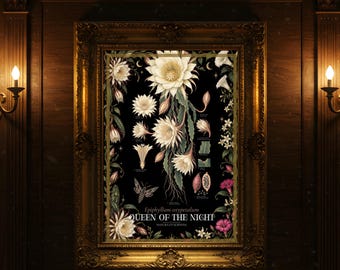
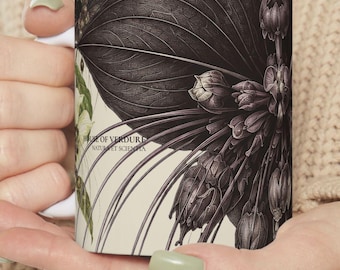
old natural history atlas. Engraved. Stippled. Forest ink on warm ivory
ground. Framed and hung, not filed away.
WHERE THE WORK COMES FROM
Science is where I find the compositions. Anatomy, morphology, the way a
leaf resolves a structural problem, the symmetry in a flower nobody looks
at closely enough — that's the source material.
What happens next is design. I compose plates for balance, not for the
record. Color serves the room. A specimen gets arranged the way it should
have grown. These are drawn in the spirit of scientific illustration, not
in its service — beauty first, with the structure as the reason the
beauty is there.
WHAT'S IN THE COLLECTION
Any plant worth a closer look — whether it's growing on a windowsill or
deep in a forest canopy no one's standing in. Cultivated houseplants and
their cultivars. Wild species. Carnivorous plants. Ferns and night
bloomers. Anatomical studies, seed forms, cellular structures, whole-plant
portraits.
The collection grows in whatever direction the next interesting structure
points. I build the plates as a series, so they hang together — buy two
and they look like they came from the same volume, because they did.
HOW THESE ARE MADE
The imagery is AI-generated. I'd rather say that plainly than let you
assume otherwise.
What isn't automated: the composition, the typography, the plate
architecture, the subject choice, the color, and the many passes it takes
to get a structure looking the way it should. The generator makes
pictures. The plate is the work.
I say this out loud because a surprising number of shops won't, and you
deserve to know what you're buying.
MATERIALS
Printed to order on premium 200gsm matte paper. I'm particular about which
stock these go on — it holds fine linework without flattening the stipple,
and the warm ground reads the way it's meant to.
Sizes from small accent pieces through large statement prints.
FOR ANYONE CURIOUS
You don't need to know any of the terminology to want one of these on your
wall. Curiosity is the only prerequisite, and you already have it or you
wouldn't have read this far.
— Hafeez, House of Verdure
New York
