




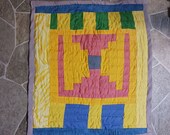


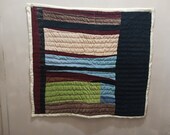
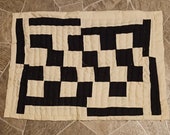
Saudações! Meu nome é Cheyenne Pettway. Sou um orgulhoso descendente dos famosos Gees Bend Quilters. Gee's Bend, também conhecido como Boykin, AL, é onde alguns membros da minha família ainda residem. Somos descendentes dos africanos escravizados que já trabalharam na Plantação Pettway.
Tive a honra de ver minha mãe e minha avó. Me trouxe grande alegria vê-los trabalhar. Quando era jovem, crescendo em Gees Bend, eu assistia e os ajudava a fazer essas criações maravilhosas. Se era cortar algodão, forro de tecido, tecido combinando, etc., eu estava lá para dar uma mãozinha.
Eu comecei esta loja para compartilhar nossas criações com o mundo. Espero que possa trazer tanta alegria para todos vocês quanto para nós.
--------
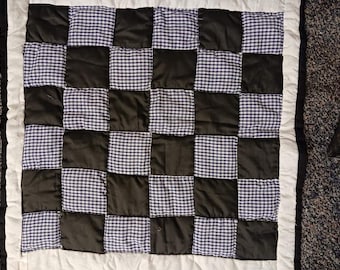
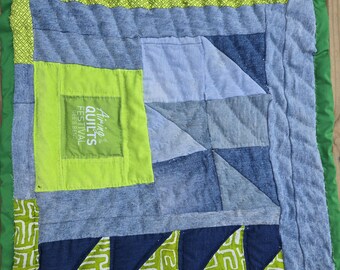
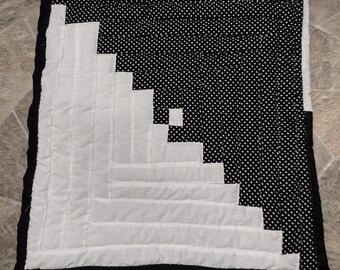
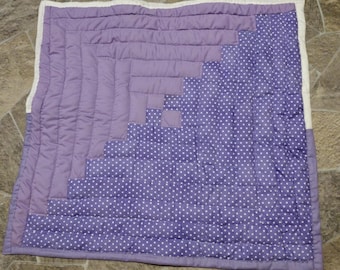
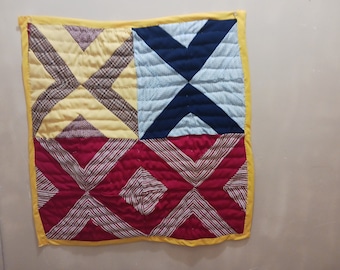
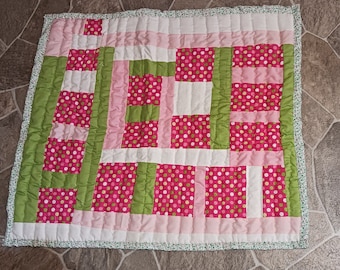
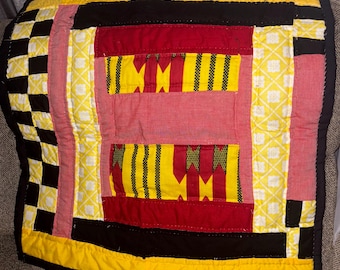
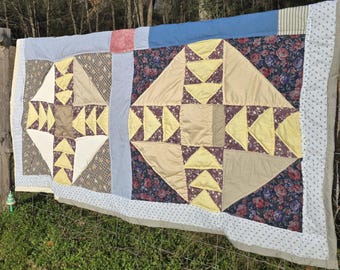
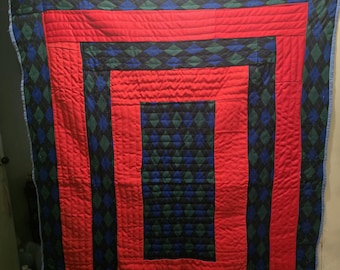
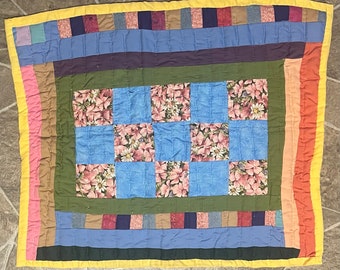
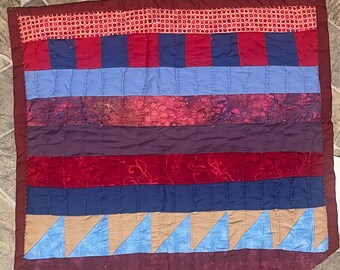
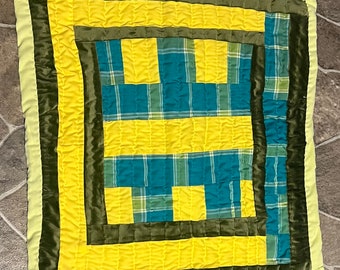
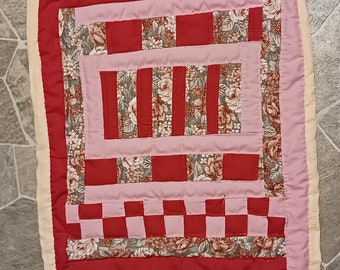
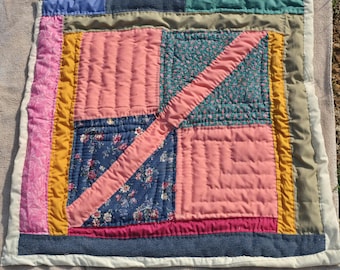
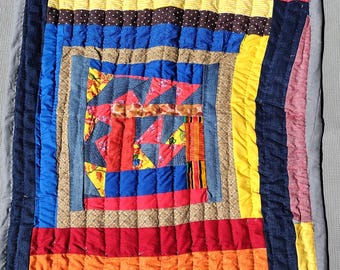
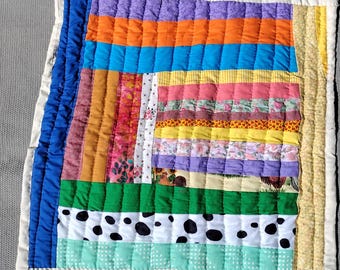
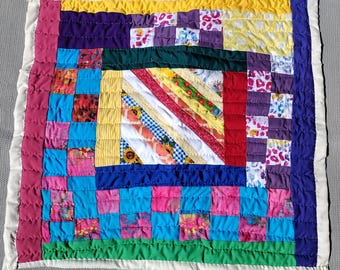
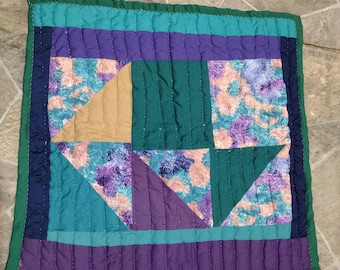
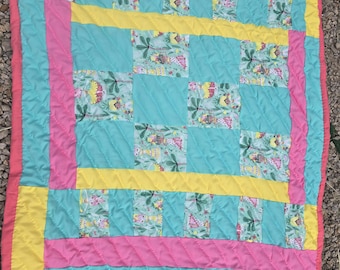
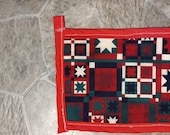
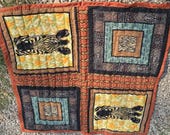
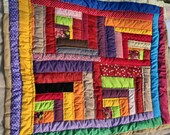
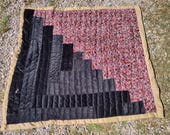
As mulheres de Gee's Bend - uma pequena comunidade rural no Cinturão Negro do Alabama - criaram centenas de obras-primas que datam do início do século XX até os dias atuais. Assemelhando-se a uma ilha interior, Gee's Bend é cercada em três lados pelo rio Alabama. Os cerca de 700 habitantes desta pequena comunidade rural são, em sua maioria, descendentes de africanos escravizados que, por gerações, trabalharam nos campos pertencentes à plantação local de Pettway. Quiltmakers lá produziram inúmeras obras-primas de patchwork, com os exemplos mais antigos existentes datando da década de 1920. Animadas por uma imaginação visual que amplia as fronteiras expressivas do gênero colcha, essas criações surpreendentes constituem um capítulo crucial na história da arte americana.
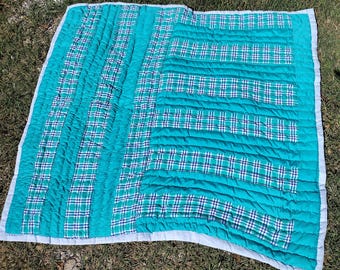
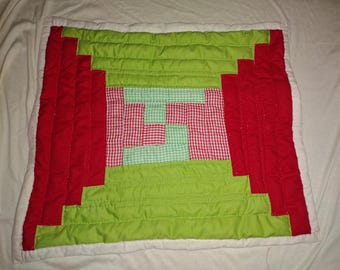
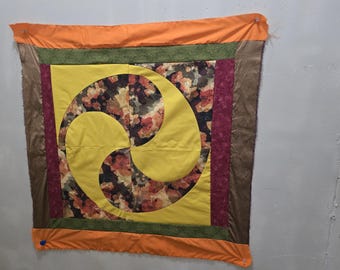
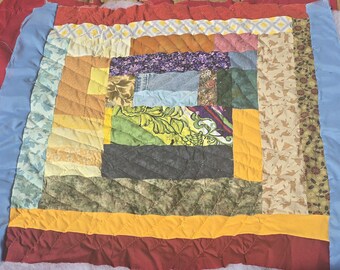
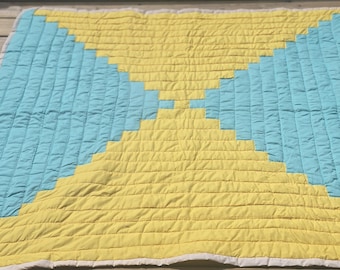
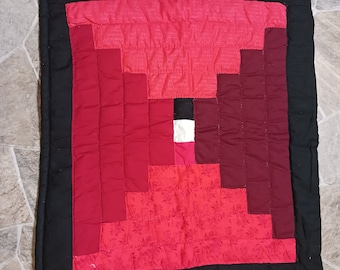
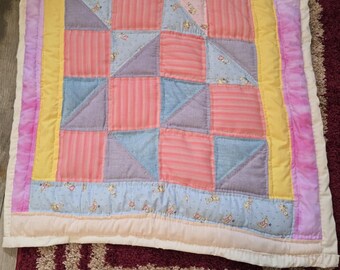
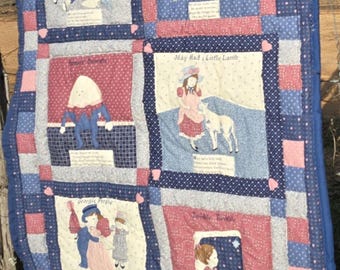
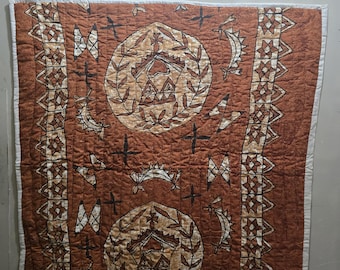
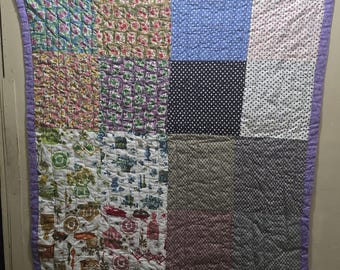
As colchas gee's Bend carregam adiante uma orgulhosa tradição de têxteis feitos para casa e família. Eles representam apenas uma parte do rico corpo de colchas afro-americanas, mas eles estão em uma liga por si mesmos. Poucos outros lugares podem ostentar a extensão da realização artística de Gee's Bend - o resultado tanto do isolamento geográfico quanto de um grau incomum de continuidade cultural. Em poucos lugares do país foram encontradas obras por três - e às vezes quatro - gerações de mulheres da mesma família, nem muitas obras foram descobertas que testemunham conversas visuais entre grupos de acolchoamento da comunidade e linhagens. As peças de herança de Gee's Bend se destacam por seu talento — colchas compostas corajosamente e improvisadamente, em geometrias que transformam roupas de trabalho recicladas e vestidos, sacos de ração e restos de tecido.
Greetings! My name is Cheyenne Pettway. I am a proud descendant of the famous Gees Bend Quilters. Gee's Bend, also known as Boykin, AL, is where some members of my family still reside. We are descendants of the enslaved Africans that once worked on the Pettway Plantation.
I have had the honor of watching both my Mom and Grandmom quilt. It brought me great joy to see them work. As a young girl growing up in Gees Bend, I would watch and help them make these wonderful creations. Whether it was snipping cotton, lining fabric, matching fabric, etc., I was there to lend a helping hand.
I started this shop to share our creations with the world. Hopefully it can bring as much joy to you all as it has for us.
--------
The women of Gee’s Bend—a small, rural, community in Alabama's Black Belt—have created hundreds of quilt masterpieces dating from the early twentieth century to the present. Resembling an inland island, Gee’s Bend is surrounded on three sides by the Alabama River. The some seven hundred or so inhabitants of this small, rural community are mostly descendants of enslaved Africans who, for generations, worked the fields belonging to the local Pettway plantation. Quiltmakers there have produced countless patchwork masterpieces, with the oldest existing examples dating from the 1920s. Enlivened by a visual imagination that extends the expressive boundaries of the quilt genre, these astounding creations constitute a crucial chapter in the history of American art.
Gee’s Bend quilts carry forward a proud tradition of textiles made for home and family. They represent only a part of the rich body of African American quilts, but they are in a league by themselves. Few other places can boast the extent of Gee’s Bend’s artistic achievement -- the result of both geographical isolation and an unusual degree of cultural continuity. In few places across the country have works been found by three - and sometimes four - generations of women in the same family, nor have many works been discovered that bear witness to visual conversations among community quilting groups and lineages. Gee’s Bend’s heirloom pieces stand out for their flair—quilts composed boldly and improvisationally, in geometries that transform recycled work clothes and dresses, feed sacks, and fabric remnants.

