




What started as imposter syndrome turned into confidence and simplification.
When I first started out as an SLP, I felt lost. I had lots of knowledge about diagnosing and describing disorders, but I felt as though I had very little practical knowledge about treatment. I felt like an imposter, yet my patients were looking to me for answers.
As I pulled out popular therapy materials I had seen throughout my graduate education, I struggled to see how they were going to meaningfully improve my patient's function. I began digging deeper into research and CEUs, and kept finding that my suspicions were correct.
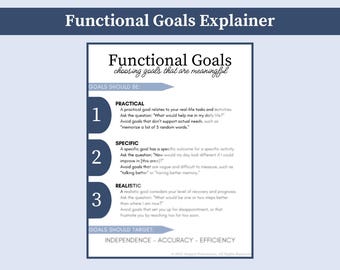
Over the past seven years, I have spent countless hours learning how to apply evidence-based principles to how I conduct my therapy. SMART goals that actually apply to my patients' real lives instead of ambiguous ones. Therapy sessions that focus on developing strategies for my patients' real participation needs instead of random lists of words and worksheets. And now, I not only feel confident in my knowledge and skills, but I have seen my patients have lightbulb moments time and time again with these methods.
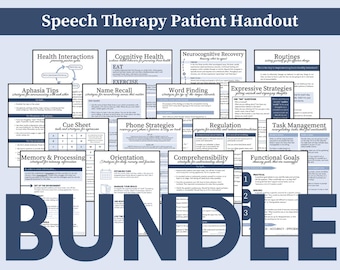
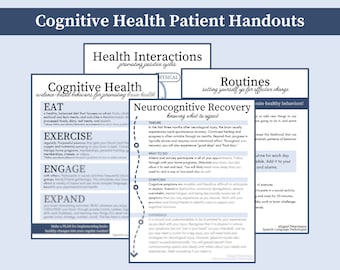
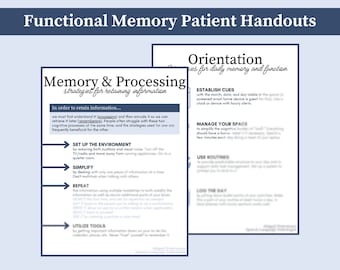
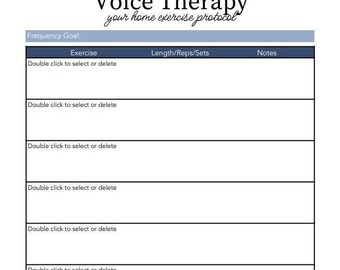
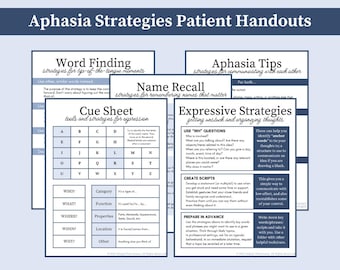
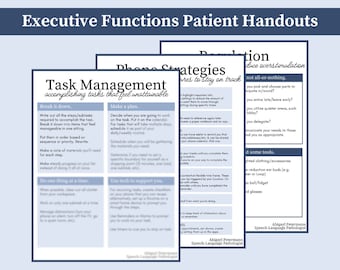
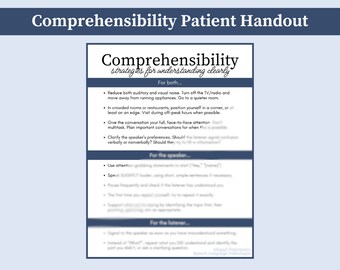
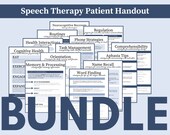
I found myself saying the same things over and over, but most of my patients have some level of memory impairment and needed things written down. The strategies that seem to be most effective have similar principles across patients, with the details being more personalized. So I created these handouts to help guide our sessions, and I can honestly say, I use them every day.