




Antico studioso cuneiforme mesopotamico e calligrafo di ceramica
Ancient Mesopotamian Cuneiform Scholar and Ceramic Calligrapher
Ho trascorso più di vent'anni a studiare il mondo antico, in particolare l'antica Roma, la Grecia, l'Egitto e la Mesopotamia, a partire dalla Purdue University a metà degli anni '90. Alla fine, mi sono specializzato nelle antiche scritture cuneiformi e lingue dell'antica Mesopotamia per conseguire un dottorato di ricerca presso l'Università della Pennsylvania nel 2007, con una specializzazione in sumero, una delle lingue più antiche conosciute al mondo. Lungo la strada, ho trascorso molto tempo a guardare migliaia di antiche tavolette di argilla mesopotamica nel Museo dell'Università di Filadelfia. Li ho letti, ricostruiti unendo insieme frammenti di tavolette rotte (un'unione corretta si adatta perfettamente, come pezzi di un puzzle), li ho fotografati e disegnati e ho pubblicato una serie di libri e articoli su di loro.
Il mondo dell'antica Mesopotamia è un oggetto di studio sfuggente, complicato e assolutamente affascinante con una serie infinita di sotto-argomenti da esplorare. Nessuna persona può perseguirli tutti. Ho studiato e pubblicato su molte cose durante la mia carriera accademica, come l'antica tassonomia e concezione di animali, dei e dee, l'educazione degli scribi, le canzoni di culto, la poesia erotica, una lista di re che hanno governato prima del leggendario Diluvio, e incantesimi e rituali, come uno progettato per cambiare il sogno di un re da un brutto sogno a uno buono. La cosa più divertente e soddisfacente che abbia mai fatto come ricercatore è stata recuperare testi persi per migliaia di anni ricongiungendosi a frammenti rotti: sembrava di fare la storia dal nulla.
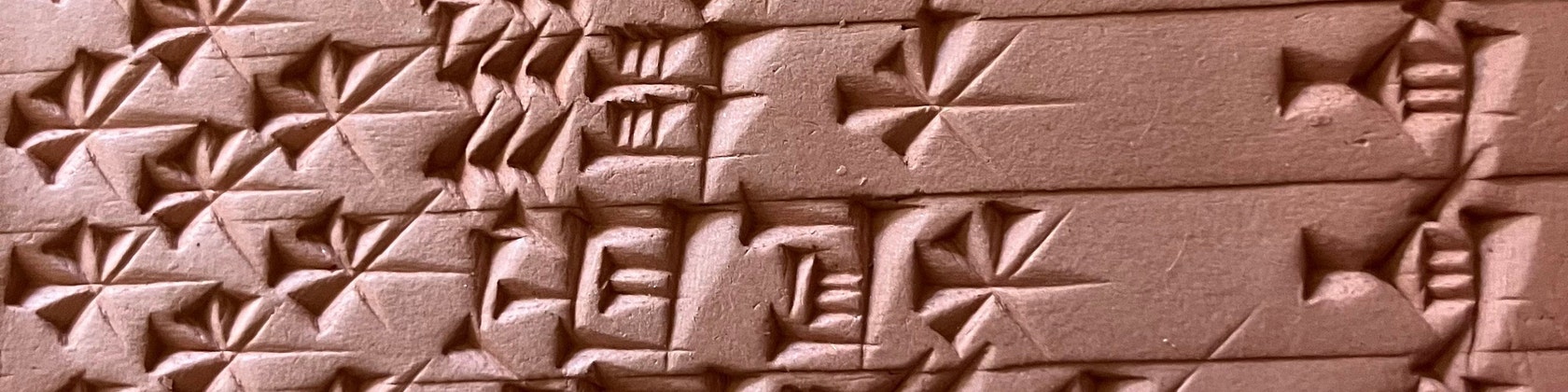
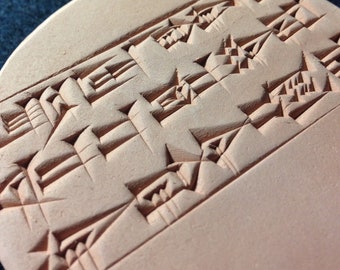
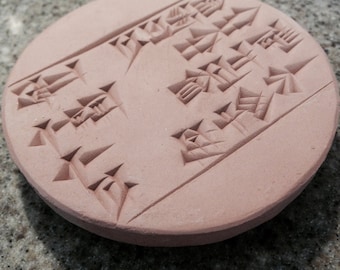
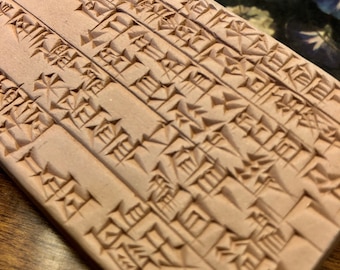
Durante i miei studi, sono sempre stato stupito e preoccupato dalla bellezza delle tavolette cuneiformi come oggetti fisici, dall'unicità dell'argilla come mezzo di scrittura e dall'aspetto tridimensionale della scrittura cuneiforme, che contrasta vividamente il concetto bidimensionale di scrittura che praticamente tutti noi nel mondo moderno abbiamo. Come con qualsiasi sistema di scrittura, i segni cuneiformi accuratamente formati sono un'opera d'arte a sé stante. Gli antichi mesopotamici prestavano molta attenzione alla qualità della loro calligrafia e alla preparazione dei loro manoscritti. Il lavoro manuale di uno scriba esperto, dove ogni cuneo di ogni segno è magistralmente inciso con il giusto orientamento, ordine e profondità, e ogni parte della superficie della tavoletta è attentamente pianificata e utilizzata, è uno spettacolo da vedere.
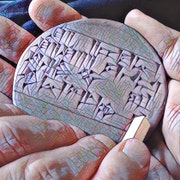
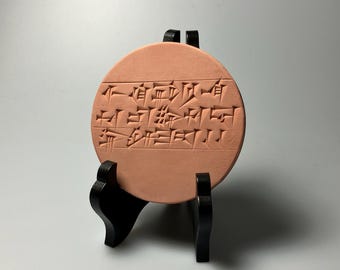
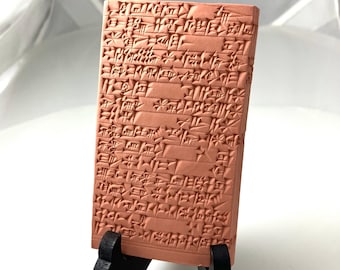
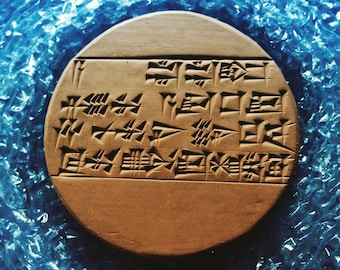
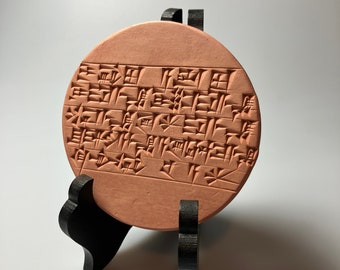
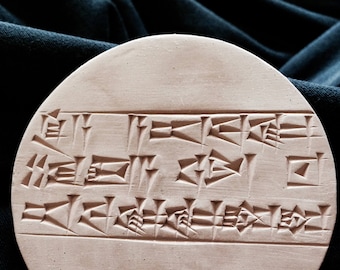
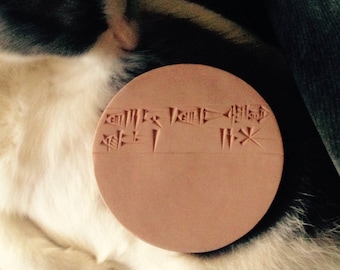
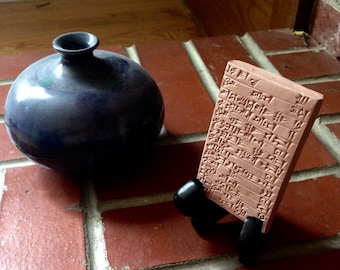
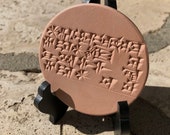
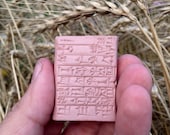
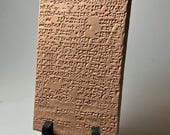
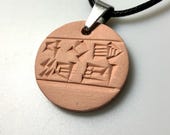
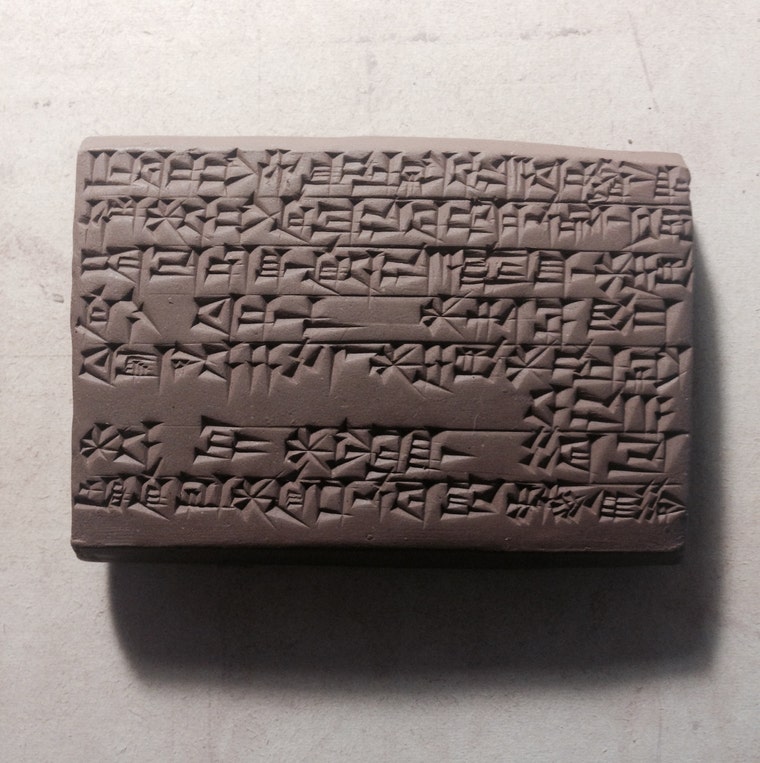
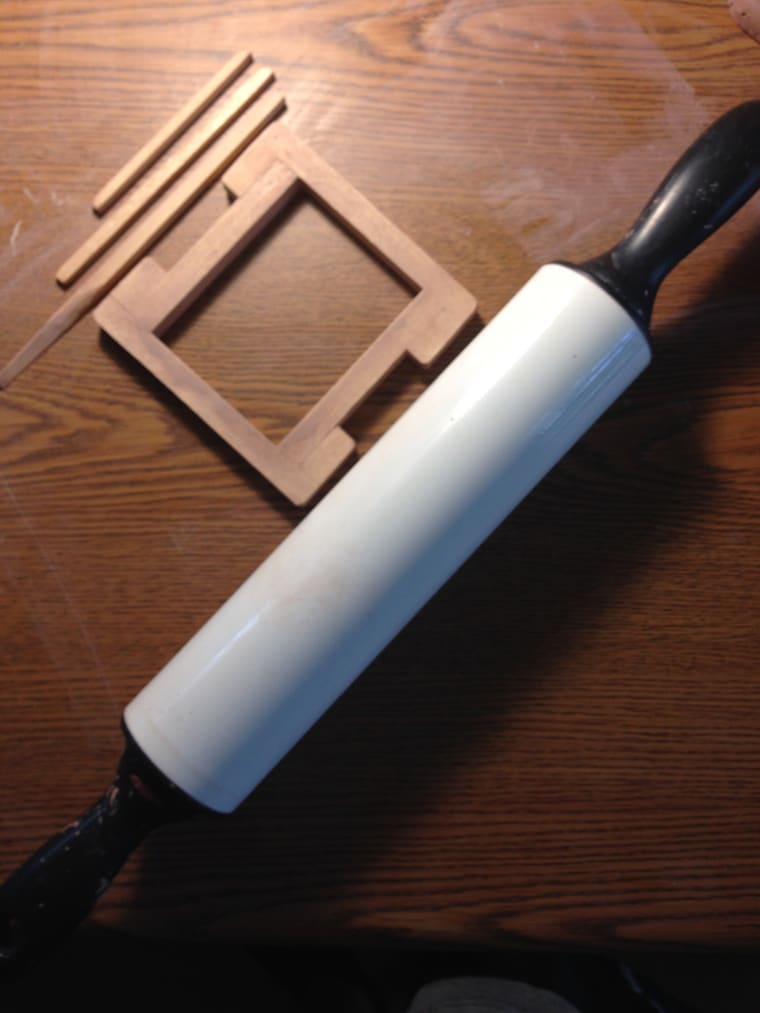
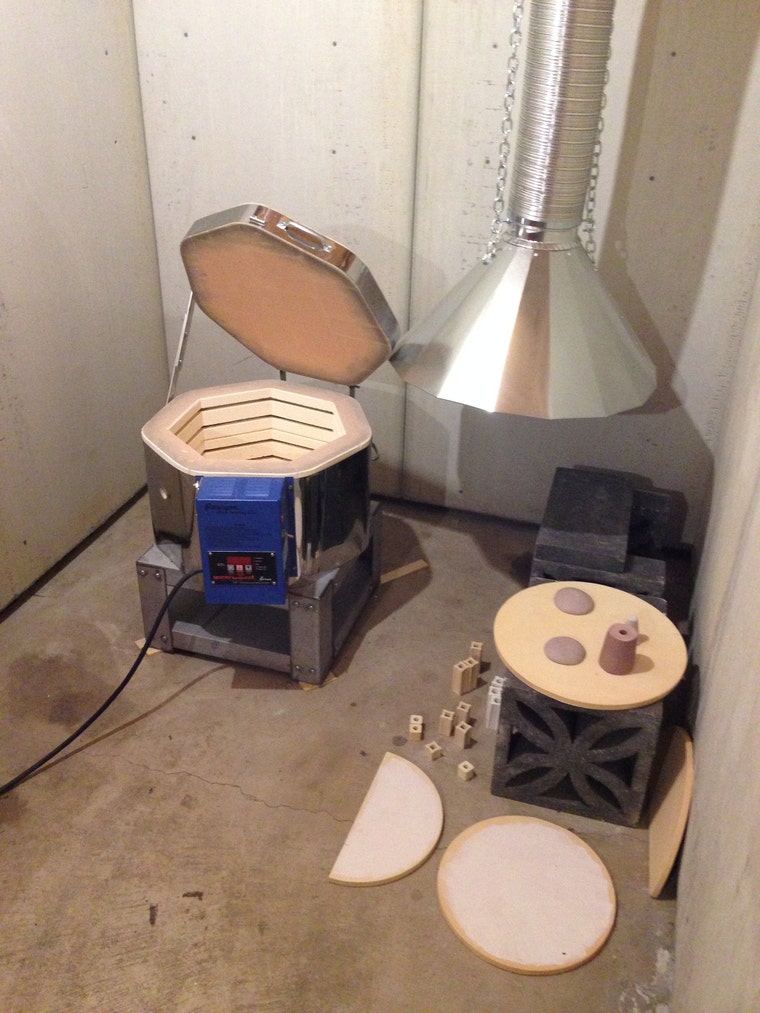
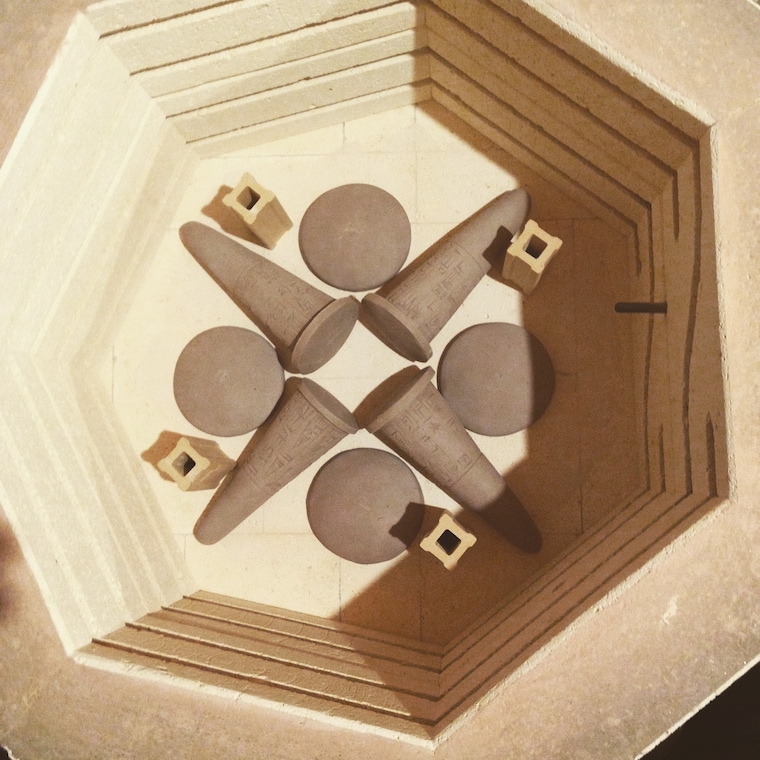
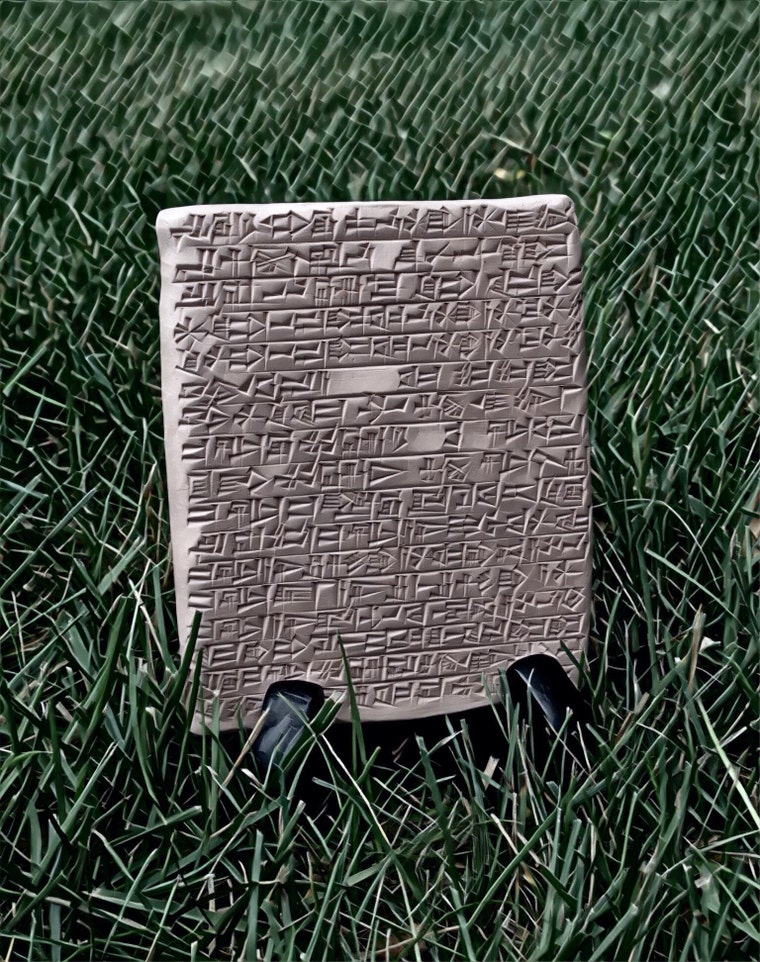
Ancient Text, Modern Tablet è il mio modo di rendere disponibile una rappresentazione di antiche tavolette cuneiformi a chiunque voglia goderne, e di rendere il pensiero e la cultura dell'antica Mesopotamia, che per molti versi non è così diversa dalla nostra, più disponibile per la cultura mainstream. Usando la mia migliore approssimazione di tecniche antiche, creo tavolette di argilla con testi antichi selezionati per risuonare con un pubblico moderno. Le mie creazioni non sono copie esatte di antichi manufatti, ma piuttosto singole opere d'arte che utilizzano antiche tavolette come modello costante. Riflettono un tentativo di far rivivere una disciplina e una forma d'arte fuori dalla pratica per migliaia di anni. Possa Nisaba (l'antica dea dell'arte degli scribi) trovare piacevole il mio lavoro!
I have spent more than twenty years studying the ancient world, especially ancient Rome, Greece, Egypt and Mesopotamia, starting at Purdue University in the mid-90’s. Eventually, I specialized in the ancient cuneiform scripts and languages of ancient Mesopotamia to earn a PhD from the University of Pennsylvania in 2007, with a specialty in Sumerian, one of the world’s oldest known languages. Along the way, I spent a great deal of time looking at thousands of ancient Mesopotamian clay tablets in the University Museum in Philadelphia. I read them, reconstructed them by joining broken tablet fragments together (a correct join fits together perfectly, like pieces of a jigsaw puzzle), photographed and drew them, and published a number of books and articles about them.
The world of ancient Mesopotamia is an elusive, complicated, and utterly fascinating object of study with an endless array of sub-topics to explore. No one person can pursue all of them. I have researched and published on many things during my academic career, such as the ancient taxonomy and conception of animals, gods and goddesses, scribal education, cultic songs, erotic poetry, a list of kings who ruled before the legendary Flood, and incantations and rituals, such as one designed to change the dream of a king from a bad dream to a good one. The funnest and most satisfying thing that I ever did as a researcher was to recover texts lost for thousands of years by rejoining broken fragments: it felt like making history out of thin air.
Throughout my studies, I have always been amazed by and preoccupied with the beauty of cuneiform tablets as physical objects, by the uniqueness of clay as a writing medium, and the three-dimensional aspect of cuneiform writing, which vividly contrasts the two-dimensional concept of writing that virtually all of us in the modern world have. As with any writing system, carefully formed cuneiform signs are a work of art in their own right. The ancient Mesopotamians took great care in the quality of their handwriting and the preparation of their manuscripts. The handiwork of an experienced scribe, where every wedge of every sign is masterfully incised with the proper orientation, order, and depth, and every part of the tablet surface is carefully planned and utilized, is a sight to behold.
Ancient Text, Modern Tablet is my way of making a representation of ancient cuneiform tablets available to anyone who wants to enjoy them, and to make the thought and culture of ancient Mesopotamia, which in many ways is not so different than our own, more available to mainstream culture. Using my best approximation of ancient techniques, I create clay tablets bearing ancient texts selected to resonate with a modern audience. My creations are not exact copies of ancient artifacts, but rather individual works of art using ancient tablets as their constant model. They reflect an attempt to revive a discipline and art form out of practice for thousands of years. May Nisaba (the ancient goddess of the scribal art) find my work pleasing!
