




Fotografía negativa, una mirada al alma.
Negative photography, a look into the soul
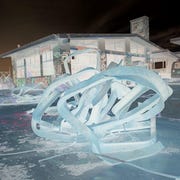
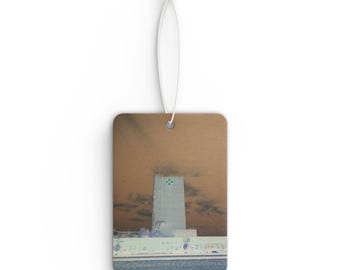
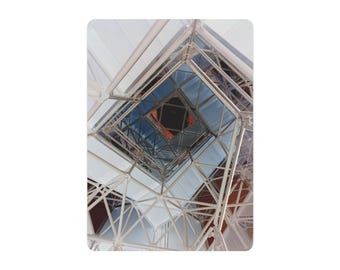
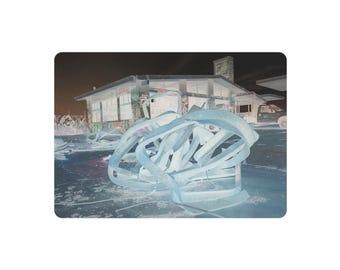
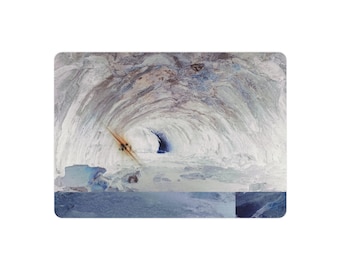
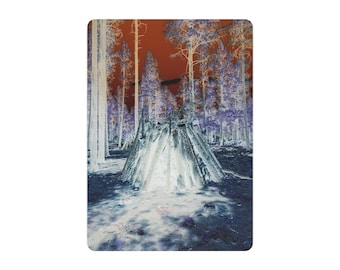
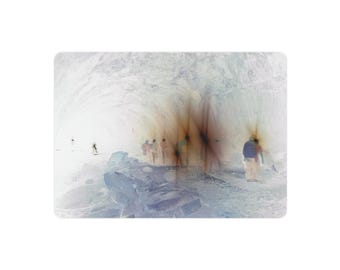
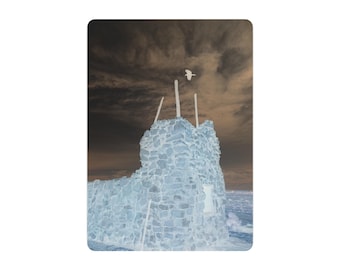
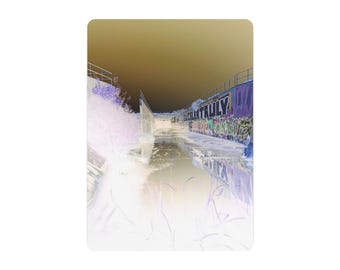
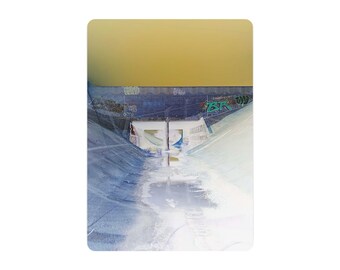
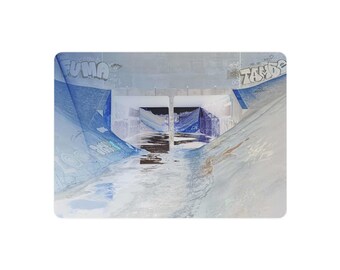
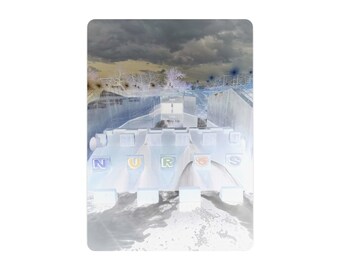
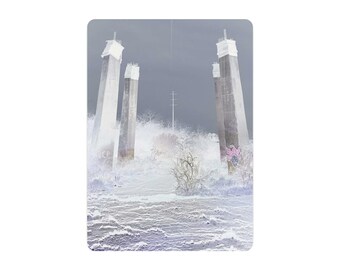
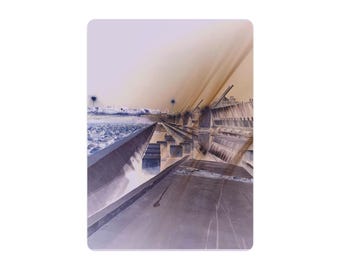
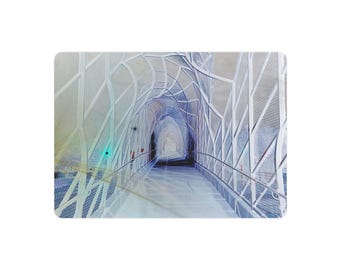
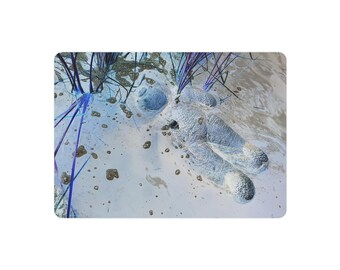
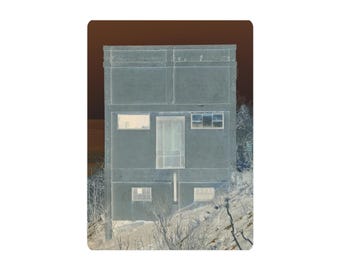
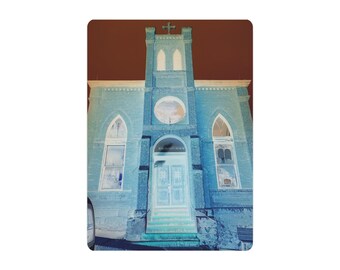
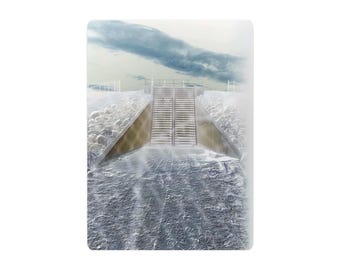
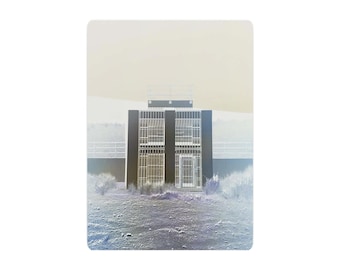
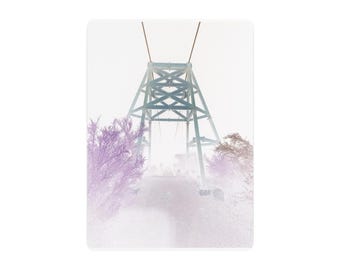
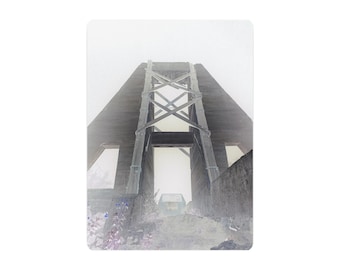
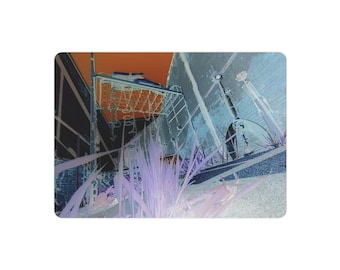
Soy fotógrafo y trabajo principalmente con imágenes negativas. Me atrae cómo la inversión transforma no solo la apariencia de una escena, sino también su atmósfera. En la fotografía negativa, la luz y la sombra se invierten, los lugares familiares se vuelven desconocidos y emergen detalles ocultos que suelen pasar desapercibidos en la visión convencional.
Percibo el mundo de una manera que, a veces, se siente igualmente invertida. Soy autista, y eso influye en cómo percibo patrones, contrastes, emociones y el entorno. A menudo noto lo que otros pasan por alto, o me siento profundamente conectado con espacios que transmiten una sensación de quietud, aislamiento o intensidad. La fotografía negativa es el lenguaje visual que mejor describe esa experiencia de percepción.
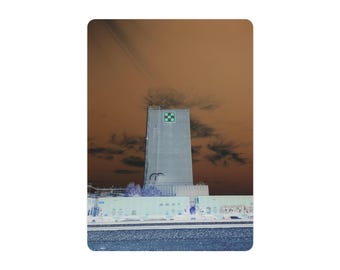
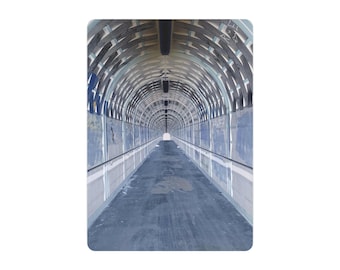
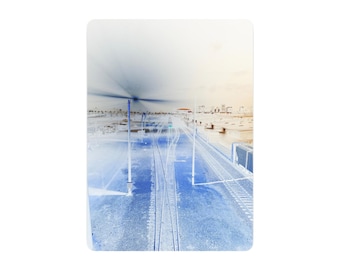
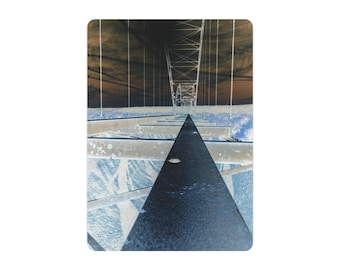
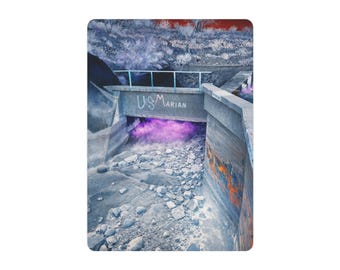
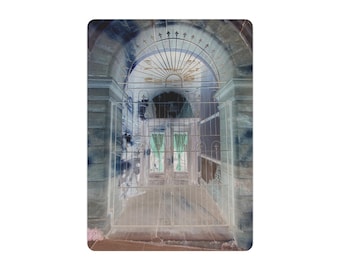
Me atraen especialmente los entornos desolados o silenciosos, lugares que se sienten vacíos, desgastados o cargados de una profunda emoción. Estos espacios suelen reflejar estados internos de soledad o introspección difíciles de expresar con palabras, pero más fáciles de transmitir a través de imágenes. En lugar de evitar esa sensación, la exploro mediante la composición, el contraste y la inversión.
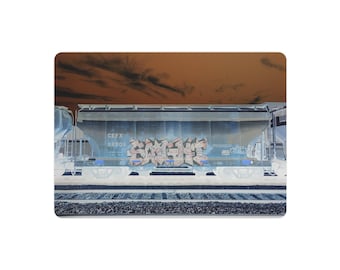
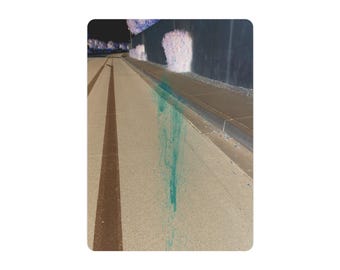
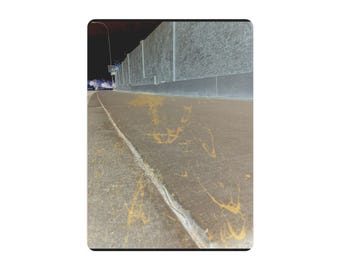
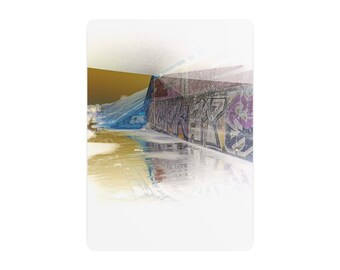
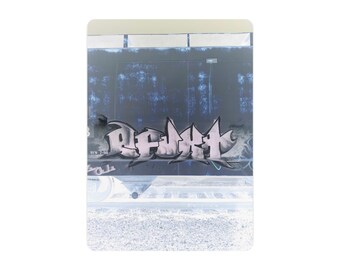
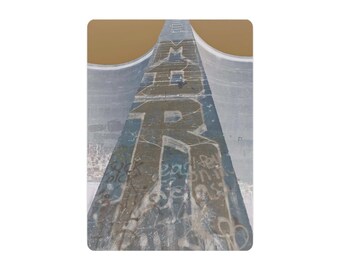
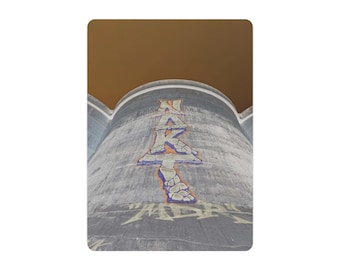
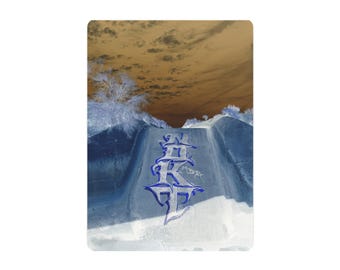
También fotografío grafitis y marcas callejeras, en parte para preservarlos como una forma de arte público efímero. Estas marcas se encuentran en constante transformación, cubiertas, borradas o deterioradas por el paso del tiempo, y fotografiarlas se convierte en una manera de documentar expresiones que de otro modo desaparecerían. Me interesa esa tensión entre permanencia e impermanencia, visibilidad y desaparición.
A través de mi trabajo, busco presentar entornos familiares de una manera que se sienta ligeramente desplazada, reconocible pero alterada. Las imágenes negativas me permiten explorar ese espacio entre lo que se ve y lo que se siente, entre la documentación y la interpretación.
I am a photographer working primarily with negative imagery, drawn to the way inversion changes not just how a scene looks, but how it feels. In negative photography, light and shadow are reversed, familiar places become unfamiliar, and hidden details emerge that are often overlooked in standard viewing.
I experience the world in a way that feels similarly inverted at times. I’m autistic, and that shapes how I perceive patterns, contrast, emotion, and environment. I often notice what others miss, or feel deeply attuned to spaces that carry a sense of stillness, isolation, or intensity. Negative photography is the closest visual language I’ve found to describe that experience of perception.
I am especially drawn to desolate or quiet environments, places that feel empty, weathered, or emotionally heavy. These spaces often reflect internal states of loneliness or introspection that are difficult to put into words but easier to translate through imagery. Rather than avoiding that feeling, I explore it through composition, contrast, and inversion.
I also photograph graffiti and street markings, in part to preserve them as a form of temporary public art. These markings exist in a constant state of change, covered, erased, or weathered by time, and photographing them becomes a way of documenting expressions that might otherwise disappear. I’m interested in that tension between permanence and impermanence, visibility and erasure.
Through my work, I aim to present familiar environments in a way that feels slightly displaced, still recognizable, but altered. Negative imagery allows me to explore that space between what is seen and what is felt, between documentation and interpretation.
