






El papiro es mi lienzo
Papyrus is my canvas
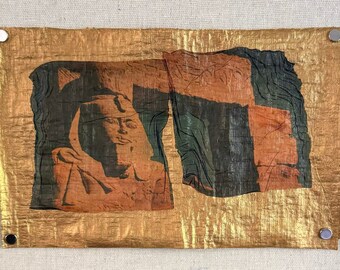
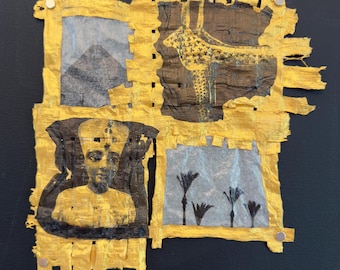
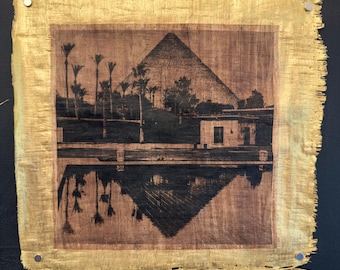
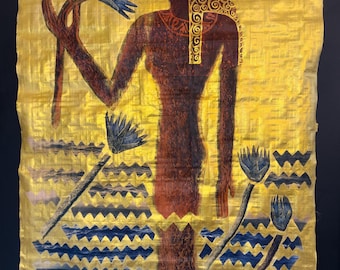
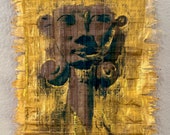
Mi trabajo se centra, ante todo, en celebrar los aspectos etéreos de la vida a través de la fotografía, la técnica mixta y el collage. Me fascina el mundo antiguo y quiero honrar nuestra visión del mismo en el arte contemporáneo, en el contexto de las redes sociales y las tecnologías de la información.
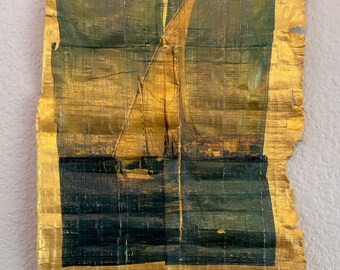
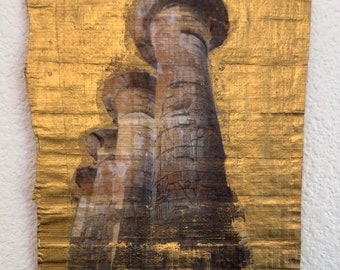
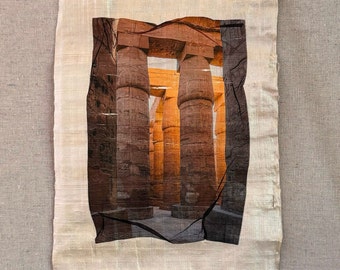
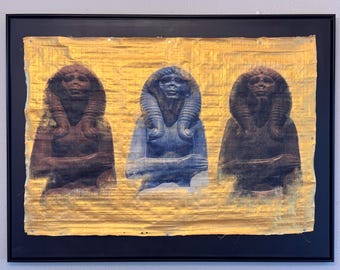
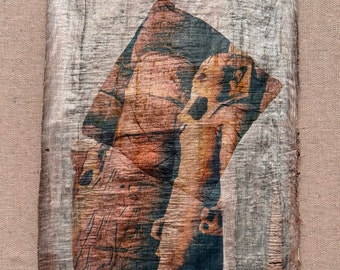
Tenía diez años cuando visité Egipto por primera vez y descubrí el papiro. Lo vi colgado en las paredes del Museo Egipcio y quise sostenerlo en mis manos y sentir sus pliegues, textura y forma. Las vibrantes representaciones de dioses, faraones y la vida cotidiana, expuestas en el papiro, transmitían historias de un mundo que ya no existía, pero aún latían en mi interior. Quería pintar sobre él y sentir el color. Para mí, el papiro, como superficie, representa la humanidad. Sostener una hoja de papiro es como tocar la historia misma. Debo respetar su fragilidad y resiliencia, y honrar el pasado con la mirada del presente. Para mí, el papiro es más que un simple artefacto; es un símbolo de la creatividad humana y del poder perdurable de la narración.
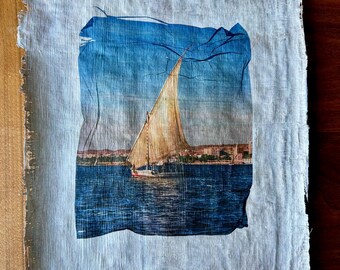
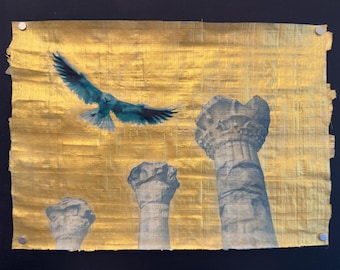
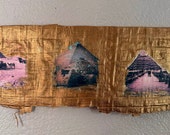
A diferencia de los escribas del pasado, he elegido una cámara en lugar de un pincel y procesos fotográficos alternativos como método. El proceso de cianotipia tiene un significado especial para mí debido a su uso para documentar especímenes de algas marinas en el siglo XIX, conocidas cariñosamente como «flores del mar». Anna Atkins fusionó arte y ciencia para crear imágenes impactantes de plantas y vida marina que no podrían sobrevivir a la preservación fuera del agua.
Mi historia trata sobre la preservación de la vida y la muerte, tanto humana como humana. Invito al espectador a celebrar el poder eterno y resiliente que reside en cada uno de nosotros: el poder de reír, de mantener la curiosidad, de afrontar el miedo, de soportar el dolor y, sobre todo, de amar.
My work is first and foremost about celebrating the ethereal aspects of all life through photography, mixed media and collage. I'm fascinated with the ancient world and want to honor how we view it in contemporary art against the backdrop of social media and information technology.
I was ten years old when I first visited Egypt and discovered papyrus. I saw it hanging on the walls at the Egyptian museum and wanted to hold it in my hands and feel its folds, texture and form. The vibrant depictions of gods, pharaohs, and daily life displayed on papyrus carried stories from a world long gone, but still pulsed within me. I wanted to paint on it and feel the color. Papyrus as a surface represents humanity for me. Holding a sheet of papyrus feels like touching history itself. I must respect its fragility and resilience and honor the past through present eyes. Papyrus is more than just an artifact to me; it is a symbol of human creativity and the enduring power of storytelling.
Unlike the scribes of the past, I've chosen a camera instead of a brush and alternative photographic processes as my method. The Cyanotype process is meaningful to me because of its use in documenting seaweed and algae specimens in the 19th century affectionately known as 'flowers of the sea'. Anna Atkins blended art and science to create stunning images of plant and sea life that couldn't survive preservation out of the water.
My story is about preserving life and death, human and beyond. I invite the viewer to celebrate the timeless and resilient power that resides within each of us—the power to laugh, to remain curious, to confront fear, to endure pain, and, above all, to love.
