







Libro per libro
Book by Book
Abbiamo tutti sentito la frase "Dio ti dà solo ciò che puoi sopportare". Eppure, contesto l'idea che riceviamo solo ciò che siamo in grado di reggere. Molte persone in tutto il mondo soffrono al di là del loro controllo, spesso per mano di altri. Di fronte a tutto ciò, scelgo di credere nell'amore, nel potere del pensiero e nella sincronicità che si manifesta quando viviamo con consapevolezza e abbracciamo la compassione.
Inoltre, viene spesso citata l'espressione "Se vuoi far ridere Dio, fai dei progetti".
Anche l'umorismo è una risorsa preziosa nel nostro percorso, e l'ironia della vita aggiunge profondità e contribuisce alla scoperta del significato.
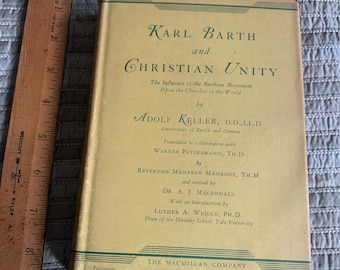
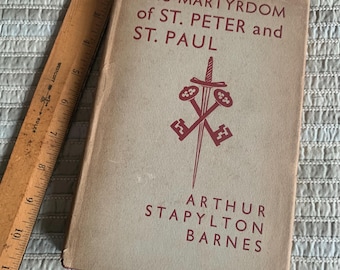
Sono un'inaspettata venditrice di libri di teologia, plasmata dal mio personale percorso, costellato di traumi legati a diversi sistemi di credenze. La mia storia è drammatica, e riesco a cogliere sfumature di ironia e persino sprazzi di umorismo. Porto il peso della Sindrome da Trauma Religioso (RTS), derivante dalla mia educazione in una setta. La mia casa era un campo di battaglia diviso, tra un credente e un non credente, un genitore ferventemente religioso e l'altro scettico. Convivo con un PTSD complesso, sia pre che post-traumatico. Questo significa che lotto con il dolore del mio passato, pur mantenendo l'ansia per il futuro. Una profezia annunciò l'arrivo dell'Armageddon nel 1975, spingendo mia madre a prendere la straziante decisione di affidare i suoi figli a nostro padre, in un disperato tentativo di salvezza per noi. Eppure, il mondo non finì, e la sua scelta lasciò ripercussioni durature che si fecero sentire nelle nostre vite per decenni.
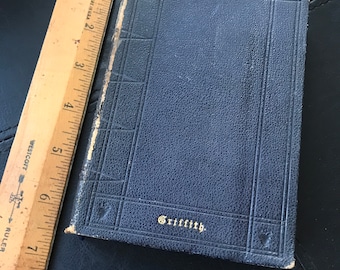
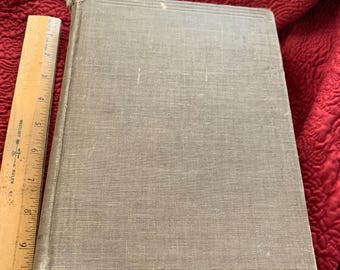
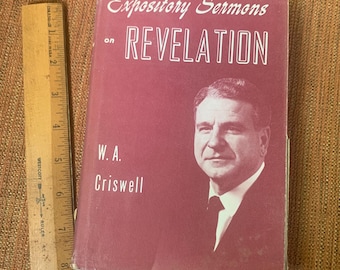
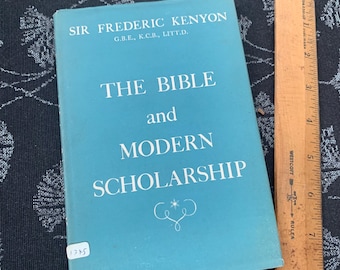
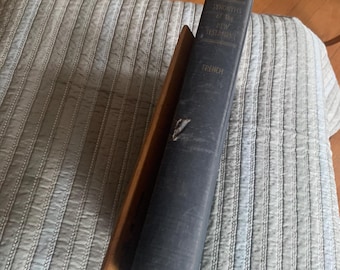
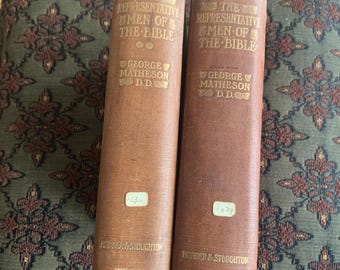
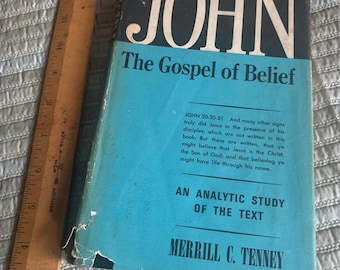
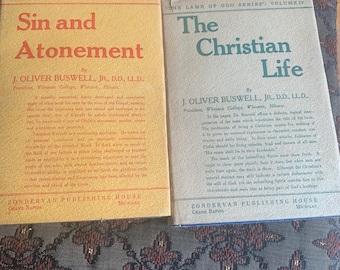
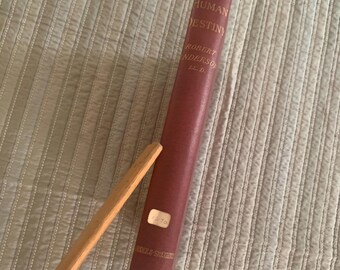
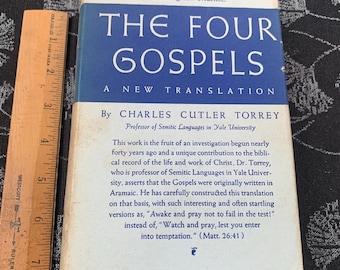
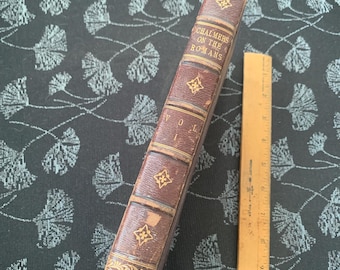
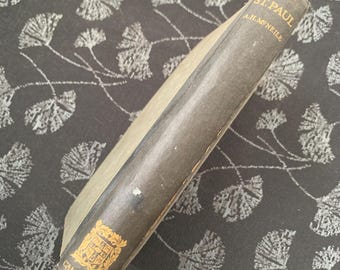
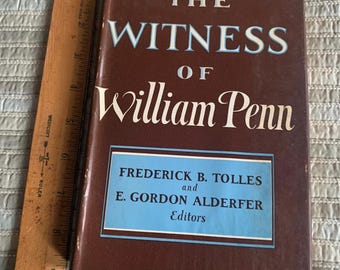
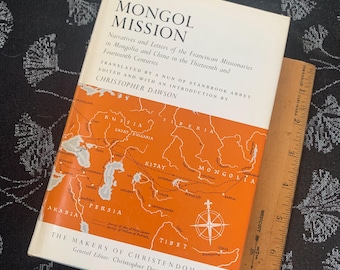
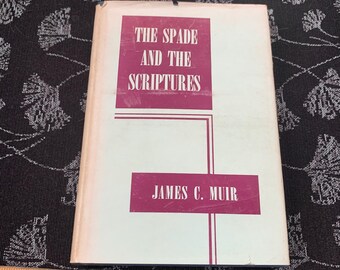
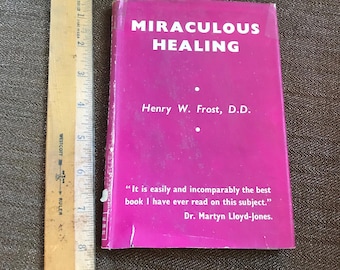
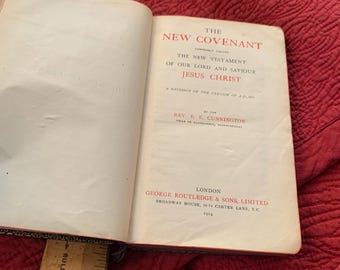
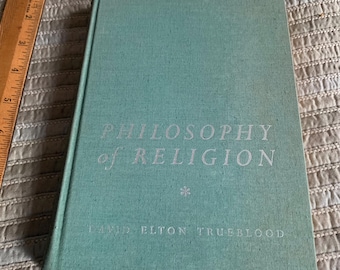
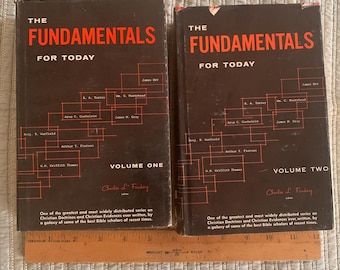
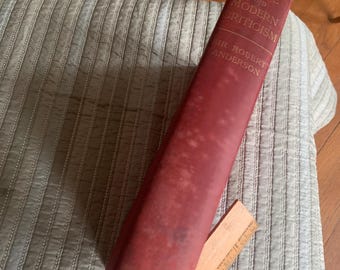
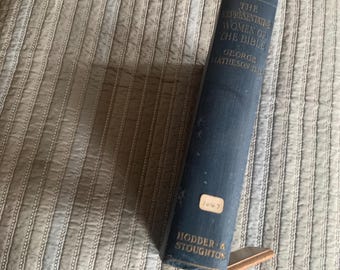
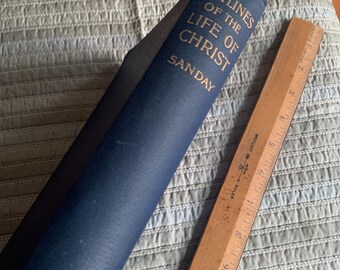
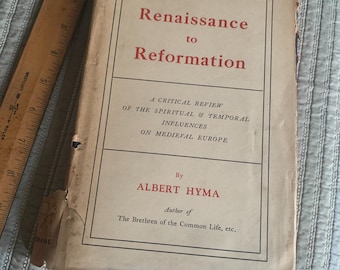
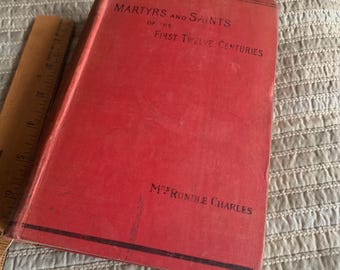
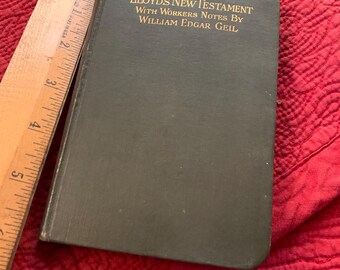
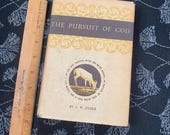
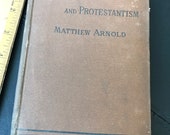
Dopo la scuola d'arte, ho intrapreso la carriera di artista. Il destino mi ha fatto incontrare mio marito, che aveva un background simile al mio, sebbene la sua educazione, pur essendo rigida, non fosse stata etichettata come una setta come la mia. Quando abbiamo ereditato la sua casa d'infanzia, abbiamo scoperto una straordinaria collezione di 4.000 libri conservati tra gli oggetti personali. Inizialmente, ho provato a regalarli, contattando ripetutamente il Wheaton College per recuperarli, ma mi è stato sempre risposto che ci sarebbe stato tempo. Ma la casa è piccola e avevo bisogno di spazio. Ho contattato un libraio, che mi ha offerto 700 dollari per l'intera collezione.
Prima di procedere all'acquisto, ho esplorato la collezione di mio suocero, Paul Fromer (1927-2012), che fu redattore di HIS Magazine e di diversi libri su Billy Graham. Gran parte della biblioteca è stata ereditata dallo zio di Paul, George H. Fromer (1888-1972), che custodisce la sua collezione personale in una seconda casa accanto alla sua a Beaverton, nel Michigan.
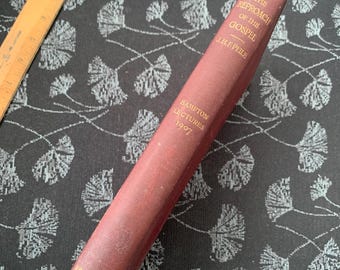
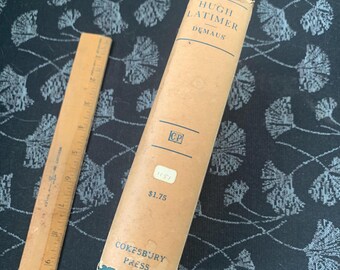
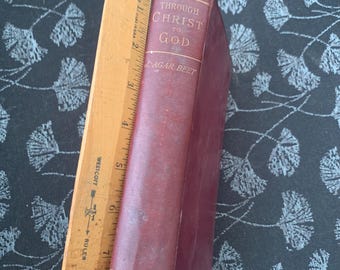
Era naturale che fossi diffidente nei confronti di un'indottrinamento così rigido o estremo. Ciò che scoprii fu a dir poco straordinario. La maggior parte dei saggi di teologia risaliva al XVIII e XIX secolo, e alcuni addirittura al XVII secolo. La mia intenzione iniziale era semplicemente quella di sondare il terreno come libraio e provare a guadagnare qualcosa per la casa.
Eppure, più approfondivo le mie ricerche, più scoprivo autori, studiosi e pensatori che scrivevano in un'epoca progressista, caratterizzata da scrittori sinceramente impegnati nella ricerca della comprensione della storia, dello scopo della Bibbia e degli insegnamenti di Gesù. Il XIX secolo ha gettato le basi di una società che si sforza di prendersi cura della Terra e delle sue popolazioni meno fortunate, promuovendo una cultura di consapevolezza e compassione. Immergendomi in questi studi, ho appreso come questi autori fossero dediti al benessere dei bambini, alla salute mentale e all'uguaglianza. Ho maturato una profonda tolleranza per coloro che cercano sinceramente conoscenza e comprensione nelle antiche Scritture, senza la smania di essere certi di tutto.
Nonostante le svolte shakespeariane della vita, ho trovato questo momento ironico trasformativo e un viaggio profondo. Nell'attuale clima americano, riesco ad astenermi sia dalle notizie bipartisan che da quelle che seminano paura, le quali facilmente appesantiscono i pensieri con un senso di sventura imminente. Riesco a condividere la speranza.
We've all heard the phrases, “God only gives you what you can handle” Yet, I challenge the notion that we receive only what we can bear. Many people across the globe endure suffering beyond their control, often at the hands of others. In the face of this, I choose to believe in love, the power of thought, and the synchronicity that unfolds when we live with conscious intent and embrace compassion.
Also, the expression, “If you want to make God laugh, make plans,” is another phrase mentioned.
Humor, too, is an invaluable asset in our journey, and the irony of life adds rich layers to plays a role in discovery meaning.
I am an unexpected purveyor of theology books, shaped by my own journey riddle in trauma over belief systems. My story is dramatic, I am able to see overtones of irony and even bits of humor. I carry the weight of Religious Trauma Syndrome (RTS), stemming from my upbringing in a cult. My home was a divided battleground, a believer and a non-beliver, one parent fervently religious and the other a skeptic. I live with complex PTSD, post and pre. This means I grapple with grief from my past yet maintain anxiety over the future. A prophecy declared that Armageddon would strike in 1975, leading my mother to make the gut-wrenching decision to sign her children over to our father in a desperate bid for our salvation. Yet, the world did not end, and her choice left lasting repercussions that reverberated through our lives for decades.
After art school, I forged a career as an artist. Fate led me to meet my husband, who shared a similar background, though his upbringing, while stringent, was not labeled a cult like mine. When we inherited his childhood home, we discovered a remarkable collection of 4,000 books stored amongst the belongings. Initially, I attempted to give them away, repeatedly contacting Wheaton College to retrieve the books, only to be told time that there would be time for that. But its a small, house and I needed the space. I reached out to a book dealer, who offered $700 for the entire collection.
Before committing, I explored the collection maintained by my father-in-law, Paul Fromer (1927-2012), who was the editor of HIS Magazine and several Billy Graham books. Much of the library was inherited from paul’s uncle, George H. Fromer (1888-1972), who houses his personal collection it in a second home next to his in Beaverton, Michigan.
It was natural that I was hesitant of ridged or extreme indoctrination. What I uncovered was nothing short of extraordinary. Most of the theology non-fiction dated back to the 1700s and 1800s and even a few printed in the 1600s. My initial intent of merely testing the waters as a bookseller, and make a go at earning funds for the house.
Yet, the more I researched I was introduced to authors, scholars and thinkers, who wrote in a progressive era characterized by writers earnest in their quest for understanding history, the purpose of the Bible, and the teachings of Jesus. The 1800s forestered a society who strives to care for the Earth and its less fortunate population, fostering a culture of consciousness and compassion. As I immersed myself, I learn how the authors were commitmented to children’s welfare, mental health care, and equality. I cultivated a deep tolerance for those genuinely seeking knowledge and understanding from ancient scripture, without the fever of certainty.
Despite the Shakespearean twists in life, I found this ironic juncture transformative. and profound journey. In this current climate of America, I am able to refrain from both the bipartisan and fear-mongering news, which easy burdens thoughts with impending doom. I am able to participate in hope.
