


L'oceano parla in conchiglie
The Ocean Speaks in Shells
Ho iniziato Seaside Color per condividere la mia passione di creare arte e arredamento con conchiglie. Per diversi anni, ho creato il mio arredamento con conchiglie:
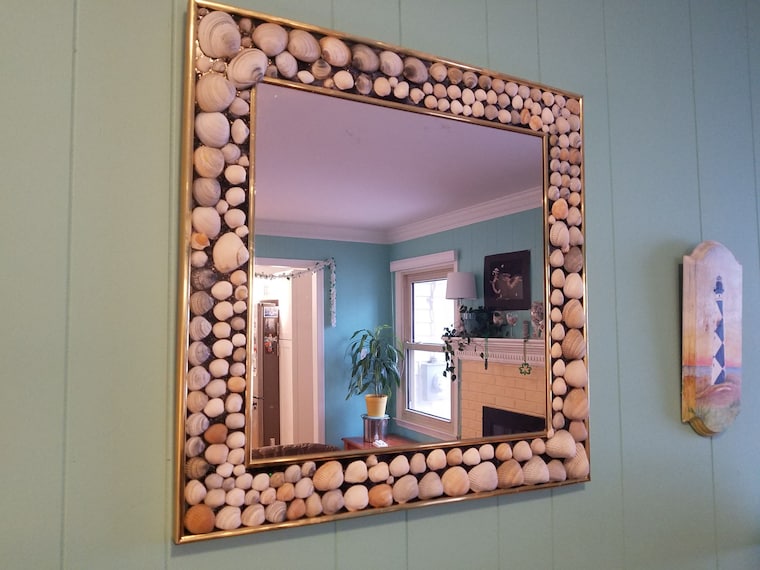
- realizzato uno specchio con cornice economica coprendo la cornice in conchiglie
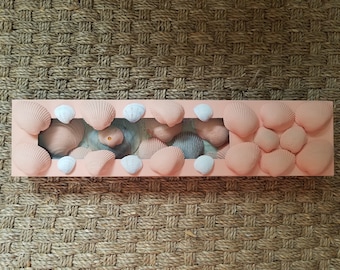
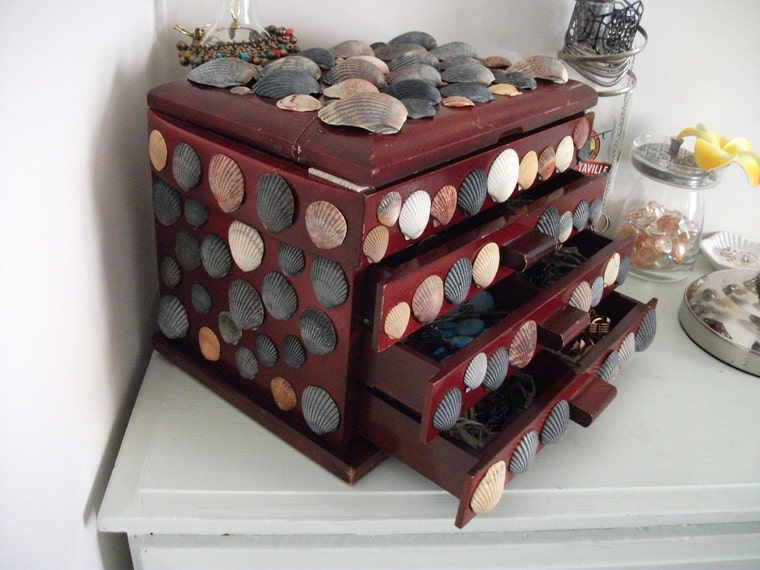
- comprato un vecchio portagioie e 'sgusciato' in come uno scrigno del tesoro nautico
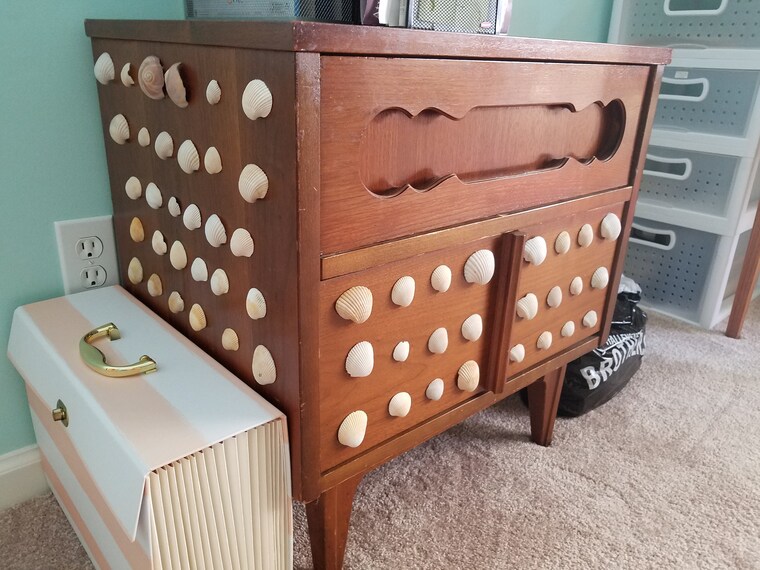
- coperto due lati di una semplice tavola terminale di metà secolo in file di conchiglie
- infilato fili di conchiglie attraverso una finestra fatale senza schermo come esca per uccelli
- conchiglie appese a lampade, lampadari e a rete appese a un soffitto
- vasi di vetro trasparente riempiti con conchiglie per creare un candelabro o un supporto per piante
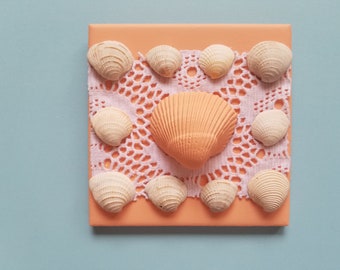
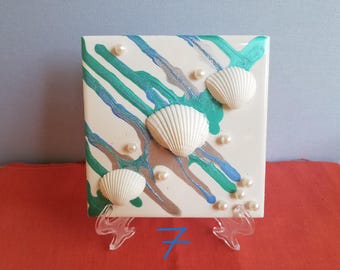
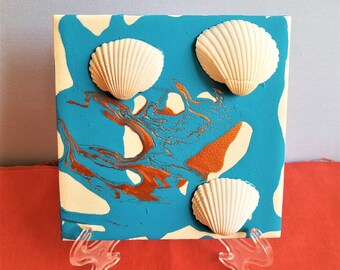
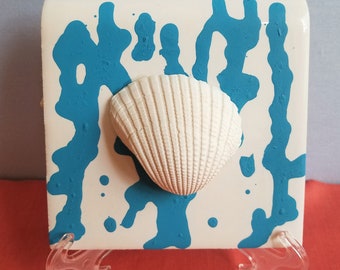
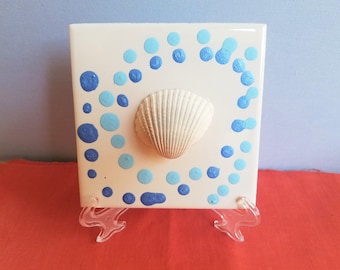
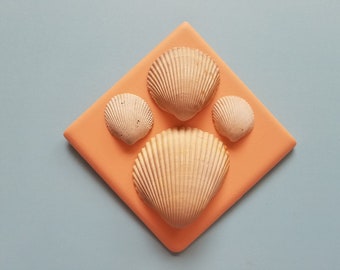
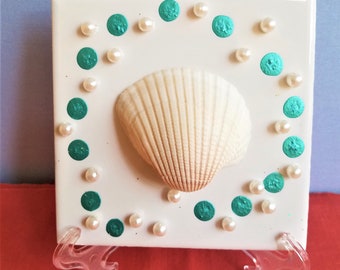
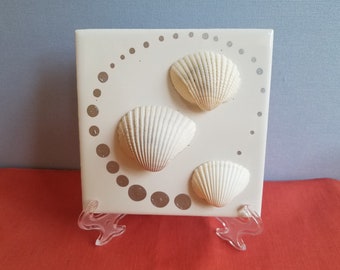
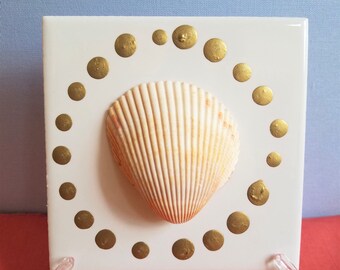
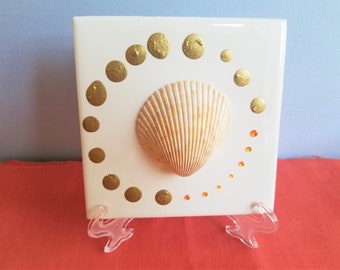
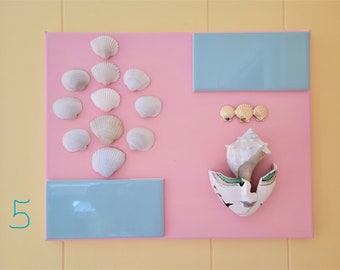
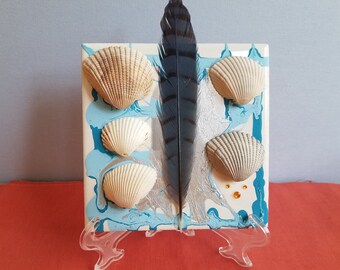
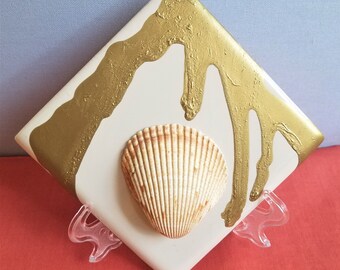
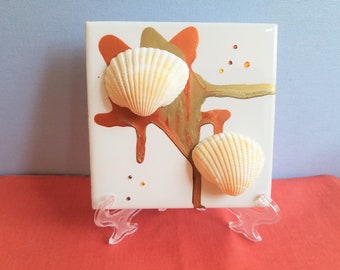
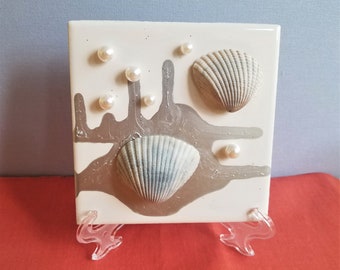
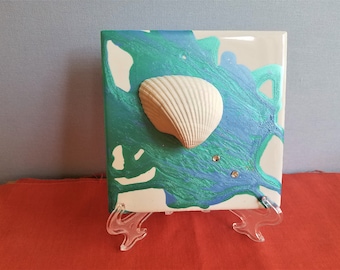
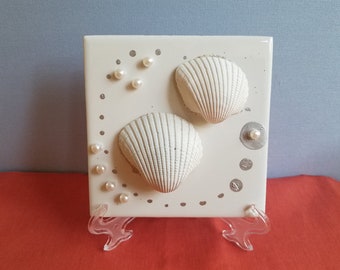
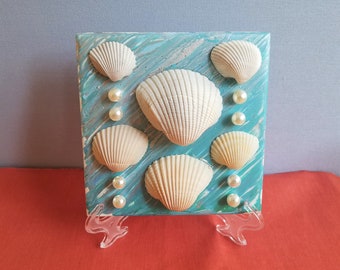
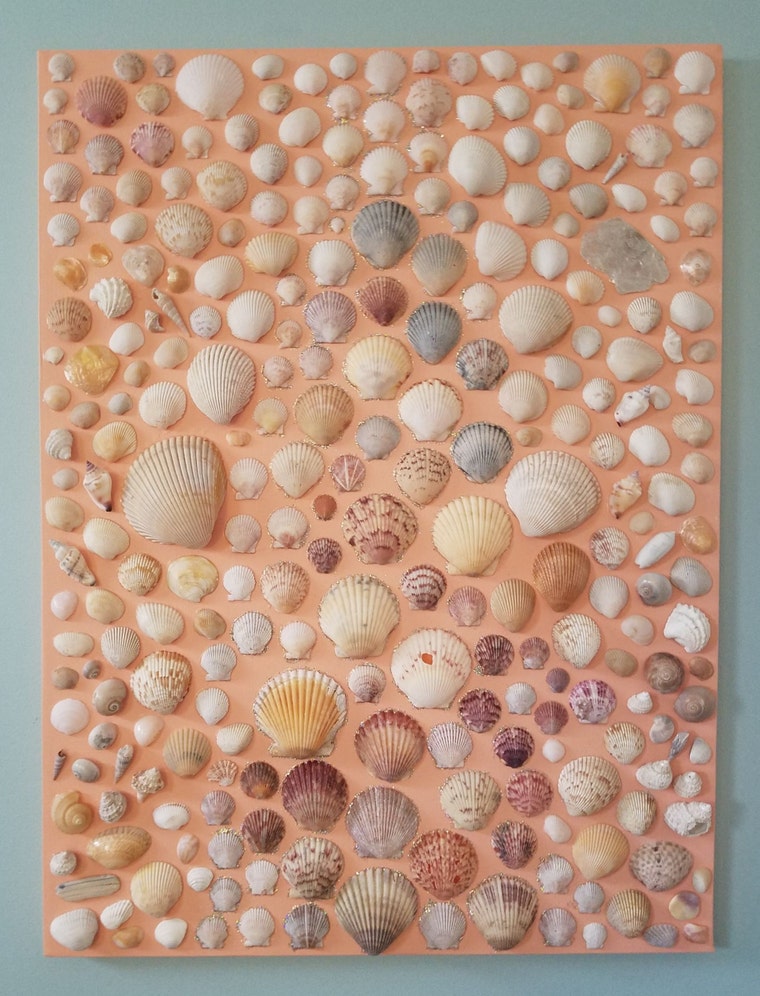
Un giorno, mentre stavo lavorando al mio progetto di conchiglia più completo di sempre (apporre conchiglie su piastrelle da esporre su tele o da appendere a un muro), ho pensato che anche ad altre persone potrebbe piacere mostrare queste. Fu allora che iniziai a pianificare Seaside Color!
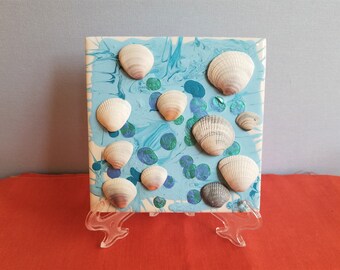
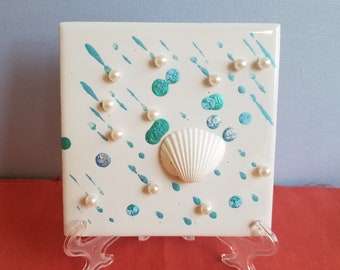
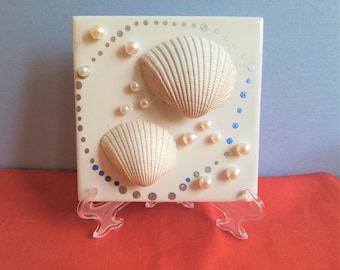
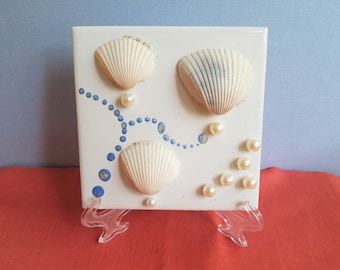
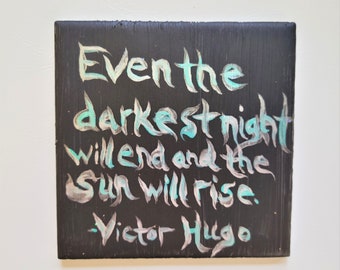
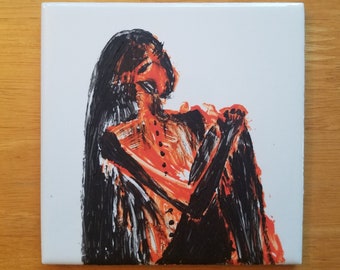
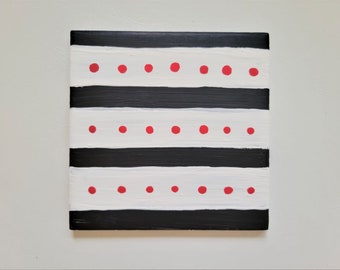
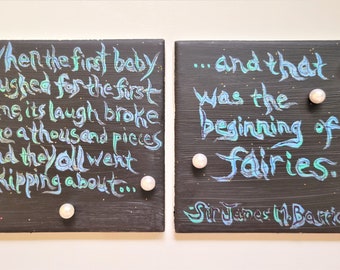
Ci sono molti passaggi coinvolti nella creazione di tessere di conchiglia. Per le conchiglie e le piastrelle dipinte, le dipingo prima alla rinfusa. Per quelli con ganci attaccati, uso quindi JB Weld (resina epossidica auto-grade) per apporre i ganci a dente di sega sul retro delle piastrelle in modo che possano essere appesi a un muro. Per garantire che il legame epossidico non si allenti e si separi dal gancio causando la caduta e la rottura di una piastrella dal muro, mio marito testa il legame su ciascuno tirando il gancio il più forte possibile con un chiodo. Mentre il normale uso da parte dei consumatori non costringerebbe il prodotto a sopportare questo tipo di stress, abbiamo scoperto che la maggior parte dei ganci a dente di sega in metallo rivestito di nero non ha superato questo test. Ecco perché la maggior parte dei ganci sono in metallo non rivestito.
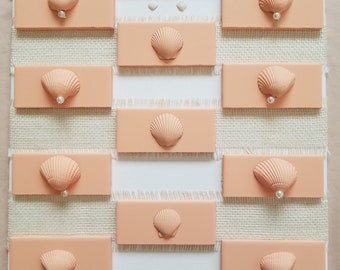
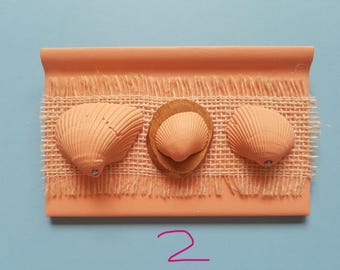
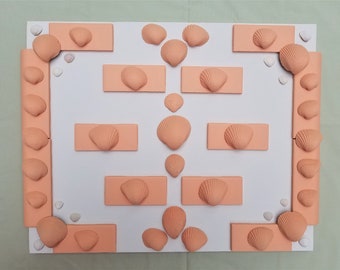
Progettare ogni piastrella è sia la parte divertente che la parte più difficile perché comporta un'attenta considerazione poiché non ci sono due conchiglie uguali! Mentre mi piacerebbe avere un centinaio dello stesso guscio esatto, potrei in realtà avere una manciata di quel tipo e dover essere creativo con il resto. Cerco di creare un design equilibrato e coeso di conchiglie su ogni piastrella. Questo è il motivo per cui c'è una tale varietà di disegni; tuttavia, una manciata di conchiglie hanno lo stesso design (conchiglie più piccole che creano un bordo attorno ai bordi della piastrella). Dopo che le mie decisioni di progettazione sono state completate, passo attraverso l'ultima fase del processo di realizzazione: incollo su tutti i gusci e altri oggetti decorativi (ad esempio perle di cristallo di plastica o piccoli strass) con colla artigianale.
Seaside Color è stato un lungo lavoro in corso con un bambino prezioso a casa e un tempo limitato per lavorare su progetti, ma creare con il mio materiale preferito - le conchiglie - mi porta una tale gioia che mi sforzo di farlo ogni volta che posso!
I started Seaside Color to share my passion of creating art and décor with seashells. For several years, I have been crafting my own décor with shells:
- made-over a cheaply-framed mirror by covering the frame in shells
- bought an old jewelry box and 'be-shelled' in as a nautical treasure chest
- covered two sides of a simple midcentury end table in rows of shells
- strung up strands of shells across a fatal screenless window as a bird decoy
- hung shells from lamps, light fixtures, and in fishnet hung from a ceiling
- filled clear glass vases with shells to create a lamp stand or plant stand
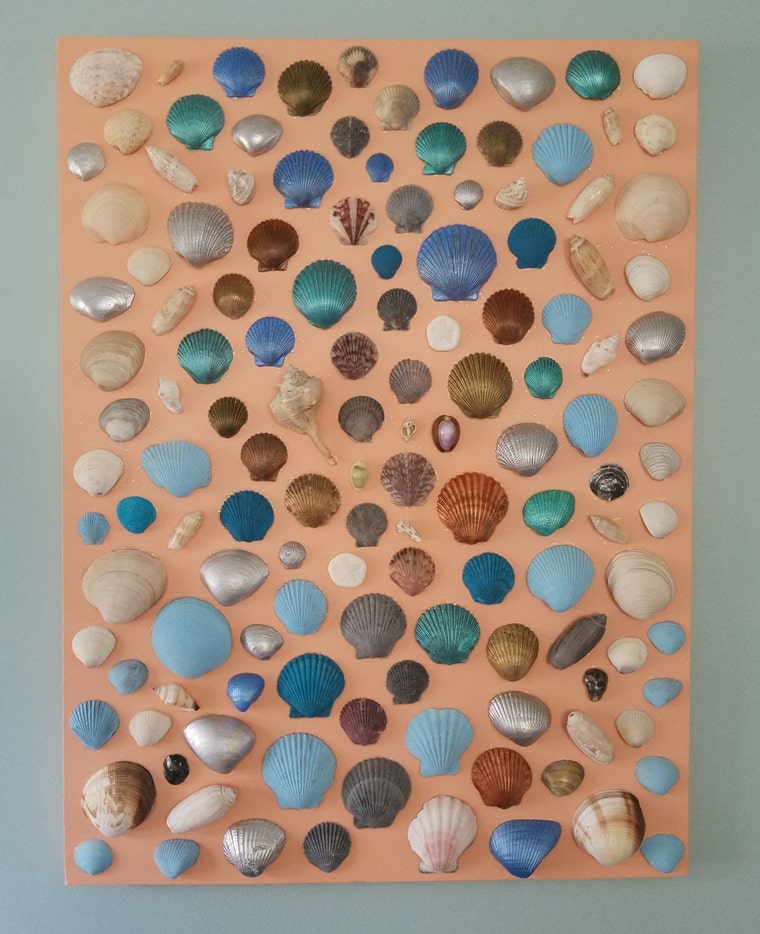
One day, as I was working on my most comprehensive shell project yet (affixing shells to tiles to display on canvases or to hang on a wall), I considered that other people might enjoy displaying these, too. That is when I began to plan Seaside Color!
There are many steps involved in creating shell tiles. For the painted shells and tiles, I first paint them in bulk. For those with hangers attached, I then use JB Weld (auto-grade epoxy) to affix sawtooth hangers to the backs of the tiles so they can be hung on a wall. To ensure that the epoxy bond will not loosen and separate from the hanger causing a tile to drop off the wall and break, my husband tests the bond on each by pulling at the hanger as hard as possible with a nail. While normal consumer use would not force the product to endure this type of stress, we discovered that the majority of black-coated metal sawtooth hangers did not pass this test. That is why most hangers are uncoated metal.
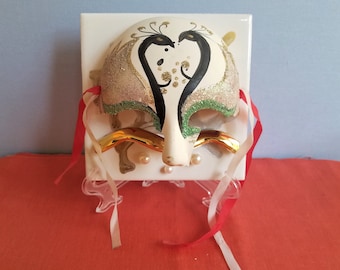
Designing each tile is both the fun part and most difficult part because it involves careful consideration since no two shells are alike! While I would love to have a hundred of the same exact shell, I may in reality have a handful of that type and have to get creative with the rest. I try to create a balanced, cohesive design of shells on each tile. This is why there is such variety of designs; however, a handful of shells have the same design (smaller shells creating a border around the edges of the tile). After my design decisions are complete, I then go through the last step in the making process: I glue on all of the shells and other decorative items (i.e. plastic crystal beads or tiny rhinestones) with crafting glue.
Seaside Color has been a long work in progress with a treasured toddler at home and limited time to work on projects, but crafting with my favourite material - shells - brings me such joy that I endeavor to do it whenever I can!
