

Articolo raro
Prezzo:435,89 €
ANDO 有線七宝 Yusen Shippo Silver Wire Cloisonne Vase 鯉 Koi Carp Goldfish Vaas Blue 銀針 Ginbari Foil Aquatic Plants Jar Fish Jug Japan *Free SH
Puoi fare un'offerta solo acquistando un singolo articolo
Punti salienti
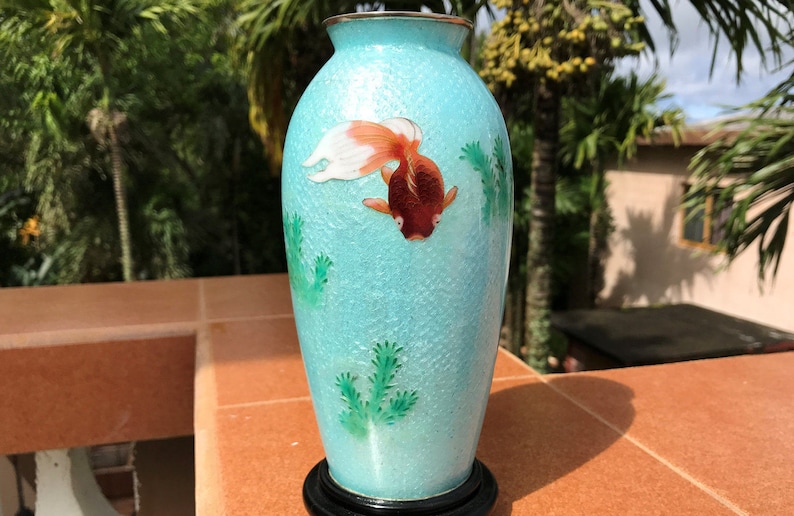
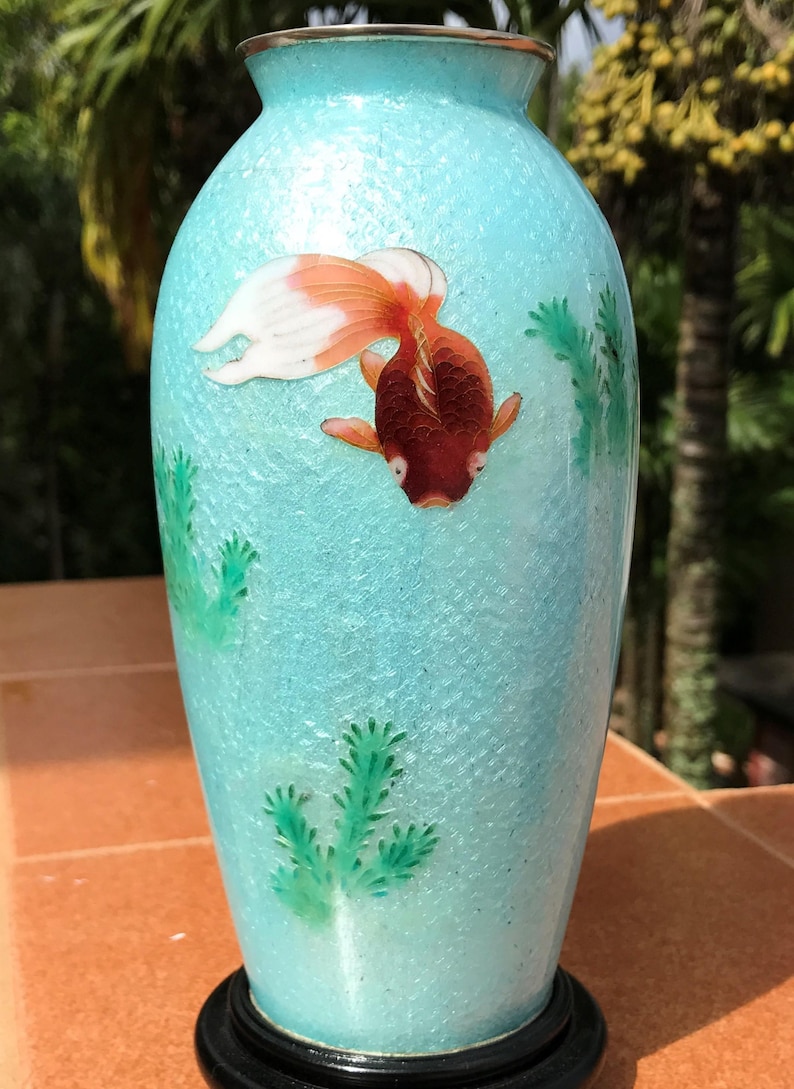
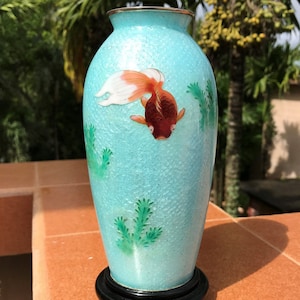
Stunning CLOISONNE GOLDFISH SKY BLUE VASE by ANDO SHIPPO of Nagoya, Japan!
🌴 Please click "+ Learn more about this item” to see the full description including size and condition 🏺
The vase is subdued elegance. It doesn't scream "look at me," it whispers "take a second glance!"
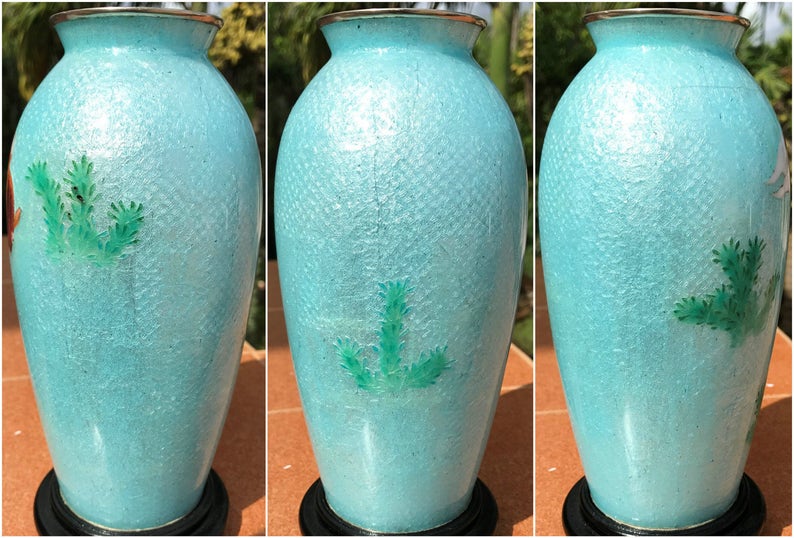
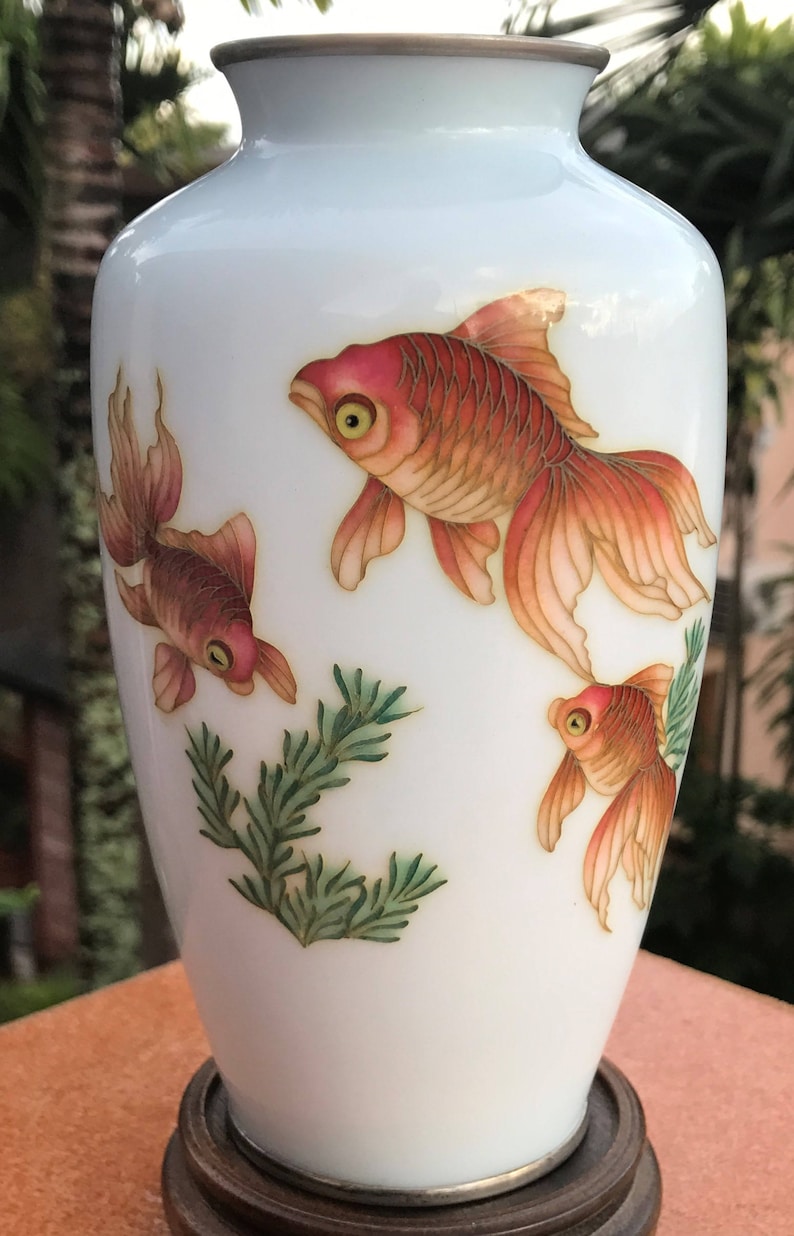
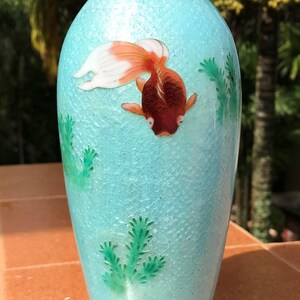
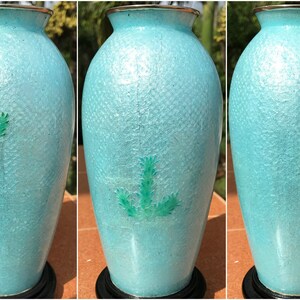
Features an Orange-brown Fantail Goldfish! Vases of any sort including Ginbari depicting Goldfish or Koi are scarce. The pattern draws the eye with such a contrast of a goldfish against a skyblue/seablue shiny ginbari foil background. This background contains tiny embossed aquatic ferns repeated. The same water ferns are featured around the goldfish and also in the back.
Condition & Specs are midway down this description >
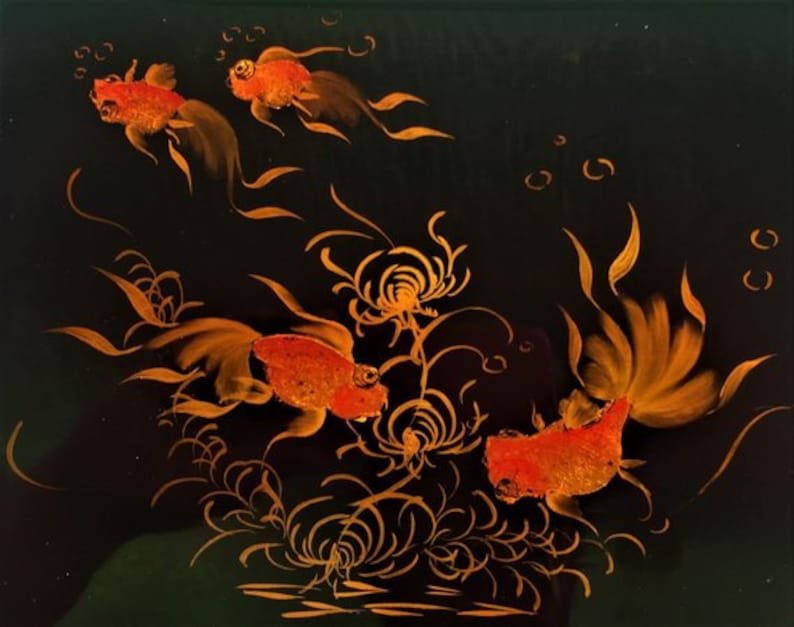
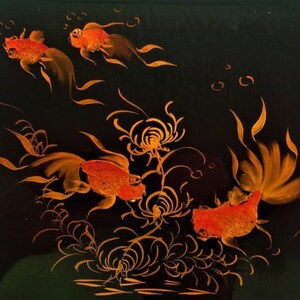
PIC 5 - SHIMMERING BLACK & GOLDFISH LACQUER SILVER HANDLED TRAY >
https://www.etsy.com/it/listing/497421789/q-qi-shikki-black-lacquer-ware-fancy
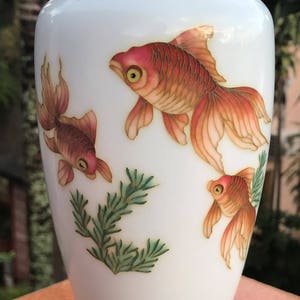
PIC 6 - A BEAUTIFUL DUSTY ROSE GOLDFISH 有線七宝 YUSEN SHIPPO SILVER WIRE CLOISONNE VASE >
https://www.etsy.com/it/listing/532098270/yu-xian-q-bo-yusen-shippo-silver-wire
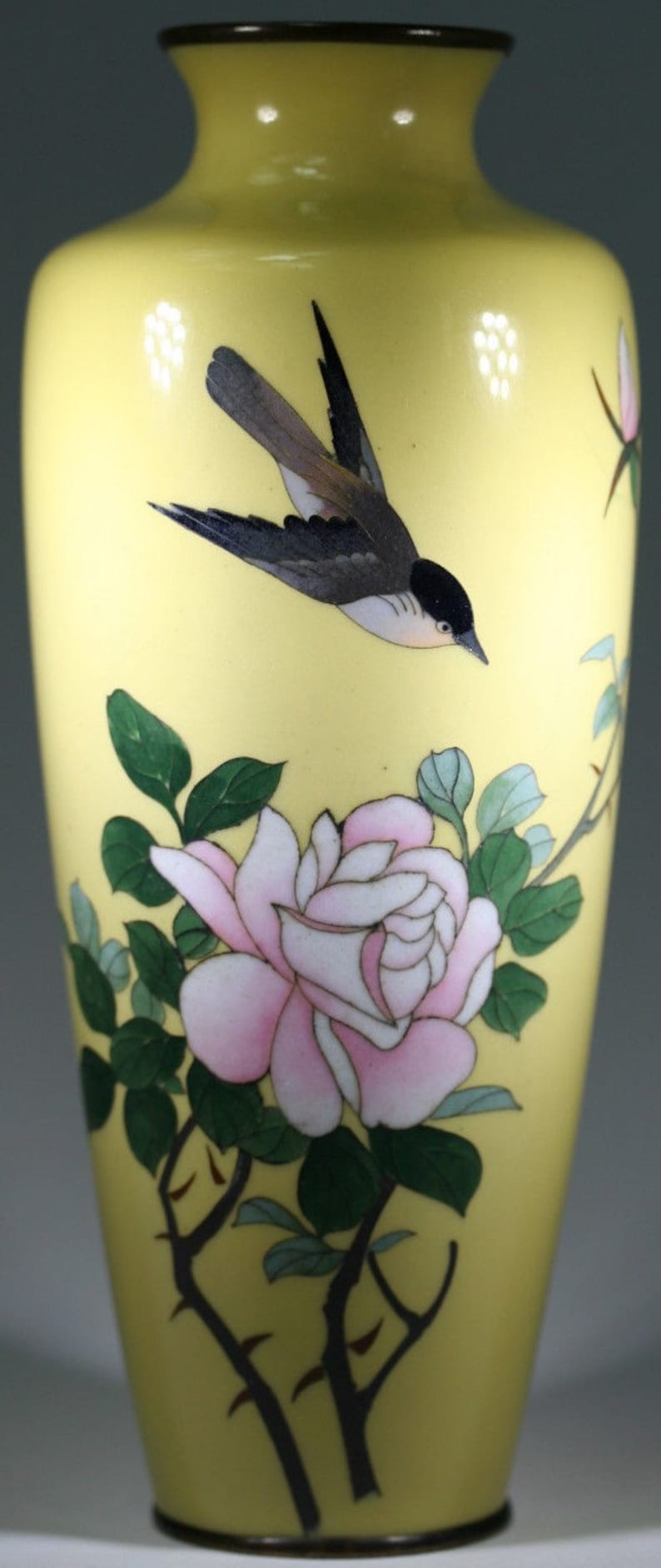
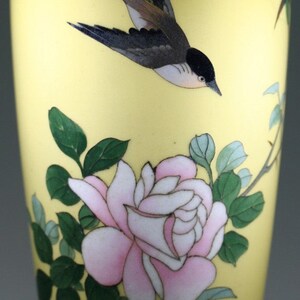
PIC 7 - STUNNING ANDO 有線七宝 YUSEN SHIPPO SILVER WIRE CLOISONNE VASE FEATURING A SWALLOW ABOVE PINK ROSE ON YELLOW VAAS >
https://www.etsy.com/it/listing/490344158/ando-yu-xian-q-bo-yusen-shippo-silver
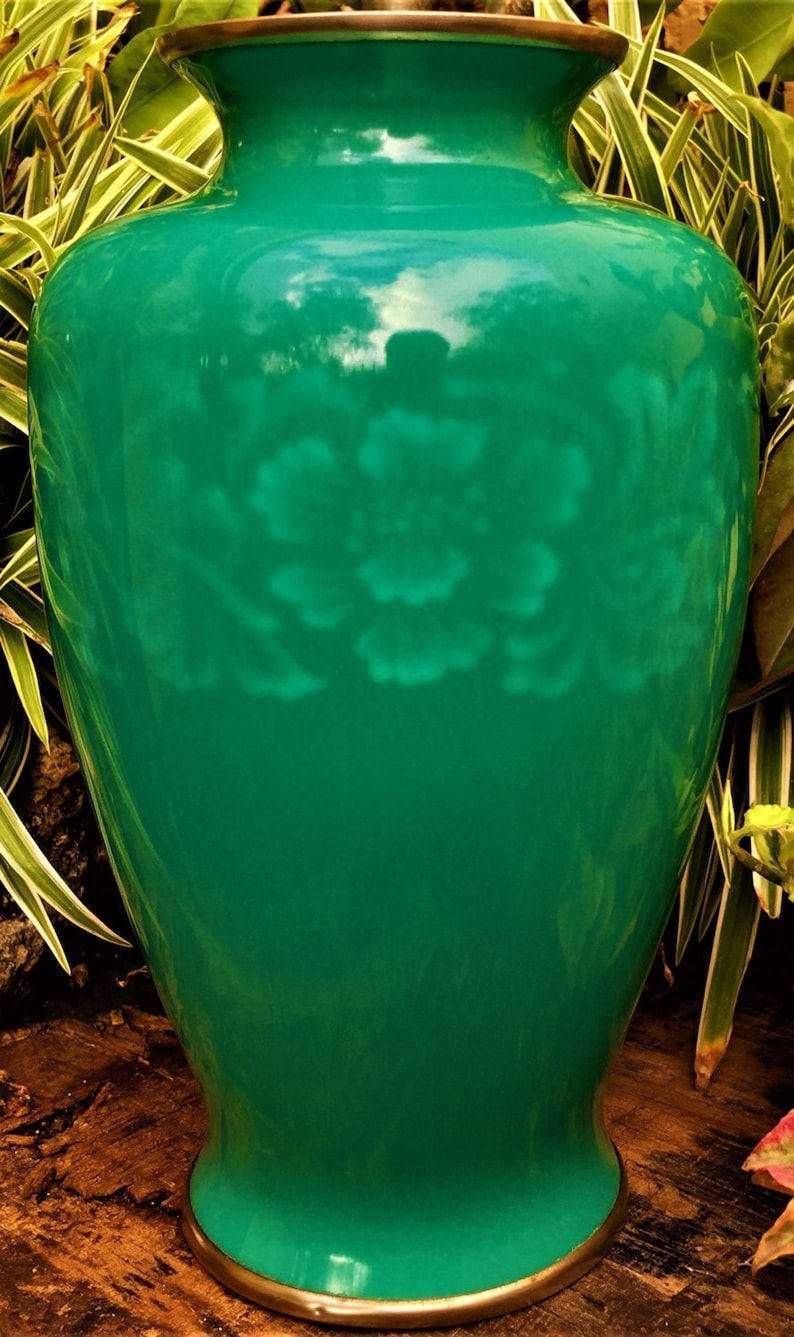
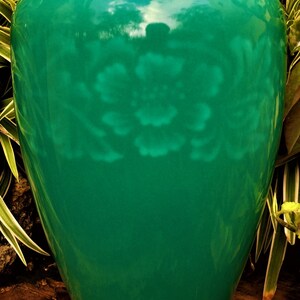
PIC 8 - ANDO 透明釉 無線 七宝 SHIPPO WIRELESS CLOISONNE LARGE VASE 翡翠色 JADE GREEN VAAS 花王 PEONY BLOSSOM 唐草 KARAKUSA ARABESQUE FLORAL URN >
https://www.etsy.com/it/listing/498680053/large-ando-10-tou-ming-you-wu-xian-q-bo
KOI Symbolism >
- YAMABUKI: The gold fish represents (of course) gold, wealth and prosperity.
- OGON: The platinum colored fish also represents the fulfillment of wealth in the form of success in business.
- KUMONRYU: A midnight black colored fish that is named after a Japanese dragon of transformation - and this fish is said to bring about change in life circumstances.
- KOHOKU: A white and red fish (known as a "cap" fish with white body and a red mark on its head) believed to encourage advancement in career.
- KUCHIBENI: Also white and red (known as a "lipstick" fish with a white body and red markings around the mouth) said to inspire long lasting, loving relationships.
SHIPPOU YAKI 七宝焼 - Cloisonne Ware
TOMEIYU SHIPPO 透明釉七宝 - Transparent Enamel Cloisonne
YUSEN SHIPPO 有線七宝 - Wired Cloisonne Technique (usually silver)
GINBARI 銀針 - Embossed Foil
CLOISONNE enamels are painted on and fired and the process done for several layers/firings to build up the enamels to fill in the silver wire spaces of the design until the item is smooth to the touch.
Searching for that PERFECT VASE? Please visit my shop with 200+ Antique Vases from Old Delft, Faience, Chinois to Japonais Fukagawa/Koransha >
https://www.etsy.com/shop/GuamAntiquesNstuff?section_id=17084253
Would make a perfect gift for MOM'S BIRTHDAY or an excellent affordable addition to your own collection!
* FREE SHIPPING MOST COUNTRIES
* Guahan local PU only
- please click on the tab above below the pics for SHIPPING & POLICIES
PHOTOS - integral to description, please use zoom feature to view details.
ANDO CLOISONNE INC. 株式会社 安藤七宝店 FROM - Meiji 13 = 1880 to Present
MARK - Ando maker's mark in silver wire
SPECS - about 7.375"H x 3.625"D
CONDITION - EXCELLENT!
- no knocks, cracks or scuffs
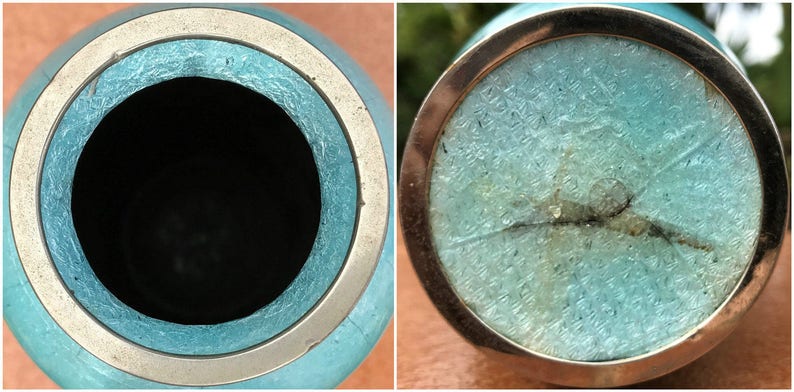
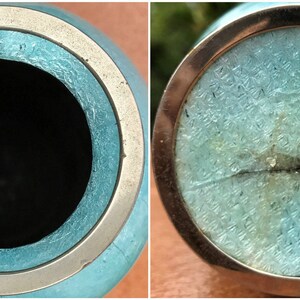
- the bottom of the vase where the mark is, has a crack. It does leak around the silver base. This would be display only.
- there are multiple lines under the glaze, I would say are age-related faults to the ginbari foil
- silver base & rims have tiny pits that I believe can be polished away by a professional
- dings and scratches to the rims and base metal
MY SUBJECTIVE GRADING GUIDE >
Outstanding - pristine, like new
Excellent - excellent as it's antique/vintage (minor issues)
Good - moderate issues
Fair - more than moderate issues, okay for display, but not a prized piece
Poor - major issues = a bargain deserving of continued existence
🌴 🌴 🌴 🌴 🌴 🌴 🌴 WHERE AMERICA'S DAY BEGINS! 🌴 🌴 🌴 🌴 🌴 🌴 🌴
🌺 HÅFA ADAI from the tropical island paradise of GUAHAN (Guam/USA) 🌺
ANDO CLOISONNE INC. 株式会社 安藤七宝店
FROM - Meiji 13 = 1880 to Present
"Owari province was one of the foremost production centres of enamel in the country. During the Edo period the Andō family operated a pipe shop called "Murata-ya". Andō Jubei (Jusaburo) (1876-1953) was born in Nagoya as the fourth child; he had three elder sisters. His mother passed away in May 1877 following an illness, and his father followed in September 1877. Orphaned at less than one year old, he was raised according to his father’s will by staff employers. His older sister married Andō Juzaemon, whose born name was Matsukichi. Together with his brother-in-law they made the cloisonné company a success. In 1893, Andō Juzaemon went to the World's Columbian Exposition in Chicago. It was his first time to travel overseas, and he used the opportunity to study the market. In 1901 Andō Jubei went to the Glasgow International Exhibition, which was his first overseas travel, and he stayed for two years in a British home to study the market.
After they returned back to Japan, they invited Kawade Shibatarō (1856–1921) as head of the studio, who further developed plique-à-jour. Cloisonné experienced strong growth around the time of the Paris Exposition Universelle in 1900. Japanese enamel work became sought after in the west and sourced many pieces from Toshima, which is the origin of Owari cloisonne.
As of 1918, at least fifty cloisonné artists worked there. The company was given an Imperial Warrant of Appointment to the Japanese court. Ando cloisonné was also presented as state gifts. Manchukuo Prime Minister Zheng Xiaoxu (1860-1938) wrote four Chinese characters in calligraphy in praise of a vase that was presented to him as a gift.
It is one of the very few traditional cloisonné companies still left in Japan. The main store in Sakae has a small museum with objects by the Ando company and also Namikawa. Objects from Ando are held in the collection of the Walters Art Museum and in the Victoria and Albert Museum."
🌸 🌸 🌸 🌸 🌸 🌸 🌸 🌸 🌸 🌸 🌸 🌸 🌸 🌸 🌸 🌸 🌸 🌸 🌸 🌸 🌸 🌸
"Although Chinese cloisonné enamels had long been highly valued it was not until the late sixteenth century that cloisonné enamels became more widely used in Japan.
Enamelling was employed primarily on architectural fittings, for example hikite (door-pulls) and kugi-kakushi (decorative nail covers) as well as for the decoration of small objects such as suiteki (water-droppers), part of writing sets and used in the preparation of ink.
There had long been a demand among the samurai for fine decoration of sword fittings and cloisonné enamels were used on tsuba (sword guards). The finest of these were made by the Hirata School, founded by Hirata Dōnin (died 1646) which was active well into the nineteenth century.
The renaissance of Japanese cloisonné manufacture is credited to the former samurai, Kaji Tsunekichi (1803 - 1883) of Nagoya in Owari Province (modern Aichi Prefecture). Kaji, like many other samurai of his time, was forced to find ways to supplement his meagre official stipend. It is believed that around 1838 he obtained a piece of Chinese cloisonné enamel and by taking it apart and examining how it was made, he eventually produced a small cloisonné enamelled dish.
By the mid-1850s he was sufficiently confident take on pupils and by the late 1850s was appointed official cloisonné maker to the daimyō (feudal chief) of Owari. He based his designs on the motifs and colour-schemes of Chinese cloisonné enamels and his early works are characterised by the use of a larger number of background wires. These were decorative, forming an integral part of the design, and practical in that they prevented the enamels from running during firing."
🌸 🎏 家族 🎏 家族 🎏 家族 🎏 家族 🎏 家族 🎏 家族 🎏 家族 🎏 家族 🎏 🌸
I'm not an expert on Porcelain. The information above is based on my research as a collector. It's time to downsize and find an appreciative home for this exquisite piece!
Feel free to contact me if you have questions or need additional photos.
-
Ordina oggi per riceverlo entro il giorno 19-23 mag
Se acquisti oggi, il tuo ordine dovrebbe arrivare entro questa data. Per calcolare una stima della data di consegna su cui poter contare, consideriamo alcuni fattori come gli ultimi tempi di percorrenza del corriere, i tempi di lavorazione insieme alla cronologia delle spedizioni del venditore, e i luoghi di partenza e arrivo dell'ordine.
-
Non si accettano resi e cambi
Tuttavia, contattami in caso di problemi relativi all'ordine.
-
Spedizione gratuita
-
Viene spedito da: Guam
Si è verificato un problema durante il calcolo delle spese di spedizione. Riprova.
Protezione degli acquisti di Etsy
Acquista con sicurezza su Etsy sapendo che in caso di problemi con un ordine proteggeremo tutti i tuoi acquisti idonei.
vedi termini programma

Scrivi la prima recensione di questo articolo


Spedizioni precise Si è distinto per spedizioni puntuali con tracciamento.
Risposte rapide Si è distinto per risposte rapide ai messaggi.
Altro da questo negozio
Visita negozio-
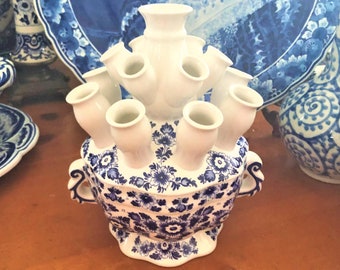
Delft Tulipiere Vase Delfts Blauw Vaas 15 Neck 花王 Kaou Pioen Peony Blossoms Pique Fleurs Tulipier Floral Finger Jar Flower Jug
346,73 €
-
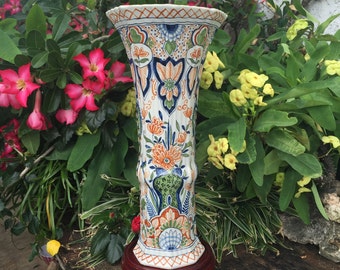
1800's Makkum Tichelaar Tall Delft Polychrome Vase Delfts Polychroom 菊 Kiku Chrysant Chrysanthemum Vaas Friesland Netherlands *Free SH
435,89 €
-
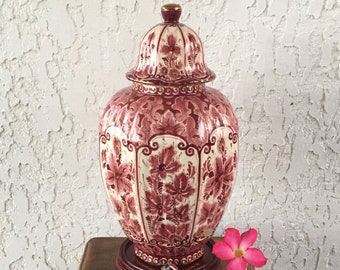
LARGE! Regina Delft Red Ginger Jar Delfts Rood Deksel Vaas Orchid & Tiger Lily Pink Gold Temple Vase Lidded Urn Jug Netherlands Free SH
693,46 €
-
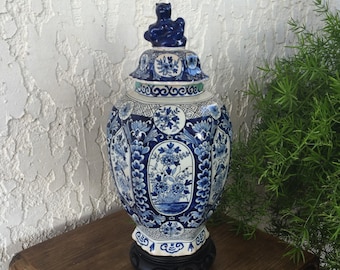
1700's Old Delft Ginger Jar Vase Delfts Blauw Chinois 花王 Kaou Pioen Peony Deksel Vaas Signed Jacobus Pynacker? Urn Netherlands *Free S&H
346,73 €
-
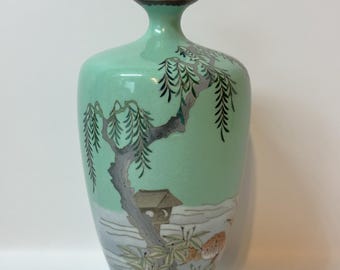
Vaso giapponese in cloisonné. Pesce rosso, fondo verde pallido. Circa 1900. 4 3/4"
708,82 €
-
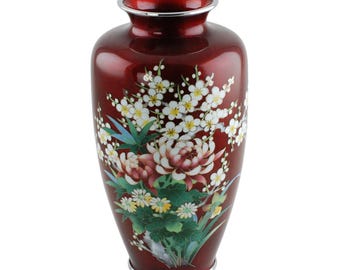
Vaso Ginbari vintage giapponese Ando in smalto cloisonné e lamina in rilievo
757,86 €
-
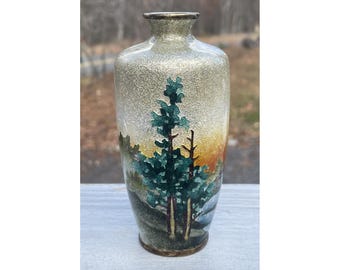
Vaso antico in cloisonné con foglia Ginbari, Giappone, epoca Meiji, XIX secolo
312,06 €
-
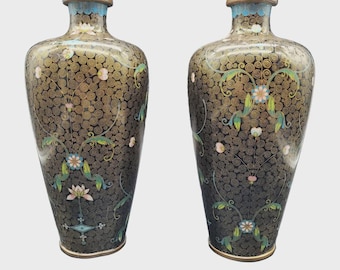
Vaso antico giapponese in cloisonné, vasi del XIX secolo
173,86 €
-
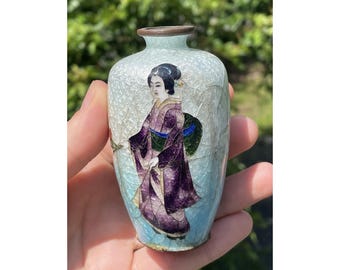
Vaso in lamina giapponese Cloisonne Geisha Ginbari antico da 3,5" dell'epoca Meiji, XIX secolo.
179,48 €
-
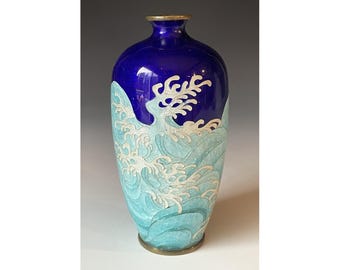
Vaso antico in foglia cloisonné Ginbari giapponese del XIX secolo, raffigurante onde oceaniche, risalente all'epoca Meiji
490,38 €
-
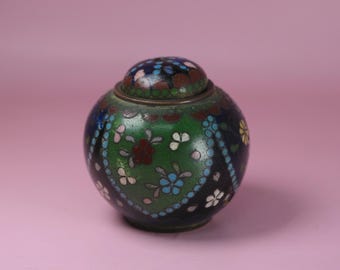
Cloisonne in bronzo Koro giapponese antico del periodo Meiji
423,72 €
-
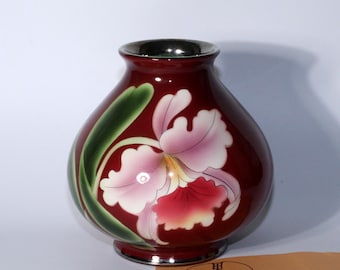
Vaso in cloisonné giapponese Shippou con decorazione floreale KOKUSUI PV237
Prezzo scontato 80,28 €
Prezzo originale 89,20 €
-
Antico vaso cloisonne giapponese
Prezzo scontato 2.039,54 €
Prezzo originale 2.719,38 €
-
Vaso cloisonné giapponese antico
Prezzo scontato 51,67 €
Prezzo originale 103,34 €
-
Antico vaso cloisonné giapponese del periodo Meiji intorno al 1890
223,96 €
-
Antico vaso giapponese in cloisonné con figure geometriche su fondo nero
713,28 €


