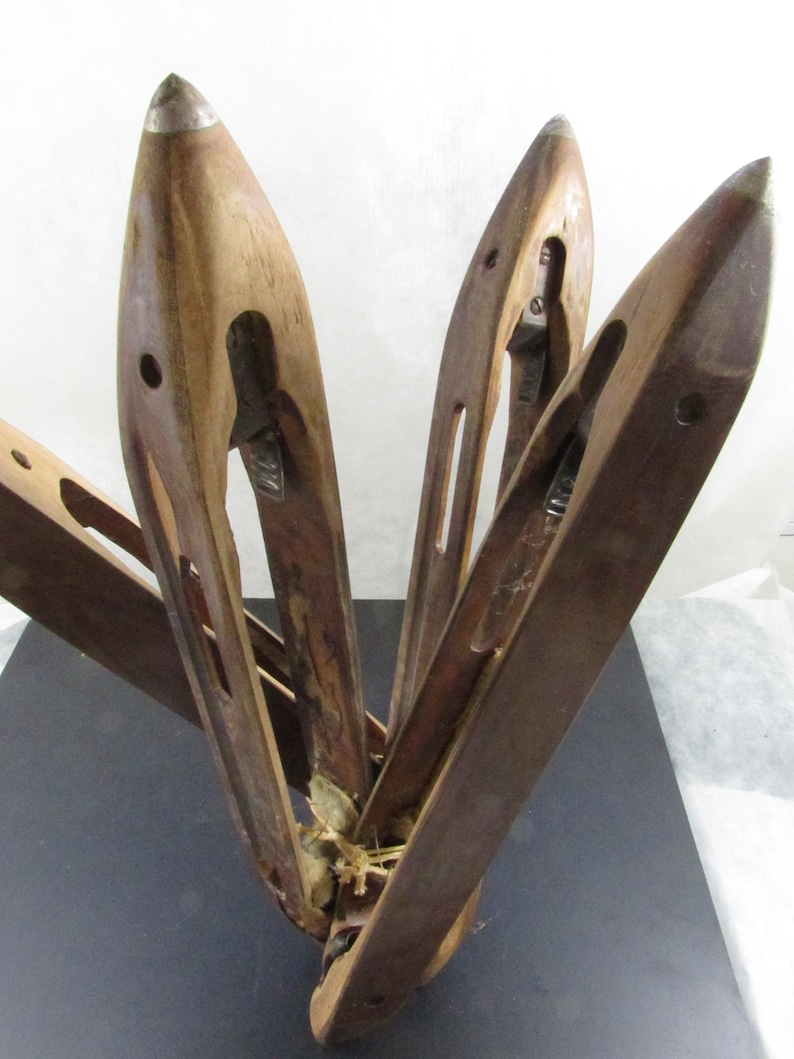
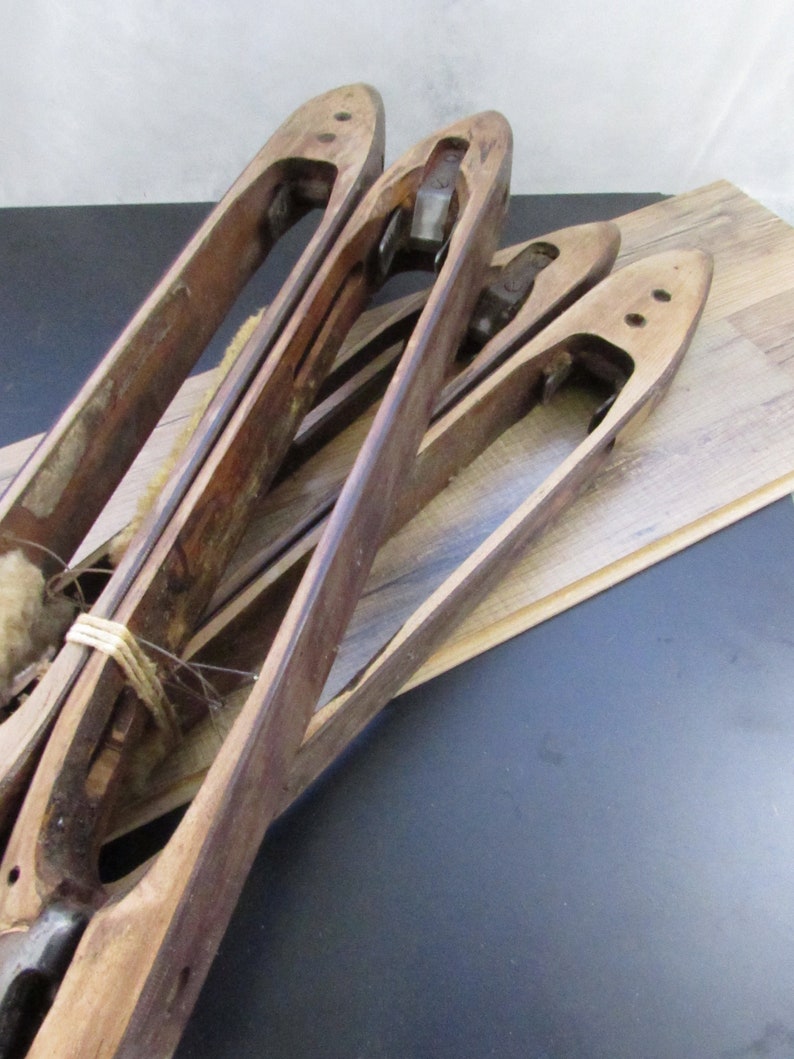

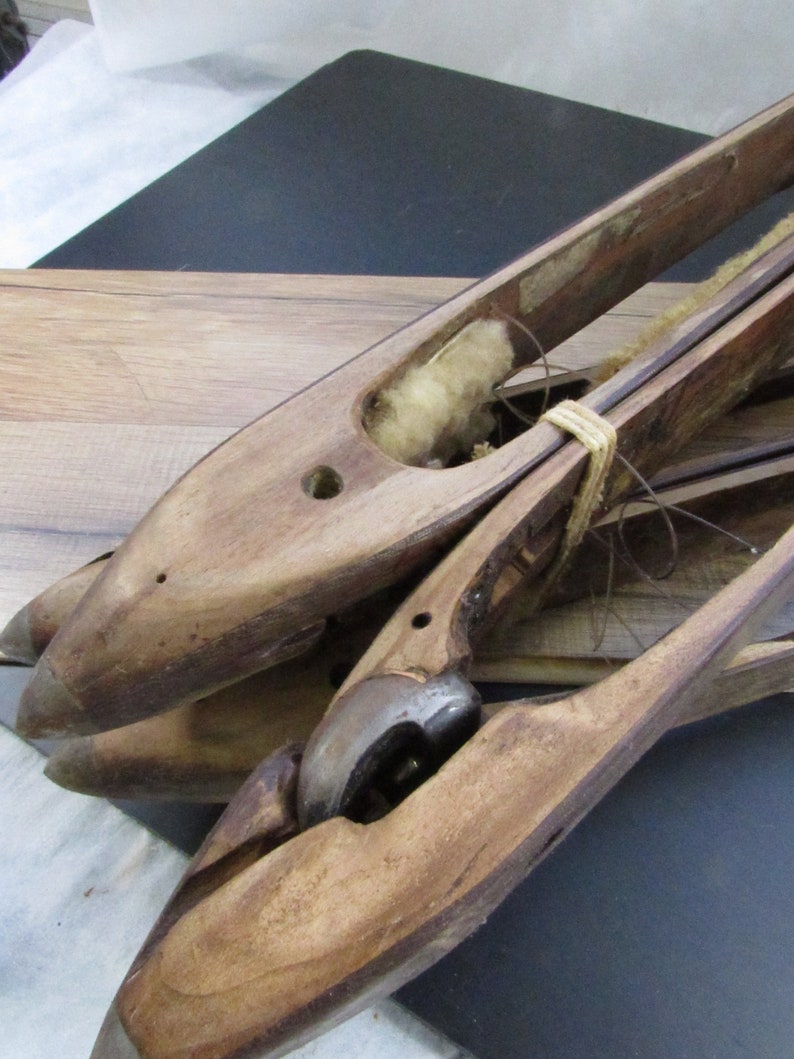

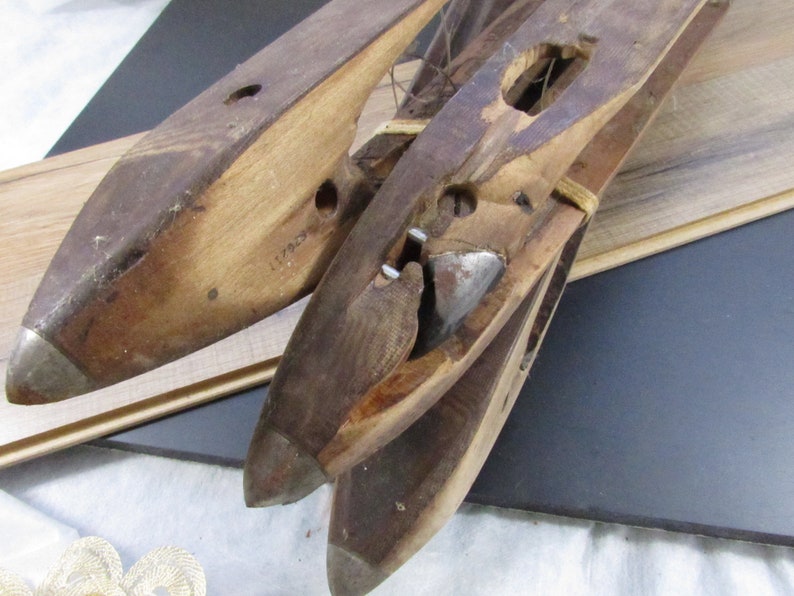
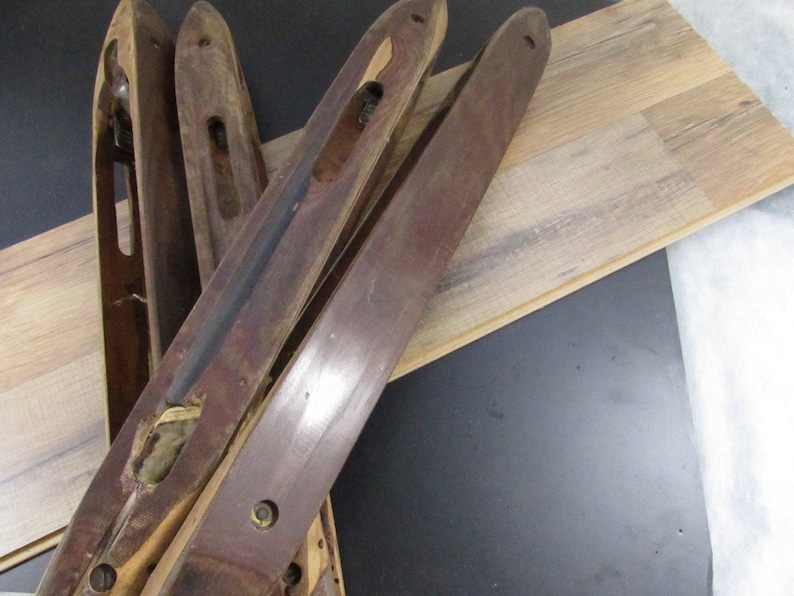


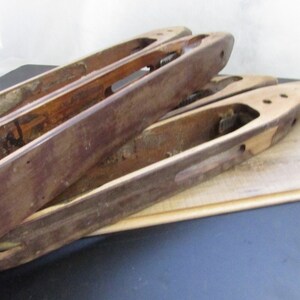
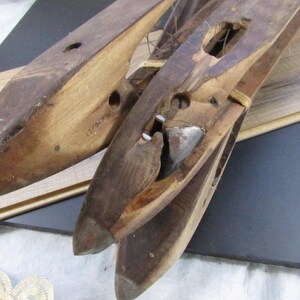
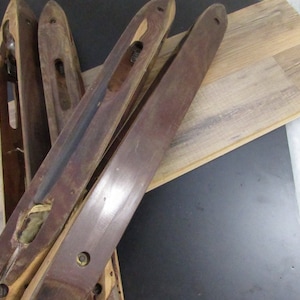

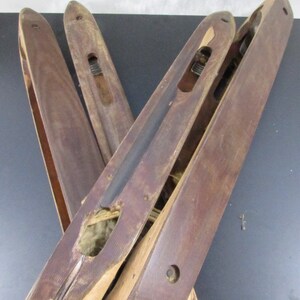
Antique Wooden Weaving Shuttle, Metal Tip - NC Textile Relic
Low in stock, only 2 left
NowPrice:£27.54
Original Price: £34.42
20% off
£71.23+ incl. postage
Star Seller
Star Sellers have an outstanding track record for providing a great customer experience – they consistently earned 5-star reviews, dispatched orders on time, and replied quickly to any messages they received.
Your order should arrive by this date if you buy today. To calculate an estimated delivery date you can count on, we look at things like the carrier's latest transit times, the seller's processing time and dispatch history, and where the order is dispatched from and delivered to.
You can only make an offer when buying a single item.
Star Seller. This seller consistently earned 5-star reviews, dispatched on time, and replied quickly to any messages they received.
Highlights
Price is for ONE, 4 are available. Authentic wooden weaving shuttle form one of the area mills that have longed closed here in Concord, NC. Measure 20 in x 2 in wide, the wood looks lik ewalnut.
http://www.historync.org/textiles.htm
With the creation of the first cotton textile mill around 1815 by Michael Schenck in Lincoln County, North Carolina began a long process towards building its manufacturing industries. By 1900, the American textile industry was well on its way to moving to the Carolinas from New England.
North Carolina became the center of the textile business by the 1920s and continued outstanding success throughout the 20th Century.
But free trade regulations and fierce price competition from global developing countries triggered a steady relocation of the textile industry from the Carolinas to overseas production as the 21st Century began.
Industry Development
In 1810, Tench Coxe prepared the first national assessment of manufacturing in the U.S. At that time, North Carolina was producing more textile products by hand, than was Massachusetts with its emerging factory system. (Statement of Arts and Manufactures in the United States, 1810: N. C., $2,989,140; Mass., $2,219,279.)
But North Carolina textile manufacturing grew slowly and Massachusetts efforts proliferated.
Schenck's first mill was on a small stream, McDaniel's Springs in Lincoln County just east of Lincolnton. It was damaged by 1816. He and partner Absolom Warlick contracted with Michael Beam to built new spinning machinery in April 1816 for implementation in a new mill on that stream before the end of 1817. Around 1818, Schenck decided to move the entire mill operation to the South Fork of the Catawba River (south of Lincolnton) which offered a more consistent water supply. He built another mill in 1819 with partners, John Hoke and James Bivings, which operated until 1863.
An 1822 report on textile manufacturing warned: "our citizens must turn a portion of their labours and enterprise into other channels of industry (other than agriculture and extractive efforts); otherwise, poverty and ruin will fall on every class of our community."
Textile mills spread throughout the Piedmont region, such as the Spray mills and industrial complex first started in 1839.
There were about 45 textile mills in operation by 1860 -- 39 cotton and 7 woolen mills, These antebellum textile mills were small water-powered operations. There were a substantial number destroyed during the war, especially in the last 90 days of the conflict. However following the war, many were restarted by pioneering textile families on the same sites.
Textiles would rebound leading to the First Cotton Mill Campaign during Reconstruction. By 1870, 113 textile mills were operating in the state, employing 3,053 workers, with $2,237,200 in capital and $2,923,725 in products. That would grow to (insert figures; until NC leads the country in 1923.
In 1899, North Carolina had 177 textile mills with 30,273 workers and 1.1 million spindles - ranked behind the nation's leader Massachusetts, Rhode Island, South Carolina and New Hampshire. The state produced $28.4 million in textile products, slightly behind South Carolina with $29.7 million and far behind Massachusetts with $110.5 million.
That order would all change by 1925. In 1923, there were 351 mills in North Carolina, employing 81,041 workers producing $326.5 million in goods. Only Massachusetts would edge the Old North State.
The growing textile industry during 1930 - 1990 helped North Carolina's economic development. But controversy hit the mills in the early years of the century with protests over child labor leading to new U.S. and state laws. In addition, labor unrest and attempts at unionization marked the business with periodic turmoil.
With unionization making in-roads during the 1980s and 1990s, the textile industry also faced stiff price competition from overseas producers.
Just as the industry had moved South during the 1880 - 1935 period to take advantage of lower production and wage costs, so too did the industry in the 1990s begin to shift production into other countries.
The industry has faced numerous bankruptcy reorganizations during the past decade. There are still North Carolina firms that have carved and maintained a world-leading textile niche. But textile industry employment continues to decline.
-
Order today to get by 22-27 Oct
Your order should arrive by this date if you buy today. To calculate an estimated delivery date you can count on, we look at things like the carrier's latest transit times, the seller's processing time and dispatch history, and where the order is dispatched from and delivered to.
-
Returns & exchanges not accepted
But please contact me if you have problems with your order
-
Postage: £6.28
-
Sent from: Concord, NC
There was a problem calculating your postage. Please try again.
Etsy Purchase Protection
Shop confidently on Etsy knowing if something goes wrong with an order, we've got your back for all eligible purchases —
see programme terms

Be the first to review this item


Smooth dispatch Has a history of dispatching on time with tracking.
Speedy replies Has a history of replying to messages quickly.
Rave reviews Average review rating is 4.8 or higher.
More from this shop
Visit shop-
Antique PRIMITIVE 18th Century Pewter Plate EACH
Sale Price £91.09
Original Price £113.87
£123.14+ incl. postage
-
Vintage Silver Medals Religious Iconic Relics Religious Pendants Medallions Spiritual Italian Saints Pope Collectibles
Sale Price £23.04
Original Price £28.80
£51.65+ incl. postage
-

Vintage NASCAR Racecar Collectibles in Box EACH
Sale Price £6.35
Original Price £7.94
£34.96+ incl. postage
-
Vintage WEDGEWOOD Jasperware GREEN Royalty Giftware
Sale Price £18.81
Original Price £23.51
£47.42+ incl. postage
-

Antique Oak Carpet Loom Shuttle: Vintage Weaving Boat Shuttle, USA Made
£76.86
FREE UK delivery
-

Antique Weaving Shuttle, Loom Shuttle, Boat Shuttle, Wooden Shuttle, Fly Shuttle, Handmade Shuttle, Weaving Tool, Loom Tool, Weaving Gifts
£223.79
FREE UK delivery
-

Vintage Wooden Weaving Shuttle – Antique Yarn Winder, Rustic Decor
Sale Price £11.32
Original Price £15.09
£28.50 incl. postage
-

Antique Wooden Weaving Loom Shuttle: Handloom Boat Shuttle, Rustic Decor
£43.34
FREE UK delivery
-
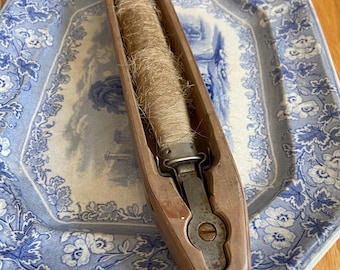
Antique Wooden Shuttle for Weaving Loom Watson William Mfg. Co
£43.38
£73.51+ incl. postage
-
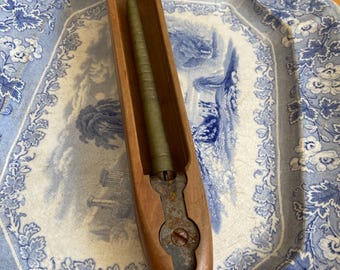
Antique Wooden Shuttle for Weaving Loom 7975 Watson Williams Manufacturing Company
£43.38
£73.51+ incl. postage
-

Vintage, Beech Wood, 'Pilkingtons Superwood' Weavers shuttle. Vintage wooden loom shuttle. Large textile shuttle. Weavers shuttle.
£16.00
FREE UK delivery
-
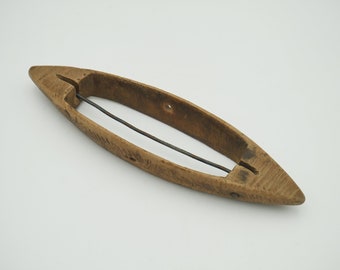
Vintage handmade wooden weaving flying shuttle for hand weaving
£50.75
FREE UK delivery
-

Vintage Wooden Weaving Shuttle: Antique Loom Tool, Circa 1900s
Sale Price £28.06
Original Price £33.01
£37.02 incl. postage
-

Vintage Wooden Loom Shuttle – Stick Shuttle, Metal Tipped - More shuttles added!
£10.57
£27.49 incl. postage
-
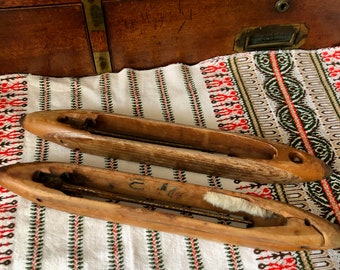
2 x flying shuttle, boat shuttle
£49.00
FREE UK delivery
-
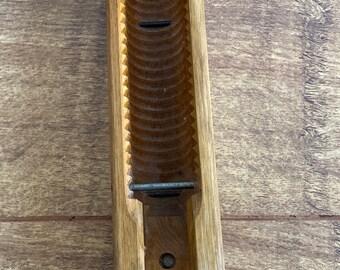
Large Antique Wooden Weaving Shuttle c.1880’s
£65.00
FREE UK delivery
Disclaimer: Etsy assumes no responsibility for the accuracy, labelling, or content of sellers' listings and products. Electrical or electronic products may pose a risk of fire or electrocution. Vintage, handmade, refurbished, or modified electrical or electronic products may not meet current safety standards and may not be in safe working order. Inspect carefully before use and message the seller if you have concerns relating to the product. Do not use a vintage electrical or electronic item if its safety can't be verified. To reduce the risk of fire, never leave vintage electrical or electronic products plugged in unattended. See Etsy's Terms of Use for more information.
Shoppers with similar taste loved these
-
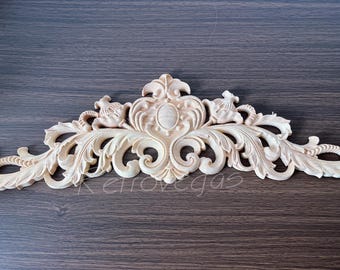
Carved Wood Applique: Unpainted Rubberwood Corner Onlay (15.75" x 4.7") MD-20
Sale Price £7.79
Original Price £11.13
£12.41 incl. postage
-

Vintage Olive Musical Carved Wood Applique, Furniture Onlay, Single, Available in 14-3/4" & 18-3/4" Wide
£29.23
£35.64 incl. postage
-
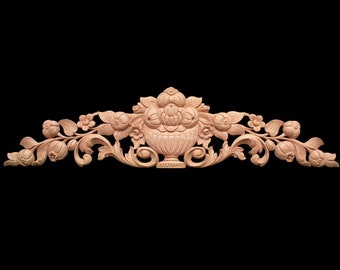
APL-03: Hand carved woodcarving Fruit Basket Centre Applique | Harvest Millworks | Applik | Onlay Millwork decorative furniture components.
£118.67
FREE UK delivery
-
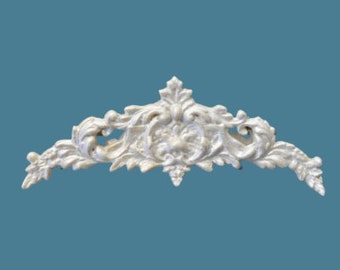
Bendable French Pediment, Lightweight Furniture Moulding, Handmade USA
£14.15
£31.13 incl. postage
-
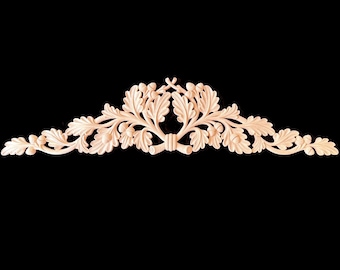
APL-29: Hand carved Acorn and leaves Decorative Scroll Millwork Wood Applique ornament | Woodcarvings Corner Applique | Acorn Rococo Appliq
£94.14
FREE UK delivery
-

Digital download
Antique World Maps Digital Paper, Vintage Textures (Digital Download)
Sale Price £2.15
Original Price £3.08
-

Digital download
Vintage World Maps Digital Paper - Scrapbook Paper - Printable - Commercial use
£3.72
-

Digital download
16 Old Maps | Vintage Digital Maps
Sale Price £1.08
Original Price £1.80
-

Digital download
Antique Map Images / Medieval Renaissance Maps / Digital Download / Commercial Use / Clipart
£2.79
-

Digital download
Vintage Printable Rip Strips for Junk Journals, Vintage Maps Border Washi Tape Digital Scrapbook Download, Antique Maps Travel Ephemera
£1.42
-

Digital download
Antique Maps Digital Paper, 12x12, Instant Download, Globe Background, Printable Old Charts, Vintage Texture, Scrapbook Paper, Collage Sheet
£2.82
-

Digital download
Antique Maps, Antique ATC Images, Printable Antique Maps, Digital Antique Maps, Paper Antique Maps, Vintage Map Antique, Scrapbook 000042
£3.17