

Articolo raro
Prezzo:239,72 €
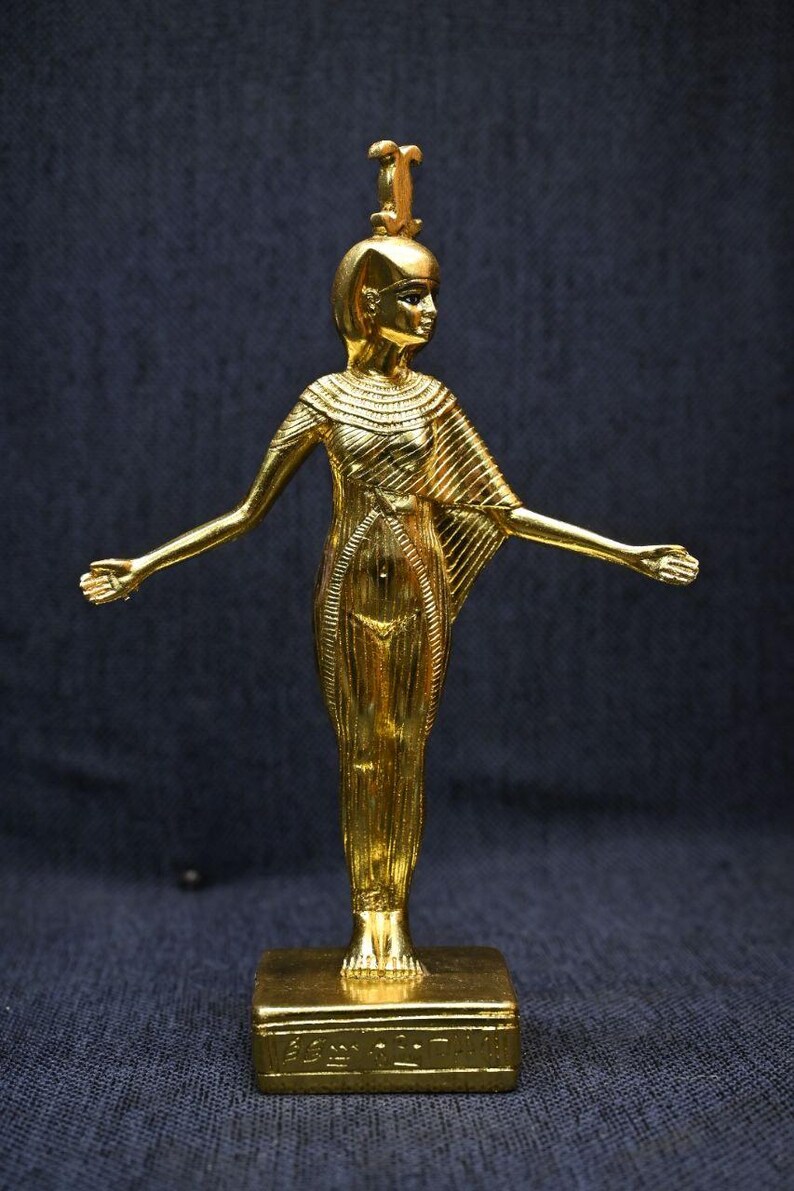
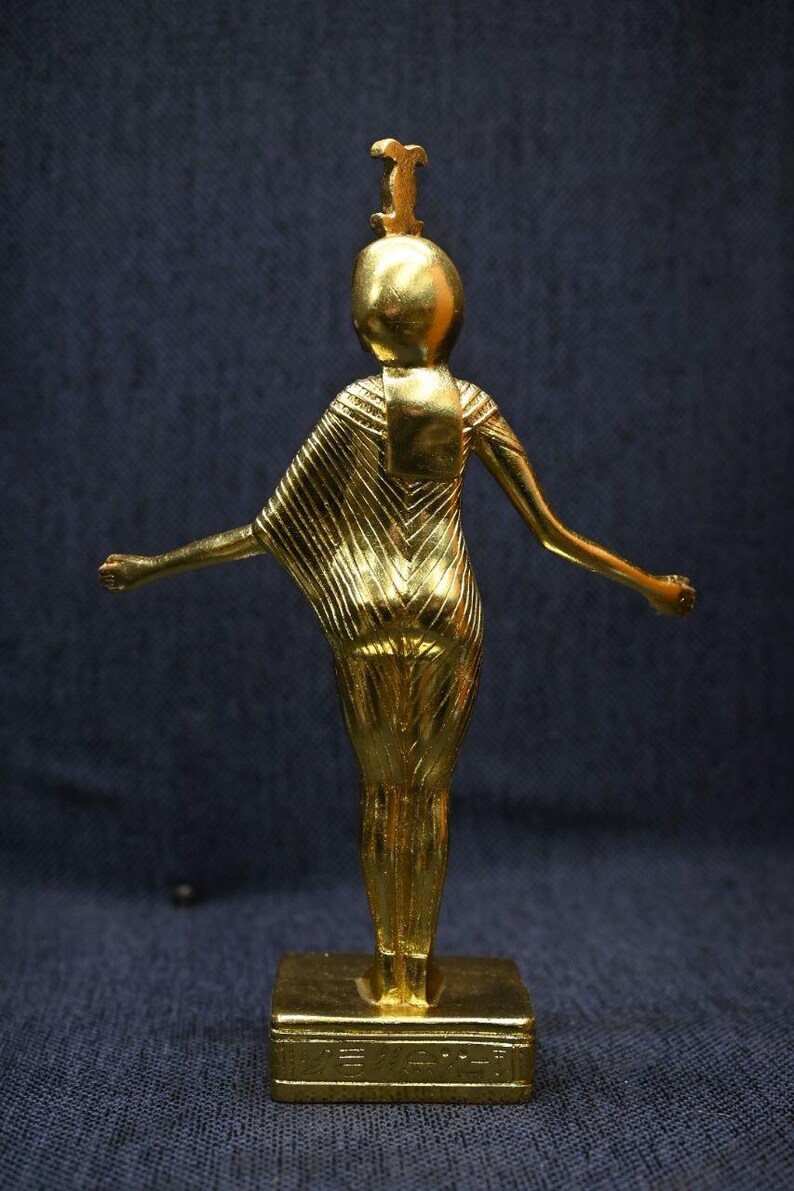
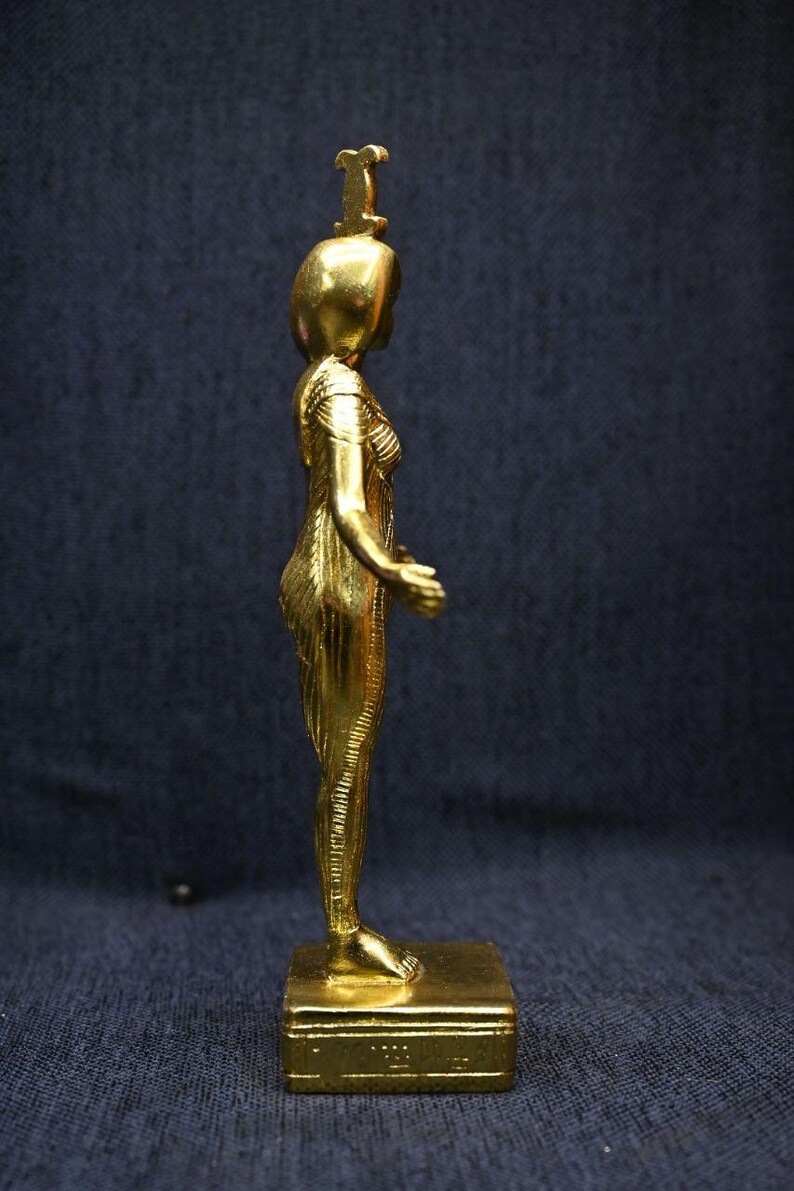
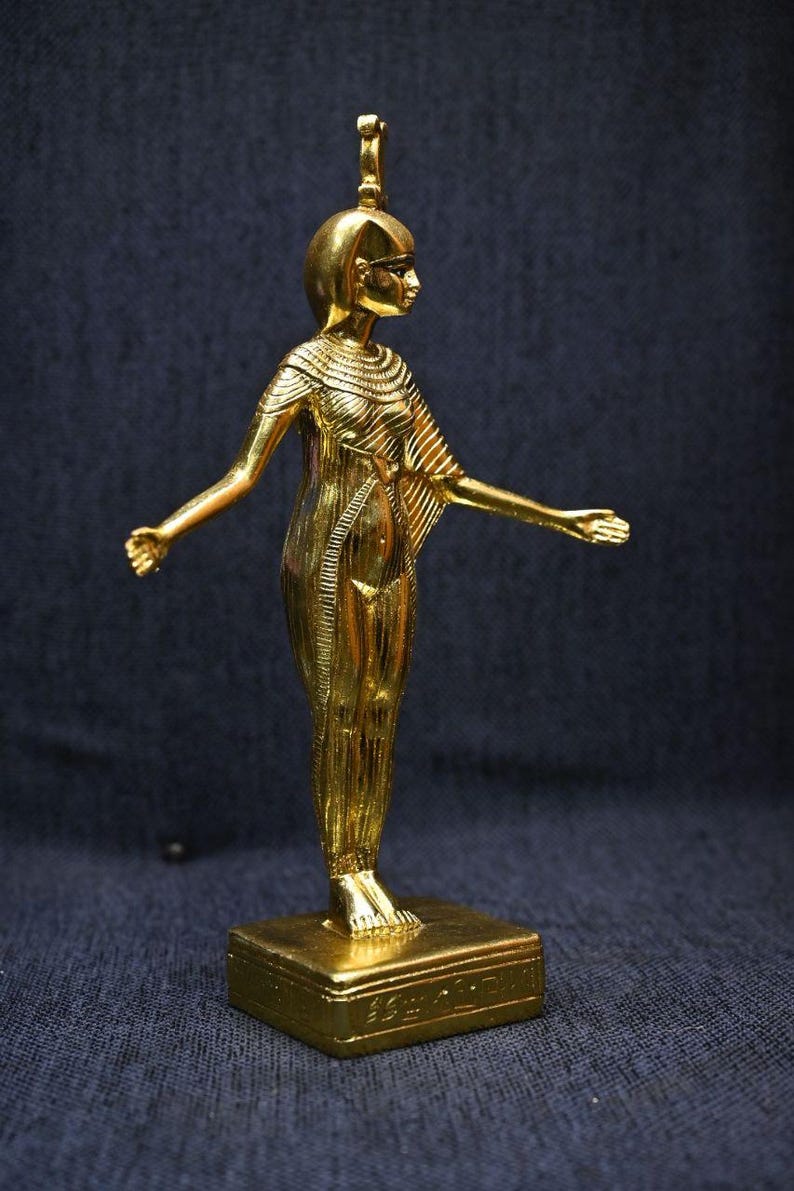
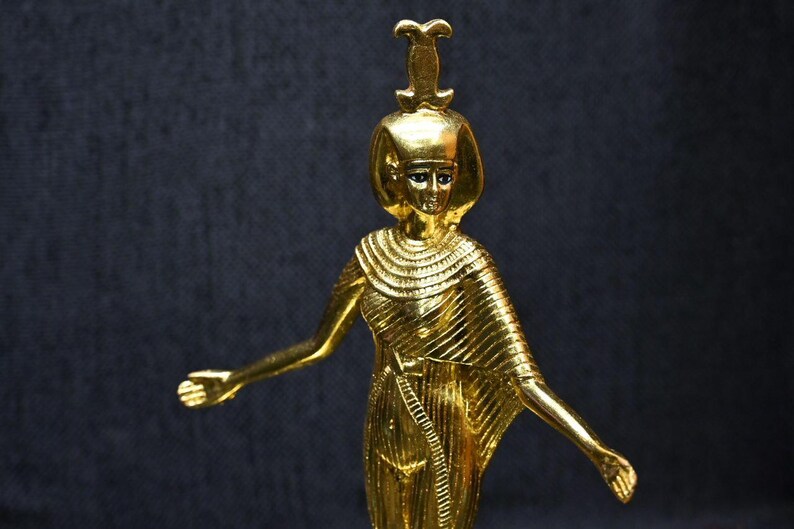
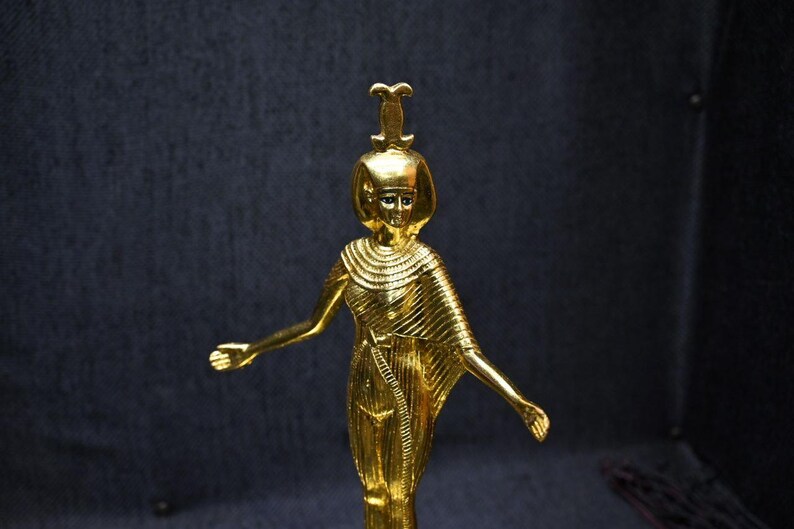
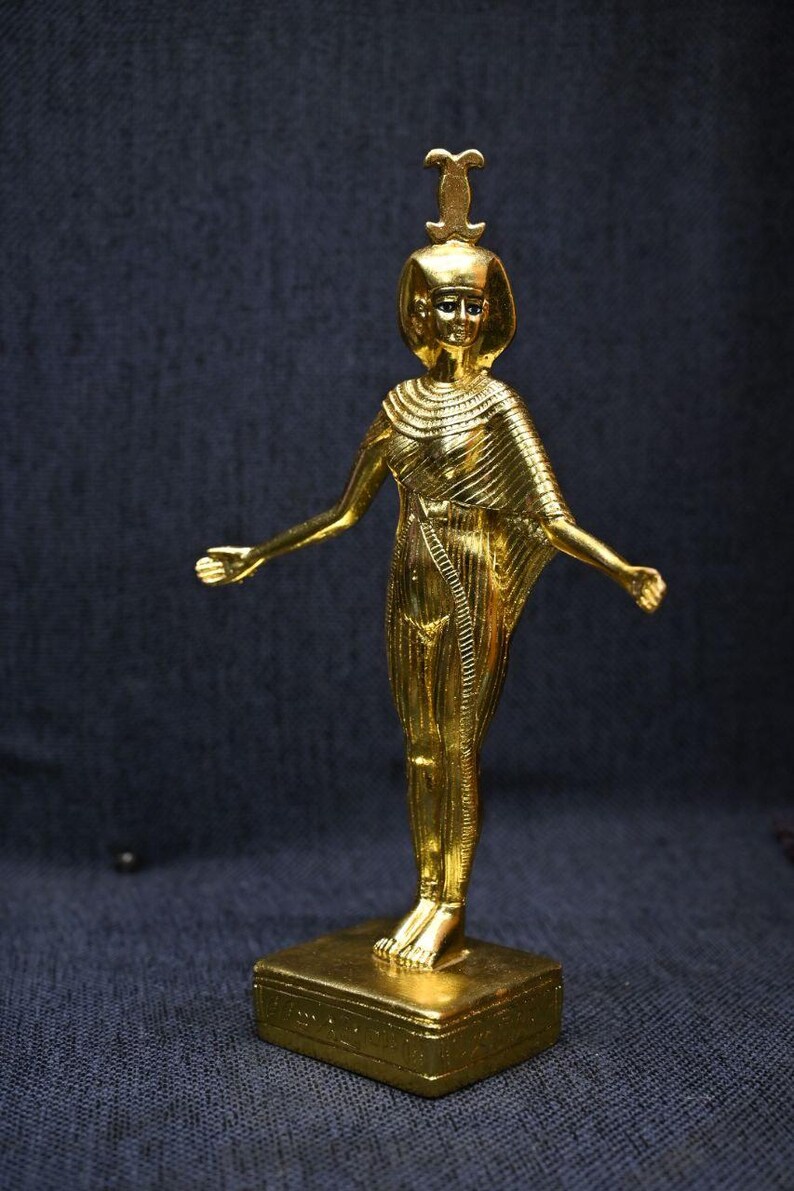
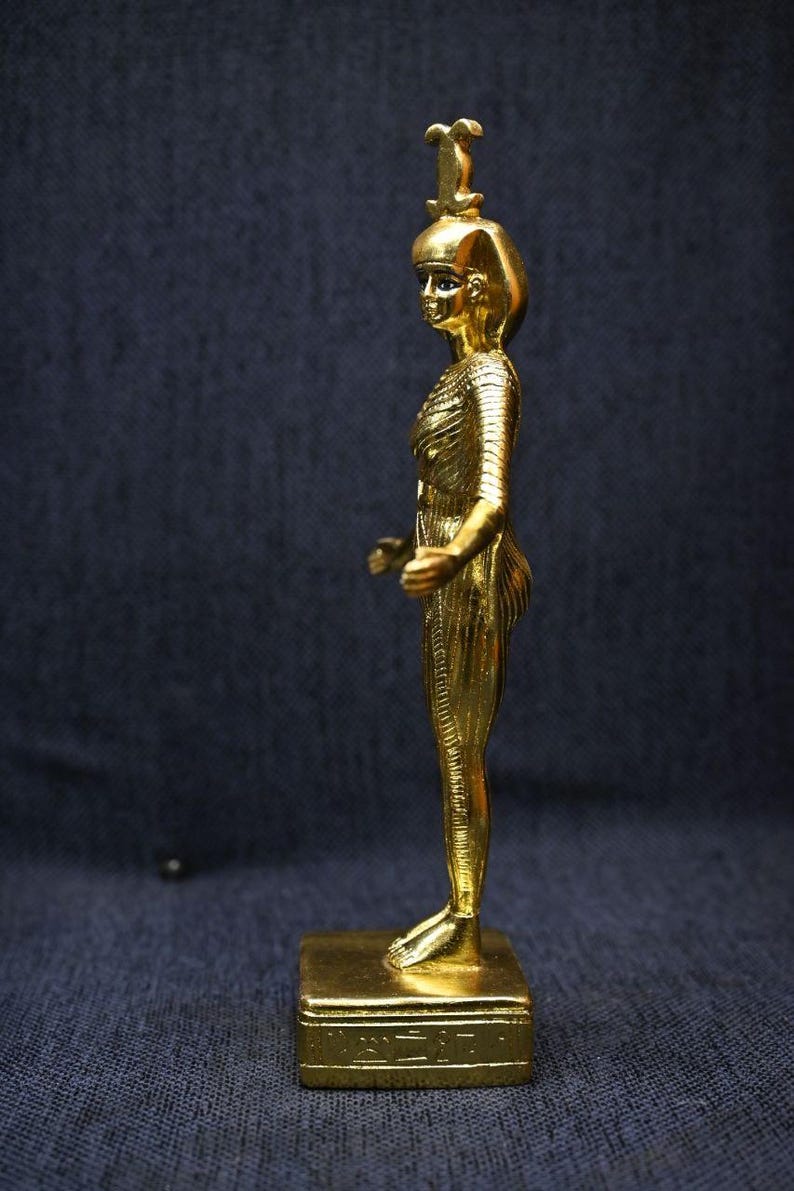
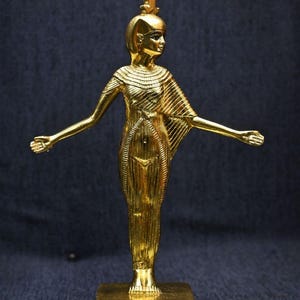
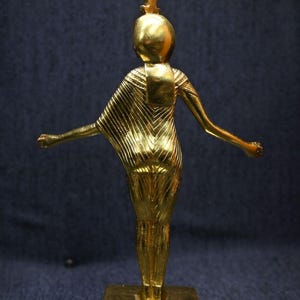
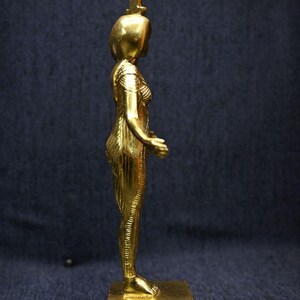
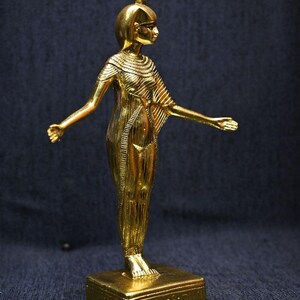
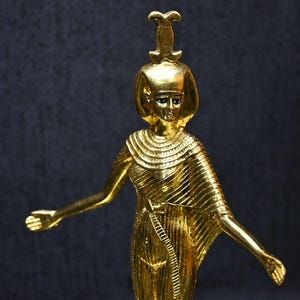
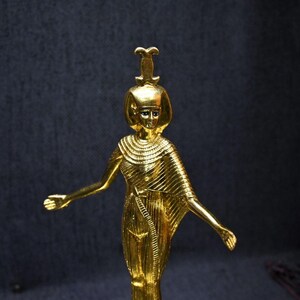
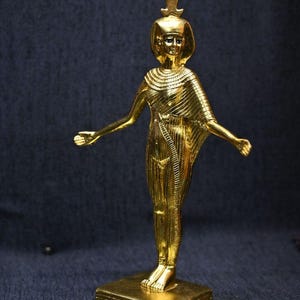
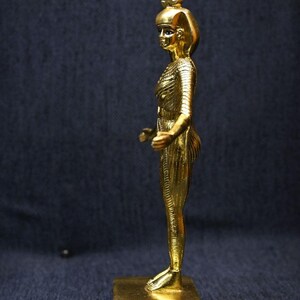
Neith Statue: Egyptian Goddess of War, Weaving, and Creation
Si accettano resi e cambi
-
Visualizza nella lingua originaleTraduci in italiano
Si prega di fornire il proprio numero di telefono per completare la procedura di spedizione internazionale 📞
Per i clienti statunitensi, eventuali dazi doganali locali o tasse di importazione (se applicate dal tuo stato) sono a carico dell'acquirente secondo le normative di importazione degli Stati UnitiPlease provide your phone number to complete the international shipping process 📞
For U.S. customers, any local customs duties or import taxes (if applied by your state) are the buyer’s responsibility according to U.S. import regulations0/900
Puoi fare un'offerta solo acquistando un singolo articolo
Punti salienti
𝐃𝐞𝐬𝐜𝐫𝐢𝐩𝐭𝐢𝐨𝐧 𝐨𝐟 𝐀𝐫𝐭:
Bring ancient Egyptian symbolism to life with this beautifully crafted Neith statue, made from stone and finished with authentic-style gold leaf plating. Featuring Neith’s elegant form and serene expression, the piece highlights fine detailing in the sculpted headdress and body textures, while the warm golden finish adds a regal, sacred glow.
A meaningful centerpiece for your home altar, meditation space, or collection, this statue represents protection, wisdom, and creation—capturing the timeless beauty of Egyptian artistry.
𝐇𝐢𝐬𝐭𝐨𝐫𝐲:
Neith was the goddess of war and hunting, as her emblem clearly indicates: two crossed arrows on a shield. However, she is a much more complex deity than is generally known, as some ancient texts only hint at her true nature. In her usual representation, she is always presented as a fierce goddess, a human female wearing a red crown and wielding or sometimes even wielding a bow and arrow, in other cases a spear. In fact, the hieroglyphs of its name contain elements used by archers. With the shield symbol explained above, there are two bows (opposite), intersected by two arrows (usually attached to the bows). Its symbol has also been unified with the city of Sao.
This symbol was placed on the top of her head when depicted in Egyptian art, and in her form as a goddess of war, she was considered a maker of weapons for warriors and a guardian of their bodies at their death.
And as a goddess, Neith usually appears carrying the scepter of the Was (a symbol of rule and power) and the sign of the Ankh (a symbol of life). It is also called with cosmic attributes such as the “cow of the sky”, as a sky goddess similar to Nut, as well as the great flood of the Nile (the goddess Wert Mahet), and as a cow that gives birth to the sun daily. In these forms it was associated with the creation of primordial time and the "re-creation" of everyday time. And as a protector of the royal house, she was represented in the form of the uraeus, as she acted in place of the unbridled wrath of the sun, and with time she also became an embodiment of the primordial waters from which creation began in the Egyptian creation story. She was identified with the Great Mother Goddess as creator. As a female deity and personification of the primeval waters, Neith included some masculine elements as well, making her able to give birth (create) without the opposite sex. It is the feminine form of the god Ptah-Nun, with its feminine nature that integrates with the masculine attributes that are symbolized by the bow and arrow. In the same way, as an embodiment of the primeval waters (mehit-wart) or the great flood it was described as flowing waters, and was related to the ancient Egyptian verb seti which means 'to pour'.
Neith is one of the most ancient deities associated with ancient Egyptian culture. Flinders Petrie (in his book Diospolis Parva - 1901) indicated that the earliest depiction of it was known in the pre-dynastic period, as can be seen from a representation of a ship bearing its symbols (crossed arrows) during the pre-dynastic period, and this ship is displayed in the Ashmolean Museum in Oxford.
The first human anthropomorphic representation of her appeared in the early dynastic period, on the diorite vessel of King Netter of the second dynasty, which was found in the pyramid of Djoser (the third dynasty) in Saqqara, and that her worship prevailed in the early dynastic period appears from the composition of personal names that include Her name - which was often feminine - is in approximately 40% of the names of members of the ruling families in this early era of Egypt's history, especially in the names of four women members of the royal families of the first family, and this confirms the importance of this goddess's relationship with society. At that time, with special emphasis on the royal house. In very early periods of Egyptian history, the main pictorial representation of this goddess seems to have been limited to the characteristics of hunting and war, although there is no Egyptian mythological reference to support this basic characteristic attributed to her as a goddess. It has been suggested that Neith's hunting and warfare characteristics may indicate that she was originally from Libya or western and southwestern Egypt and that she was a deity of the warrior peoples there.
The main Neith cult center in the Old Kingdom was established in Saw (present-day Salihjar) by King Hor-Aha of the First Dynasty, in an attempt to attract the people of Lower Egypt to accept him as ruler of the newly unified Egypt. It appears from the textual and iconographic evidence that she was somewhat an official deity of the state during the era of the Old Kingdom, as she had her own temples in Memphis, the capital at that time, which indicates the high political position that this goddess had, as she was known there as “who lives north of her wall”, as opposed to The title of the god Ptah, "the dweller in the south of his wall." While Nate is generally considered a goddess of Lower Egypt, her worship is constantly concentrated in that region. Her worship reached a peak in Sais and apparently also in Memphis in the era of the Old Kingdom, and it remained important, albeit to a lesser degree, in the Middle and New Kingdoms. However, her worship regained its political and religious importance during the Twenty-sixth Dynasty when the city of Sais flourished, and her worship was also widespread in this era in Esna in Upper Egypt.
The hieroglyphic symbol of Nate seems to bear a resemblance to a spinning and weaving loom, coinciding with the later Egyptian religion, in the Roman era, when she also became a goddess of weaving. At this time, her role as a creator merged with the goddess Athena, that goddess who woven the whole world on her loom, as the Greek and Roman religion says.
For more details or if you want a picture about the product, write to me here on Etsy, and I will respond to any inquiries immediately. Please do not hesitate if you want to know something.
𝐨𝐮𝐫 𝐬𝐡𝐨𝐩 𝐩𝐨𝐥𝐢𝐜𝐲:
*Keep a close eye on your inbox for shipping updates and tracking information.
*Providing a valid phone number is mandatory for shipping purposes, especially for international orders from the heart of Egypt.
*If you encounter any issues or concerns regarding your order, please don't hesitate to contact us. Rest assured, we will handle the case promptly and professionally, ensuring a satisfactory resolution.
For Personalization :-
Please provide your phone number to complete the international shipping process 📞
✅ All customs duties, taxes, and import fees are already included in the shipping price.
Your order will arrive safely at your door with no extra charges.
𝙉𝙤𝙩𝙚:
Please be aware that any customs duties, import taxes, or additional charges imposed by your country are the buyer’s responsibility.
-
Ordina oggi per riceverlo entro il giorno 23 apr-08 mag
Se acquisti oggi, il tuo ordine dovrebbe arrivare entro questa data. Per calcolare una stima della data di consegna su cui poter contare, consideriamo alcuni fattori come gli ultimi tempi di percorrenza del corriere, i tempi di lavorazione insieme alla cronologia delle spedizioni del venditore, e i luoghi di partenza e arrivo dell'ordine.
-
Si accettano resi e cambi entro 14 giorni
Gli acquirenti sono responsabili dei costi di spedizione dei resi. Se l'articolo non viene restituito nelle sue condizioni originali, l'acquirente è responsabile dell'eventuale perdita di valore.
-
Spedizione gratuita
-
Viene spedito da: Egitto
Si è verificato un problema durante il calcolo delle spese di spedizione. Riprova.
Protezione degli acquisti di Etsy
Acquista con sicurezza su Etsy sapendo che in caso di problemi con un ordine proteggeremo tutti i tuoi acquisti idonei.
vedi termini programma

Scrivi la prima recensione di questo articolo

Spedizioni precise Si è distinto per spedizioni puntuali con tracciamento.
Altro da questo negozio
Visita negozio-
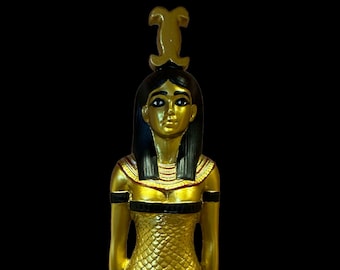
Statua in pietra della dea Neith realizzata a mano – Decorazione egizia, 32 cm
213,53 €
-
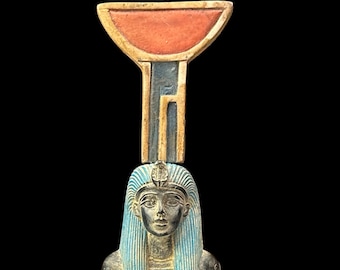
Statua di Nefti, scultura della dea egizia, replica artigianale (35 cm)
259,70 €
-
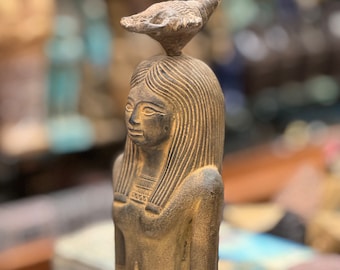
Statua della dea Serket, scultura della mitologia egizia antica
259,70 €
-
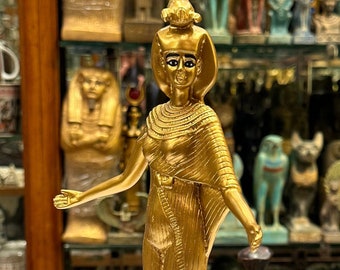
Statua della dea Serket, scultura della mitologia egizia, decorazione antica (31 cm)
173,13 €
-
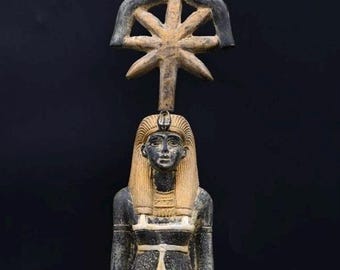
Statua della dea egizia Seshat: decorazione per altare in pietra di basalto (35 cm)
Prezzo scontato 201,99 €
Prezzo originale 288,55 €
-
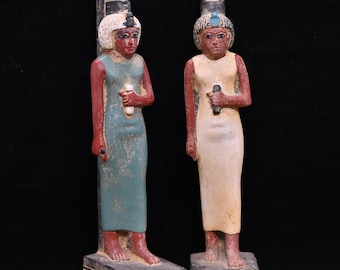
Statua della dea Seshat: scultura egizia in pietra (2 colori)
Prezzo scontato 181,37 €
Prezzo originale 212,37 €
-
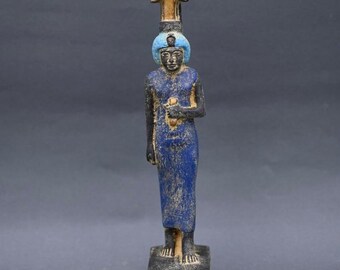
Statua in pietra Seshat fatta a mano: dea egizia della saggezza (25 cm)
Prezzo scontato 175,46 €
Prezzo originale 205,45 €
-
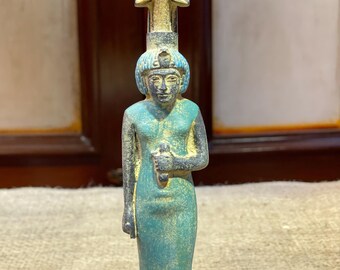
Statua in pietra Seshat fatta a mano: dea egizia della saggezza (25 cm)
Prezzo scontato 151,09 €
Prezzo originale 215,84 €
-
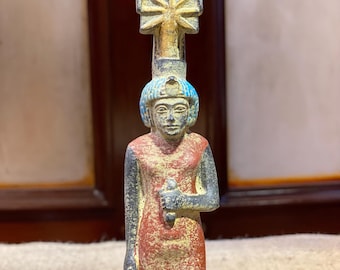
Statua in pietra Seshat fatta a mano: dea egizia della saggezza (25 cm)
Prezzo scontato 175,46 €
Prezzo originale 205,45 €
-
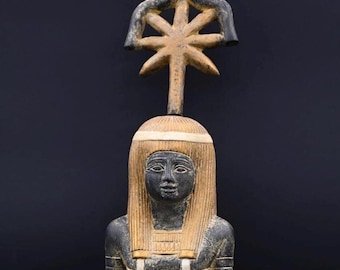
Statua Seshat in pietra di basalto realizzata a mano: dea egizia della saggezza (35 cm)
Prezzo scontato 201,99 €
Prezzo originale 288,55 €
-
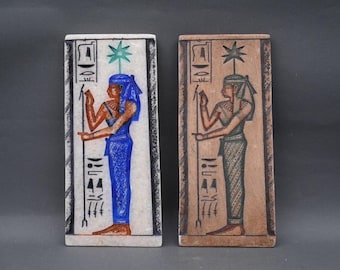
Rilievo in pietra di Seshat: decorazione dell'altare della dea egizia della saggezza
Prezzo scontato 172,50 €
Prezzo originale 201,99 €
-
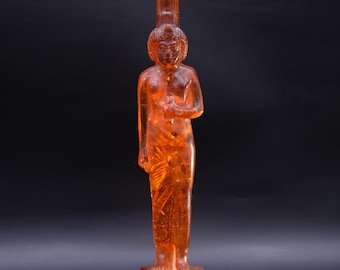
Statua della dea Seshat: scultura in resina d'ambra egizia
Prezzo scontato 181,37 €
Prezzo originale 212,37 €
-
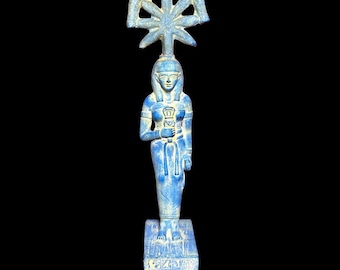
Statuetta della dea Seshat: replica della mitologia egizia
Prezzo scontato 134,06 €
Prezzo originale 156,97 €
-
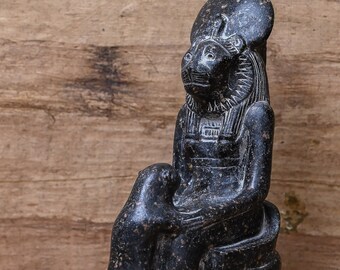
Statua unica della dea della guerra Sekhmet Figurina seduta realizzata in Egitto
243,27 €
-
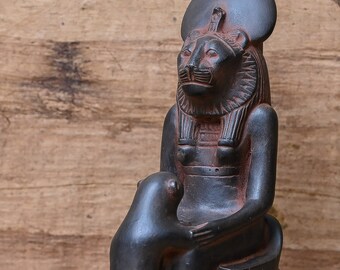
Statua unica della dea della guerra Sekhmet Figurina seduta realizzata in Egitto
243,27 €
-
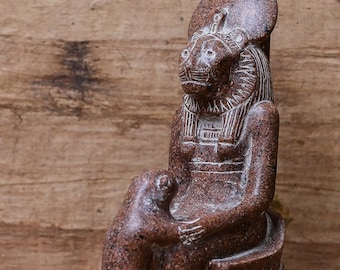
Statua unica della dea della guerra Sekhmet Figurina seduta realizzata in Egitto
243,27 €


