
Kunst is alles wat er is.
Art is all there is
Patric Güntert
Het moderne huiselijke leven, niet het spectaculaire.
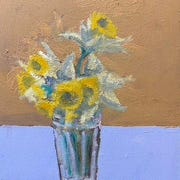
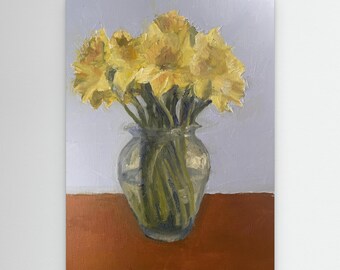
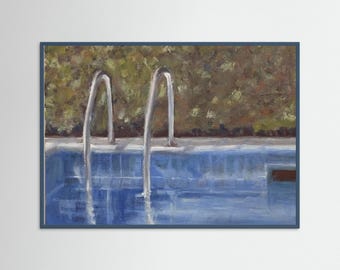
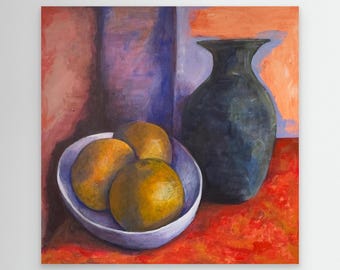
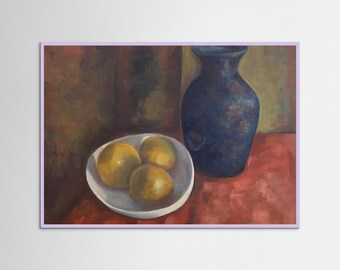
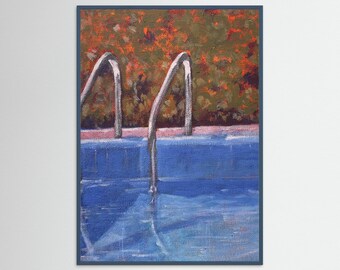
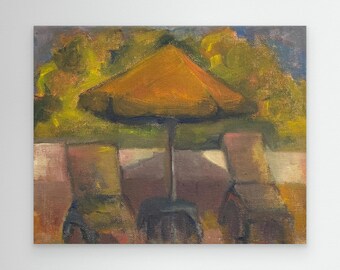
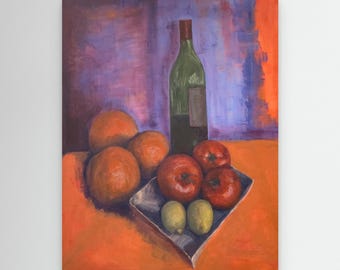
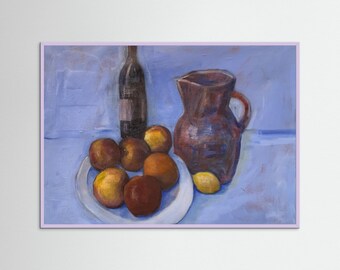
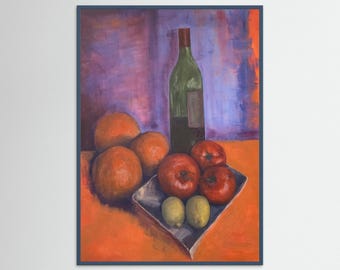
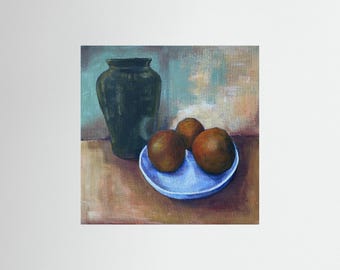
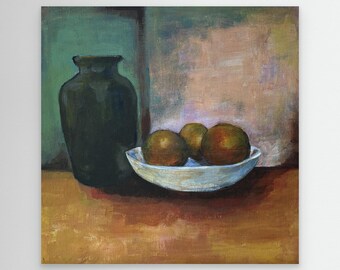
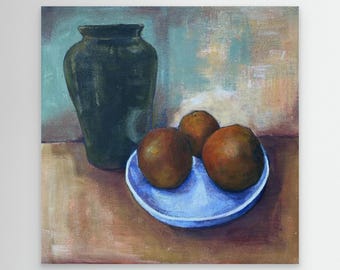
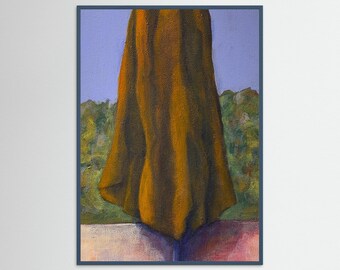
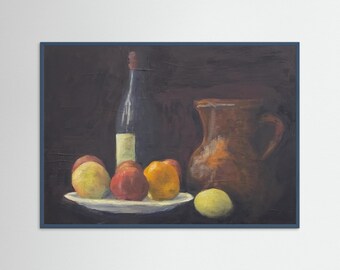
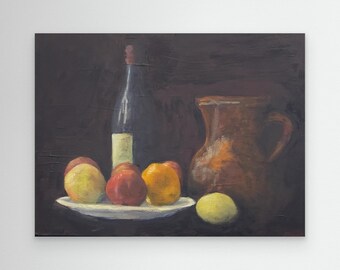
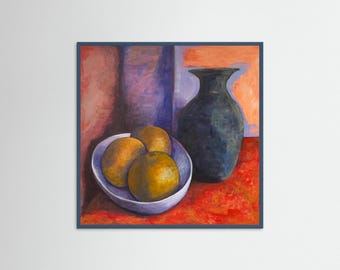
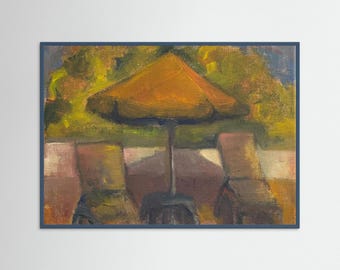
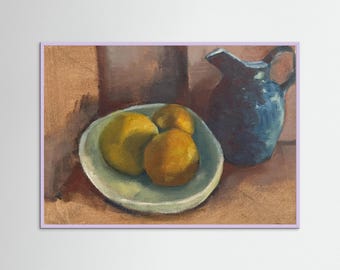
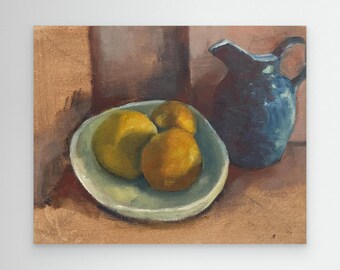
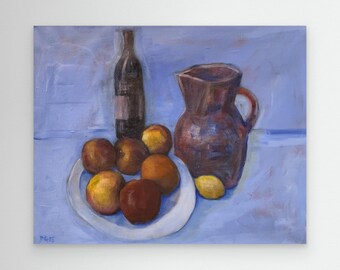
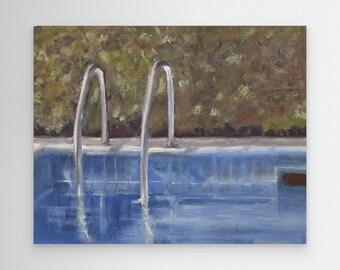
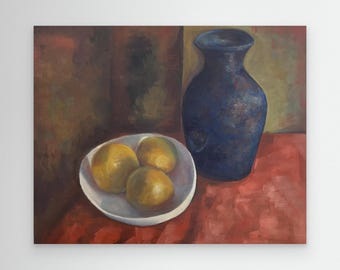
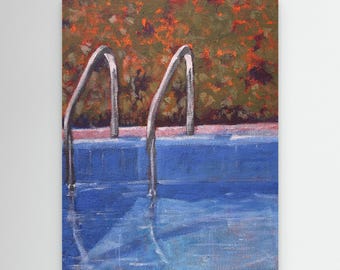
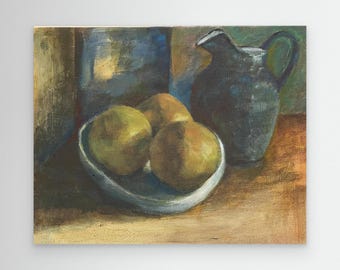
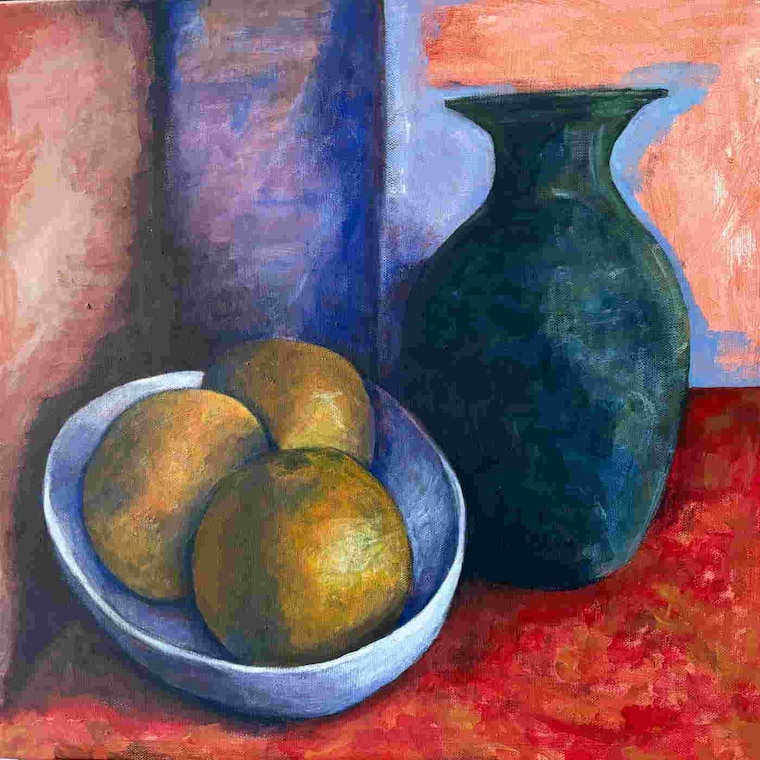
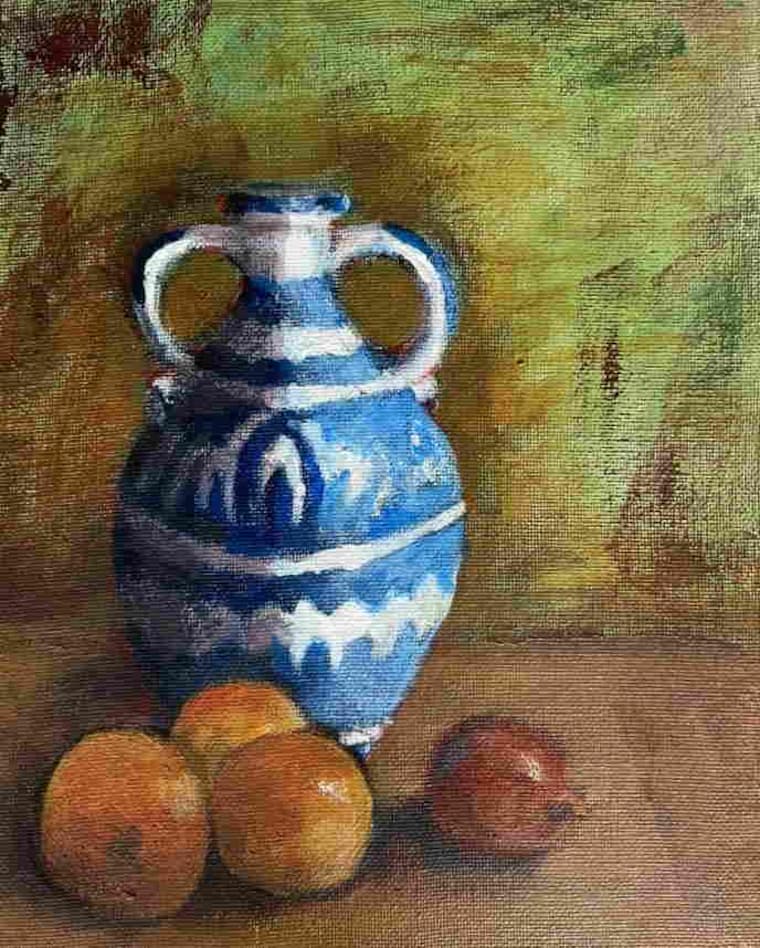
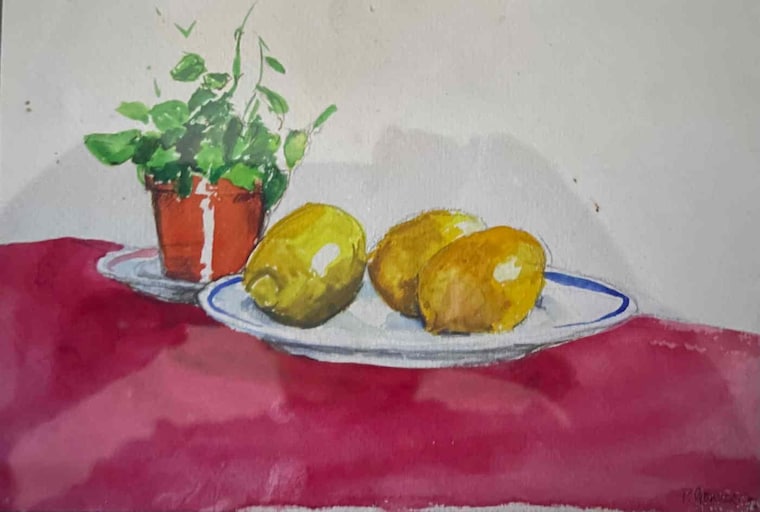
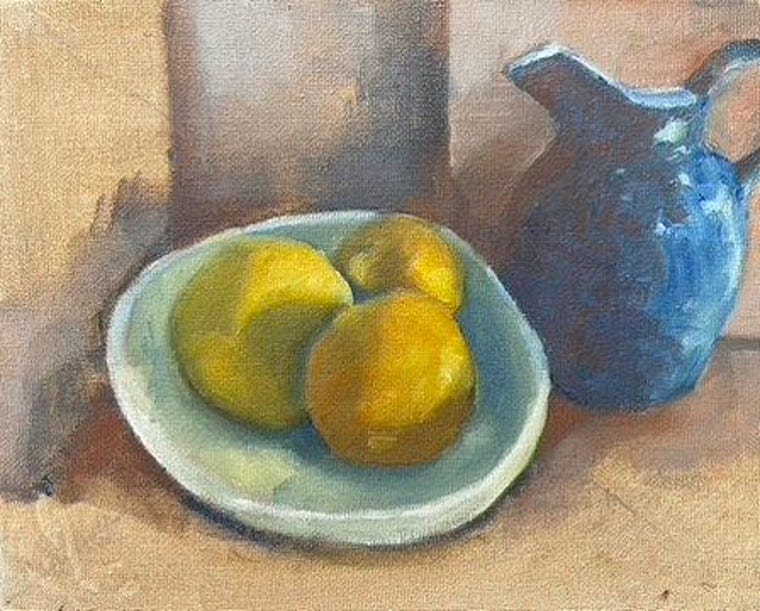
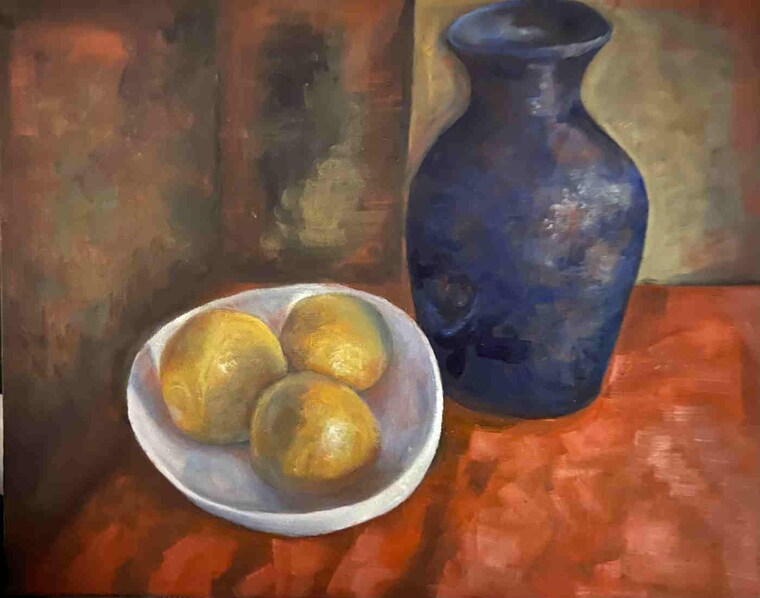
Geen hyperrealistisch neon, geen techfetisj, geen opzichtige sociale media-iconografie. In plaats daarvan: keramische kannen, afgetrapte stoelen, zwembaden in hotelstijl, kamerplanten, eenvoudig serviesgoed. Je bewaart een versie van het 20e/21e-eeuwse Europese huiselijke leven dat al aan het verdwijnen is.
Een weerstand tegen wegwerpbaarheid.
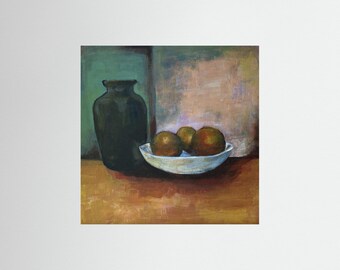
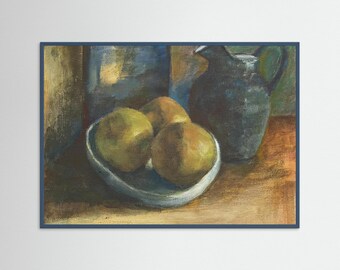
De manier waarop je even stilstaat bij een enkele granaatappel, of de beschadigde blauwe kan, of de oude deur in Chania, verzet je tegen de wegwerpcultuur. Vijftig jaar later zal dat worden gezien als een vroege, instinctieve vorm van 'langzaam kijken' in een tijdperk van wegwerpproducten.
Een blik op menselijke schaal
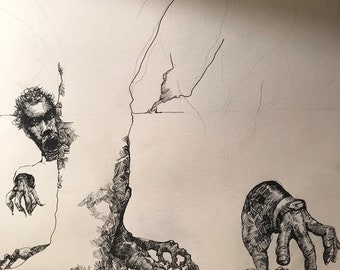
Je portretten en close-upstudies verzetten zich tegen filters en perfectie. Ze tonen ouderdom, vermoeidheid, gedachten en asymmetrie. Toekomstige kijkers zullen ze waarschijnlijk herkennen als een tegenwicht voor de gephotoshopte gezichten die de fotografie en reclame van onze tijd domineerden.
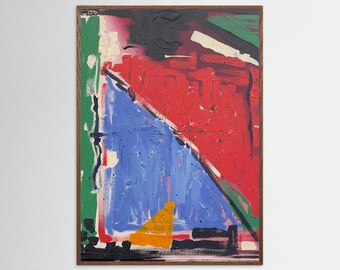
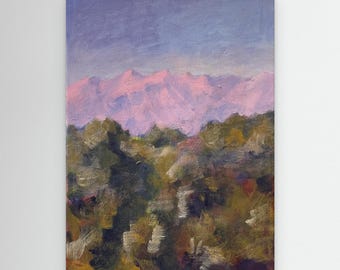
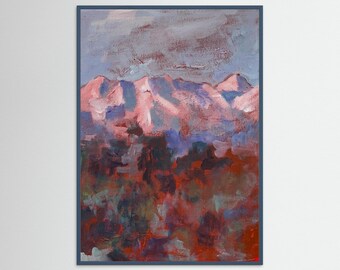
Voor mij gaat kunst bovenal niet over het creëren van beelden; het gaat over het verkennen van momenten in de tijd. Het is een proces van ontdekking, waarbij elke fout, elk streepje of elke penseelstreek iets nieuws onthult aan de kunstenaar. Kunst is een ruimte waar respect voor klassieke waarden zoals compositie, harmonie, nieuwsgierigheid, frustratie, geduld, geloof, wetenschap, chemie, emotie en onvolmaakt vakmanschap samenkomen, en een kans bieden om de wereld – en onszelf – met een frisse blik te bekijken, als we bereid zijn te kijken.
"Kunst wast het stof van het dagelijks leven van de ziel." – Pablo Picasso
Patric Güntert
Domestic modern life, not the spectacular
No hyper‑real neon, no tech fetish, no overt social media iconography. Instead: ceramic jugs, battered chairs, hotel‑ish pools, houseplants, simple crockery. You’re preserving a version of 20th/21st‑century European domesticity that’s already slipping away.
A resistance to disposability
The way you linger over a single pomegranate, or the chipped blue jug, or the old door in Chania, pushes back against throwaway culture. Fifty years on, that will read as an early, instinctive form of “slow looking” in a disposable age.
A human‑scale gaze
Your portraits and close eye studies refuse filters and perfection. They hold age, fatigue, thought, asymmetry. Future viewers will likely recognize them as a counterpoint to the airbrushed faces that dominated photography and advertising in our time.
For me, art more than anything else is not about creating images; it’s about exploring moments in time. It is a process of discovery, where each mistake, mark or brushstroke reveals something new to the artist. Art is a space where respect for classical values of composition, harmony, curiosity, frustration, patience, belief, science, chemistry, emotion, and imperfect craft come together, offering a chance to see the world—and ourselves—with fresh eyes , if we care to look.
“Art washes away from the soul the dust of everyday life.” – Pablo Picasso