
Armonía de los tiempos: el legado de la Cítara de Apolo y el Jatam persa
Harmony of the Ages: The Legacy of Apollo's Cithara and Persian Khatam
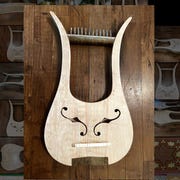
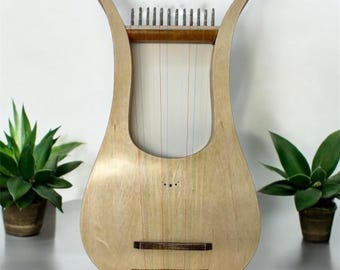
En la antigua Grecia, se decía que el sonido de la cítara (un arpa majestuosa con una voz profunda y resonante) hacía eco de la voz de los dioses. El arpa era apreciada nada menos que por Apolo, el dios de la música, la poesía y el sol, que llegó a ser conocido como Apolo Citharede o "Apolo con la cítara". Utilizaba este instrumento divino para traer armonía al mundo, calmar las mentes y elevar el ánimo.
El arpa cítara se diferenciaba de las liras más pequeñas de la época porque era más grande y sofisticada, diseñada para interpretaciones potentes. A menudo presentaba diseños intrincados que simbolizaban los cielos y las artes. Los músicos de la antigua Grecia se sentían atraídos por esta arpa, ya que creían que tocarla les permitía canalizar la esencia divina de Apolo y trascender a un reino de pureza musical.
Siglos después, cuando los artesanos y músicos de todo el mundo antiguo compartían sus artesanías, surgió en Persia el arte del khatam. Esta intrincada técnica de incrustación, perfeccionada a lo largo de generaciones, implicaba la creación de fascinantes patrones geométricos utilizando pequeñas piezas de madera, metal y marfil. Los artesanos persas creían que la belleza del khatam representaba la unidad y el equilibrio, valores fundamentales de su cultura y filosofía.
Imaginemos, entonces, la fusión de estas dos grandes tradiciones: la forma de la cítara de Apolo decorada con incrustaciones de Khatam. Esta combinación representa no solo la unión de diferentes culturas, sino también la dedicación intemporal al arte que se extiende a lo largo de generaciones.
Hoy en día, las arpas inspiradas en la cítara adornadas con motivos de Khatam sirven como un testimonio viviente de la historia. Invitan a los músicos a abrazar la resonancia del arpa mítica de Apolo mientras celebran la meticulosa belleza de la artesanía persa. Estos instrumentos son más que simples herramientas musicales; son reliquias del arte y la cultura, que llevan las antiguas tradiciones de Grecia y Persia al mundo moderno, listas para inspirar a las nuevas generaciones.
In ancient Greece, the sound of the cithara—a majestic harp with a deep, resonant voice—was said to echo the voice of the gods. The harp was cherished by none other than Apollo, the god of music, poetry, and the sun, who became known as Apollo Citharede, or "Apollo with the Cithara." He used this divine instrument to bring harmony to the world, soothing minds and lifting spirits.
The cithara harp differed from the smaller lyres of the time, as it was larger and more sophisticated, designed for powerful performances. It often featured intricate designs symbolising the heavens and the arts. Musicians of ancient Greece were drawn to this harp, believing that playing it allowed them to channel Apollo’s divine essence and transcend into a realm of musical purity.
Centuries later, as artisans and musicians across the ancient world shared their crafts, the art of Khatam emerged in Persia. This intricate inlay technique, perfected over generations, involved creating mesmerising geometric patterns using tiny pieces of wood, metal, and ivory. Persian artisans believed that the beauty of Khatam represented unity and balance, core values of their culture and philosophy.
Imagine, then, the merging of these two great traditions: the form of Apollo's cithara decorated with Khatam inlay. This combination represents not only the union of different cultures but also the timeless dedication to artistry that spans generations.
Today, cithara-inspired harps adorned with Khatam patterns serve as a living testament to history. They invite musicians to embrace the resonance of Apollo’s mythical harp while celebrating the meticulous beauty of Persian craft. These instruments are more than just musical tools; they are heirlooms of art and culture, carrying the ancient traditions of both Greece and Persia into the modern world, ready to inspire new generations.
