

Este libro de cocina fue un regalo de bodas. En la Baviera de 1956, eso lo significaba todo.
This cookbook was a wedding gift. In 1956 Bavaria, that meant everything.
En 1956, una joven llamada Erna Paul se casó en la Baviera de la posguerra. Como regalo de bodas, recibió un ejemplar de Bayerisches Kochbuch, un grueso y práctico libro de cocina bávaro impreso en la antigua tipografía Fraktur, un tipo de letra que la mayoría de la gente hoy en día no puede leer. Lo conservó toda su vida.
Erna era mi madre. Ella ya no está. El libro no.
He estado traduciendo cada receta, no solo los ingredientes y los pasos, sino también el contexto. Cómo era Baviera en 1956. Qué significaba cocinar desde cero en los años posteriores a la guerra. Quiénes eran las mujeres que mantenían estas cocinas en funcionamiento. Cada receta de esta tienda viene acompañada de esa historia.
El libro está dedicado a Erna y a Babette Martin, su abuela, la presencia constante y cariñosa que mantuvo unida a la familia durante años realmente difíciles. La tienda lleva su nombre.
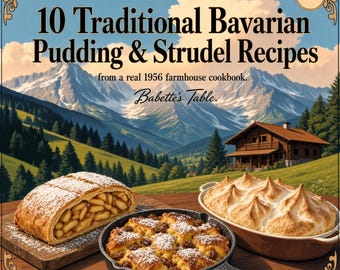
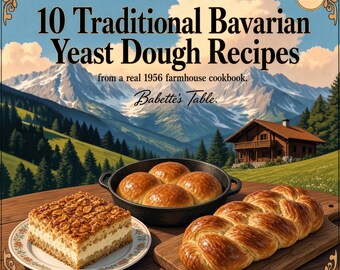
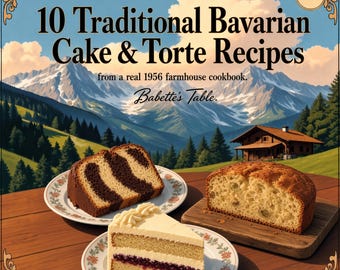
Estas son recetas auténticas de un libro auténtico, que le regalaron a una mujer el día de su boda. Las traduzco, las adapto a las cocinas estadounidenses modernas y las envío a quienes aún creen que la comida encierra una historia que vale la pena conservar.
Eso es lo que es la mesa de Babette.
In 1956, a young woman named Erna Paul was married in postwar Bavaria. As a wedding gift she was given a copy of Bayerisches Kochbuch — a thick, practical Bavarian cookbook printed in old Fraktur typeface, the kind of script most people today can't read. She kept it her whole life.
Erna was my mother. She's gone now. The book is not.
I've been translating it recipe by recipe — not just the ingredients and steps, but the context. What Bavaria looked like in 1956. What it meant to cook from scratch in the years after the war. Who the women were who kept these kitchens running. Every recipe in this shop comes with that story attached.
The book is dedicated to Erna, and to Babette Martin — her grandmother, the steady and loving presence who held the family together through genuinely hard years. The shop is named for her.
These are real recipes from a real book, given to a real woman on her wedding day. I translate them, adapt them for modern American kitchens, and send them to people who still believe that food carries history worth keeping.
That's what Babette's Table is.