







I enjoy solving problems with the products I design.
I always wanted to have my own business, where the things I produce solves problems and I get to work at my own pace.
I started full-time in the graphics/communications department of a large company. In my free time I satisfied my desire to build by learning woodworking. I had a hand saw and a miter box and I made a couple of simple projects. My first power tool (after an electric drill and many hours of research) was a Makita jigsaw. I figured I could do all the cutting I needed with it, then I realized how slow long cuts took. I quickly purchased a circular saw and gain the ability to cut down sheet goods. At the time I lived in a two bedroom apartment (sorry to the neighbors below) and it was apparent that woodworking was a very dusty hobby. I saved money by working with MDF and particleboard, so the dust wasn't just messy, it was unhealthy.
My first product to try to contain the dust was in the form of the carboard box my saw came in, with slots cut out to fit around the saw and allow me to access to the power switch. It was crude, but it helped a lot and you can see similar styles of dust control in track saws today.
Eventually my wife and I moved into a house where I then had a full garage to build in. Several projects later I upgraded from my shop-vac to a full size multi-horsepower dust collector. I added some PVC pipes to my ceiling and routed the 4" hose to the center of the garage. From there I draped down a 2.5" flexible hose. This gave me the ability to use the power of the dust collector nearly anywhere in my shop.
I continued my effort to create a side business by using my computer graphics skills to start selling "digital papers" on Etsy. I later found a lack of quality Japanese style scroll hangers available to buy, so I made my own, with a unique method for holding the scroll. It worked well for me, so I tried selling it on Etsy. I had very good success with this product, with repeat customers and loads of positive feedback. It felt great to provide a product that filled a need.
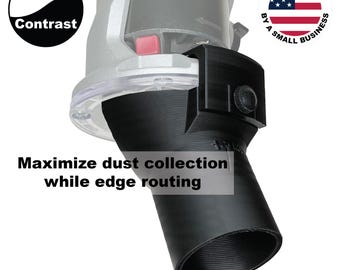
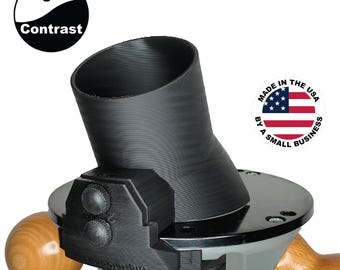
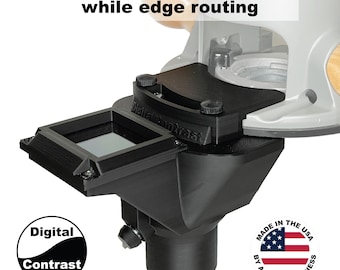
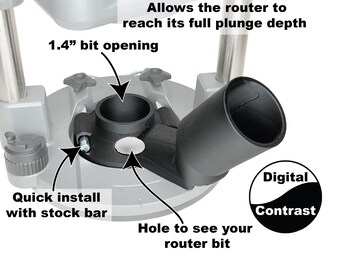
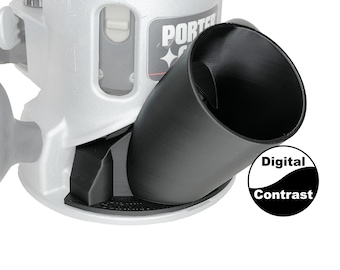
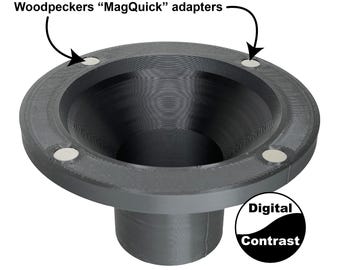
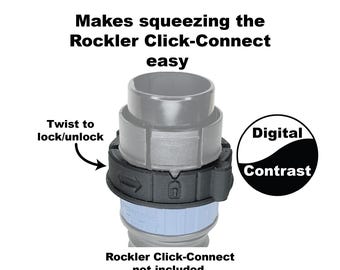
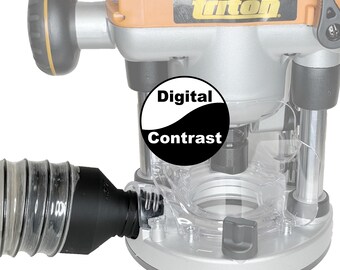
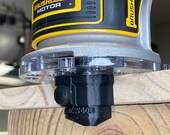
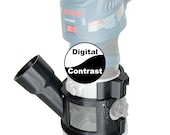
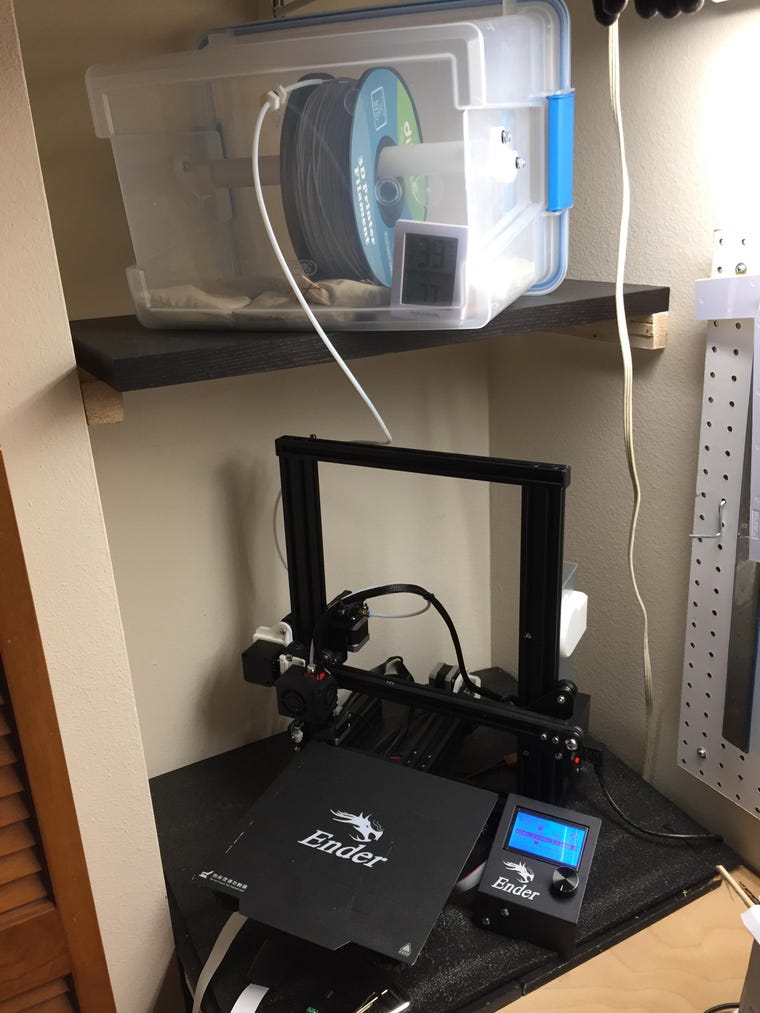
I wanted to expand into other items, so I purchased a Bosch 1617EVS router. The amount of dust it created was massive, and the problem was that I had a 2.5" flexible hose connected to my powerful dust collector, but the adapter available from Bosch was meant for a 1.25" hose. On top of that, they only sold them as a bundle of three styles. I only wanted the one, and I knew from past experiences that clear formed polycarbonate items crack easily when they hit the ground. I then decided to design my own adapter using my newly acquired Ender3 3D printer.
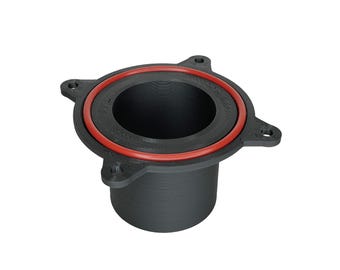
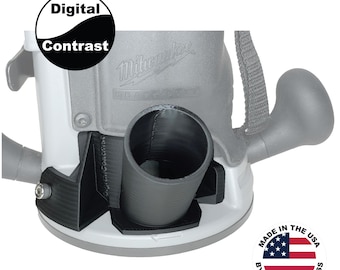
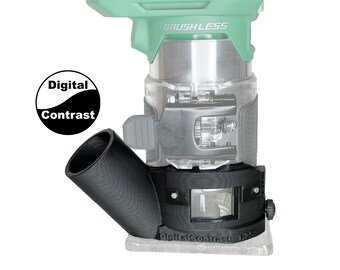
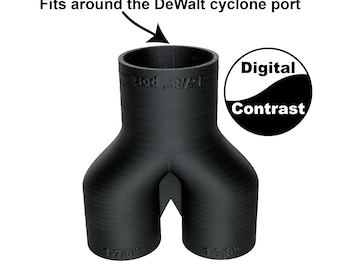
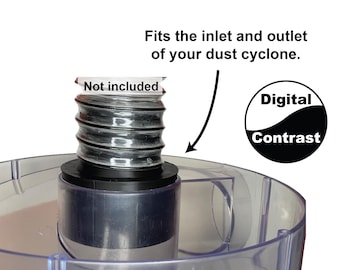
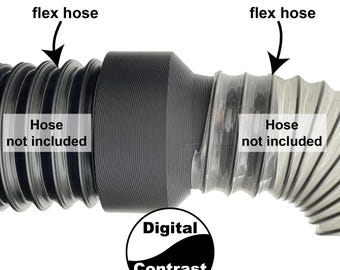
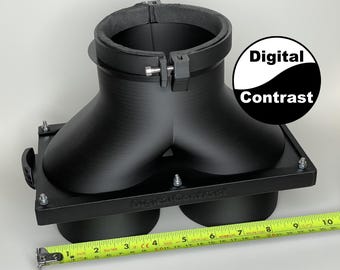
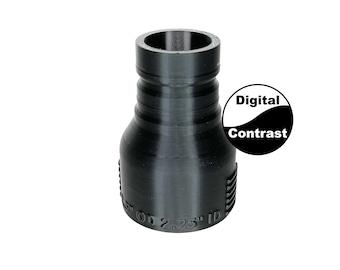
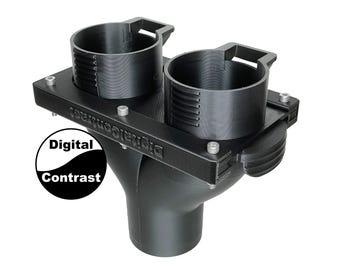
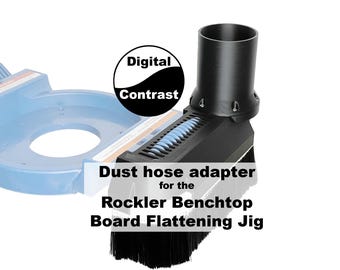
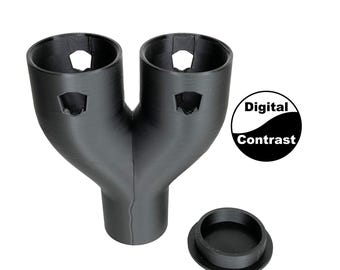
I had been using 3D modeling software since around 2000, so I could easily design what I wanted and was able to have the printer do the tricky part of actually producing the accurate item. I was very happy with my work so I tried to start selling this and other similar dust hose adapters, knowing that people have various sized hoses and that it's frustrating trying to find an adapter to fit. My goal was to make it so that no matter what size hose end you had, you could connect it directly to your router.
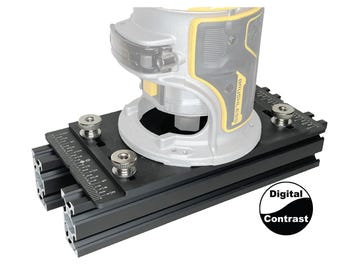
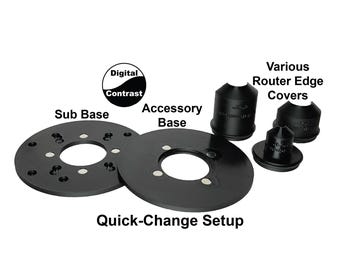
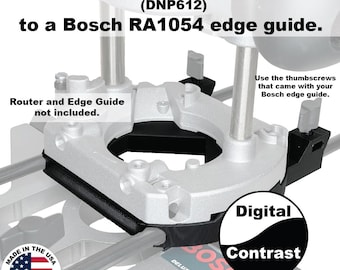
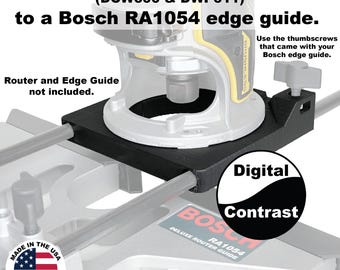
This was a niche that needed filling, and I started getting requests for adapters for various other routers. I would buy the router (used if I could) then spend a few days measuring the router, designing the adapter, and printing parts to test the fit. This iterative process allowed me to create perfectly sized products.
My business has slowly grown and I find it very satisfying to know that I am helping other woodworkers around the country create a cleaner workshop which provides better quality cuts, improved safety, and less time spent cleaning up and more time building.
-Nick
