El arte ha formado parte de mi vida desde que tengo memoria. Una de mis primeras experiencias definitorias fue una visita de niño al Museo de Arte Moderno de Nueva York. Ver esas obras en persona cambió mi forma de entender el arte: no solo como representación, sino como emoción, atmósfera y una manera de comunicar ideas que las palabras a menudo no alcanzan. Esa experiencia me marcó y, silenciosamente, influyó en el rumbo de mi vida.
Desde temprana edad, me sentí atraído tanto por el arte como por la ingeniería, fascinado por igual por la imaginación y la estructura. Al igual que Leonardo da Vinci, cuya obra continúa inspirándome, nunca consideré la creatividad y el pensamiento técnico como opuestos. Cursé estudios formales en Bellas Artes, donde estudié pintura, grabado, litografía y escultura, al tiempo que desarrollaba una carrera profesional en ingeniería que se extendería por más de cuarenta años.
Aunque la ingeniería se convirtió en mi profesión, el arte nunca desapareció de mi vida. Ambas disciplinas se influyeron mutuamente de maneras inesperadas. La ingeniería me enseñó precisión, estructura, resolución de problemas y una comprensión más profunda de la forma y los materiales. El arte siguió siendo el espacio donde la emoción, el simbolismo, la intuición y la exploración personal podían manifestarse libremente. Ahora, jubilado de la ingeniería, he vuelto por completo a la pintura y la narración visual, dedicando mi tiempo y energía a crear obras que fusionan esas influencias de toda una vida.
Mis influencias artísticas son muy diversas. Siempre he admirado a los grandes maestros y su extraordinario dominio de la luz y la sombra: la capacidad de usar la iluminación no solo para describir una figura, sino también para revelar emoción, tensión y profundidad psicológica. Me atraen igualmente los surrealistas y su exploración de los sueños, el simbolismo y el subconsciente. Junto a estas influencias clásicas y surrealistas, se encuentra el lenguaje visual más oscuro de la cultura punk y gótica, que ha moldeado mi sensibilidad estética a lo largo de los años: temas como la mortalidad, la alienación, la belleza en la oscuridad y el cuestionamiento existencial.
Lo que más me interesa es la tensión entre la oscuridad y la esperanza. Mi obra suele tener una atmósfera melancólica o mítica, pero nunca es del todo nihilista. Incluso en momentos de aislamiento o dolor, busco resiliencia, trascendencia y transformación. Ese equilibrio emocional se ha convertido en un elemento central de mis pinturas.
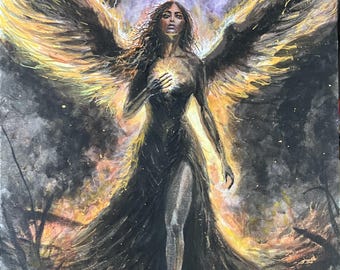
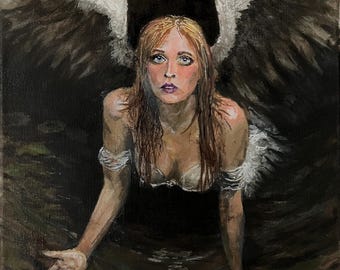
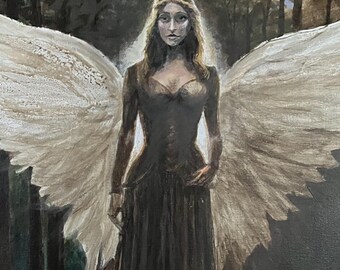
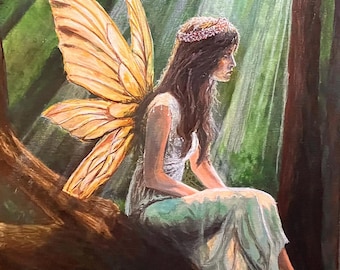
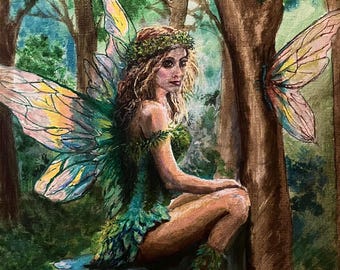
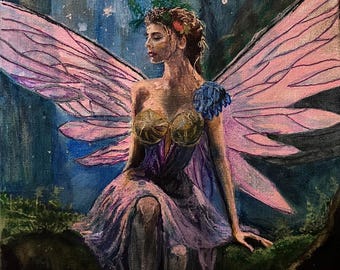
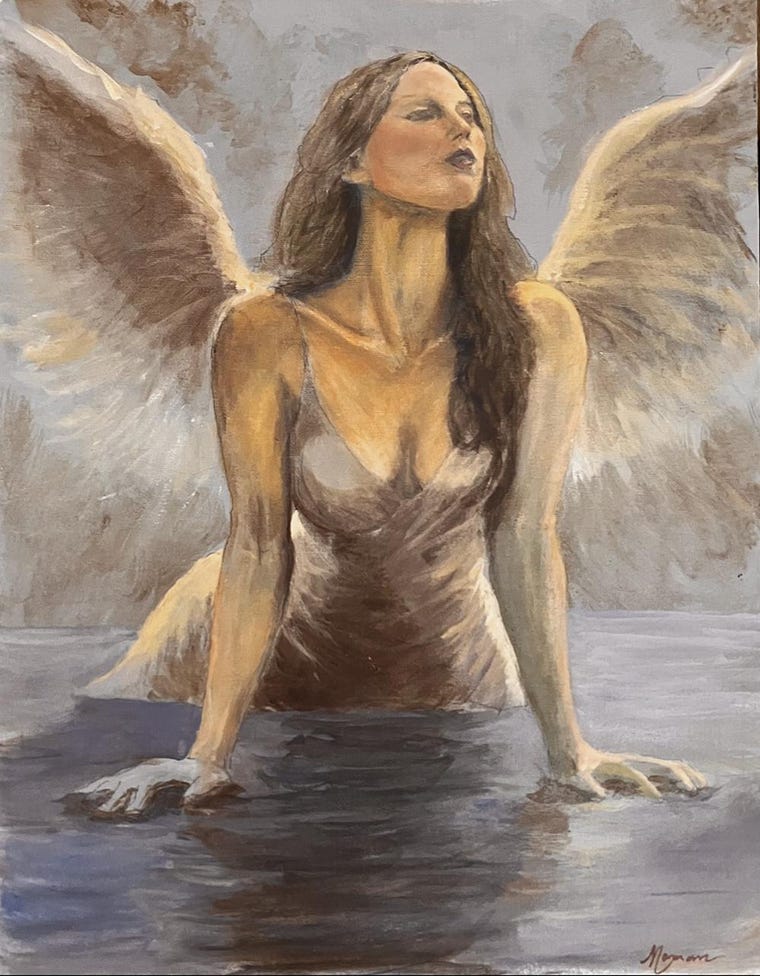
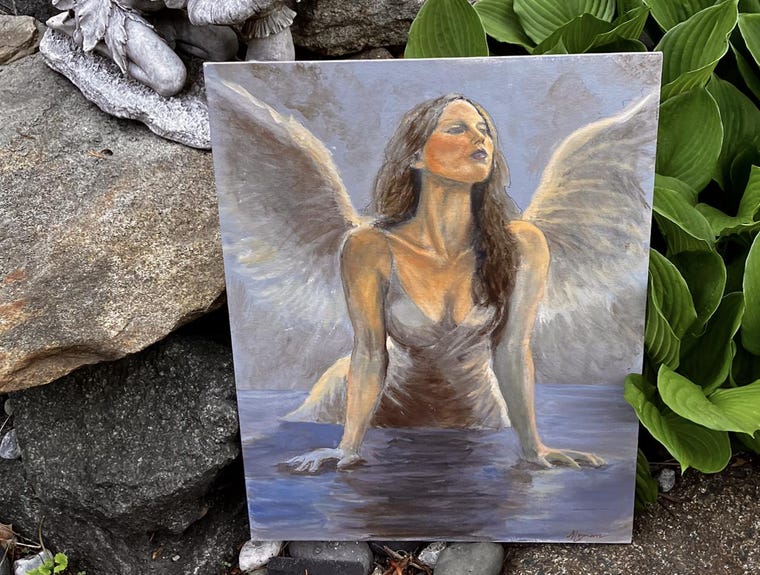
Gran parte de mi trabajo actual explora temas relacionados con lo Sagrado Femenino a través de imágenes elementales como el fuego, el agua, el bosque, la sombra y la luz. Las figuras que pinto suelen estar suspendidas entre la vulnerabilidad y el poder, lo humano y lo simbólico, lo íntimo y lo arquetípico. Me interesa crear imágenes que transmitan una profunda emoción; obras que funcionan menos como simples retratos y más como estados emocionales visibles.
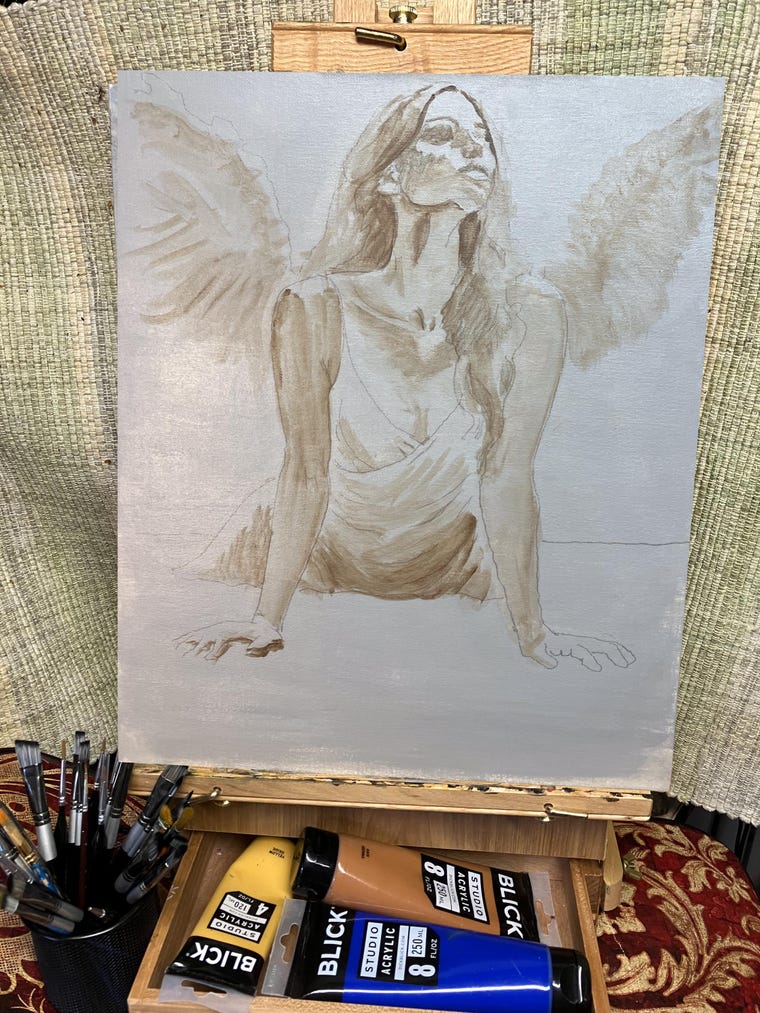
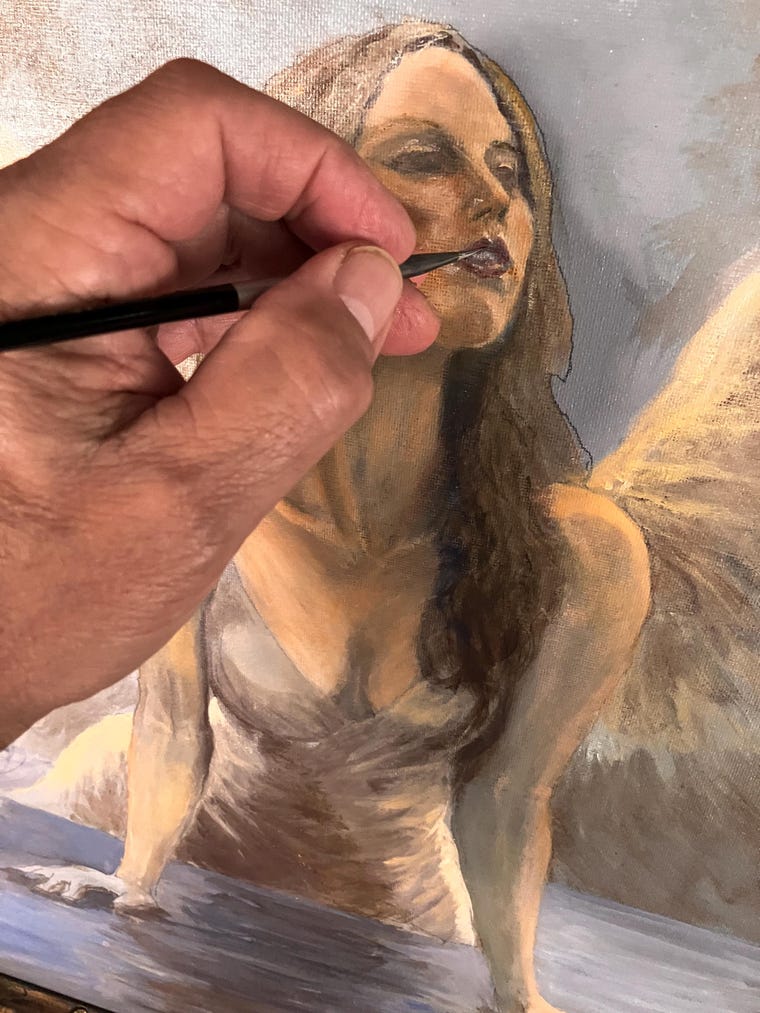
Mi formación en bellas artes e ingeniería sigue influyendo en mi trabajo. Considero cuidadosamente la composición, la estructura, la anatomía y el valor tonal, pero también dejo espacio para que la intuición y la atmósfera guíen la imagen final. Trabajo principalmente con acrílico sobre lienzo, creando superficies en capas que combinan realismo con delicadeza pictórica y abstracción simbólica. La luz desempeña un papel central en casi todas mis obras, actuando prácticamente como un personaje más dentro de la pieza.
En definitiva, creo porque la pintura me permite explorar lo que significa perdurar, transformarse y seguir siendo humano en un mundo complejo. Espero que quienes la vean conecten con la obra a nivel personal, no solo al contemplar la imagen en sí, sino también al sentir algo reflejado en ella. Deseo que las pinturas tengan una presencia emocional en el espacio, invitando a la contemplación, al reconocimiento y a la conexión.
Para mí, el arte no se trata de escapar de la oscuridad. Se trata de encontrar significado, belleza y posibilidades dentro de ella.
Art has been part of my life for as long as I can remember. One of my earliest defining experiences was a childhood visit to New York City’s Museum of Modern Art. Seeing those works in person changed the way I understood art — not simply as representation, but as emotion, atmosphere, and a way of communicating ideas that words often cannot reach. That experience stayed with me and quietly shaped the course of my life.
From an early age, I was drawn to both art and engineering, fascinated equally by imagination and structure. Like Leonardo da Vinci, whose work continues to inspire me, I never saw creativity and technical thinking as opposites. I pursued a formal education in Fine Arts, studying painting, etching, lithography, and sculpture, while also building a professional career in engineering that would span more than forty years.
Although engineering became my profession, art never disappeared from my life. The disciplines informed one another in unexpected ways. Engineering taught me precision, structure, problem-solving, and a deeper understanding of form and materials. Art remained the place where emotion, symbolism, intuition, and personal exploration could exist freely. Now retired from engineering, I’ve returned fully to painting and visual storytelling, dedicating my time and energy to creating work that brings those lifelong influences together.
My artistic influences are wide-ranging. I have always admired the Old Masters and their extraordinary understanding of light and shadow — the ability to use illumination not only to describe a figure, but to reveal emotion, tension, and psychological depth. I’m equally drawn to the Surrealists and their exploration of dreams, symbolism, and the subconscious mind. Alongside those classical and surreal influences is the darker visual language of punk and goth culture, which shaped my aesthetic sensibilities over the years: themes of mortality, alienation, beauty within darkness, and existential questioning.
What interests me most is the tension between darkness and hope. My work often carries a melancholic or mythic atmosphere, but it is never entirely nihilistic. Even in moments of isolation or grief, I’m searching for resilience, transcendence, and transformation. That emotional balance has become central to my paintings.
Much of my current work explores themes connected to the Sacred Feminine through elemental imagery such as fire, water, forest, shadow, and light. The figures I paint are often suspended between vulnerability and power, human and symbolic, intimate and archetypal. I’m interested in creating images that feel emotionally inhabited — works that function less as simple portraits and more as emotional states made visible.
My background in both fine art and engineering continues to shape how I work. Composition, structure, anatomy, and value are carefully considered, but I also allow space for intuition and atmosphere to guide the final image. I work primarily in acrylic on canvas, building layered surfaces that combine realism with painterly softness and symbolic abstraction. Light plays a central role in nearly every piece, acting almost as its own character within the work.
Ultimately, I create because painting allows me to explore what it means to endure, transform, and remain human in a complicated world. My hope is that viewers connect with the work on a personal level — not only by seeing the image itself, but by feeling something reflected back at them. I want the paintings to hold emotional presence within a space, inviting contemplation, recognition, and connection.
For me, art is not about escaping darkness. It is about finding meaning, beauty, and possibility within it.