






Libro por libro
Book by Book
Todos hemos oído la frase: «Dios solo te da lo que puedes soportar». Sin embargo, cuestiono la idea de que solo recibimos lo que podemos aguantar. Muchas personas en todo el mundo sufren penurias que escapan a su control, a menudo a manos de otros. Ante esto, elijo creer en el amor, en el poder del pensamiento y en la sincronicidad que se manifiesta cuando vivimos con intención consciente y cultivamos la compasión.
Asimismo, se menciona la expresión: "Si quieres hacer reír a Dios, haz planes".
El humor también es un recurso invaluable en nuestro camino, y la ironía de la vida añade ricas capas que desempeñan un papel importante en el descubrimiento del significado.
Soy una inesperada proveedora de libros de teología, marcada por mi propia experiencia, un laberinto de traumas relacionados con sistemas de creencias. Mi historia es dramática; percibo matices de ironía e incluso toques de humor. Sufro del Síndrome de Trauma Religioso (STR), derivado de mi crianza en una secta. Mi hogar era un campo de batalla dividido: un creyente y un no creyente; uno de mis padres, fervientemente religioso, y el otro, escéptico. Vivo con un trastorno de estrés postraumático complejo, tanto previo como posterior a la secta. Esto significa que lidio con el dolor del pasado y, al mismo tiempo, mantengo la ansiedad por el futuro. Una profecía anunciaba el Armagedón en 1975, lo que llevó a mi madre a tomar la desgarradora decisión de entregar a nuestros hijos a nuestro padre en un intento desesperado por nuestra salvación. Sin embargo, el mundo no se acabó, y su decisión dejó repercusiones duraderas que repercutieron en nuestras vidas durante décadas.
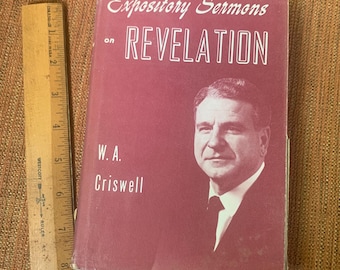
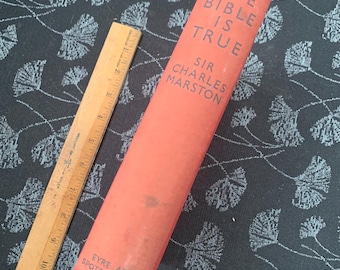
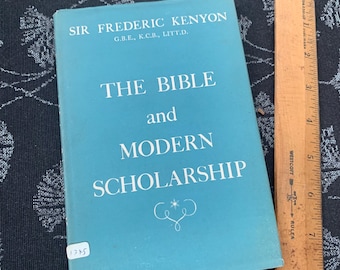
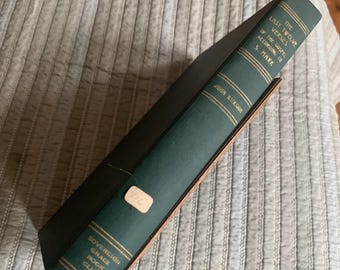
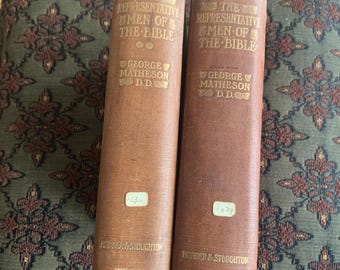
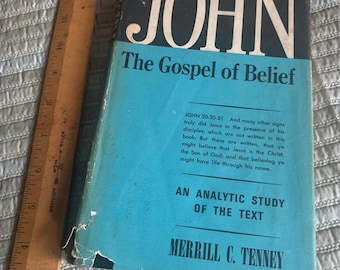
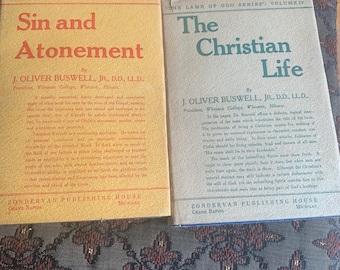
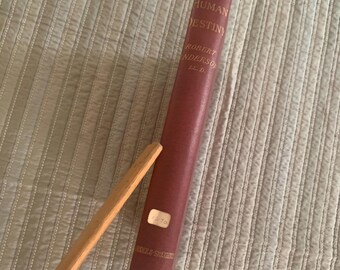
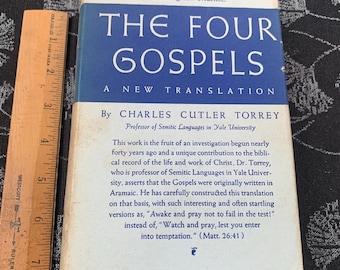
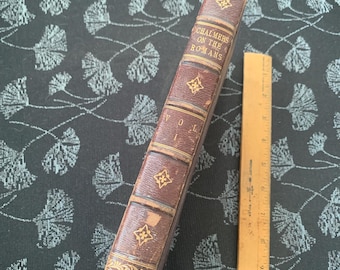
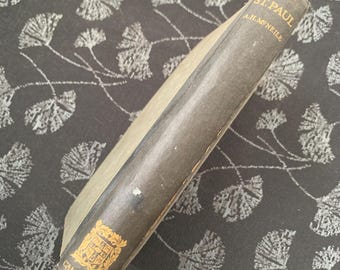
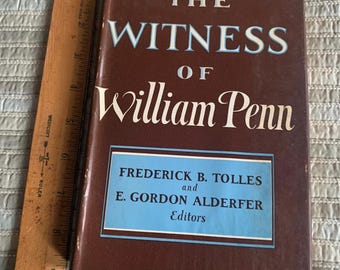
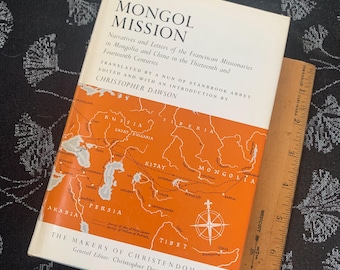
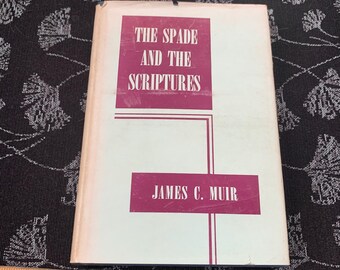
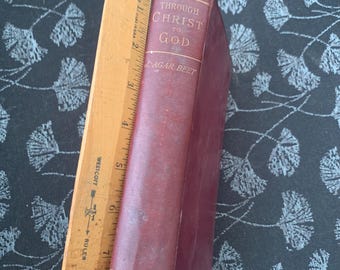
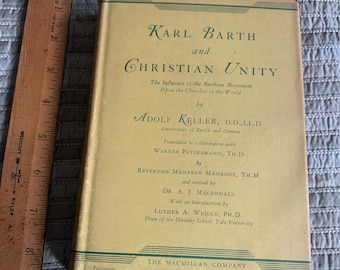
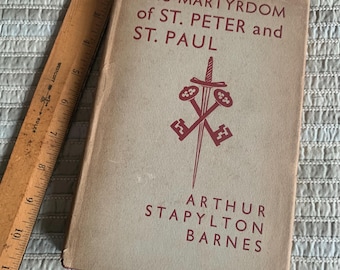
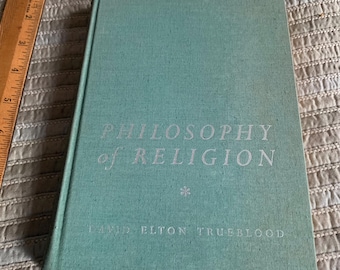
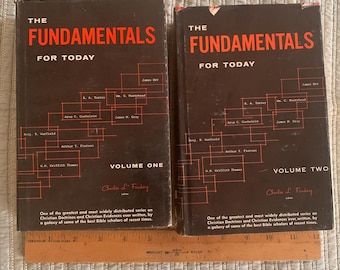
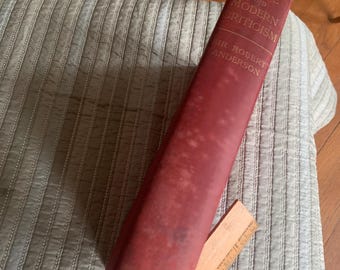
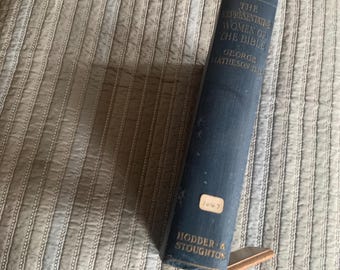
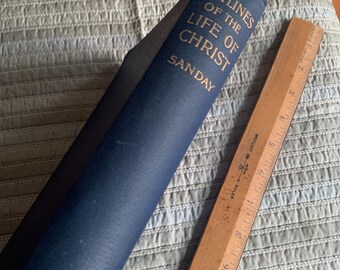
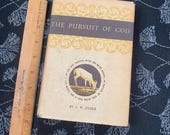
Tras graduarme en la escuela de arte, me labré una carrera como artista. El destino me llevó a conocer a mi marido, que tenía una formación similar, aunque su educación, si bien estricta, no era tan rígida como la mía. Cuando heredamos la casa donde pasó su infancia, descubrimos una extraordinaria colección de 4000 libros entre sus pertenencias. Al principio, intenté regalarlos, contactando repetidamente con Wheaton College para recuperarlos, pero siempre me decían que ya habría tiempo. Sin embargo, la casa era pequeña y necesitaba el espacio. Me puse en contacto con un librero, que me ofreció 700 dólares por toda la colección.
Antes de tomar una decisión, exploré la colección de mi suegro, Paul Fromer (1927-2012), editor de la revista HIS y de varios libros de Billy Graham. Gran parte de la biblioteca la heredó de su tío, George H. Fromer (1888-1972), quien guarda su colección personal en una segunda residencia contigua a la suya en Beaverton, Michigan.
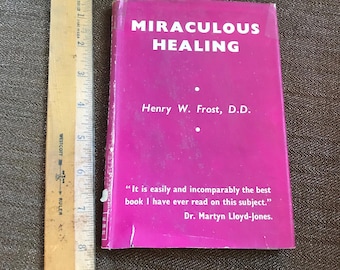
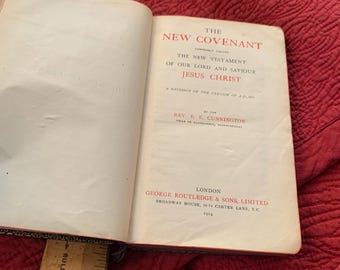
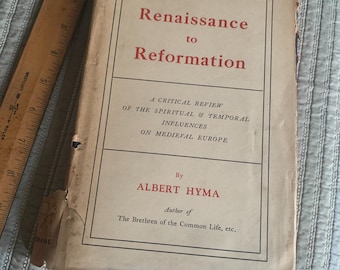
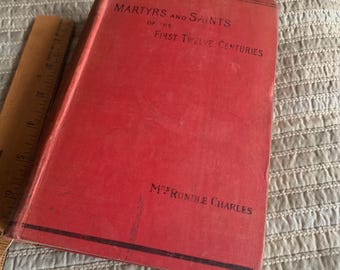
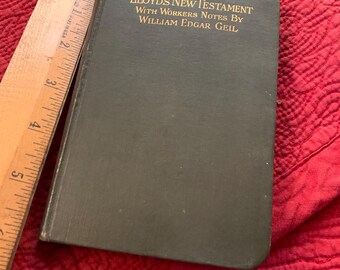
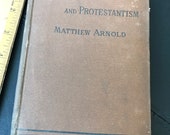
Era natural que dudara de la adoctrinación rígida o extrema. Lo que descubrí fue extraordinario. La mayoría de los libros de teología de no ficción databan de los siglos XVIII y XIX, e incluso algunos se imprimieron en el siglo XVII. Mi intención inicial era simplemente tantear el terreno como librero y tratar de ganar dinero para la casa.
Sin embargo, cuanto más investigaba, más conocía a autores, eruditos y pensadores que escribieron en una época progresista, caracterizada por escritores sinceros en su búsqueda por comprender la historia, el propósito de la Biblia y las enseñanzas de Jesús. El siglo XIX vio nacer una sociedad que se esforzaba por cuidar la Tierra y a sus poblaciones menos afortunadas, fomentando una cultura de conciencia y compasión. Al profundizar en el tema, descubrí el compromiso de estos autores con el bienestar infantil, la salud mental y la igualdad. Desarrollé una profunda tolerancia hacia aquellos que buscaban genuinamente conocimiento y comprensión de las escrituras antiguas, sin la obsesión por la certeza absoluta.
A pesar de los giros inesperados de la vida, esta coyuntura irónica me resultó transformadora y un viaje profundo. En el clima actual de Estados Unidos, puedo abstenerme de las noticias tanto partidistas como alarmistas, que fácilmente nos llenan de una sensación de fatalidad inminente. Puedo participar de la esperanza.
We've all heard the phrases, “God only gives you what you can handle” Yet, I challenge the notion that we receive only what we can bear. Many people across the globe endure suffering beyond their control, often at the hands of others. In the face of this, I choose to believe in love, the power of thought, and the synchronicity that unfolds when we live with conscious intent and embrace compassion.
Also, the expression, “If you want to make God laugh, make plans,” is another phrase mentioned.
Humor, too, is an invaluable asset in our journey, and the irony of life adds rich layers to plays a role in discovery meaning.
I am an unexpected purveyor of theology books, shaped by my own journey riddle in trauma over belief systems. My story is dramatic, I am able to see overtones of irony and even bits of humor. I carry the weight of Religious Trauma Syndrome (RTS), stemming from my upbringing in a cult. My home was a divided battleground, a believer and a non-beliver, one parent fervently religious and the other a skeptic. I live with complex PTSD, post and pre. This means I grapple with grief from my past yet maintain anxiety over the future. A prophecy declared that Armageddon would strike in 1975, leading my mother to make the gut-wrenching decision to sign her children over to our father in a desperate bid for our salvation. Yet, the world did not end, and her choice left lasting repercussions that reverberated through our lives for decades.
After art school, I forged a career as an artist. Fate led me to meet my husband, who shared a similar background, though his upbringing, while stringent, was not labeled a cult like mine. When we inherited his childhood home, we discovered a remarkable collection of 4,000 books stored amongst the belongings. Initially, I attempted to give them away, repeatedly contacting Wheaton College to retrieve the books, only to be told time that there would be time for that. But its a small, house and I needed the space. I reached out to a book dealer, who offered $700 for the entire collection.
Before committing, I explored the collection maintained by my father-in-law, Paul Fromer (1927-2012), who was the editor of HIS Magazine and several Billy Graham books. Much of the library was inherited from paul’s uncle, George H. Fromer (1888-1972), who houses his personal collection it in a second home next to his in Beaverton, Michigan.
It was natural that I was hesitant of ridged or extreme indoctrination. What I uncovered was nothing short of extraordinary. Most of the theology non-fiction dated back to the 1700s and 1800s and even a few printed in the 1600s. My initial intent of merely testing the waters as a bookseller, and make a go at earning funds for the house.
Yet, the more I researched I was introduced to authors, scholars and thinkers, who wrote in a progressive era characterized by writers earnest in their quest for understanding history, the purpose of the Bible, and the teachings of Jesus. The 1800s forestered a society who strives to care for the Earth and its less fortunate population, fostering a culture of consciousness and compassion. As I immersed myself, I learn how the authors were commitmented to children’s welfare, mental health care, and equality. I cultivated a deep tolerance for those genuinely seeking knowledge and understanding from ancient scripture, without the fever of certainty.
Despite the Shakespearean twists in life, I found this ironic juncture transformative. and profound journey. In this current climate of America, I am able to refrain from both the bipartisan and fear-mongering news, which easy burdens thoughts with impending doom. I am able to participate in hope.
