










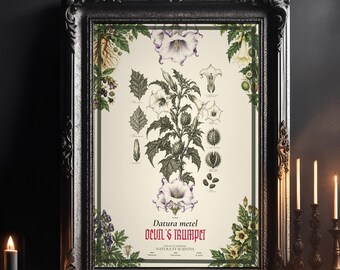
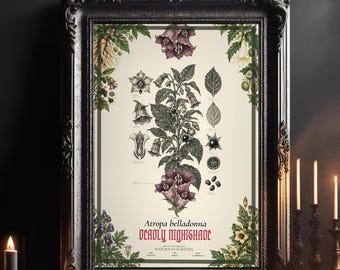


Botanische Kunst für eine neugierigere Welt
Botanical art for a more curious world
Ich möchte, dass sich die Welt in Pflanzen verliebt.
Indem man sich ansieht, wie sie gebaut sind.
Ein Querschnitt ist eine Komposition. Die Blattaderung ist eine Zeichnung. Die Spirale von
Ein Samenstand war ein Konstruktionsproblem, das lange gelöst wurde, bevor irgendjemand daran dachte…
Nennen wir es einfach eins. Die meisten Leute gehen daran vorbei.
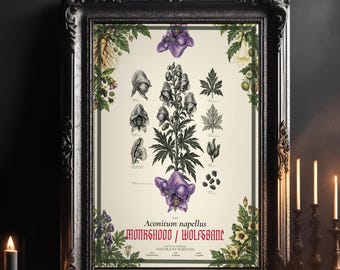
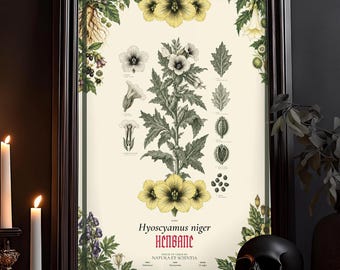
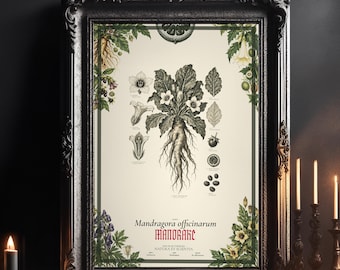
Das House of Verdure existiert, um diesen Prozess zu verlangsamen – um die Strukturen zu nehmen, die
leben normalerweise in einem Lehrbuch und geben Sie ihnen die Behandlung, die sie in einem bekommen würden
Alter naturkundlicher Atlas. Graviert. Punktiert. Waldtinte auf warmem Elfenbein.
Boden. Eingerahmt und aufgehängt, nicht abgeheftet.
WO DIE ARBEIT HERKOMMT
In der Wissenschaft finde ich die Kompositionen. Anatomie, Morphologie, die Art und Weise, wie ein
Ein Blatt löst ein strukturelles Problem, die Symmetrie einer Blüte beachtet niemand.
genau genug – das ist das Ausgangsmaterial.
Was dann folgt, ist das Design. Ich komponiere Platten für die Balance, nicht für die...
Aufzeichnung. Farbe dient der Raumgestaltung. Ein Exemplar wird so angeordnet, wie es sein sollte.
sind gewachsen. Diese Zeichnungen sind im Geiste wissenschaftlicher Illustration angefertigt, nicht
in seinem Dienst – Schönheit an erster Stelle, die Struktur als Grund dafür
Schönheit ist vorhanden.
WAS BEINHALTET DIE KOLLEKTION?
Jede Pflanze, die einen genaueren Blick wert ist – egal ob sie auf einer Fensterbank wächst oder
Tief im Blätterdach eines Waldes, wo niemand steht. Kultivierte Zimmerpflanzen und
Ihre Kultivare. Wildarten. Fleischfressende Pflanzen. Farne und Nacht
Blütenpflanzen. Anatomische Studien, Samenformen, Zellstrukturen, Gesamtpflanze
Porträts.
Die Sammlung wächst in jede beliebige Richtung, die nächste interessante Struktur
Punkte. Ich baue die Teller als Serie, sodass sie zusammenpassen – kaufen Sie zwei.
Und sie sehen so aus, als kämen sie aus demselben Band, weil sie es auch taten.
WIE DIESE HERGESTELLT WERDEN
Die Bilder sind KI-generiert. Ich sage das lieber offen, anstatt es Sie im Dunkeln tappen zu lassen.
Andernfalls gehen wir davon aus.
Was nicht automatisiert ist: die Komposition, die Typografie, die Druckplatte
Architektur, die Themenwahl, die Farbe und die vielen Durchgänge, die sie durchläuft
Damit eine Struktur so aussieht, wie sie aussehen sollte. Der Generator macht
Bilder. Der Teller ist das Werk.
Ich sage das laut, weil überraschend viele Läden das nicht tun, und du
Sie haben ein Recht darauf zu wissen, was Sie kaufen.
MATERIALIEN
Gedruckt auf Bestellung auf hochwertigem, mattem 200-g/m²-Papier. Ich bin wählerisch, welches
Diese Farbe eignet sich dafür – sie hält feine Linien, ohne die Striche abzuflachen.
und der warme Boden liest sich so, wie er sich lesen soll.
Von kleinen Akzentstücken bis hin zu großflächigen Statement-Prints ist alles dabei.
FÜR ALLE NEUGIERIGEN
Man muss keine Fachbegriffe kennen, um so etwas haben zu wollen.
Neugier ist die einzige Voraussetzung, und die hast du bereits, oder du
Hätte nicht so weit gelesen.
— Hafeez, Haus der Verdure
New York
I WANT TO MAKE THE WORLD FALL IN LOVE WITH PLANTS
By looking at how they're built.
A cross-section is a composition. Venation is a drawing. The spiral of
a seed head was a design problem solved long before anyone thought to
call it one. Most people walk past all of it.
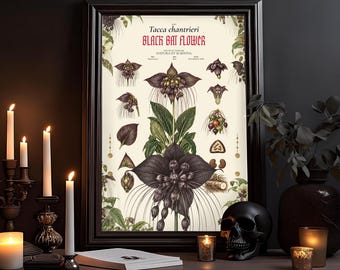
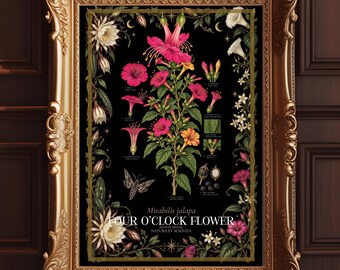
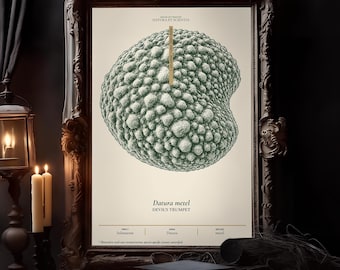
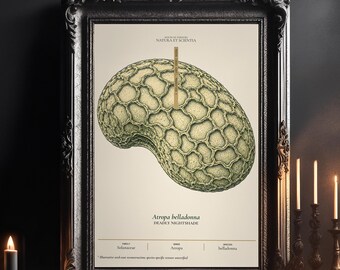
House of Verdure exists to slow that down — to take the structures that
usually live in a textbook and give them the treatment they'd get in an
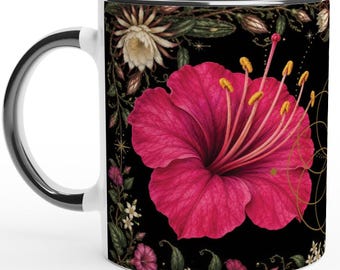
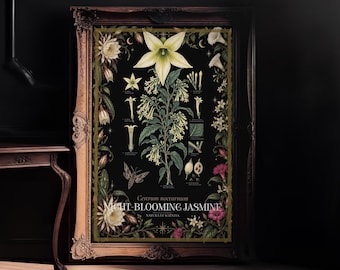
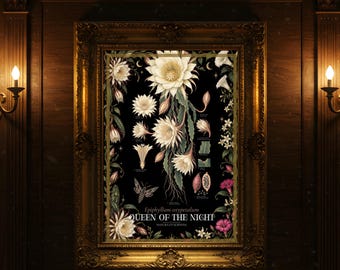
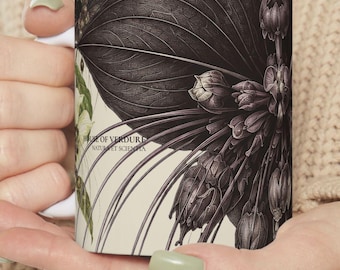
old natural history atlas. Engraved. Stippled. Forest ink on warm ivory
ground. Framed and hung, not filed away.
WHERE THE WORK COMES FROM
Science is where I find the compositions. Anatomy, morphology, the way a
leaf resolves a structural problem, the symmetry in a flower nobody looks
at closely enough — that's the source material.
What happens next is design. I compose plates for balance, not for the
record. Color serves the room. A specimen gets arranged the way it should
have grown. These are drawn in the spirit of scientific illustration, not
in its service — beauty first, with the structure as the reason the
beauty is there.
WHAT'S IN THE COLLECTION
Any plant worth a closer look — whether it's growing on a windowsill or
deep in a forest canopy no one's standing in. Cultivated houseplants and
their cultivars. Wild species. Carnivorous plants. Ferns and night
bloomers. Anatomical studies, seed forms, cellular structures, whole-plant
portraits.
The collection grows in whatever direction the next interesting structure
points. I build the plates as a series, so they hang together — buy two
and they look like they came from the same volume, because they did.
HOW THESE ARE MADE
The imagery is AI-generated. I'd rather say that plainly than let you
assume otherwise.
What isn't automated: the composition, the typography, the plate
architecture, the subject choice, the color, and the many passes it takes
to get a structure looking the way it should. The generator makes
pictures. The plate is the work.
I say this out loud because a surprising number of shops won't, and you
deserve to know what you're buying.
MATERIALS
Printed to order on premium 200gsm matte paper. I'm particular about which
stock these go on — it holds fine linework without flattening the stipple,
and the warm ground reads the way it's meant to.
Sizes from small accent pieces through large statement prints.
FOR ANYONE CURIOUS
You don't need to know any of the terminology to want one of these on your
wall. Curiosity is the only prerequisite, and you already have it or you
wouldn't have read this far.
— Hafeez, House of Verdure
New York
