


La historia de las teclas Jewel
The Jewel Keycaps Story
Hola, soy Sarah.
Soy el fundador de Jewel Keycaps. Me gradué recientemente de la Universidad de Virginia (UVU) con un título en ingeniería mecánica y decidí probar suerte creando algo increíble. Este negocio es fruto de mi pasión por las cosas pequeñas y bonitas, las herramientas de escritorio y el sonido metálico de un teclado mecánico.
Siempre he sentido una gran pasión por las herramientas que usamos cuando trabajamos en un escritorio. Todo lo que usamos para escribir, diseñar e inventar. Durante la mayor parte de mi vida, eso significaba bolígrafos, lápices, cuadernos y agendas. Usar un portaminas Rotring, elegante y pesado, hacía que las tareas escolares fueran más emocionantes; era divertido llevar un cuaderno de viaje y anotar ideas para un diseño cuando estaba fuera. Sin embargo, todas estas herramientas eran analógicas y, con el paso de los años, mi trabajo se hacía cada vez más en el ordenador.
Un día de 2021, a mitad de mi carrera de ingeniería, me topé con r/mechanicalkeyboards y quedé impresionado. Era el equivalente digital de un bolígrafo y un cuaderno de lujo.
Y luego encontré a los artesanos.
Ay dios mío.
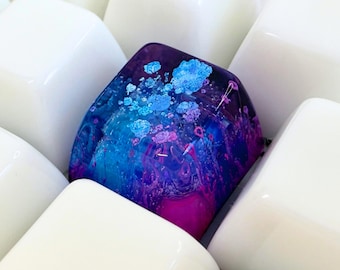
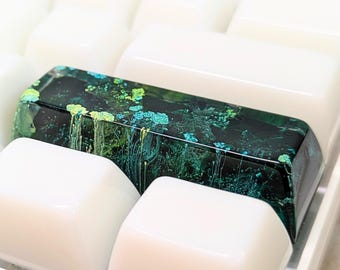
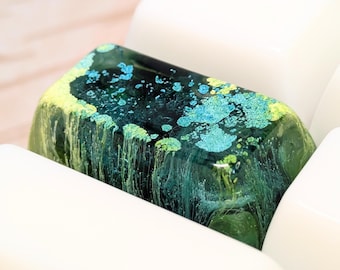
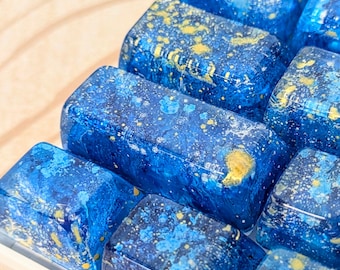
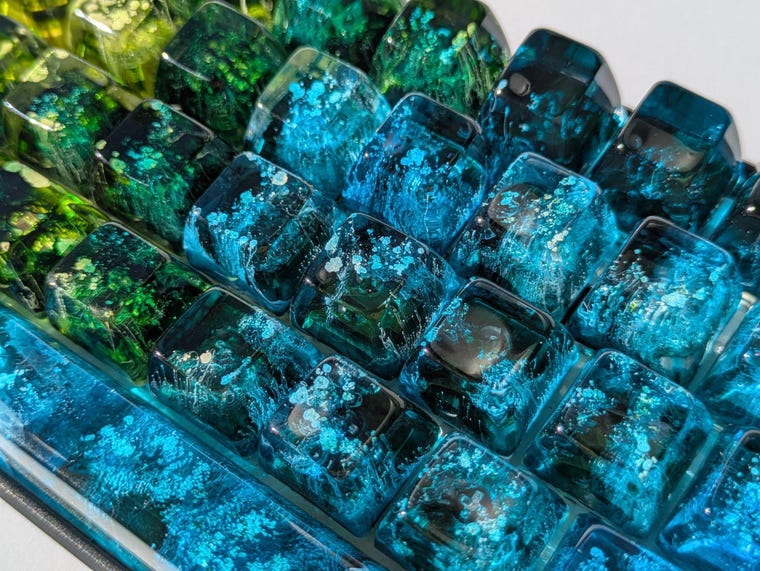
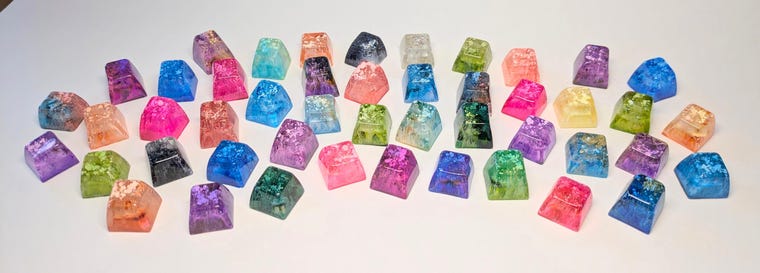
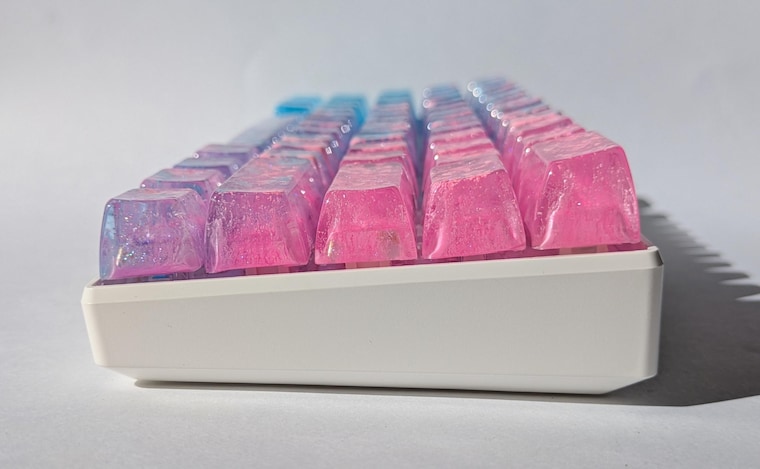
Obras de arte perfectas, en miniatura. Me obsesioné al instante. Deseaba tenerlas en mis manos y pasé las pocas horas que tuve mirando las tiendas y los creadores que hacían artesanías en aquella época. Eran pocos, y los que encontré costaban más de lo que podía gastar. No pude comprar ni un solo artesano, ¡y me quedé fatal!
Entonces, ¿qué puede hacer un nuevo entusiasta del teclado?
Decidí hacer el mío. En aquel entonces, había un juego de moldes de silicona para teclas en el mercado; los compré y empecé a experimentar con ellos. Las teclas resultantes fueron un buen primer paso, pero no eran exactamente lo que quería. También hice algunas teclas recubiertas de arcilla, que fueron muy divertidas, pero aún más laboriosas (y funcionalmente inservibles). A medida que experimentaba y probaba, comprendí por qué las teclas artesanales que había visto antes habían escaseado.
Siempre he sentido una gran pasión por las herramientas que usamos cuando trabajamos en un escritorio. Todo lo que usamos para escribir, diseñar e inventar. Durante la mayor parte de mi vida, eso significaba bolígrafos, lápices, cuadernos y agendas. Usar un portaminas Rotring, elegante y pesado, hacía que las tareas escolares fueran más emocionantes; era divertido llevar un cuaderno de viaje y anotar ideas para un diseño cuando estaba fuera. Sin embargo, todas estas herramientas eran analógicas y, con el paso de los años, mi trabajo se hacía cada vez más en el ordenador.
Un día de 2021, a mitad de mi carrera de ingeniería, me topé con r/mechanicalkeyboards y quedé impresionado. Era el equivalente digital de un bolígrafo y un cuaderno de lujo.
Y luego encontré a los artesanos.
Ay dios mío.
Obras de arte perfectas, en miniatura. Me obsesioné al instante. Deseaba tenerlas en mis manos y pasé las pocas horas que tuve mirando las tiendas y los creadores que hacían artesanías en aquella época. Eran pocos, y los que encontré costaban más de lo que podía gastar. No pude comprar ni un solo artesano, ¡y me quedé fatal!
Entonces, ¿qué puede hacer un nuevo entusiasta del teclado?
Decidí hacer el mío. En aquel entonces, había un juego de moldes de silicona para teclas en el mercado; los compré y empecé a experimentar con ellos. Las teclas resultantes fueron un buen primer paso, pero no eran exactamente lo que quería. También hice algunas teclas recubiertas de arcilla, que fueron muy divertidas, pero aún más laboriosas (y funcionalmente inservibles). A medida que experimentaba y probaba, comprendí por qué las teclas artesanales que había visto antes habían escaseado.
Esas obras de arte perfectas y en miniatura requieren mucho tiempo, energía y práctica por parte de los artistas, lo que naturalmente da como resultado dos cosas:
1) Los artesanos son caros
2) Es muy difícil encontrar cualquier tipo de conjunto coincidente.
En ese momento, mis estudios estaban empezando a intensificarse y dejé de usar las teclas durante un par de años. Durante este tiempo, perfeccioné mis habilidades con la impresión 3D, la fabricación de moldes y los procesos de fabricación en general.
Finalmente, en 2024, me gradué y sabía que quería emprender mi propio negocio, pero no qué tipo de negocio. Mi esposo y yo estábamos en proceso de mudarnos a Carolina del Norte cuando me topé con mi viejo teclado.
Y entonces lo supe.
Decidí usar todos mis conocimientos de ingeniería para desarrollar una mejor manera de fabricar teclas artesanales, de modo que fueran más económicas y se pudieran adquirir en paquetes. Visualicé un teclado con teclas 100% artesanales y estaba dispuesto a hacer lo que fuera necesario para lograrlo.
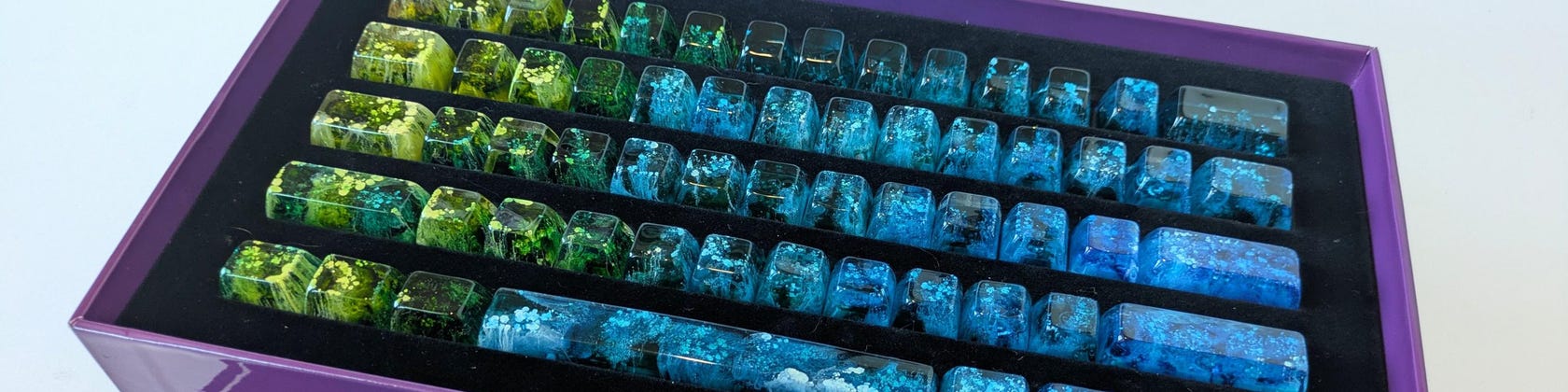
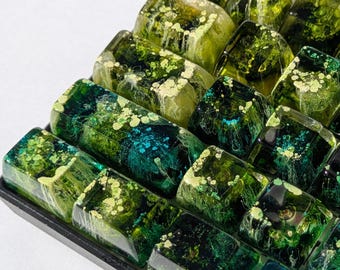
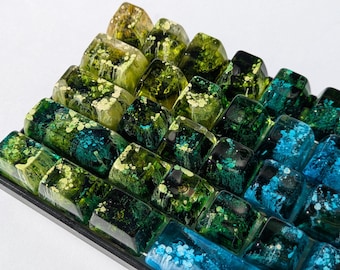
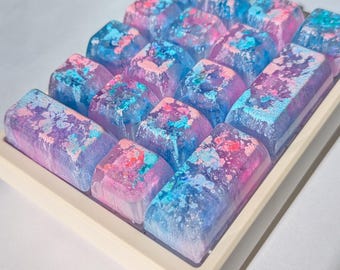
Así que empecé a trabajar. Pasé el siguiente año y medio diseñando, probando, experimentando y perfeccionando. Aproveché todas las habilidades de impresión 3D y fabricación de moldes que había aprendido durante la carrera y desarrollé un proceso de fabricación que permitía crear un juego completo de teclas artesanales en tan solo unas horas. Ahora, por fin, tenía las preciosas teclas artesanales que tanto había deseado hacía un par de años. Entonces decidí compartirlas con el resto del mundo.
Actualmente, Jewel Keycaps soy solo yo, así que solo podré producir una cantidad limitada de juegos de teclas al año. Sin embargo, a medida que la empresa se consolida, empezaré a contratar más personal lo antes posible para que podamos mejorar los teclados de todo el mundo.
Hi, I’m Sarah.
I'm the founder of Jewel Keycaps. I recently graduated from UVU with a degree in mechanical engineering and decided to try my hand at building something great. This business is the product of my love of tiny, beautiful things, desk tools, and the clacky feeling of a mechanical keyboard.
I've always had an intense love for the tools that we use when we're working at a desk. All the things that we use to write, design, invent. For most of my life that meant pens, pencils, notebooks, and planners. Using a sleek, weighty Rotring mechanical pencil made homework more exciting; it was fun to carry a Traveler's Notebook and jot down ideas for a design while I was out. However, all of these tools were analog and with every passing year more and more of my work was done on the computer.
One day in 2021, halfway through my engineering degree, I stumbled upon r/mechanicalkeyboards and was blown away. Here was the digital equivalent of a luxurious pen and notebook.
And then I found the artisans.
Oh, my god.
Perfect, miniature works of art. I was instantly obsessed. I desperately wanted to get my hands on them, and spent the few hours looking at the shops and creators who made artisans at that time. They were few and far between, and the ones I did find cost more than I could spend. I wasn't able to buy a single artisan, and it killed me!
So, what's a newly-minted keyboard enthusiast to do?
I decided to make my own. At the time there was one set of silicone keycap molds on the market; I bought them and started playing around with them. The resulting keycaps were a good first step but they weren't quite what I wanted. I also made some clay-covered keycaps, which were very fun but even more labor-intensive (and functionally unusable). As I tinkered and tested I came to understand why the artisan keycaps I had looked at previously had been in such short supply.
I've always had an intense love for the tools that we use when we're working at a desk. All the things that we use to write, design, invent. For most of my life that meant pens, pencils, notebooks, and planners. Using a sleek, weighty Rotring mechanical pencil made homework more exciting; it was fun to carry a Traveler's Notebook and jot down ideas for a design while I was out. However, all of these tools were analog and with every passing year more and more of my work was done on the computer.
One day in 2021, halfway through my engineering degree, I stumbled upon r/mechanicalkeyboards and was blown away. Here was the digital equivalent of a luxurious pen and notebook.
And then I found the artisans.
Oh, my god.
Perfect, miniature works of art. I was instantly obsessed. I desperately wanted to get my hands on them, and spent the few hours looking at the shops and creators who made artisans at that time. They were few and far between, and the ones I did find cost more than I could spend. I wasn't able to buy a single artisan, and it killed me!
So, what's a newly-minted keyboard enthusiast to do?
I decided to make my own. At the time there was one set of silicone keycap molds on the market; I bought them and started playing around with them. The resulting keycaps were a good first step but they weren't quite what I wanted. I also made some clay-covered keycaps, which were very fun but even more labor-intensive (and functionally unusable). As I tinkered and tested I came to understand why the artisan keycaps I had looked at previously had been in such short supply.
Those perfect, miniature works of art take a lot of time and energy and practice for artists to make, which naturally results in two things:
1) Artisans are expensive
2) It's very difficult to any kind of matching set
At this point my studies were starting to ramp up and I set the keycaps down for a couple years. During this time I was building my skills with 3D printing, mold making, and general manufacturing processes.
Finally in 2024 I graduated and I knew I wanted to start my own business, but not what kind of business I wanted to start. My husband and I were in the process of moving to North Carolina when I stumbled across my old keyboard.
And then I knew.
I decided to use all of the engineering knowledge I had gained to develop a better way to make artisan keycaps so that they would be cheaper and could be acquired in sets. In my mind's eye I saw a keyboard with 100% artisan keycaps, and I was willing to do whatever it took to make it happen.
So I started working. I spent the next year and a half designing, testing, tinkering, and refining. I made use of all of the 3D printing and mold making skills that I had learned over the course of my degree and built up a manufacturing process that could be used to create an entire set of artisan keycaps with just a few hours of work. Now, finally, I had the gorgeous artisan keycaps that I had wanted so badly a couple years ago. Then I decided to share them with the rest of the world.
Currently, Jewel Keycaps is just me, so I will only be able to produce so many sets of keycaps per year. However, as the company becomes more established I will begin hiring more team members as soon as possible so that we can brighten up keyboards all over the world.
