












Photokapi - Unique design and crafts
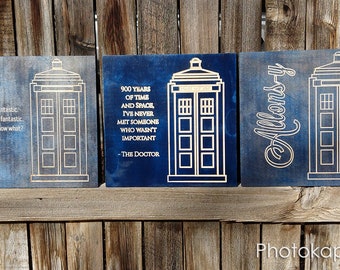
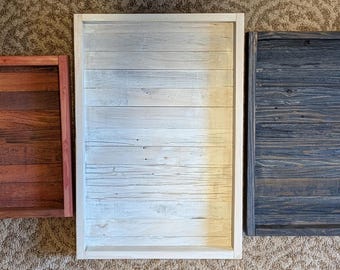
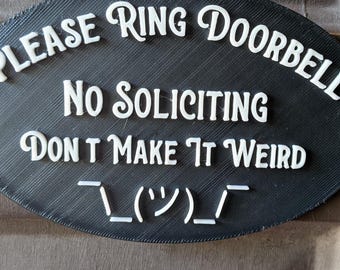
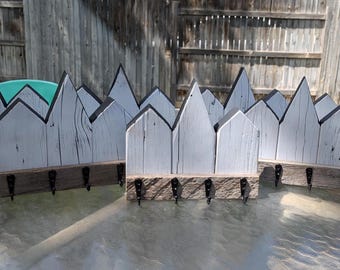
The name of my store comes from the original hobby that started it all -- Photography and and animal called the Okapi. The reason I chose an okapi is simple. They are not necessarily the most beautiful, best, or well-known animal in the world, but they are unique. I consider my photography, design, and crafts to be the same; unique.
I am a web developer by trade, but I have used tools and created things for as long as I remember. I love photography, home improvement, and generally just doing things with my hands. Most of the things I do, I came up with myself, or made modifications to ideas I saw elsewhere.
I hope you enjoy what I have created and I welcome your comments.
More about the Okapi
The Okapi (Okapia johnstoni - pronounced Oh - kah - pee) is a mammal native to the Ituri Rainforest, located in the northeast of the Democratic Republic of the Congo, in central Africa. They are striped on the hindquarters like a zebra, but are actually related more closely to giraffes. There are approximately 10,000 - 20,000 in the wild.