






WENN LEIDENSCHAFT ZUM SINN WIRD
WHEN PASSION BECOMES PURPOSE
Die Künstler, die Kunst schaffen, sind Teil der Kunst selbst. Ihre eigenen Emotionen, ihre Kämpfe, ihre Freuden und ihre Liebe sind in jedem ihrer Kunstwerke verborgen.
Ich war eine Kunsthandwerkerin, die sich mit Pietra Dura über Wasser hielt. Damals wurden Kunsthandwerker nie fair für ihre Arbeit bezahlt. Der Zwischenhändler strich den Großteil des Gewinns ein, und uns blieb nur wenig übrig, um über die Runden zu kommen. Eines Tages erzählte mir ein Kollege von Etsy und bat mich, dort Kontakt aufzunehmen.
„Und seit diesem Tag habe ich nie wieder umgedreht.“
Für mich ist die Marmorintarsienarbeit (Pietra Dura) eine Familienangelegenheit, eine Fertigkeit, die ich von meinem Vater gelernt und nun meinem Sohn beigebracht habe. Tatsächlich ist diese Kunstform so eng mit meiner Familiengeschichte verbunden, dass ich glaube, sie wurde über Generationen weitergegeben und ihre Geschichte lässt sich bis ins 16. Jahrhundert zurückverfolgen.
Marmorintarsien schmücken eines der bekanntesten und bedeutendsten Bauwerke der Welt – das Taj Mahal. Doch ihre Ursprünge sind bescheiden und funktional. Als traditionelle Kunstform, die nur noch von wenigen Meistern beherrscht wird, ist die Marmorintarsienarbeit ein filigraner Prozess, bei dem Marmorformen sorgfältig von Hand geschnitten und graviert werden.
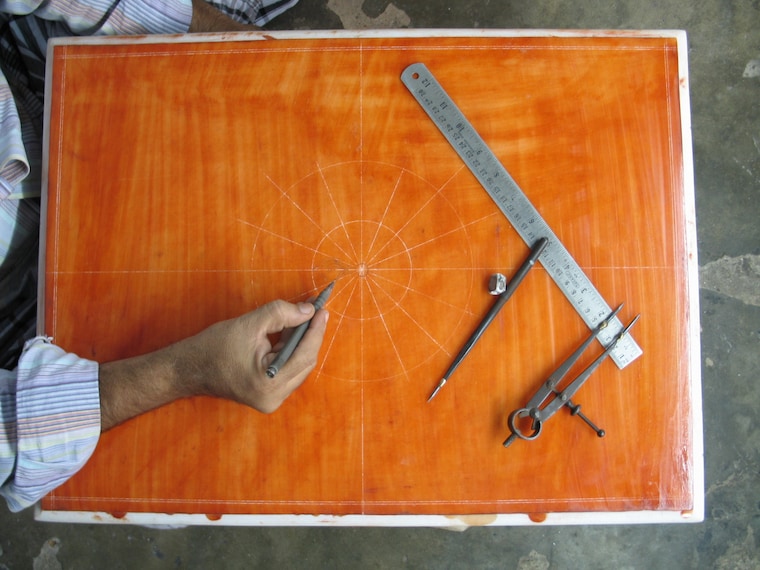
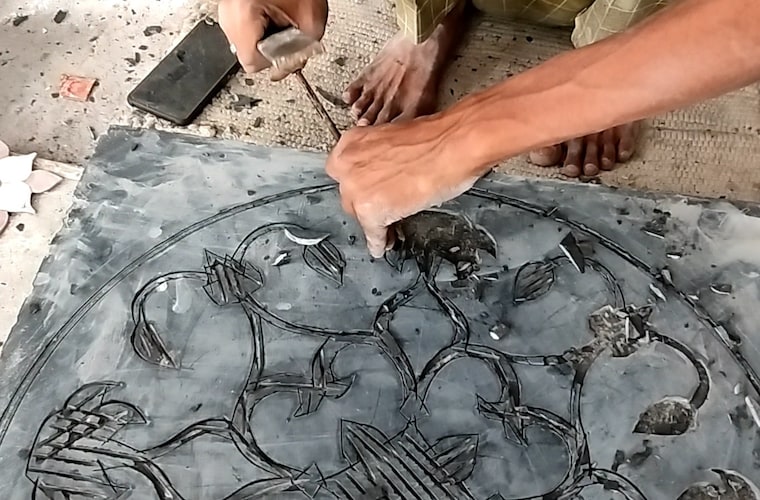
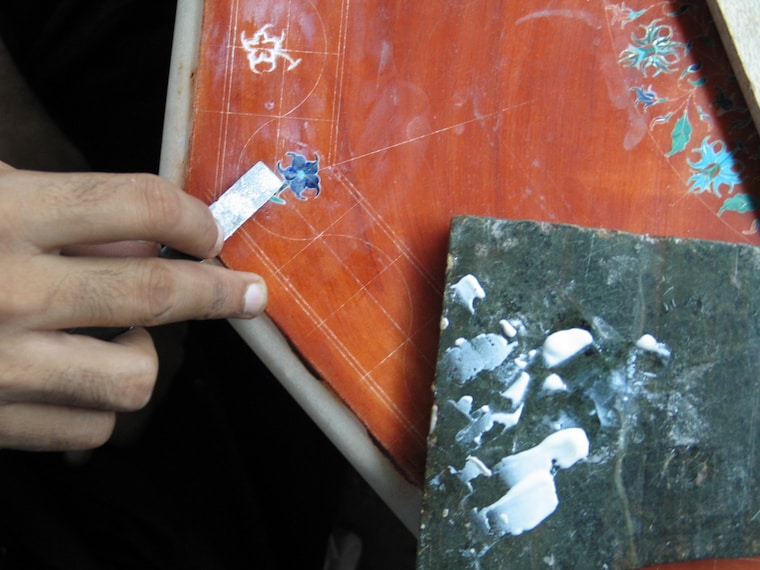
Die Intarsienarbeit erfordert das Können mehrerer Spezialisten für jeden einzelnen, zeitaufwändigen Arbeitsschritt. Die Vorbereitung umfasst das Formen des Marmors, die Gestaltung des individuell entworfenen Designs und das Auftragen von Geru, einem roten Mineral, das den geätzten Linien einen starken Kontrast verleiht. Die Intarsienarbeit beginnt mit einem Design, das aus einer Messingplatte ausgeschnitten, auf den Marmor gelegt und nachgezeichnet wird. Anschließend wird der Marmor mit einfachsten Werkzeugen – einem Satz Meißel und einem Winkelmesser – bearbeitet. Scheiben farbiger Steine (Edel- und Halbedelsteine) werden dann mit Klebstoff vorsichtig in den Marmor eingelegt. Bevor die Steine eingesetzt werden, wird die geätzte Fläche mit Zement gefüllt, der Marmor leicht erwärmt und die Steine fixiert.
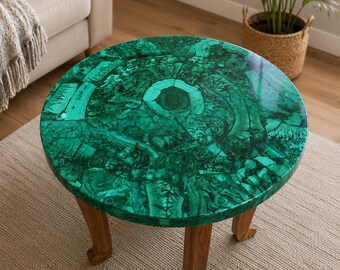
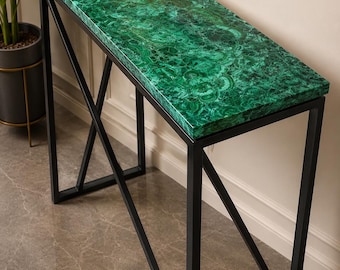
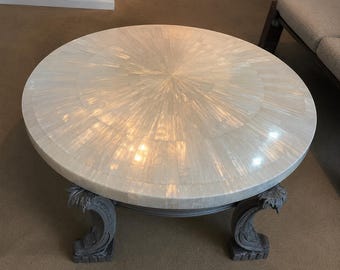
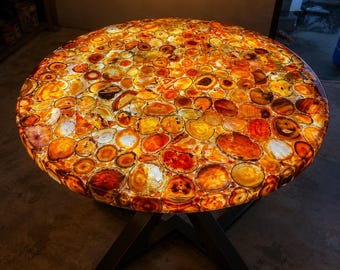
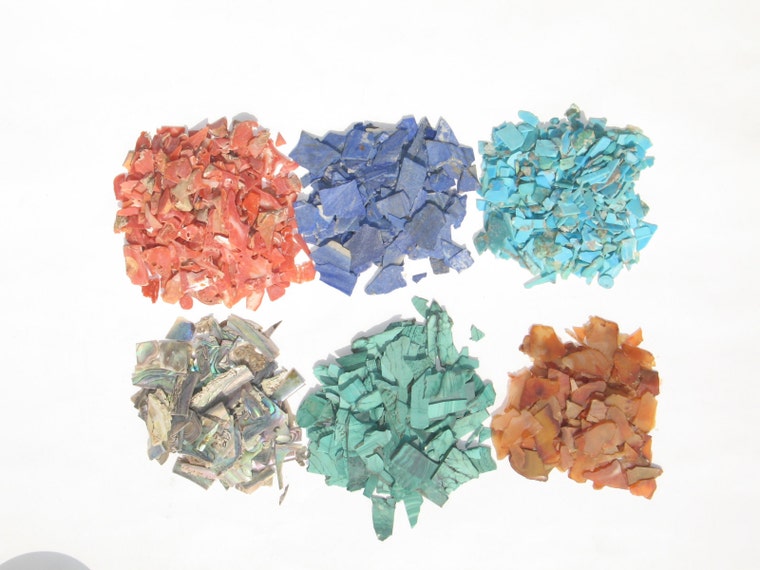
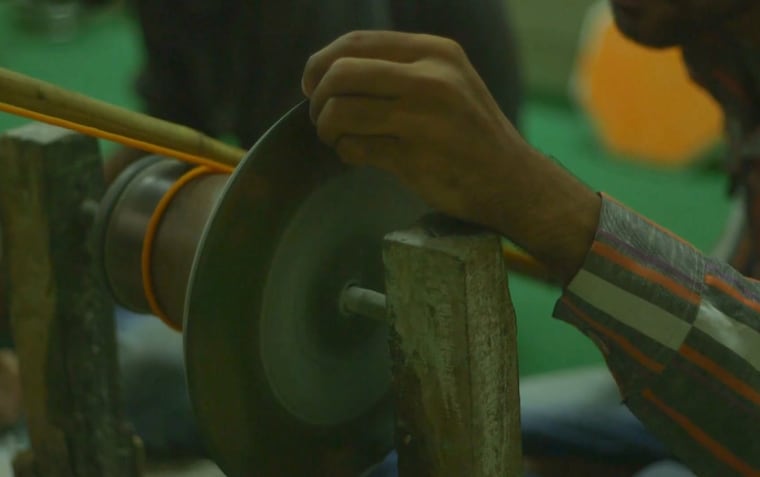
Die Halbedelsteine, darunter Lapislazuli, Achat, Malachit, Karneol, Jaspis, Perlmutt, Koralle und andere, werden auf einer handbetriebenen Schleifscheibe geschliffen und geformt, um die filigranen Elemente des Musters zu gestalten. Sobald die Intarsienarbeit abgeschlossen und getrocknet ist, werden Oberfläche und Kanten poliert und auf Hochglanz gebracht. Je geschickter der Kunsthandwerker ist, desto präziser und detailreicher sind die von ihm gefertigten Ornamente.
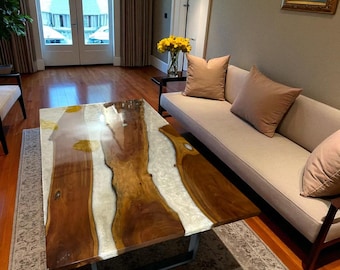
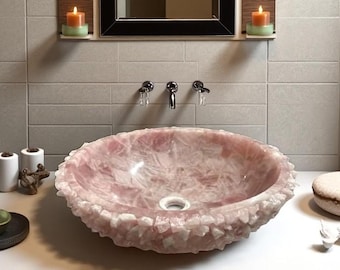
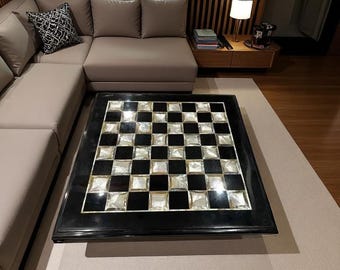
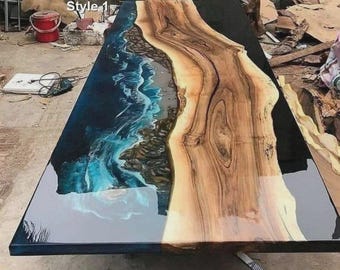
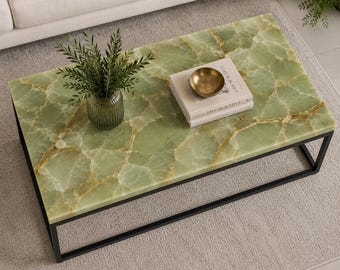
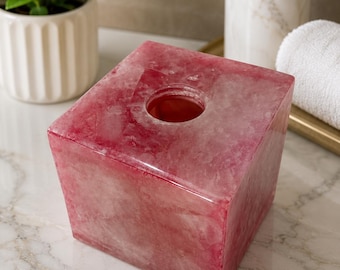
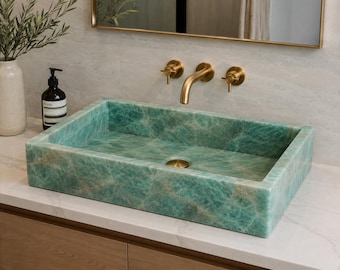
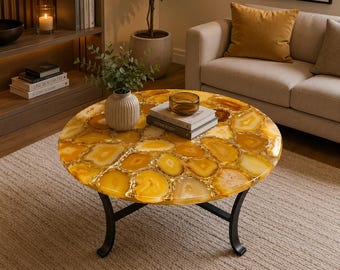
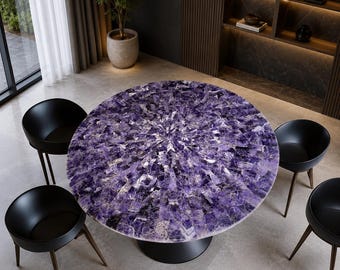
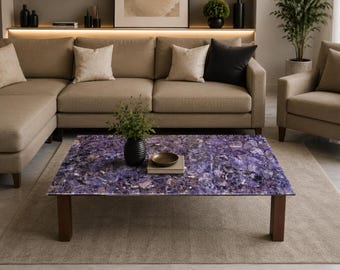
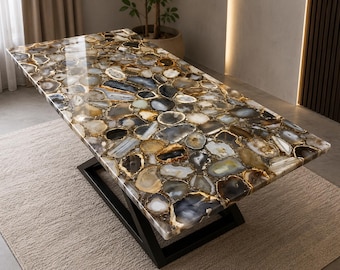
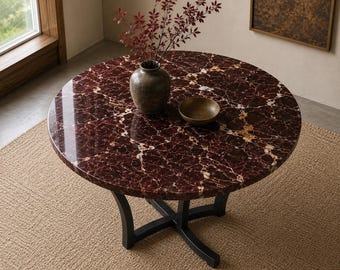
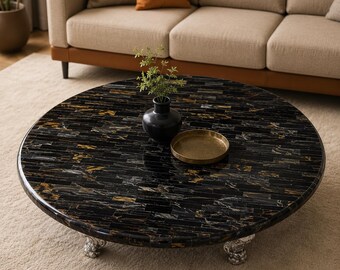
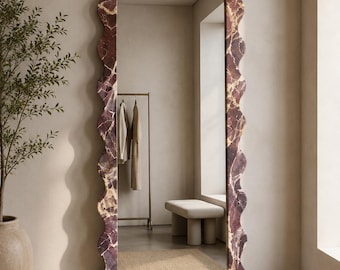
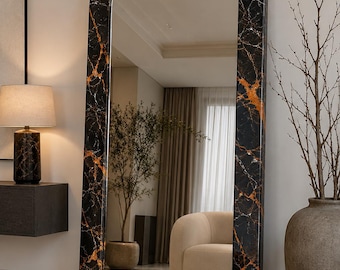
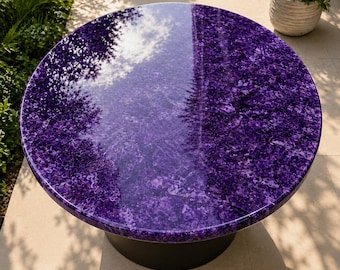
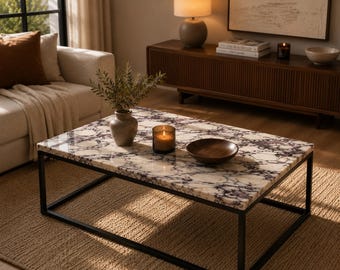
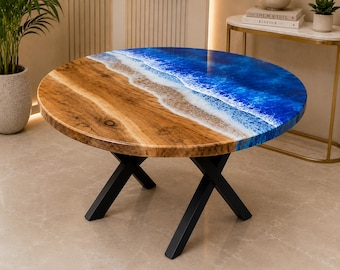
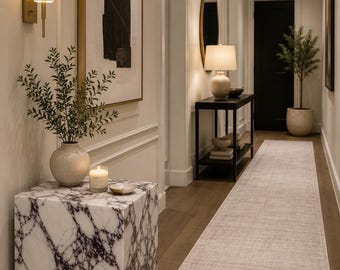
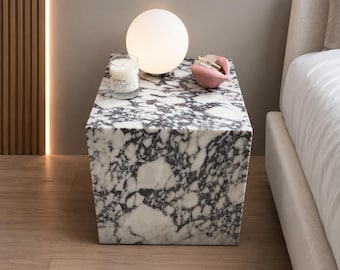
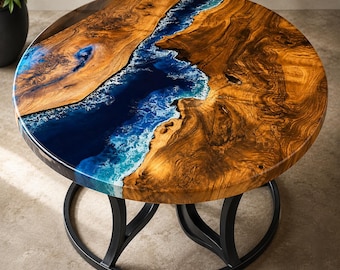
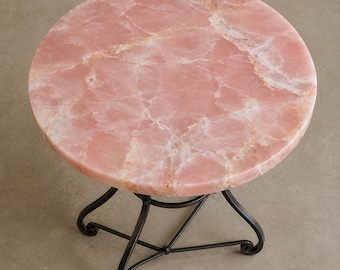
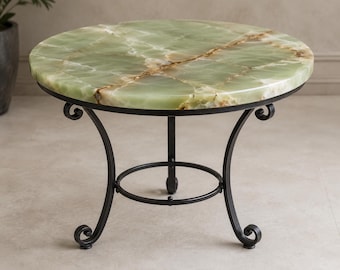
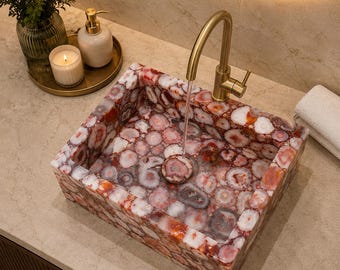
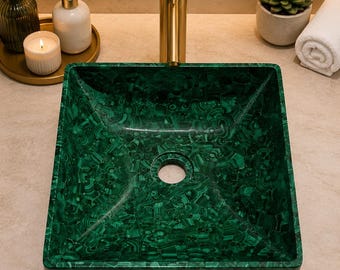
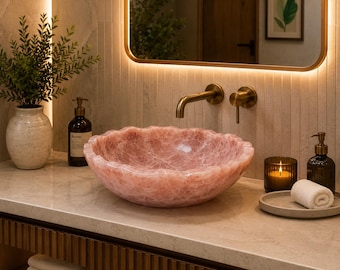
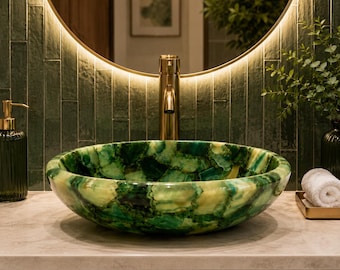
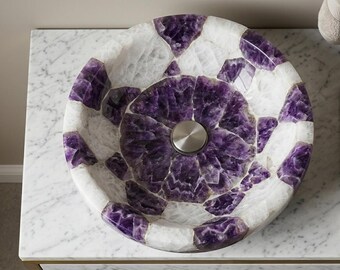
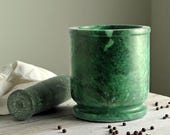
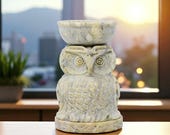
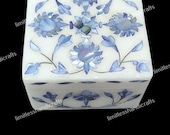
Heute bewahrt er diese alte Kunstform – und das reiche Erbe der indischen Moguln – in Form von Marmortischen, Achattischen, Badezimmeraccessoires, Schmuckkästchen, Untersetzern und vielem mehr, die voller Fantasie, rohem Talent und einem Leben voller Perfektionierung seines Handwerks sind.
The artists who create art are a part of the art itself. Their own emotions, their struggles, their joys and their love are hidden in every piece of art they create.
I was a struggling artisan. A Pietra Dura Artisan. Back in those days, artisans were never paid a fair amount for the work we did. The middleman would take up most of the profit and we were left with only a small amount to help make ends meet. One day, one of our fellow craftsmen told me about ETSY and asked me to contact them.
“And since that day, I have never turned back.”
For Me, Marble Inlay (Pietra Dura) is a family affair, a skill I learned from my own father and has now taught to my son. In fact, the art form is so entwined with my own family legacy, that I believe it has been passed down through the generations, tracing its history all the way back to the 16th century.
Marble Inlay work adorns one of the most recognizable and important buildings in the world — the Taj Mahal. Yet its origins are humble and functional. A traditional art form with just a few master experts left, Marble Inlay is a delicate process that involves carefully cutting and engraving marble shapes by hand.
The process of Inlay involves the skill of several specialists for ach time-consuming step. The pre-etching process involves the shaping of the marble, the composition of the individually created design and the coating of the marble with geru, a red mineral colour that allows for the etched lines to stand outing contrast. Inlay work begins with a design that is cut out on a brass sheet, which is then placed on marble and drawn. Next, the marble is carved out, using the most basic of tools - a set of chisels and a set-square. Slices of coloured stones (precious and semi-precious) are then delicately laid into the marble with adhesive. Before laying in the stone the etched is filled with cement, the marble is lightly heated and the stones set.
The semi-precious stones, including Lapis Lazuli, Agate, Malachite, Carnelian, Jasper, Mother of Pearl, Coral and others, are ground and shaped on a hand-operated emery wheel to form the delicate elements of the pattern. Once the Inlay work is completed and has dried, it is time for the surface and edges to be polished and shined. The more skilled the artisan, the more precise and detailed the ornaments he creates.
Today, I preserves this ancient art form — and the rich heritage of the Indian Mughals — in the shape of Marble Tables, Agate Table, Bathroom accessories, Jewel boxes, Coasters and much more which are full of imagination, raw talent, and a lifetime of perfecting his craft.

