






Art Bug: storia sull'arte degli insetti dal giornale locale
Art Bug: Story about Insect Art from the local newspaper
Dal The Lawrence Journal World, nel 2007
Alcune persone vedono gli scarafaggi come la melma sulla suola delle scarpe.
Katie Jennings (ora VanBlaricum) li considera arte.
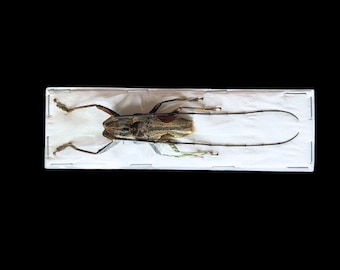
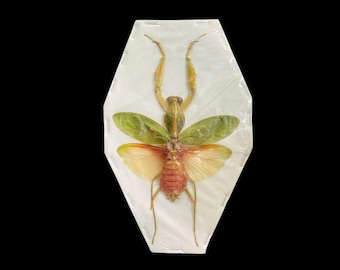
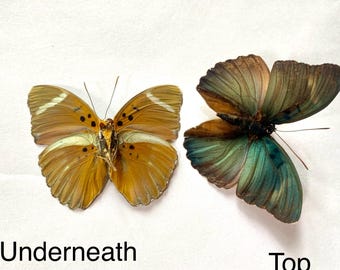
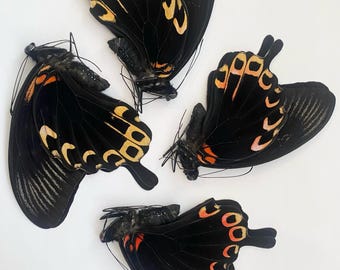
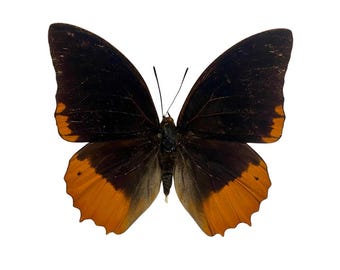
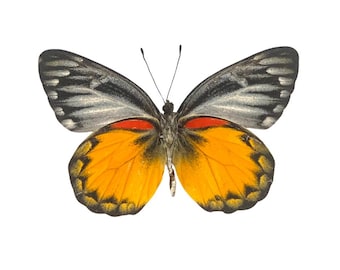
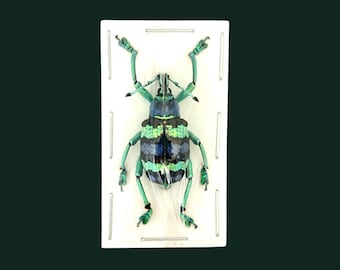
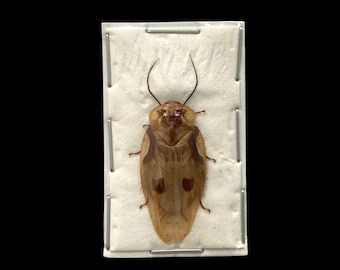
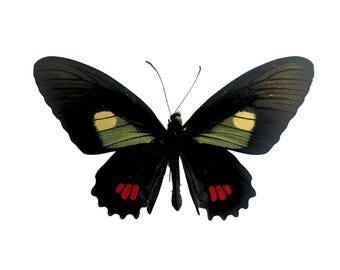
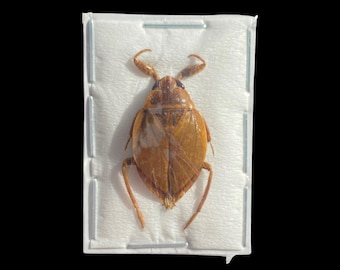
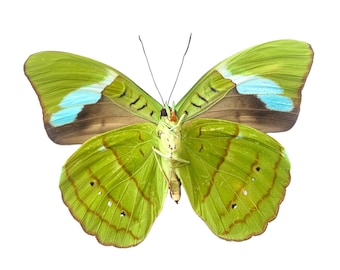
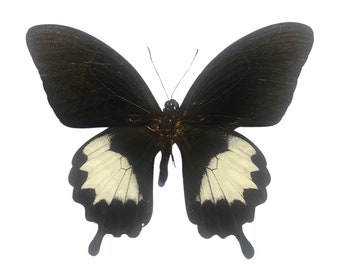
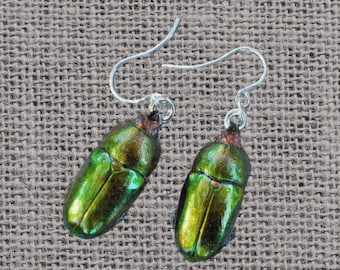
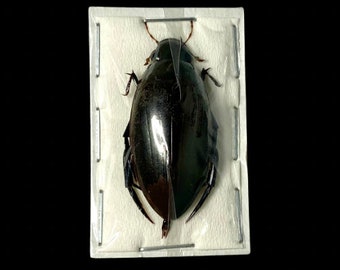
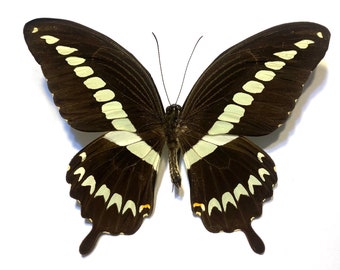
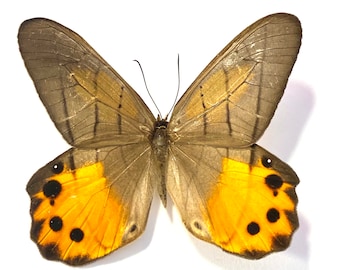
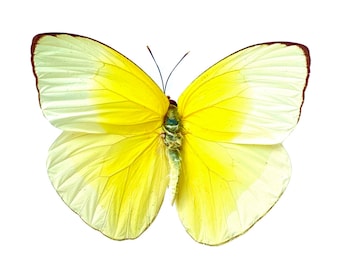
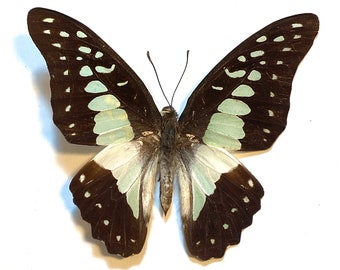
Negli ultimi cinque anni, l'artista di Lawrence ha cercato di creare scalpore montando insetti esotici di ogni genere in scatole portaoggetti, con carta da disegno come sfondo.
"Volevo fare qualcosa di fantastico che nessun altro stava facendo", afferma Jennings.
Sta iniziando a decollare. Jennings ha una mostra all'Art Realm, 4821 W. Sixth St., che durerà fino alla fine del mese. Ed è un'espositrice fissa alla 6 Gallery, 716 1/2 Massachusetts.
"Non ho mai visto niente di simile a quello che fa lei", afferma Sally Piller, proprietaria della Galleria 6. "Non ho mai visto nessuno inserire (insetti) in un formato che li trasformasse in arte. È questo che rende le opere di Katie così uniche."
Jennings, 29 anni, è cresciuto collezionando insetti e spesso metteva i bruchi in una scatola per insetti per osservarli trasformarsi in farfalle.
Alla Free State High School (e all'università) era una ceramista. Ma non le venne in mente che avrebbe potuto trasformare le creature in opere d'arte solo all'università, quando seguì un corso sulla biologia dei ragni alla Kansas University.
Ha iniziato a vendere le sue opere d'arte all'inizio di quest'anno presso gallerie, fiere d'arte e sul suo sito web, www.insectartonline.com.
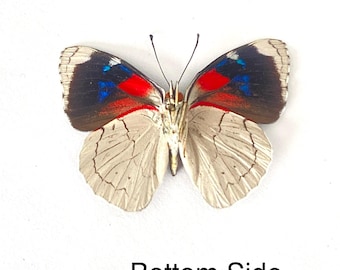
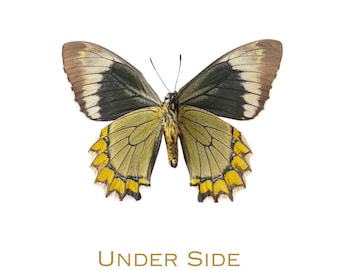
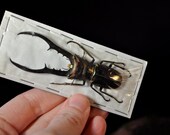
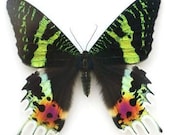
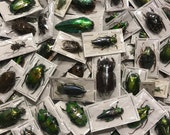
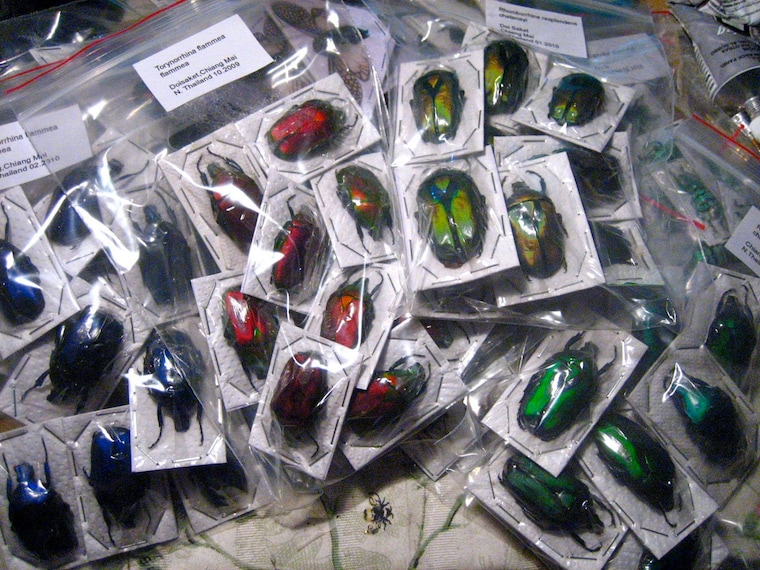
Jennings ordina i suoi insetti tramite diversi distributori in tutto il mondo. La maggior parte delle sue opere sono realizzate con coleotteri e farfalle, anche se occasionalmente utilizza una cicala o una falena.
La maggior parte degli insetti proviene dall'Asia. Alcuni provengono dall'Africa. Sostiene che tutti gli insetti sono catturati o allevati in modo sostenibile.
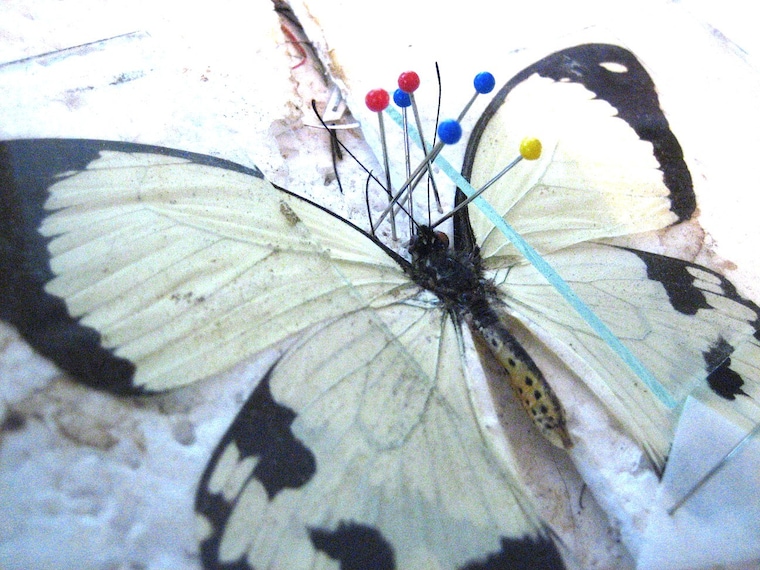
Quando arrivano per posta, Jennings li reidrata usando tovaglioli di carta umidi e un agente antimicotico. Poi li fissa al polistirolo per posizionarli nella posizione desiderata per la sua opera.
"Le antenne si staccano di continuo", dice. "Faccio solo un piccolo intervento chirurgico con la Super Colla."
Alla fine, sceglie il colore della carta da disegno che vuole usare come sfondo e incolla gli insetti su quella carta usando la colla. Il tutto finisce in una scatola portaoggetti.
"Sono un po' attratto dai colori complementari, come una farfalla blu su uno sfondo arancione brillante", dice Jennings. "È brillante, ma ha un bell'aspetto. Ho un sacco di carta da disegno, e si tratta di tentativi ed errori."
A volte si dimostra particolarmente creativa con le sue opere. Ad esempio, ha dipinto dei ragni d'oro e ha dotato i suoi oggetti di fili dorati da cui penzolare su uno sfondo nero. La sua opera più recente per la 6 Gallery ha utilizzato delle api per creare un motivo a nido d'ape.
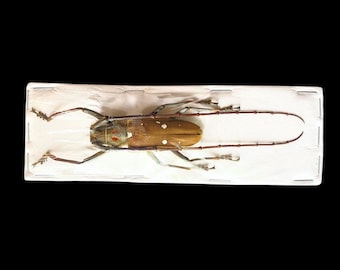
In un'altra opera, Jennings dipinse e applicò dei gioielli a uno scarabeo marrone, seguito da altri scarabei marroni in fila.
"Se si guarda attentamente", dice, "secondo me, gli scarabei 'brutti' e semplici sono più belli di per sé. La morale è che non bisogna essere ricchi e appariscenti per essere belli".
Jennings ammette che alcuni insetti inibiscono automaticamente l'attività di alcune persone.
"Il complimento più bello che la gente mi fa quando esce dalla mia tenda (a una fiera d'arte) è: 'Non mi piacciono gli insetti, ma i tuoi sono belli'", dice.
Jennings, laureatasi alla KU nel 2005 in antropologia, spera che la sua arte possa contribuire a far conoscere alle persone gli animali che ama. Definisce la sua casa "praticamente uno zoo", con pesci, gatti, rane, una tarantola e un geco.
Tra le sue fonti di ispirazione annovera Steve Irwin, il defunto "cacciatore di coccodrilli".
"Insegnava alla gente che tutti gli animali sono belli, anche quelli che non sono pelosi o carini", dice Jennings. "Ha aiutato il mondo ad amare i coccodrilli, i serpenti e cose del genere. È una missione importante, aiutare le persone ad avere una coscienza ecologica, a preservare cose a cui la gente non pensa necessariamente."
Articolo originale con immagini e video: www2.ljworld.com/news/2007/nov/12/art_bug/
From The Lawrence Journal World, in 2007
Some people see beetles as slime on the bottom of their shoes.
Katie Jennings (now VanBlaricum) sees them as art.
For the past five years, the Lawrence artist has been trying to create a buzz by mounting exotic bugs of all sorts in shadow boxes, with art paper for background.
"I wanted to do something cool that nobody else was doing," Jennings says.
It's starting to take off. Jennings has a show at Art Realm, 4821 W. Sixth St., that runs through the end of the month. And she's a regular exhibitor at 6 Gallery, 716 1/2 Mass.
"I've never seen anything like what she does," says Sally Piller, 6 Gallery owner. "I've never seen anybody put (insects) into any kind of format that turns them into art. That is what makes Katie's pieces so unique."
Jennings, 29, grew up collecting bugs and often put caterpillars in an insect box to watch them turn into butterflies.
At Free State High School (and in college), she was a potter. But it didn't occur to her until college, when she took a Kansas University class on the biology of spiders, that she could turn critters into art.
She started selling her artwork earlier this year at galleries, art fairs and at her Web site, www.insectartonline.com.
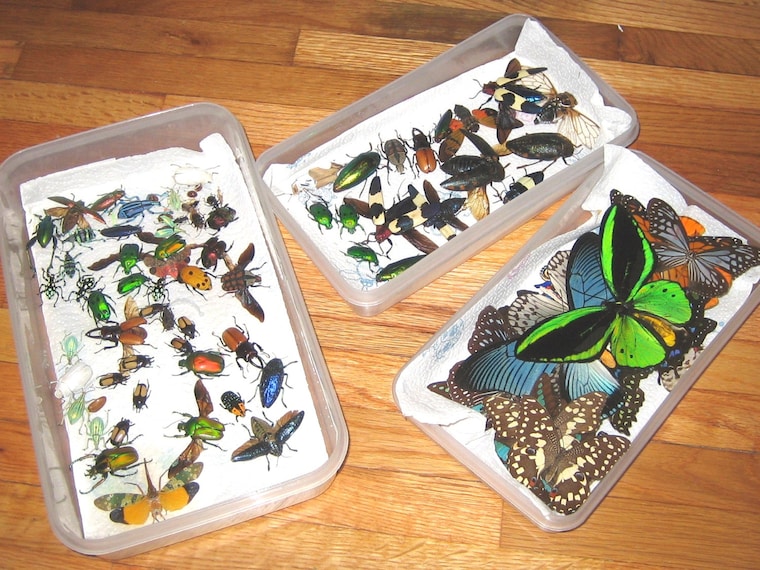
Jennings orders her insects through several worldwide distributors. Most of her works are made with beetles and butterflies, though she uses an occasional cicada or moth.
Most of the insects come from Asia. A few are from Africa. She says all are sustainably caught or farmed.
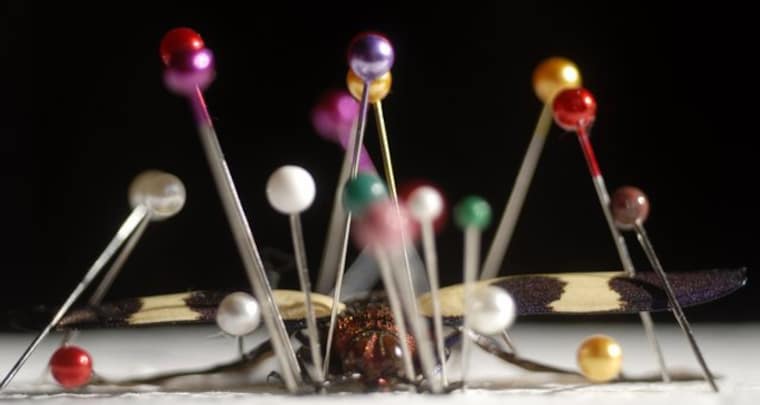
When they arrive in the mail, Jennings rehydrates them using damp paper towels and an anti-fungal agent. Then she pins them to Styrofoam to get them into the desired position for her art.
"The antennas come off all the time," she says. "I just do a little surgery with Super Glue."
Eventually, she selects the color of art paper she wants to use for a background and mounts the insects to that paper using glue. All of that ends up in a shadow box.
"I'm kind of on a kick of complementary colors, like a blue butterfly with a bright orange background," Jennings says. "It's bright, but it looks good. I have a bunch of art paper, and it's sort of trial and error."
Sometimes she gets especially creative with her works. For instance, she painted spiders gold and gave them gold strands to swing from against a black background. Her most recent piece for 6 Gallery used honeybees to make a honeycomb pattern.
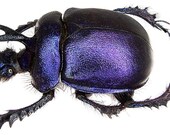
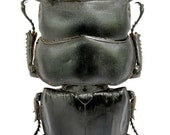
For another work, Jennings painted and affixed jewels to a brown beetle, and had other brown beetles following it in a row.
"If you look closely," she says, "in my personal opinion, the 'ugly,' plain beetles are more beautiful in their own right. The moral is you don't have to be rich and flashy to be beautiful."
Jennings admits some people are automatically turned off by bugs.
"The best compliment people pay to me when they walk out of my tent (at an art fair) is, 'I don't like bugs, but I think yours are pretty,'" she says.
Jennings, who graduated from KU in 2005 with a degree in anthropology, hopes her art can help educate people about the animals she loves. She calls her home "pretty much a zoo," with fish, cats, frogs, a tarantula and a gecko.
She lists Steve Irwin, the late "crocodile hunter," as one of her inspirations.
"He would teach people all animals are beautiful, even the ones that are not fuzzy or cute," Jennings says. "He helped the world love crocodiles and snakes and those kinds of things. It's an important mission, to help people be environmentally minded, to conserve things that people don't necessarily think about."
Original Story with Pictures and Video: http://www2.ljworld.com/news/2007/nov/12/art_bug/
