






"Hela processen att skapa med lera tog min själ."
"The entire process of creating with clay claimed my soul."
Jag blev förälskad i keramik eftersom det lärde mig att omfamna mina ofullkomligheter och hitta min kreativa gnista.
Jag njuter verkligen av hela den kreativa processen inom keramik, men glasering är ett område som återspeglar mina stunder av vild övergivenhet och mitt medfödda behov av att ständigt tänja på gränserna och se om glasyrerna passar bra ihop och skapar spektakulära resultat.
KONSTNÄRSUTTALANDE
Oavsett om jag är i studion eller arbetar med ett projekt i mitt hem för att göra det till ett mer trivsamt och funktionellt utrymme för mina två söner, är jag i mitt gladaste sinnestillstånd när jag kan vara kreativ.
KERAMIK
Varje verk börjar med det mest naturliga, organiska och individuella av material: lera.
BILDNING
Gjuten för hand, antingen handbyggd eller dreven på hjul, och ibland en kombination av båda; den formade leran bränns sedan upp minst två gånger (ibland fler). Processen att skapa ett vackert keramikstycke är tidskrävande och kräver speciella färdigheter inom urgamla hantverk.
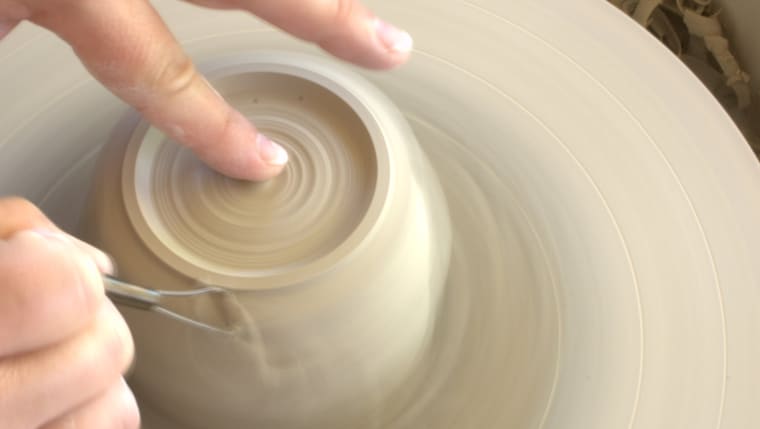
Därefter handtrimmas stycket, och dekorativa och funktionella lerstycken – såsom handtag eller knappar – skapas innan leran bränns.
Innan verket placeras på ett torkställ signeras det.
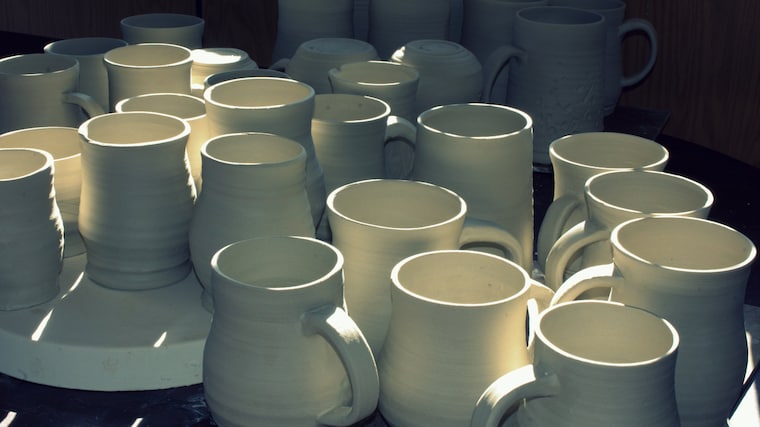
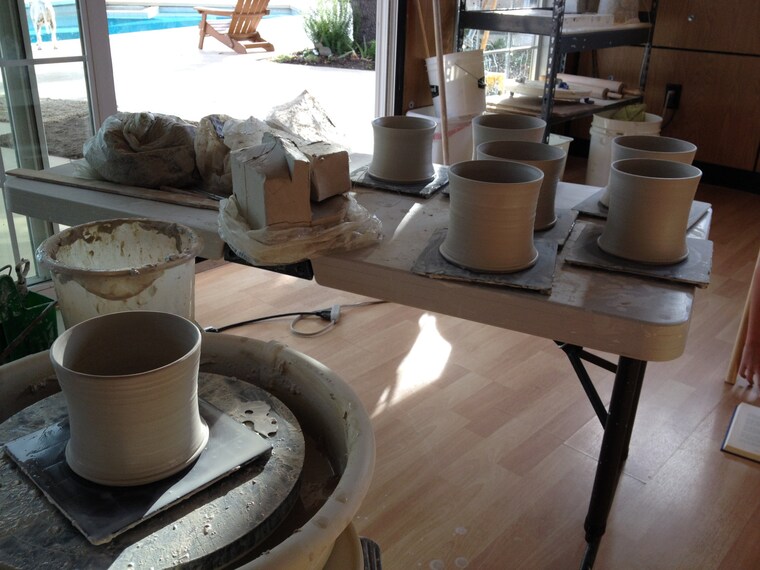
När keramiken är formad, ömtålig och torkar innan den bränns i ugnen kallas den grönvara.
Torkningsprocessen kan ta tre dagar till tre veckor beroende på luftfuktighet och lufttemperatur.
FÖRSTA SKÄRNINGEN
Grönvarorna staplas försiktigt i ugnen där de kommer att stanna i 24 timmar i temperaturer som når 1 810 grader.
Denna ugnsbränning härdar grönsakerna till bisque. Efter att glasyrerna har tillsatts kommer de flesta bitarna att vara tillbaka i ugnen för minst en bränning till, medan vissa bitar kommer att vara tillbaka i ugnen flera gånger.
VAX & GLASYR
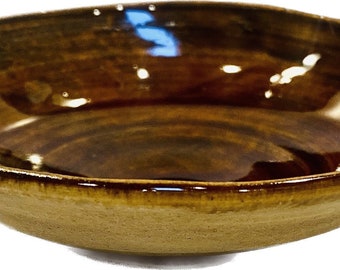
Varje bit av min keramik kommer att ha en distinkt oglaserad bas eller fot.
För att hålla detta område oglaserat under dekorationsprocessen vaxas bisque-styckets botten för hand med paraffin. Därefter doppas hela stycket i glasyrdippningen – en blandning av fritta (slipat glas) och andra material – och placeras sedan på ett galler där det är redo för vidare dekoration.
DEKORERING
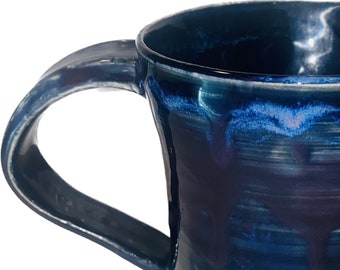
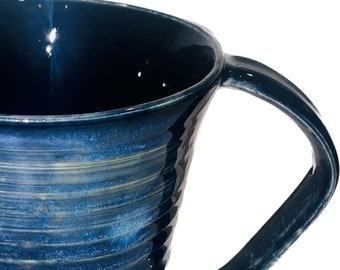
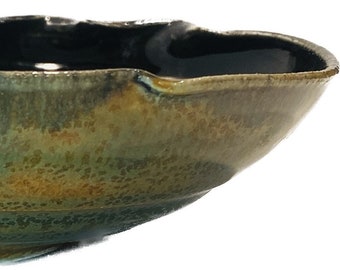
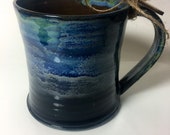
Inga två stycken är identiska: även med mitt försök att ha en exakt glaseringsplan blir jag oftast överväldigad av lusten att lägga till bara lite mer glasyr för att kunna prova bara en enda kombination till.
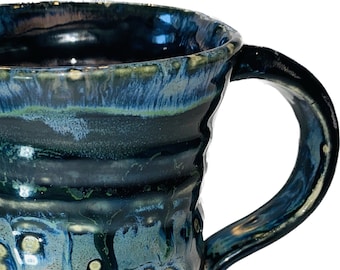
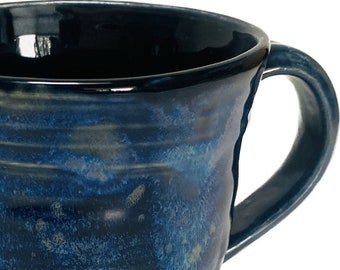
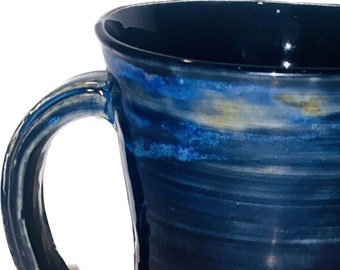
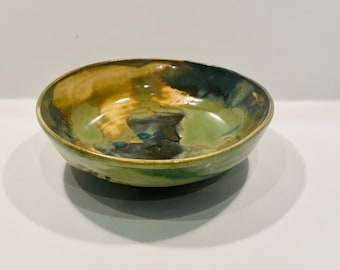
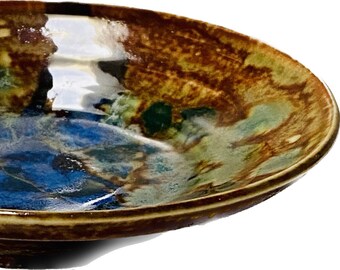
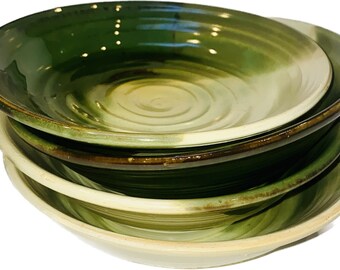
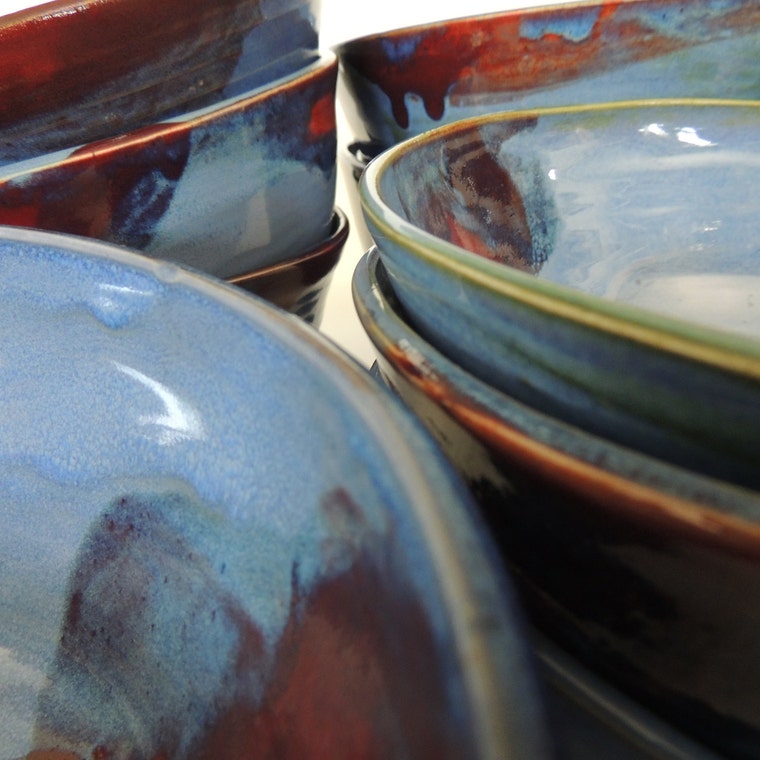
• I värmen från den andra bränningen smälter glasfrittan i glasyren och bildar en ogenomtränglig, glansig yta. Vid närmare granskning kan man se nålhål och andra variationer i glasyren. Dessa små gropar bildas när naturligt material som finns i leran exploderar genom produktens dekorerade yta under bränningen. För vissa verk kan detta vara den sista bränningen. För andra kommer mer.
AKTUELLA PROJEKT
Även om jag kommer att fortsätta arbeta med funktionella verk, gör jag sakta men säkert ett skifte in i skulpturens sfär.
Tack så mycket för att du besökte min butik!
Tracey F. Crockett
I fell in love with pottery because it taught me to embrace my imperfections and find my creative sparkle.
I truly enjoy the entire creative process in ceramics, but glazing is an area that reflects my moments of wild abandon and my innate need to continuously push the limits and see if the glazes play well together and create spectacular results.
ARTIST STATEMENT
Whether I am in the studio or working on a project in my home to make it a more enjoyable, functional space for my two sons, I am in my most joyful state of mind when I am able to be creative.
CERAMICS
Each piece begins with the most natural, organic and individual of materials: clay.
FORMATION
Molded by hand, either hand-built or wheel-thrown, and sometimes a combination of both; the formed clay is then fired up at least two times (sometimes more). The process to create one piece of beautiful pottery is time consuming and takes special skills in age-old crafts.
Next the piece is hand trimmed, and decorative and functional clay pieces—such as handles or buttons— are created before the clay is fired.
Before the piece is placed on a drying rack, the piece is signed.
When the pottery is formed, fragile, and drying before it is fired in the kiln, it is called greenware.
The drying process can take three days to three weeks depending on the humidity and air temperature.
FIRST FIRING
The greenware is carefully stacked into the kiln where it will stay for 24 hours in temperatures reaching 1,810 degrees.
This kiln firing hardens the greenware into bisque. After the glazes are added, most pieces will be back in the kiln for at least one more firing, while some pieces will be back in the kiln multiple times.
WAX & GLAZE
Each piece of my pottery will have a distinctive unglazed base or foot.
To keep this area unglazed during the decorating process, the bottom on the bisque piece is hand waxed with paraffin. Next, the entire piece is submerged in the glaze dip—a mixture of frit (ground glass) and other materials—and then set on a rack where it is ready for further decorating.
DECORATING
No two pieces are identical: even with my attempt to have an exact glazing plan, I am ususally overwhelmed with the urge to add just a little more glaze in order to try just one additional combination.
•In the heat of the second kiln firing, the glass frit in the glaze melts to form an impervious, glossy surface. You may see on closer inspection, pinholes and other variations in the glaze. These tiny dimples form when natural matter found in the clay explodes through the decorated surface of the product during the kiln firing. For some pieces, this may be the final firing. For others, there is more to come.
CURRENT PROJECTS
Although I will continue to work on functional pieces, I am slowly making a shift into the realm of sculpture.
Thank you so much for visiting my shop!
Tracey F. Crockett
