
Kurzdarstellung des Videos: Bazzdom has a deeper story, and it begins in 1967.
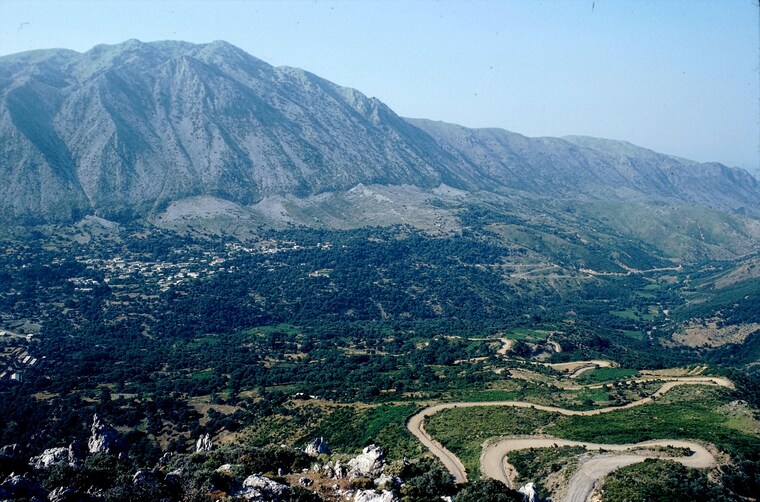
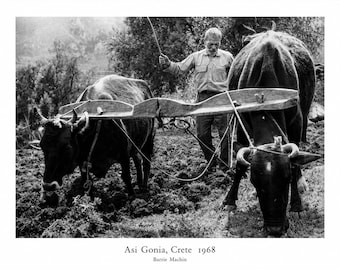
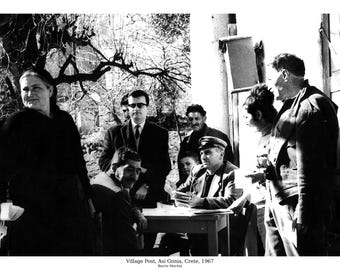
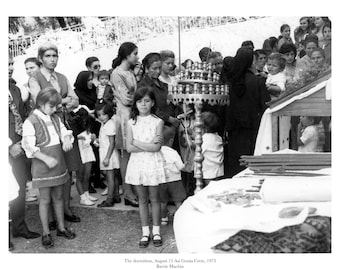
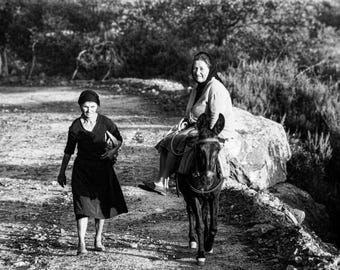
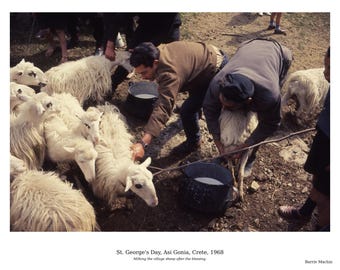
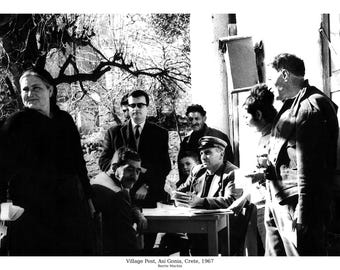
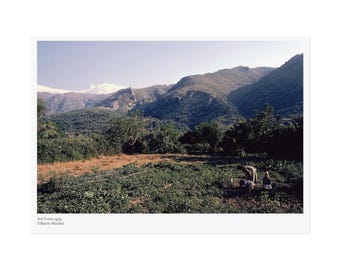
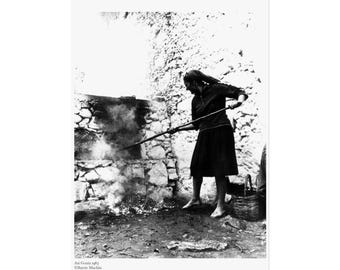
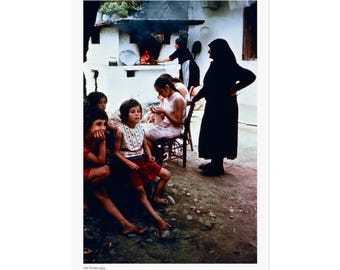
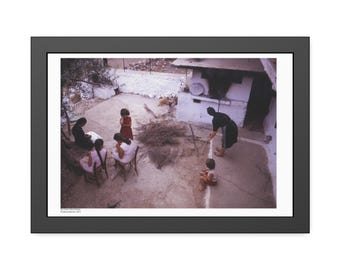
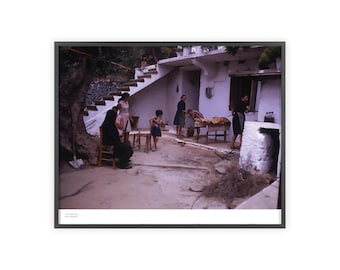
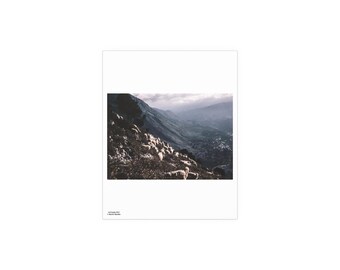
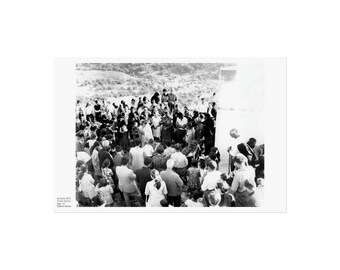
That year I arrived in Asi Gonia, a mountain village in western Crete, to begin anthropological fieldwork. The road connecting the village to the outside world had not yet been built. There was no electricity. Families lived by rhythms that had governed this community for centuries: the flocks of sheep and goats, the olive harvest, the cycle of village festivals, the codes of honour and hospitality that shaped every relationship. I was one of the first outsiders to live there.
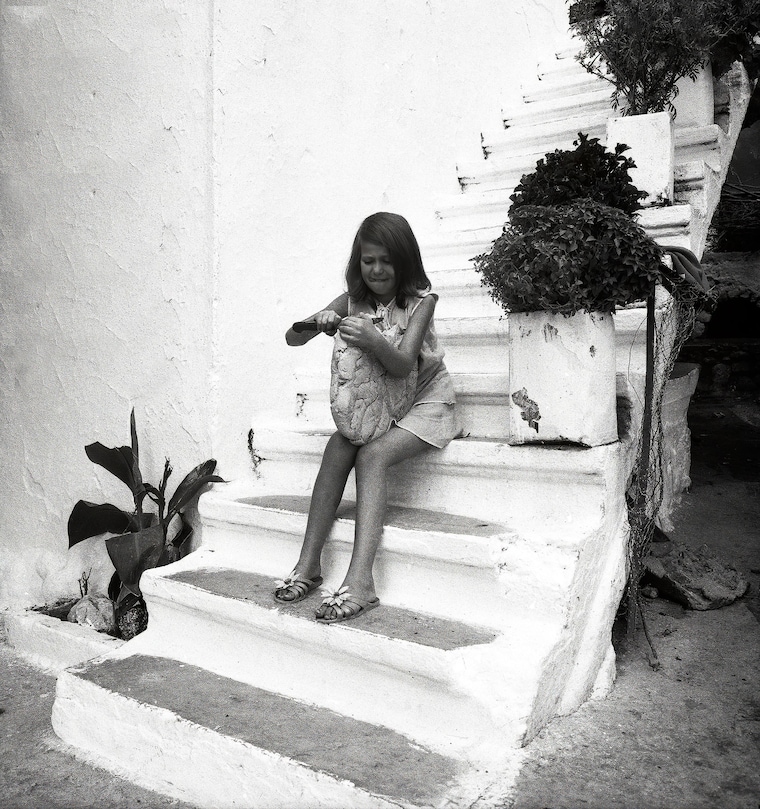
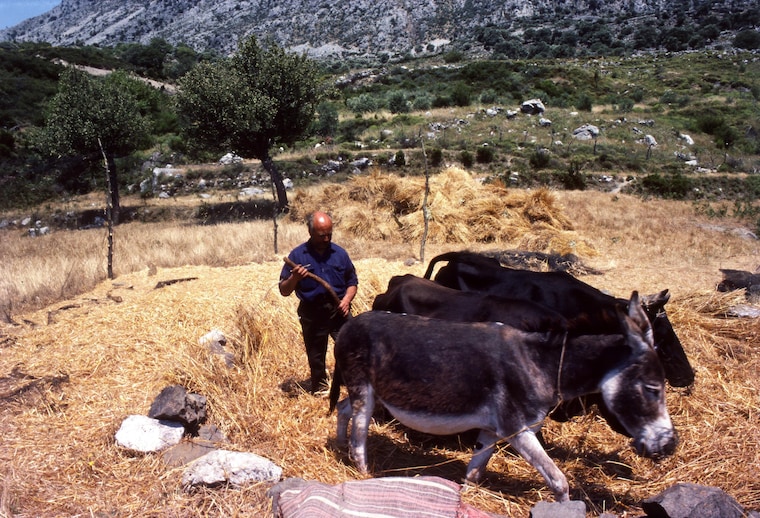
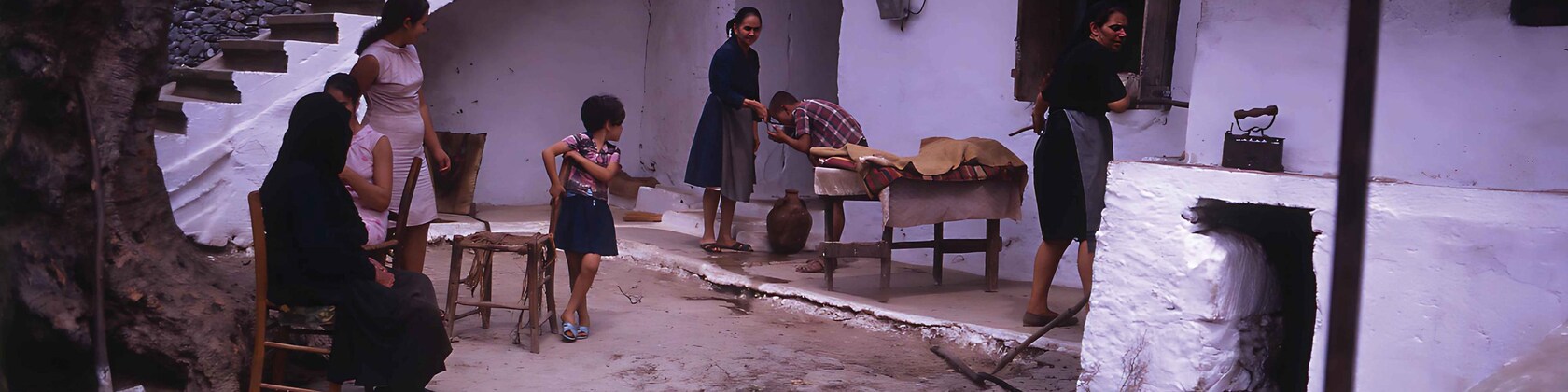
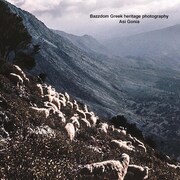
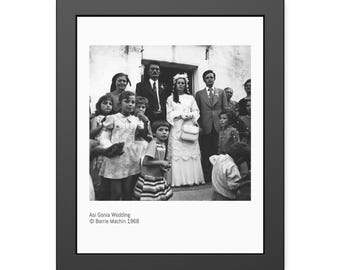
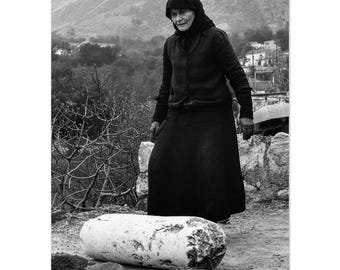
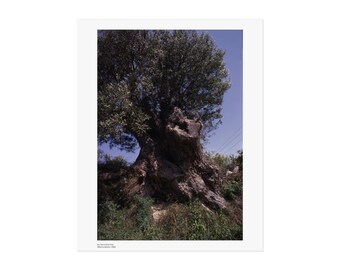
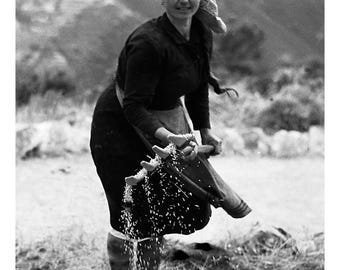
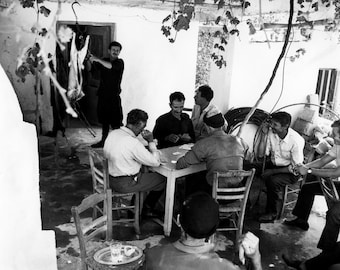
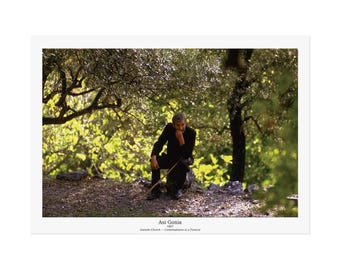
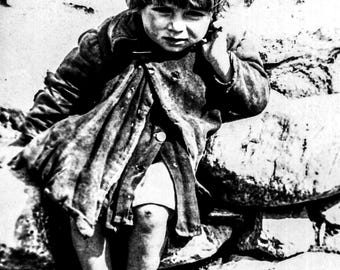
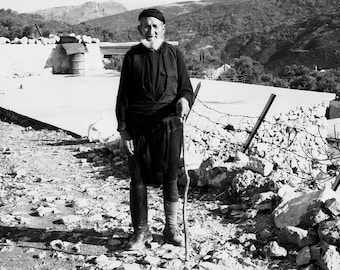
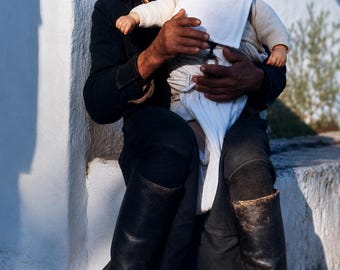
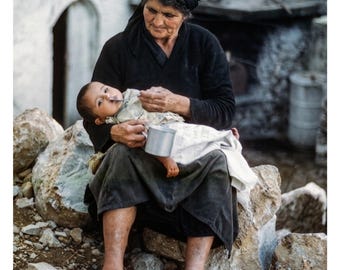
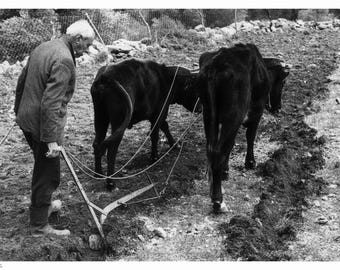
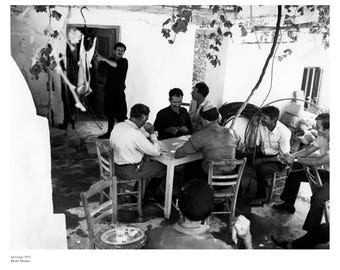
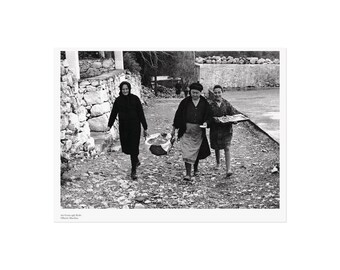
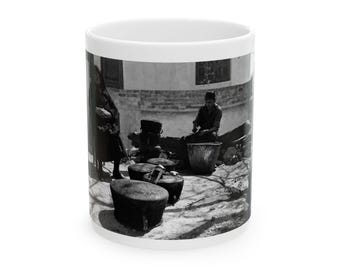
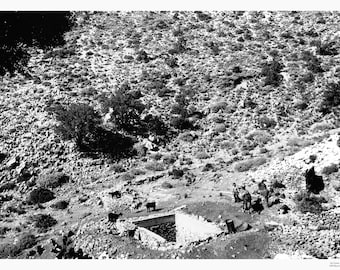
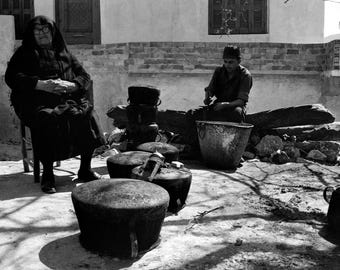
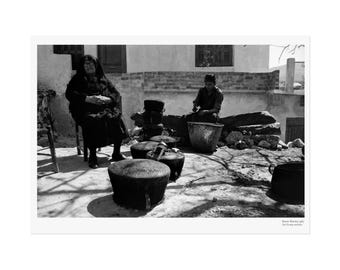
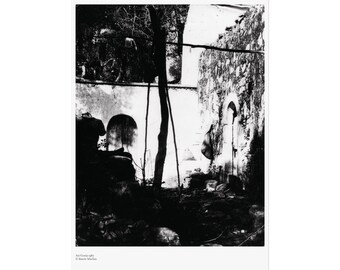
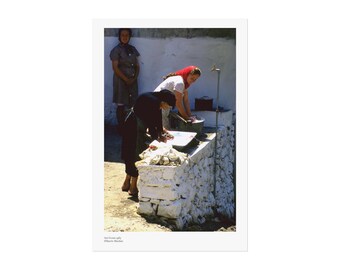
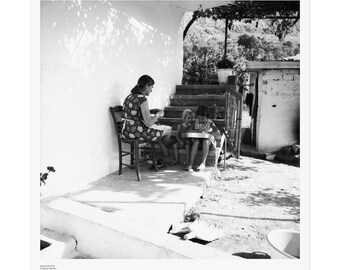
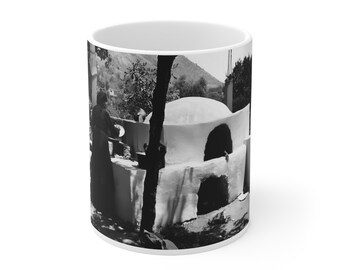
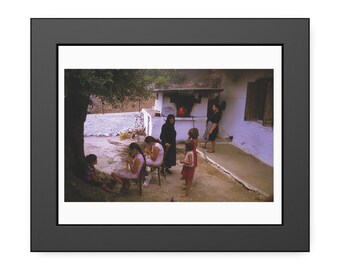
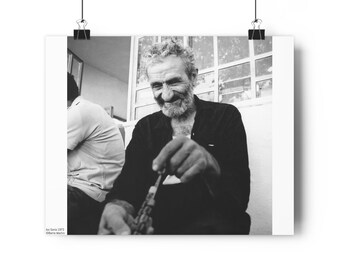
I stayed for a year, then returned in 1979 and again in 1988. The photographs in the Asi Gonia Exhibition collection span those twenty years — images of weddings and funerals, shepherds and grandmothers, children and old men, kafeneions and ancient olive trees, rites of passage and everyday moments that would otherwise have been lost entirely. These are not tourist photographs. They are ethnographic documents made by someone who knew these families, spoke their language and understood the symbolic world they inhabited.
The academic work from that fieldwork was published as St George and the Virgin: Cultural Codes, Religion and Attitudes to the Body in a Cretan Mountain Village (Social Analysis, Berghahn Books, 1983), and developed further in Warriors and Maidens (Amazon KDP, 2026). A separate sociological study of working-class childhood and educational opportunity, based on earlier fieldwork in Oxford in 1966–67, has been published as Why Try (Amazon KDP, 2026).
Alongside the photography and academic work, I have spent decades as an ethnographic filmmaker. Over 87 hours of film across six countries — Greece, Brazil, India, Sri Lanka, Japan and Australia — document healing rituals, oral histories, pastoral life, ceremony and community across cultures that are rarely filmed and even more rarely understood from the inside. The prize-winning films Iramudun and Burnt Harvest have screened at international festivals. I received a Lifetime Achievement Award in 1988 in association with the Festival dei Popoli, alongside Jean Rouch, Claudine de France and Karl Heider. Fadwa El Guindi, in Visual Anthropology: Essential Method and Theory (2007), described me as the earliest anthropologist to make extensive use of portable video.
I am based in Hobart, Tasmania, where I draw, paint, write and occasionally startle the local wildlife.