

Ma dov’è finito il rum?
But where has the rum gone?
Nel XVI secolo, l'Inghilterra sud-occidentale e in particolare Bristol erano al centro della pirateria con i "corsari" che operavano fuori città e attaccavano navi spagnole e portoghesi nell'Atlantico.
Calico Jack si guadagnò il nome dagli abiti vivaci che indossava, inventò la bandiera con il teschio e le ossa incrociate ed era secoli avanti rispetto ai suoi coetanei in termini di uguaglianza consentendo a due donne di unirsi al suo equipaggio; all'epoca questo era considerato estremamente sfortunato.
Calico Jack e il suo equipaggio salparono da Bristol alla volta dei Caraibi bevendo rum, festeggiando, rompendo le bottiglie e gettando i pezzi in mare. Il loro caos e il loro dominio sui mari finirono finalmente nel 1720.
Il vetro delle bottiglie lanciate dai pirati sarebbe stato di colore scuro per proteggere il suo prezioso contenuto dalla forte luce del sole. Rimase sott'acqua per centinaia di anni; essere girato e fatto cadere dall'acqua, levigando gli spigoli vivi e glassando la superficie.
Oggi il "vetro pirata" sembra essere una pietra nera o una roccia, ma il segreto è tenerlo sopra una luce brillante e ti mostrerà i suoi veri colori.
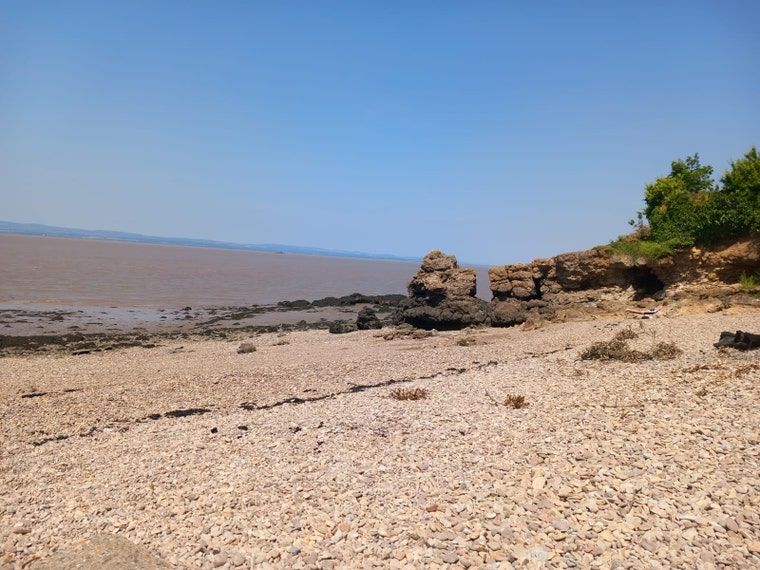
Ho scoperto la spiaggia, il vetro marino e la ceramica quando ho cambiato lavoro e per fortuna sono finito a Portishead, dove ho potuto trascorrere molto tempo alla ricerca del "tesoro della spiaggia".
La mia ricerca è stata quella di trovare il raro vetro pirata quando ero in giro a Sugar Loaf Beach, ma finora mi è sfuggito e continuo la mia ricerca.
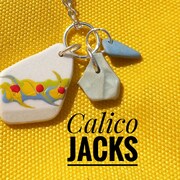
Nel frattempo nasce Calico Jacks.
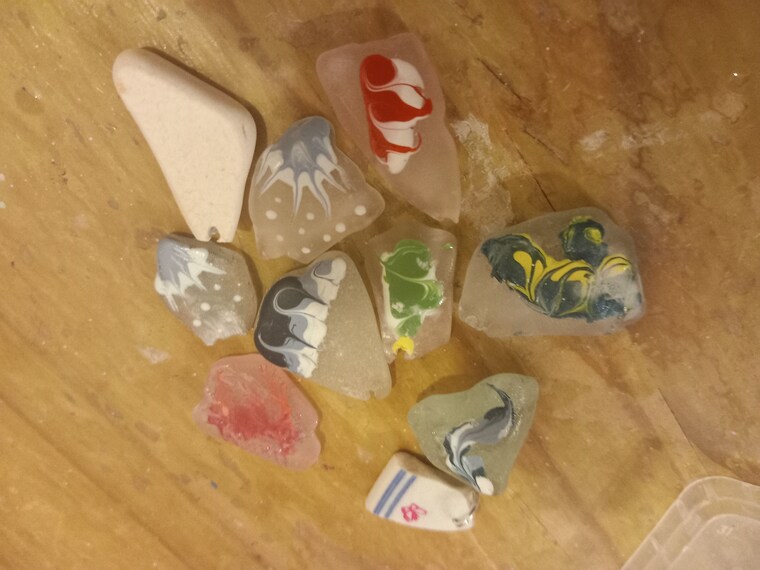
Ogni collana in vetro marino o ceramica è unica e non esistono due pezzi della stessa mano e talvolta i disegni sono dipinti a mano per creare un tema per matrimoni, feste e Natale.
Le catene sono in argento da 18" e le corde sono in finta pelle e cerate.
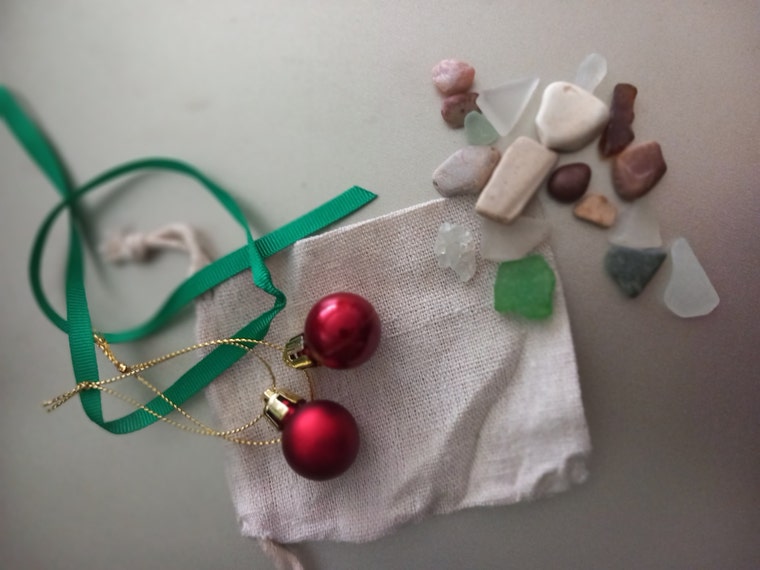
I ciondoli per bicchieri da vino saranno normalmente un set di 6 con 3 disegni.
In the 16th century, South West England and particularly Bristol were at the heart of piracy with 'privateers' operating out of the city and attacking Spanish and Portuguese ships in the Atlantic.
Calico Jack earned his name from the vibrant clothing that he wore, invented the skull and crossbones flag and was centuries ahead of his peers in equality by allowing two women to join his crew; at the time this was considered extremely bad luck.
Calico Jack and his crew sailed from Bristol to the Caribbean drinking rum, partying, smashing the bottles and throwing the pieces in the sea. Their chaos and ruling of the seas finally coming to an end in 1720.
The glass from the bottles thrown by the pirates would have been dark colours to protect its precious contents from the harsh sunlight. It remained under the waves for hundreds of years; getting turned and tumbled by the water, smoothing out the sharp edges and frosting the surface.
Today 'Pirate glass' appears to be a black stone or rock but the secret is to hold it over a bright light and it will show it's true colours for you.
I discovered the beach, sea glass and pottery when I changed my job and luckily ended up in Portishead, where I was able to spend much time looking for 'beach treasure'.
It has been my quest to find the rare pirate glass when hanging out at Sugar Loaf Beach but so far it has eluded me and I continue my search.
In the meantime, Calico Jacks was born.
Each sea glass or pottery necklace is unique with no two pieces being the same hand and sometimes designs are hand painted to create a theme for weddings, parties and Christmas.
The chains are 18" silver and the cords are imitation leather and waxed.
Wine glass charms will normally be a set of 6 with 3 designs.