











Wer wir sind
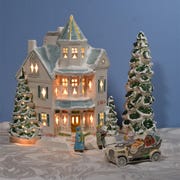
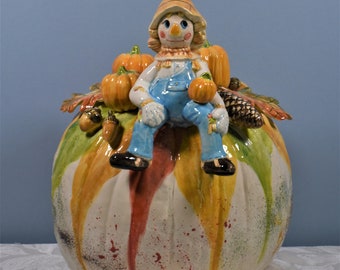
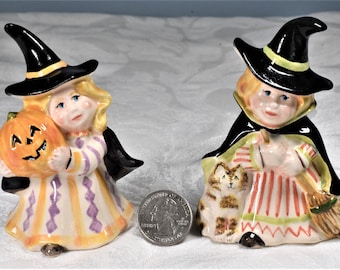
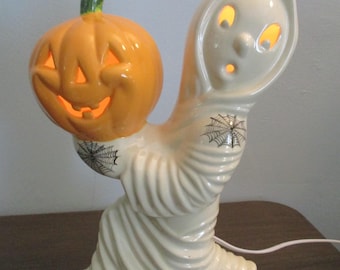
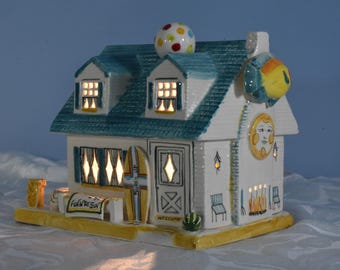
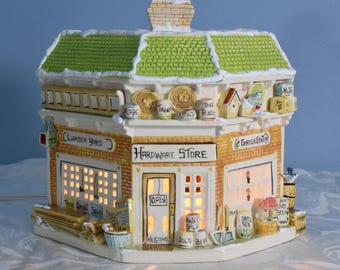
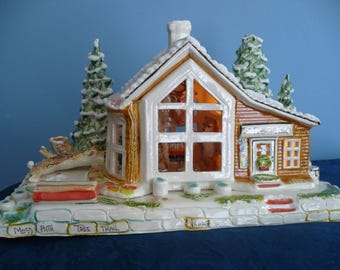
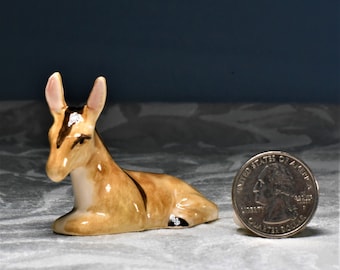
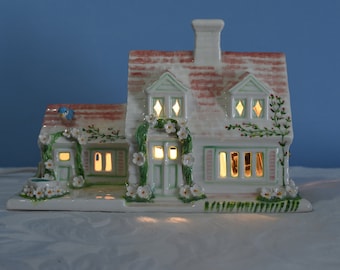
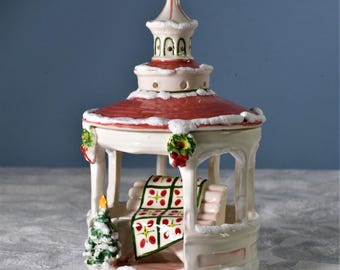
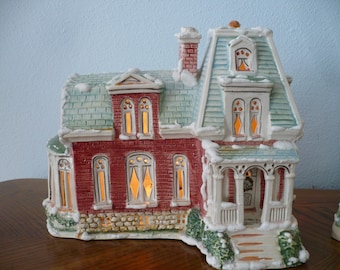
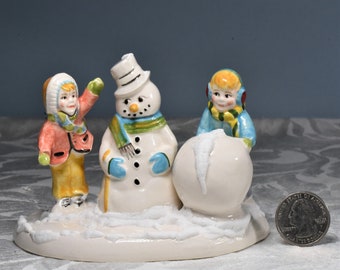
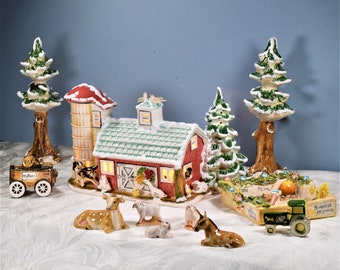
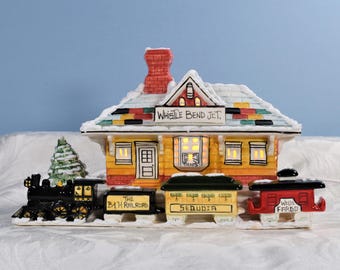
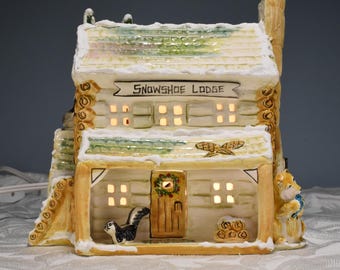
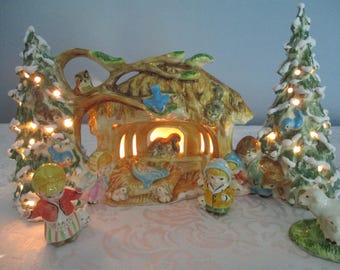
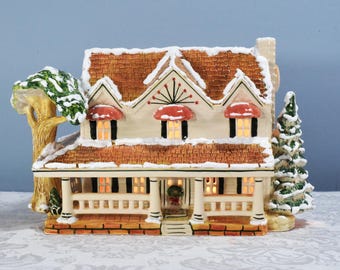
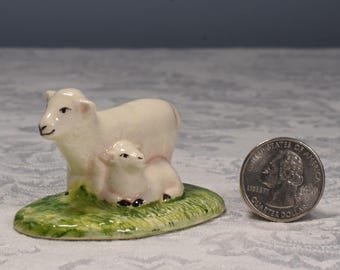
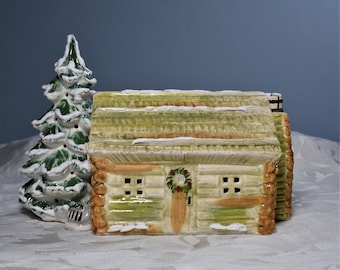
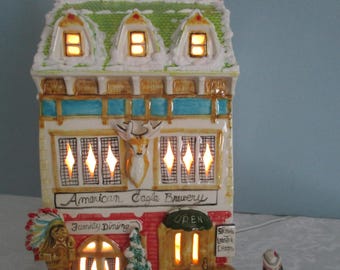
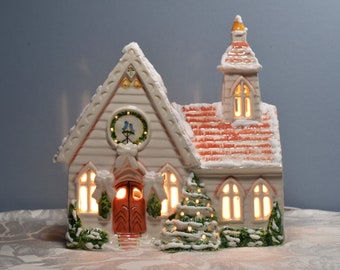
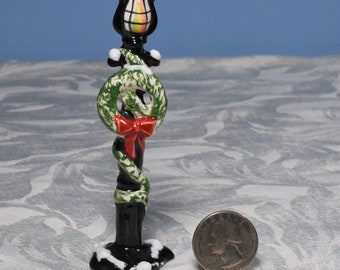
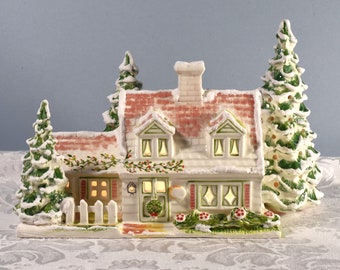
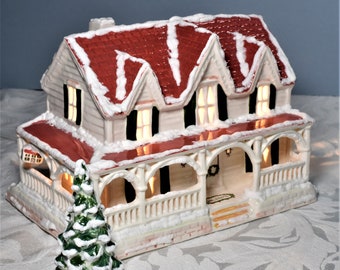
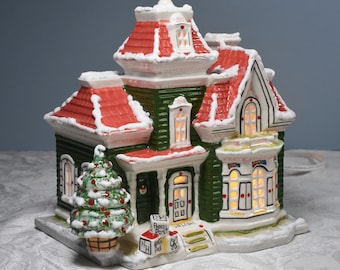
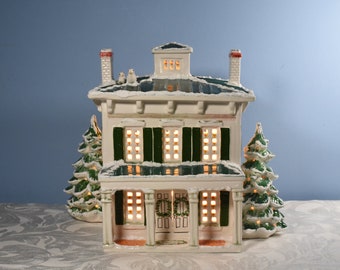
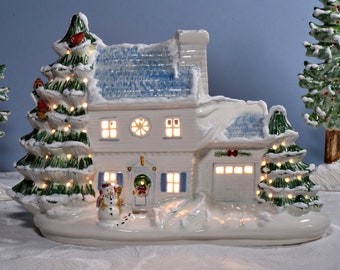
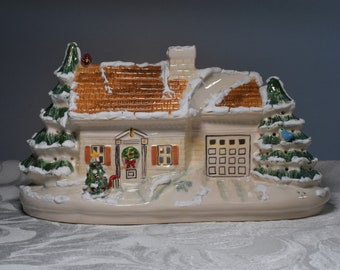
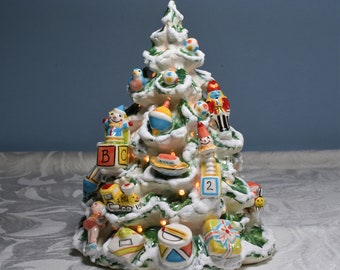
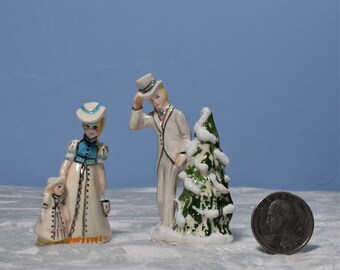
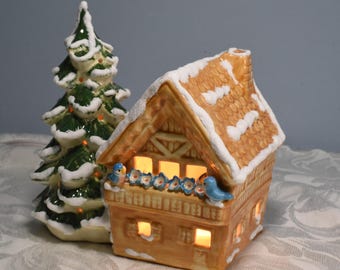
Ich begann damit, kleine Keramikfiguren zu Hause für Walter Brockmann Studio in St. Louis, MO, im Jahr 1990 zu malen. Später arbeitete ich ca. 8 Jahre im Keramikstudio. Ich war Malerlehrling der Künstlerin JoAnn Taylor, der einzigen Lehrling des verstorbenen Walter Brockmann. Wir sind 2002 aus dem letzten Studiostandort ausgezogen. Ich habe die Kollektion von zu Hause aus mit Hilfe für ein paar Jahre produziert. Seit 2005 wird jedes Stück komplett von mir von Hand gefertigt. Um 2015 begann ich, Miniatur-Keramikhäuser von Hand zu bauen. Mein Geschäft heißt The First, the Best Lighted House Collection.
Das Slip Poured Ceramic Verfahren
Zuerst beginnen Sie mit Ihrer Form und stellen sicher, dass sie fest umreift ist, damit sie nicht undicht wird. Die Form ist mit flüssigem Ton gefüllt, der als "Slip" bezeichnet wird. Der Schlupf bleibt für einen bestimmten Zeitraum, der von der Werkzeuggröße abhängt, in der Form. Dann wird es ausgekippt und die Form wird über Nacht auf den Kopf gestellt. Dies hinterlässt eine Schale des Stücks, die zum Hauptteil des Stücks wird. Die Form wird auseinandergenommen und das Tonstück entfernt. Das Stück wird gereinigt und Öffnungen werden in den Ton geschnitten und alle Aufsätze werden hinzugefügt. Das Stück wird gereinigt und sitzt vollständig zum Trocknen. Es ist dann "grüne Ware" und geht in die erste Feuerung. Nach dem ersten Abfeuern wird es zu "Biskuit". Jetzt ist es bereit zu malen, dann zu glasieren und zu schneien. Wenn es fertig ist, wird es wieder gefeuert. Dann haben Sie Ihr fertiges Stück. Einige Stücke haben zusätzliche Add-Ons, wie Glocken, Schaukeln oder Zeichen, und manchmal wird eine Spieluhr hinzugefügt.
Who We Are
I started out by painting small ceramic figurines at home for Walter Brockmann Studio in St. Louis, MO in 1990. Later I worked in the ceramic studio for about 8 years. I was an apprentice painter to the artist, JoAnn Taylor, the only apprentice to the late Walter Brockmann. We moved out of the last studio location in 2002. I produced the collection from home with help for a few years. Since 2005 each piece has been made completely by hand by me. Around 2015 I started hand-building miniature custom ceramic homes. My business is called The First, the Best Lighted House Collection.
The Slip Poured Ceramic Process
First you start with your mold, making sure it is banded up tight so there is no leaking. The mold is filled with liquid clay called “slip”. The slip stays in the mold for a timed period that depends on the mold size. Then it is dumped out and the mold is put upside down overnight. This leaves a shell of the piece, which becomes the main part of the piece. The mold is taken apart and the clay piece removed. The piece gets cleaned up and openings are cut in the clay and any attachments are added. The piece is cleaned and sits to dry completely. It is then “green ware”, and goes in for the first firing. After the first firing it becomes “bisque”. Now it is ready to paint, then glaze and snow. When ready, it gets fired again. Then you have your finished piece. Some pieces have additional add-ons, such as bells, swings, or signs, and sometimes a music box gets added.
