

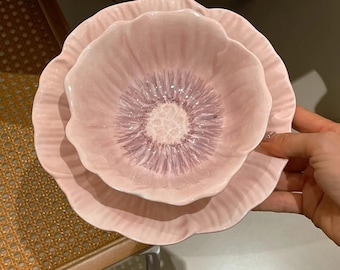
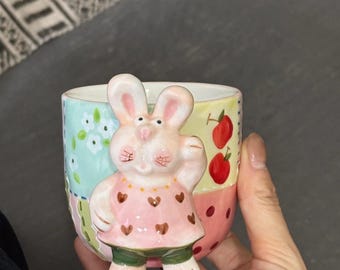

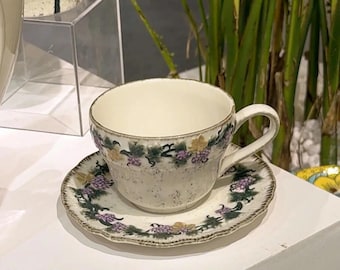
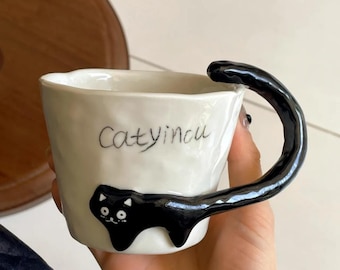
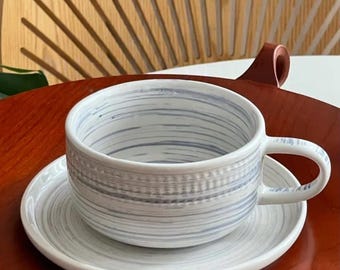
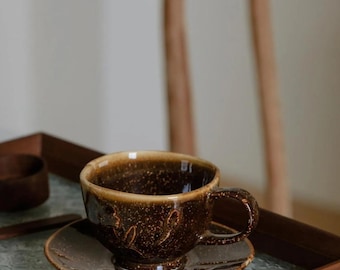
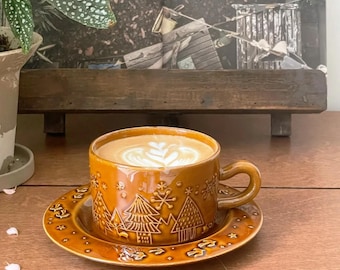
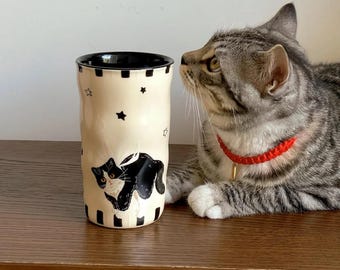







The exquisite beauty of handmade pottery
In a sunlit studio tucked away from the hustle of the city, every ceramic cup and saucer begins with a simple lump of clay—and a promise to turn ordinary moments into something extraordinary. For us, making ceramic tableware isn’t just a craft; it’s a conversation between hands, clay, and the stories our pieces will hold in your home.
The journey starts with selecting the finest stoneware clay. We source it from small, family-run quarries where the earth’s minerals lend a subtle warmth to the finished piece—no two batches are exactly alike, and that’s the magic of handcraft. We knead the clay slowly, pressing out air bubbles that could crack in the kiln. This step is meditative, a chance to connect with the material; each fold and press is a quiet commitment to quality, ensuring the clay is smooth, pliable, and ready to take shape.
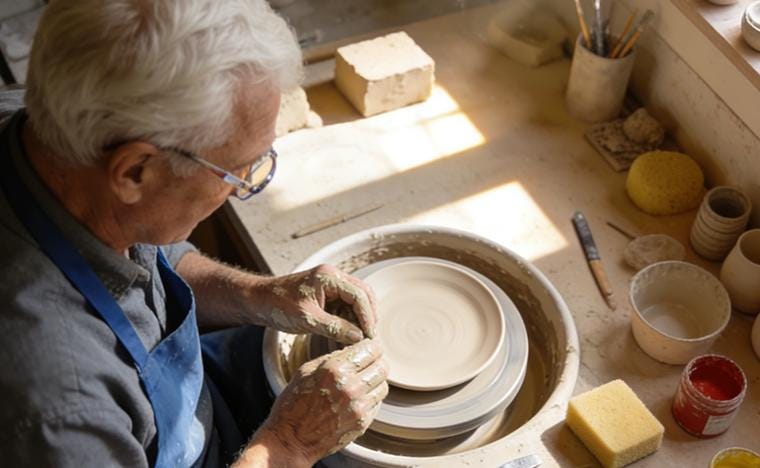
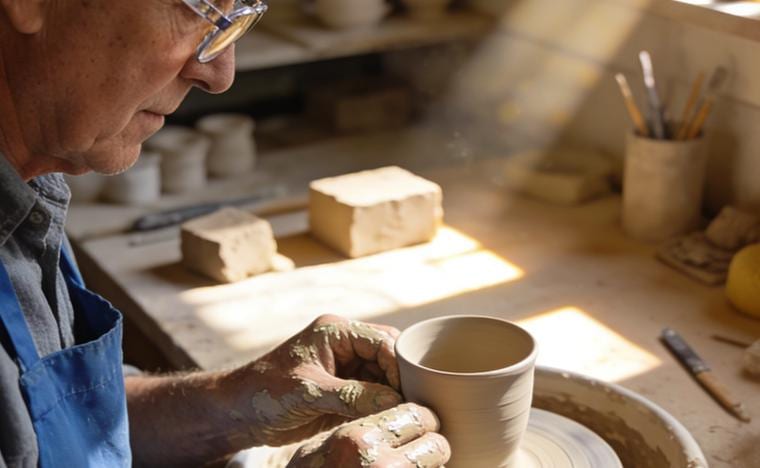
Next comes throwing on the pottery wheel. With hands dampened to glide over the clay, we center it—this is the heart of the process. A wobbly center means a lopsided cup, so we take our time, letting the wheel’s rhythm guide us. We pull the clay upward, gently pinching and shaping it into the curves of a cup: a wide rim for sipping, a comfortable handle that rests naturally in the hand, and a base that sits steady on its saucer. For the saucer, we flatten a piece of clay, spinning it until it’s just the right size to cradle the cup, adding a small ridge around the edge to catch spills—practicality woven into beauty.
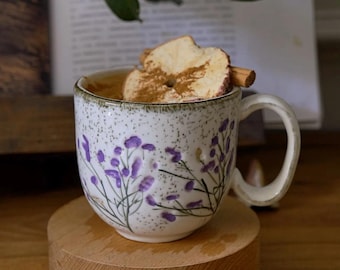
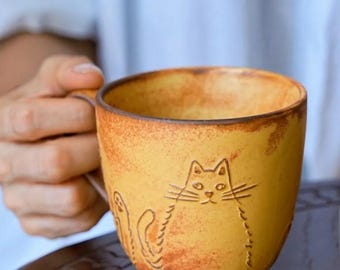
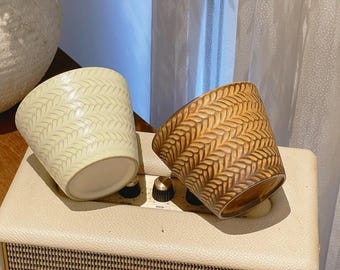
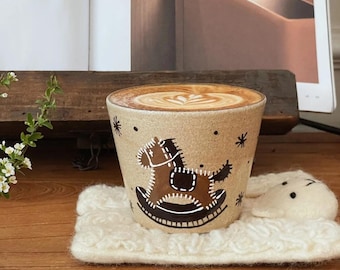
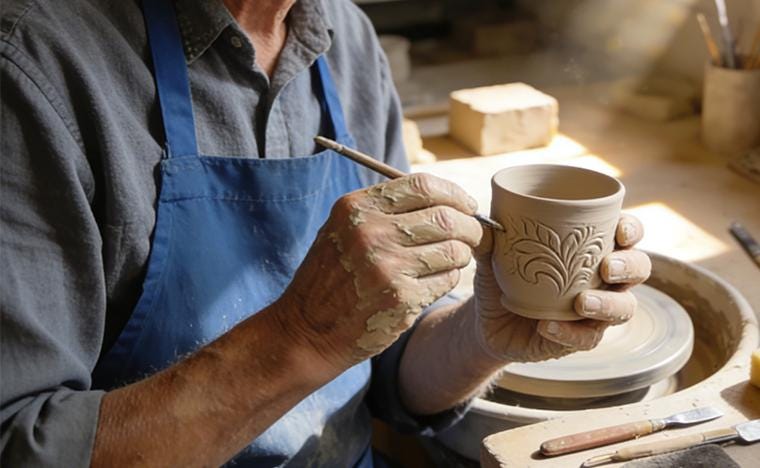
Once shaped, the pieces dry for days, slowly losing moisture until they’re firm to the touch (we call this “leather hard”). This is when we add the finishing details: smoothing the handle’s join so it’s seamless, trimming excess clay from the base for a clean finish, and sometimes carving tiny, delicate patterns—a spiral, a sprig of herbs, or a simple line—each one drawn freehand, making every piece one of a kind. We never use molds; even if two cups look similar, the slight variation in the handle’s curve or the pattern’s placement tells the story of being made by human hands.
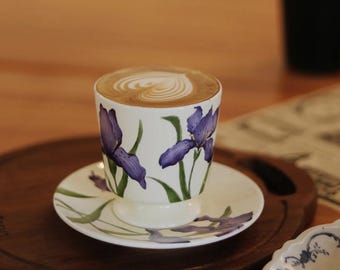
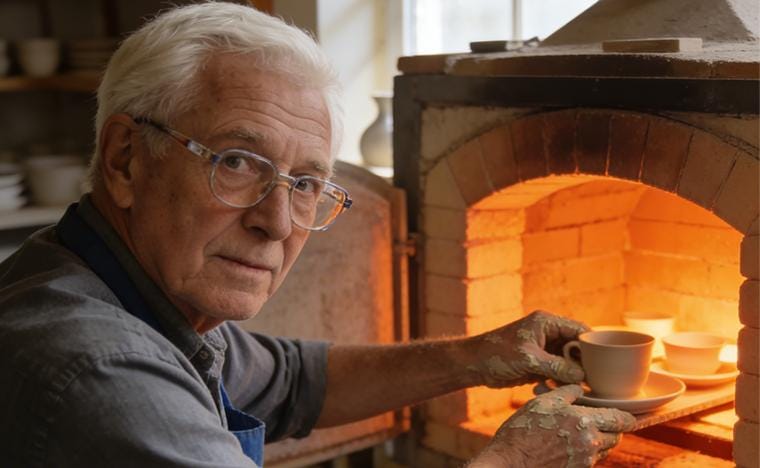
Then comes the first firing, called bisque firing. The pieces go into the kiln, where the temperature climbs to 1832°F (1000°C). This transforms the soft clay into a porous, durable material ready for glazing. Glazing is where creativity truly shines—we mix our own glazes using natural pigments, testing batches repeatedly to get the perfect hue and texture. Some glazes melt into a glossy, deep blue like a summer sky; others have a matte finish with flecks of gold that catch the light; still, others develop subtle variations in color when fired, creating a marbled effect that’s impossible to replicate.
We dip each cup and saucer carefully, ensuring even coverage, then let them dry again before the final firing. The second kiln session reaches 2204°F (1200°C)—this is where the magic happens. The glaze melts, flows, and fuses with the clay, turning the raw bisque into the smooth, food-safe pieces you’ll bring home. We wait anxiously as the kiln cools overnight; opening it in the morning is like unwrapping a gift—sometimes a glaze behaves in a new way, creating a happy accident that becomes our new favorite design.
Every ceramic cup and saucer that leaves our studio carries a little piece of our journey: the kneading, the spinning, the waiting, and the joy of seeing clay become something that will hold your morning coffee, your afternoon tea, or a quiet moment of relaxation. We don’t just make tableware—we make vessels for your stories. When you hold one of our cups, you’re holding the warmth of our hands, the patience of the process, and a reminder that slow, intentional craft is worth celebrating.
Thank you for letting our pieces be part of your daily rituals. Here’s to many sips, stories, and moments made sweet by something handcrafted with love.
