











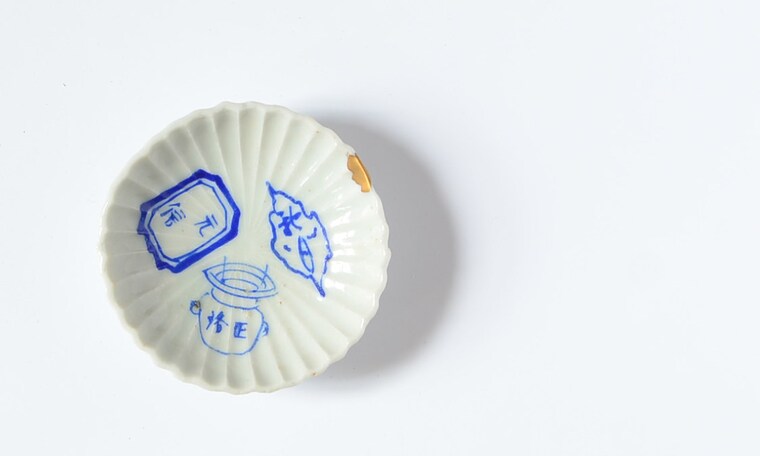
Embrace the beauty in imperfection
Embrace the beauty in imperfection
Repair your personal ceramic item //
Please contact me to discuss repair cost and time, and send the picture of your ceramic item with you as it will depend on its condition.
The ceramic can be chipped, cracked or broken with missing pieces. Options to have the seam finish in gold, silver, brass, tin or lacquer.
As I come to like pottery ware, I found myself that I was unable to throw away them just because they were chipped or cracked. So I learnt how to do Kintsugi under an artisan of lacquer ware.
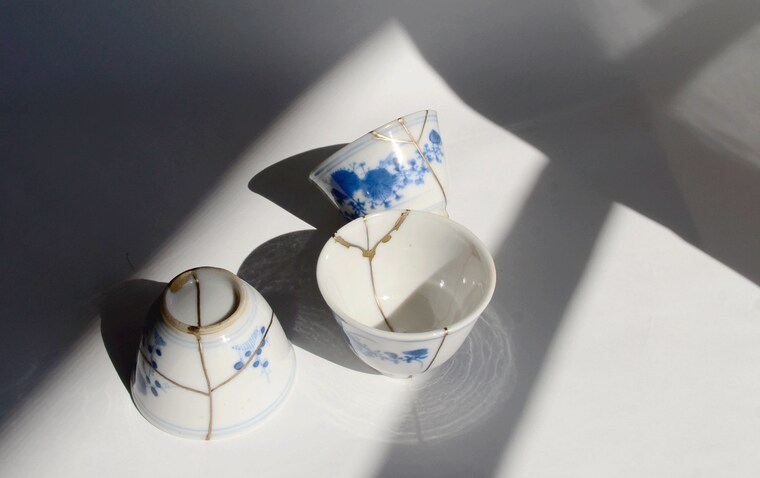
The humble shine of the pure gold and silver on the pottery ware have grabbed my heart.
They are so unique and charming.
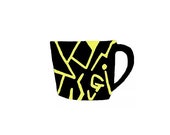
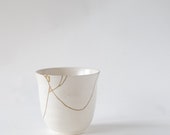
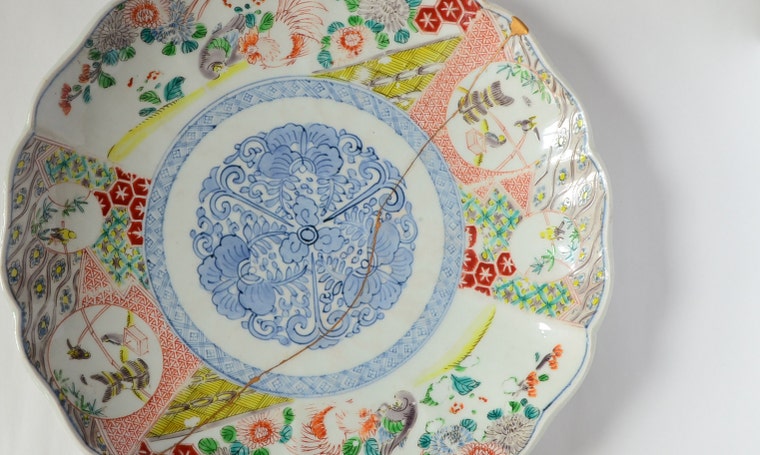
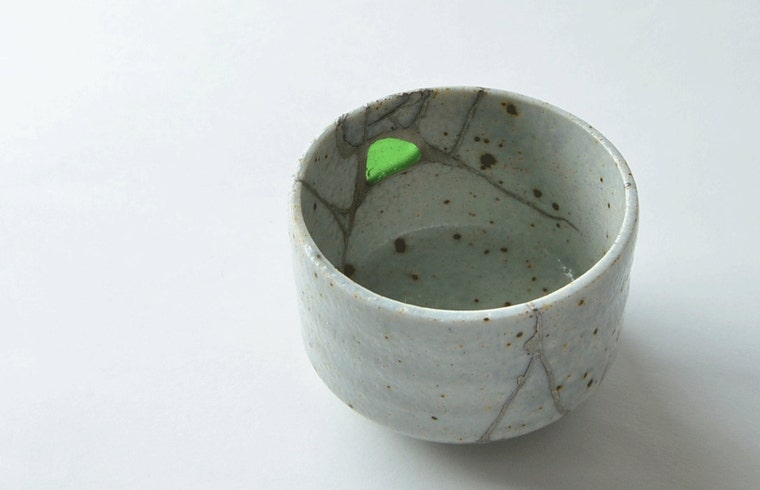
Kintsugi is a way of joining broken pottery with lacquer (sap) and gold or other metal powder. It's said to be originated in the 15th century when the tea culture was permeated in Japan. The people in old times found the beauty in imperfect and aged things. The perspective is called "wabi sabi". This word is common in these days. For me, it's something encouraging me to be free from stereotypical views.
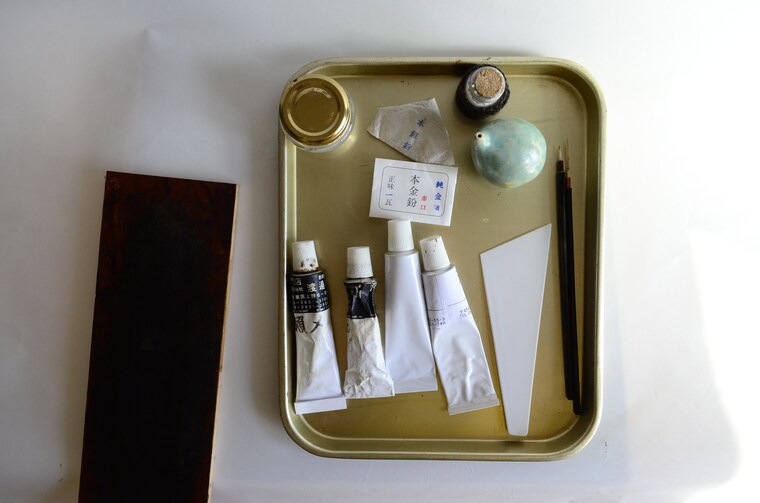
There are many kinds of Kintsugi today. The materials varies from chemical to natural. I mainly adopt the traditional way of Kintsugi which only uses natural material. It's good for tableware because it's food safe. The natural material takes much much longer compared with chemical ones, but I like them processing slowly and even firmly.
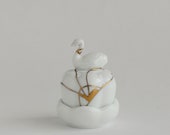
In my Etsy shop, you can find the tableware with my Kintsugi repair. The most of these items were originally found in the vintage/antique markets in Japan. They were once chipped and cracked but revived with gold and silver. I've been learning about Japanese antiques, I ask the experts if I have questions for the item's origin and trying to be right, but there could be misunderstanding in the descriptions. Please forgive me.
// Repair your personal ceramic item //
Please contact me to discuss repair cost and time, and send the picture of your ceramic item with you as it will depend on its condition.
The ceramic can be chipped, cracked or broken with missing pieces. Options to have the seam finish in gold, silver, brass, tin or lacquer.
As I come to like pottery ware, I found myself that I was unable to throw away them just because they were chipped or cracked. So I learnt how to do Kintsugi under an artisan of lacquer ware.
The humble shine of the pure gold and silver on the pottery ware have grabbed my heart.
They are so unique and charming.
Kintsugi is a way of joining broken pottery with lacquer (sap) and gold or other metal powder. It's said to be originated in the 15th century when the tea culture was permeated in Japan. The people in old times found the beauty in imperfect and aged things. The perspective is called "wabi sabi". This word is common in these days. For me, it's something encouraging me to be free from stereotypical views.
There are many kinds of Kintsugi today. The materials varies from chemical to natural. I mainly adopt the traditional way of Kintsugi which only uses natural material. It's good for tableware because it's food safe. The natural material takes much much longer compared with chemical ones, but I like them processing slowly and even firmly.
In my Etsy shop, you can find the tableware with my Kintsugi repair. The most of these items were originally found in the vintage/antique markets in Japan. They were once chipped and cracked but revived with gold and silver. I've been learning about Japanese antiques, I ask the experts if I have questions for the item's origin and trying to be right, but there could be misunderstanding in the descriptions. Please forgive me.
