







Building a Colorful Life in Porcelain
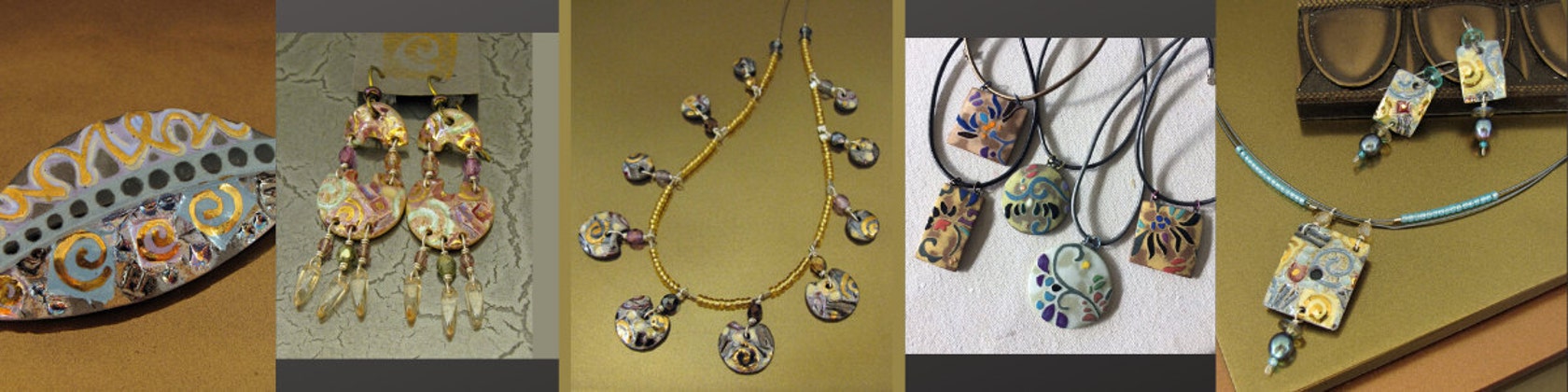
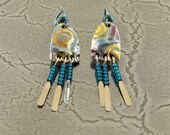
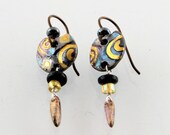
For more than twenty years, my line of "Local Texture" jewelry has evolved into a line of wearable art, collected by women nationwide. Along the way, I have added decorative housewares and porcelain fine art pieces into my collection.
Having a fondness for pattern, I often use symbols, universal or ethnic, to subtly convey a sense of place. I do all of the stages of the process myself; it is very time consuming and I am able to sell only what I can produce with my own two hands. This limits me as far as wholesaling the pieces, so instead I exhibit in a select few art galleries and at fine art and craft shows across the country. This allows for each collected piece to be truly special.
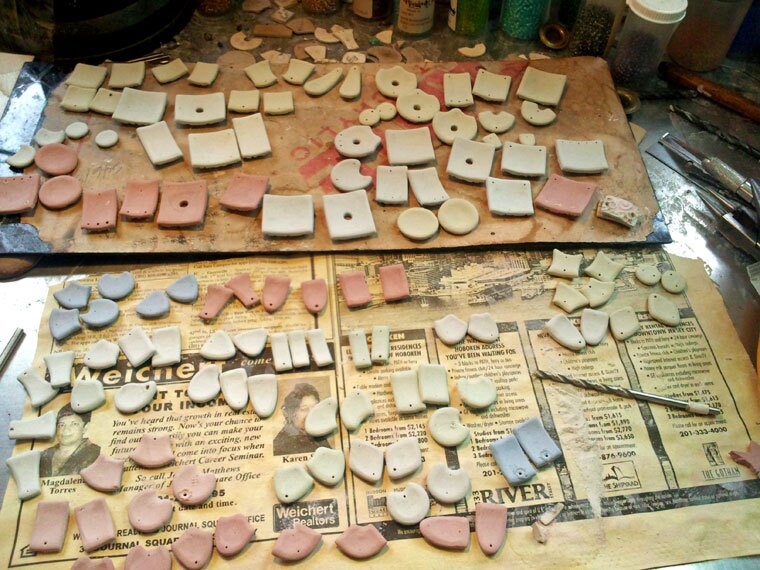
My jewelry process begins by layering a porcelain slab with layers of porcelain slip to create a colored background. On this slab, I razor-etch and hand-stamp an overall textural pattern using tiny, previously fired porcelain, motif stamps. From this decorated slab, I cut out my designs, drill holes, mold them to give the pieces a domed shape, sand the edges, allowing them to dry before high-firing them in an electric kiln. The next step involves placing a colored glaze in each of the depressions left by the stamps (each motif is assigned a different color). After the firing for the glazes, I paint an iridescent overglaze luster over almost every glazed area. Finally, after that firing, I will further embellish the designs with a 22 KT gold luster and fire the pieces for the last time.
The pieces are a long time in the making, as the techniques are easy to learn but slow to perfect and require a lot of patience. A single bead-piece may only be finished for assembly after two weeks of layered techniques and firings. The finished artwork is always a delight for me to see and I’ve enjoyed almost every minute of it—okay, I don’t like the sanding.
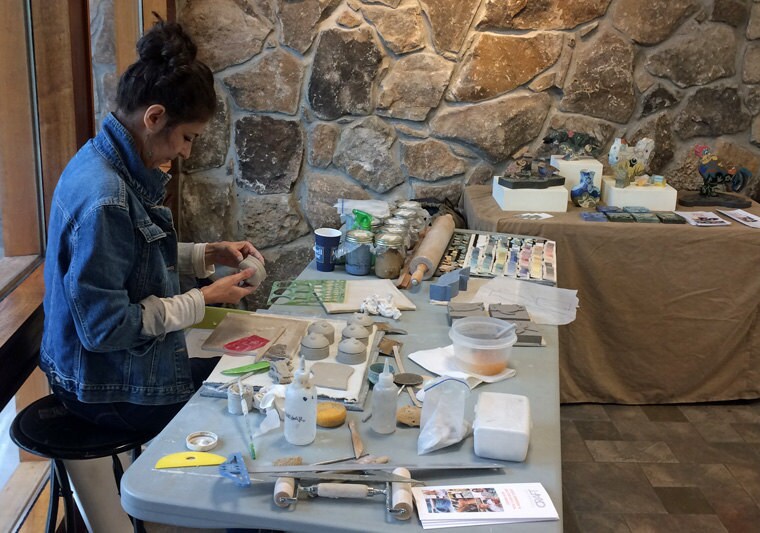
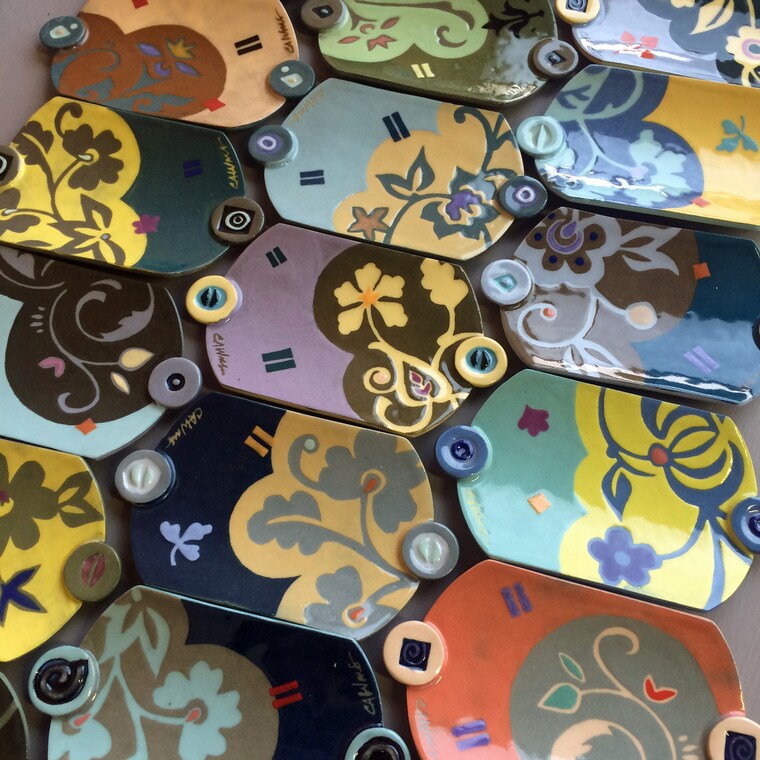
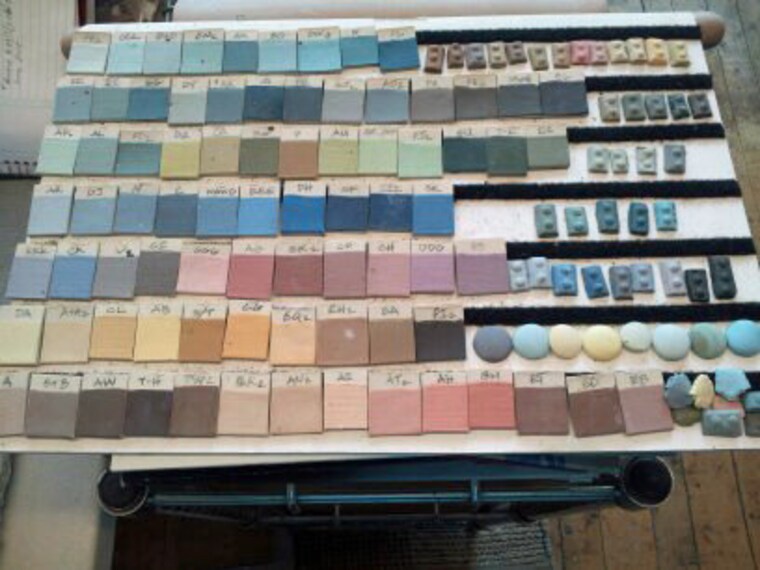
The decorative ceramic work is created by forming pieces from slabs of porcelain and colored porcelain. I begin by hand-coloring liquid porcelain clay with stains and oxides into small batches of workable clay. I often use transfer drawings or make templates of the forms I plan to make and will then cut out pieces from the rolled slabs of clay. Once the piece is formed, I allow it to slowly dry before the decorating process can occur.
I often combine surface techniques but the basis of my designs involve resists and layered, colored porcelain slips. I will draw onto the clay with wax or shellac (or both) and apply several layers slip as I go. Each time a layer is applied, I am masking or etching areas of the design, as needed. When this first step of the design is complete, I will fire the piece to a very "soft" bisque; this means that the shellac and wax are burned out along with the water content within the clay, so I can continue to add embellishment to the design areas that were previously drawn in a resist. At this point, I paint with underglaze pigments and when complete, fire to a "hard" bisque (to burn out impurities and "set" the underglaze). The next firing will bring the piece to its full maturity (as a high-fire body), so I will apply glaze to the areas I choose to enhance the colors and the design. The entire process often takes many weeks in process, as porcelain needs to be dried, fired and cooled slowly and the design work is complex.
In days to come, expect to see an ever-expanding palette and a variety of new pieces. Thanks for supporting independent artists everywhere!

