






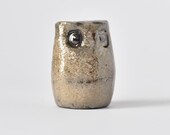
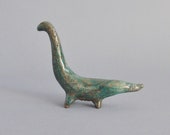

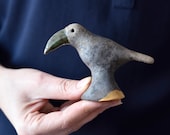
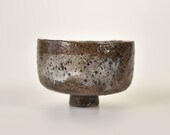
¿Por qué? porque me gusta el contacto directo con los elementos
Why? because I like direct contact with the elements
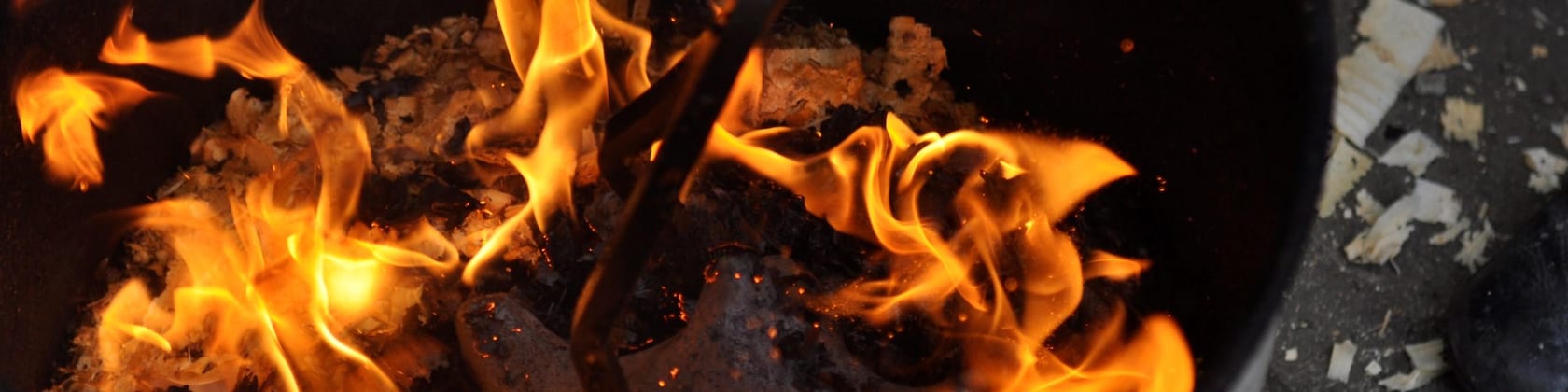
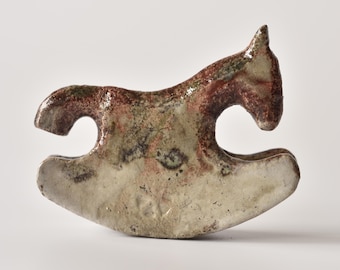
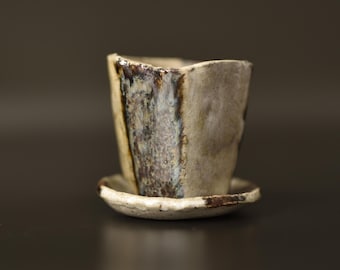
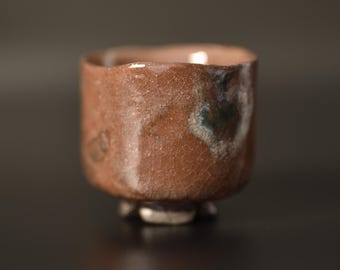
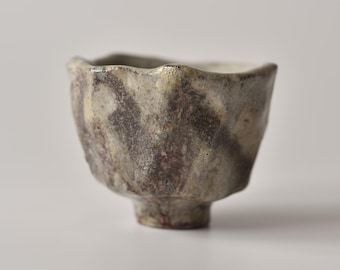
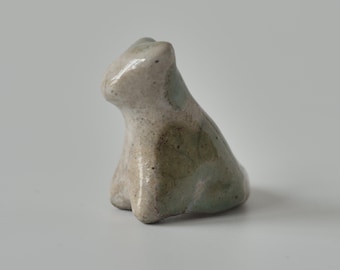
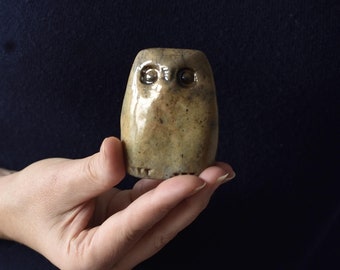
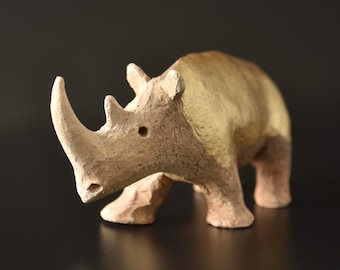
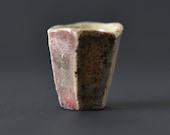
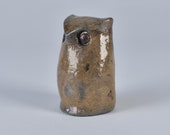
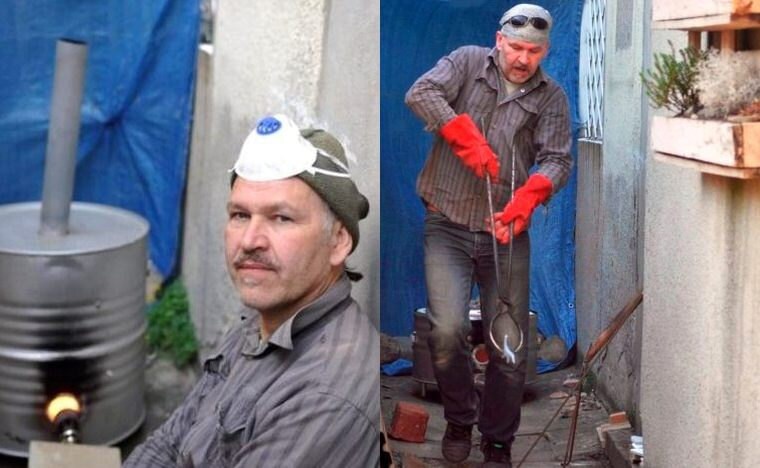
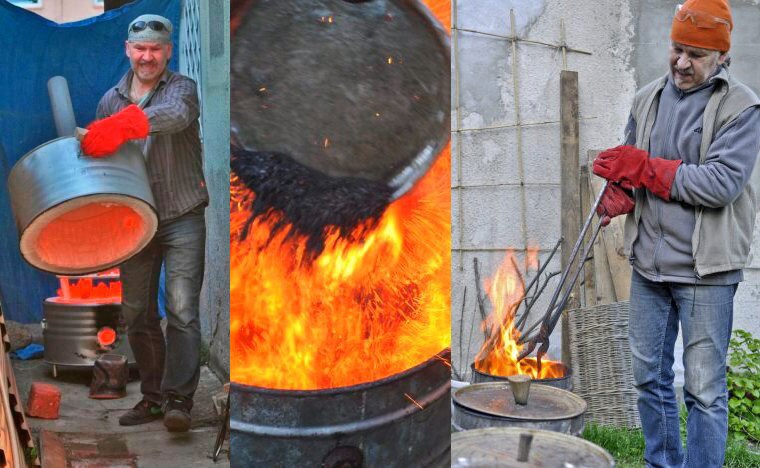
Soy artista, ceramista y diseñadora. Al crear cosas útiles y hermosas, puedo, hasta cierto punto, hacer del mundo un lugar mejor. Trabajo con cerámica porque me gustan las formas tridimensionales: esculpir siempre ha sido fácil para mí. Me gusta el contacto directo con los elementos. Durante el disparo, la alquimia es tangible y viva. Como un herrero, saco objetos calientes del fuego con alicates. La cerámica también implica el contacto con la tierra -arcilla y arena- y el agua, lo que las convierte en plástico. Encontrar las proporciones correctas entre los ingredientes, secar y acristalar los objetos hace que el proceso consuma mucho tiempo y que enseñe paciencia.
¿Por qué cerámica? Potter y buceador y astronauta fueron algunas de las profesiones que me fascinaron cuando era un niño. Nací 16 años después de la Segunda Guerra Mundial, y sus huellas todavía eran claramente visibles en el pueblo abandonado por los alemanes. Ruinas, dispositivos y tecnologías con uso desconocido, todo fue un impulso para un cambio para mí. La creencia de que todo se puede hacer hermoso y, tal vez, el talento me hizo ir a una escuela secundaria de arte y seguir estudios de arte.
La técnica raku, que utilizo, se origina en Japón. El Oriente está cerca de mi corazón. He practicado Tai Chi y, gracias a una beca del Ministerio de Arte y Cultura, visité India y Nepal para documentar el arte budista. Me gradué de la escuela secundaria de arte y de la Academia de Arte y Diseño, especializándome en diseño. No copio piezas orientales. En cambio, utilizo mi conocimiento del diseño para combinar lo tradicional con lo moderno. Valoro el diseño para utilizar materiales contemporáneos, tecnologías de vanguardia o introducir nuevas formas de usar objetos, sin embargo, elijo emplear técnicas tradicionales, anticuadas y confiables. Quiero acercar el diseño al arte.
---
¿Cómo trabajo?
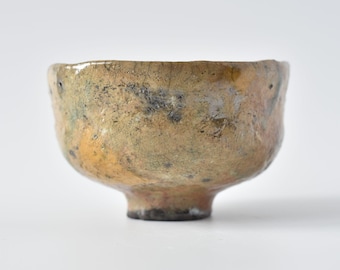
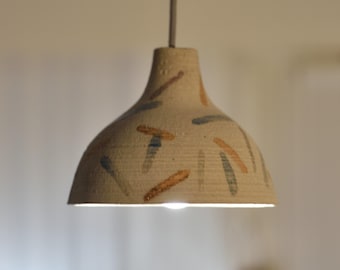
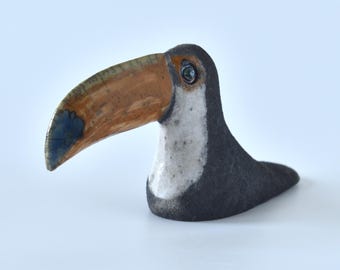
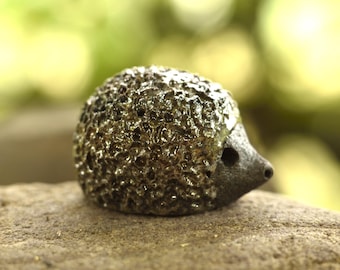
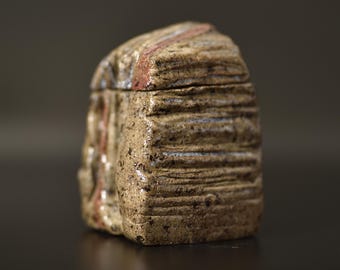
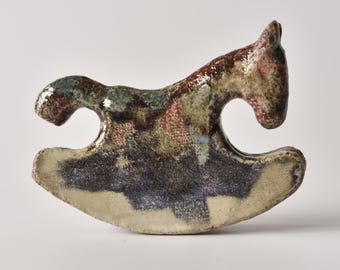
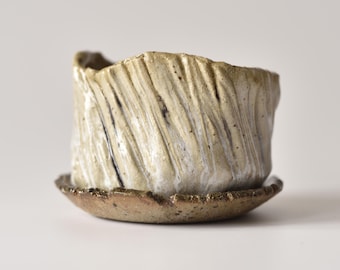
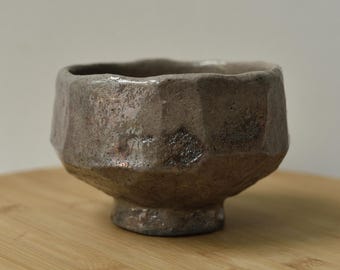
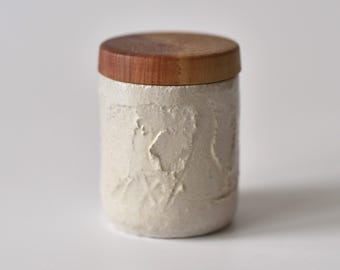
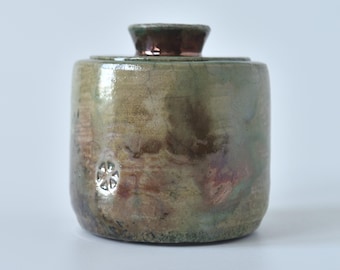
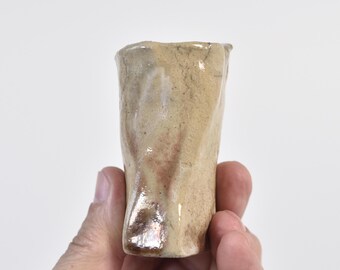
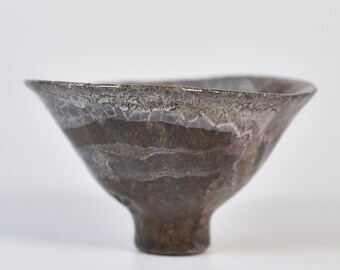
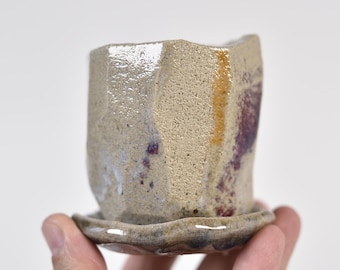
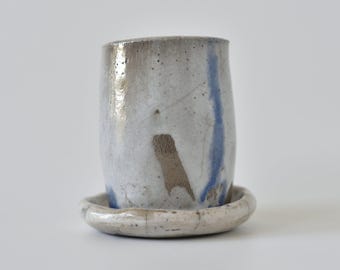
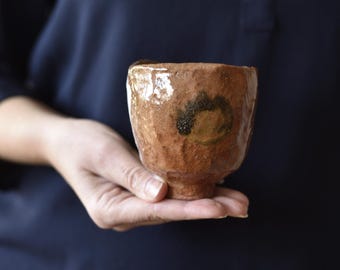
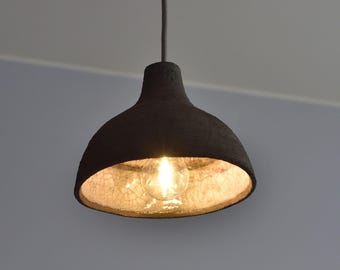
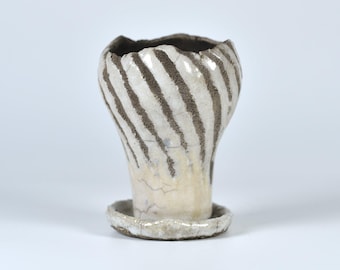
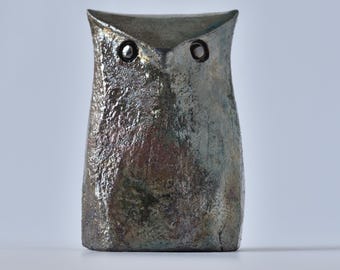
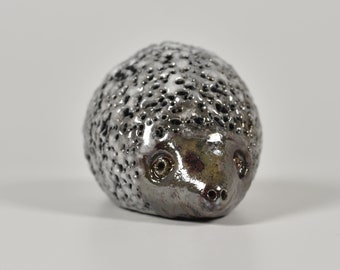
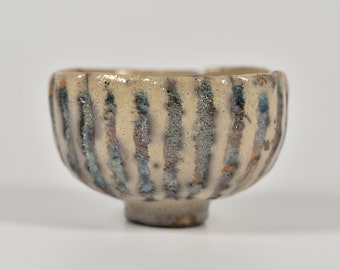
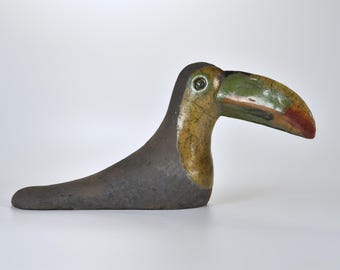
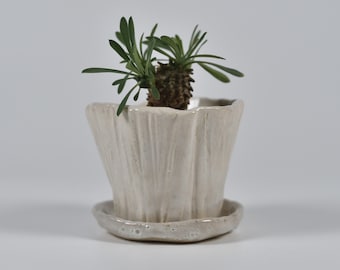
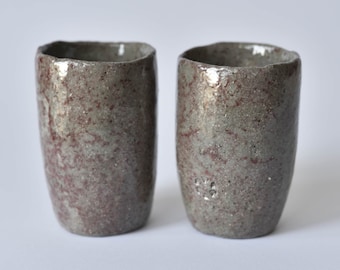
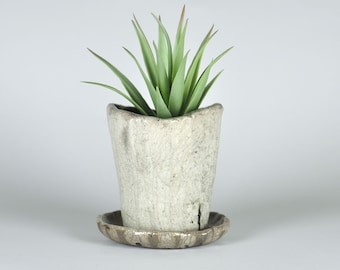
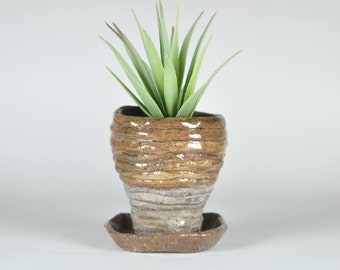
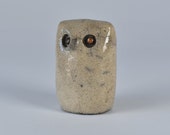
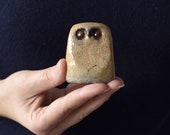
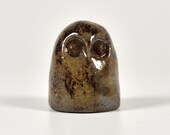
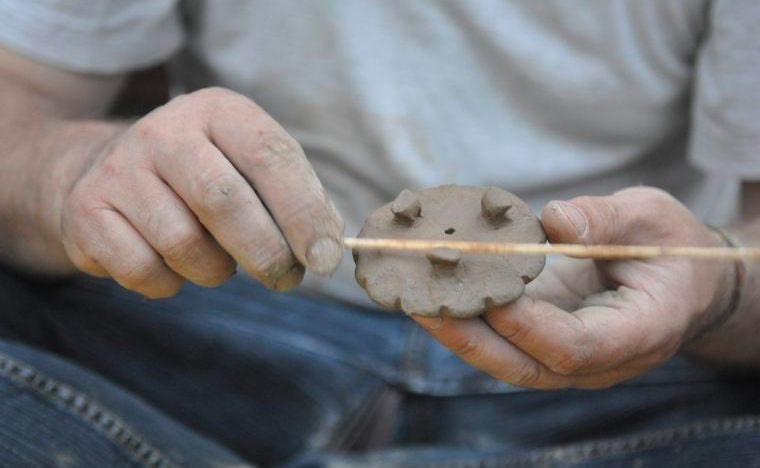
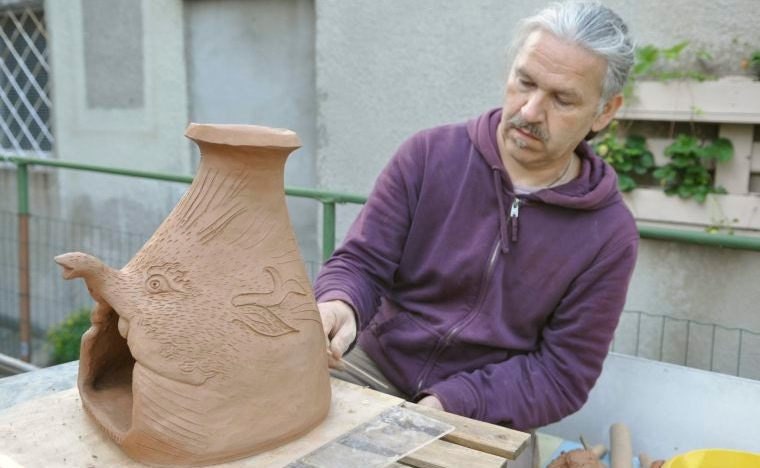
Utilizo diferentes tipos de arcilla Raku. A menudo mezclo arcilla local de Baja Silesia con chamota dependiendo del tipo de artículo o efecto que quiero lograr. A veces también agrego a las arcillas de mis amigos sustancias de sus viajes: tierra roja de Namtso en el Tíbet, arcilla del este de Bután o arena de Omán y Jordania. Doy forma a la arcilla con mis manos sin usar una rueda de alfarero ni un molde. Después de que se forma la arcilla, la dejo unos días para que se seque. Mientras está seco, lo disparo en el horno de gas. Este primer disparo se llama "bisque". Decoro piezas de bisque utilizando esmaltes especialmente mezclados solo para este artículo en particular, lo que resulta en un tratamiento de coloración único, y los disparo nuevamente a temperatura, alrededor de 1000 C (1832 F). Después, los artículos se retiran al rojo vivo y se colocan en recipientes con materiales combustibles (aserrín, papel, hojas secas), lo que reduce la atmósfera: las áreas que no han sido acristaladas se vuelven negras. Este proceso también genera grietas delgadas dentro del esmalte, los llamados "crepitantes", y si el esmalte contiene mucho cobre, colores metálicos brillantes. Los artículos se atemperan en agua fría y se limpian con un abrasivo para eliminar todos los residuos de hollín y cenizas.
Algunos de los artículos se recubren y se disparan varias veces para obtener efectos de color interesantes. Todo el camino, desde la arcilla hasta el envío del artículo listo, toma alrededor de un mes.
---
A quien vendo mis obras.
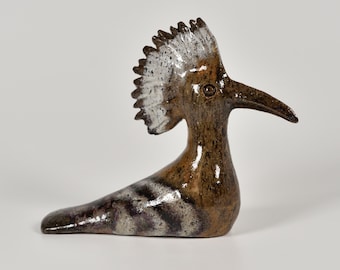
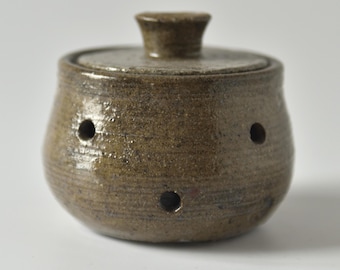
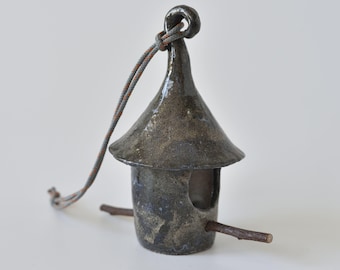
Mis clientes son personas para quienes los pequeños placeres de la vida cotidiana, como beber té en un hermoso tazón, son importantes. Mis comederos para pájaros y olla son comprados por personas que tienen un ambiente y animales en sus corazones. Mis clientes son personas buenas y sensibles.
I am an artist, ceramicist and designer. By creating useful and beautiful things, I can, to some extent, make the world a better place. I work with ceramics because I like three-dimensional forms – sculpting has always been easy for me. I like direct contact with the elements. During the firing, the alchemy is tangible and alive. Like a blacksmith, I pull hot objects from the fire with pliers. Ceramics also implies contact with the earth – clay and sand – and water, which makes them plastic. Finding the right proportions between the ingredients, drying and glazing the objects makes for a time-consuming process that teaches patience.
Why ceramics? Potter and diver and astronaut were some of the professions that fascinated me when I was a young boy. I was born 16 years after World War II, and its traces were still clearly visible in the village abandoned by Germans. Ruins, devices and technologies with unknown use – all of it was an impulse for a change for me. The belief that all of it can be made beautiful and, perhaps, talent made me go to an art high school and pursue art studies.
The raku technique, which I use, originates from Japan. The Orient is close to my heart. I have practised Tai Chi and, thanks to a Ministry of Art and Culture’s grant, visited India and Nepal to document Buddhist art. I graduated from art high school and the Academy of Art and Design, specializing in design. I do not copy oriental pieces. Instead, I use my knowledge of design to combine the traditional with modern. I value design to use contemporary materials, cutting-edge technologies or introducing new ways of using objects, yet I choose to employ traditional, old-fashioned, reliable techniques. I want to bring design closer to art.
---
How do I work?
I use different kinds of Raku clay. I often mix local Lower Silesian clay with chamotte depending on the kind of item or effect I want to achieve. Sometimes I also add to my friends' clay substances from their travels - red soil from Namtso in Tibet, clay from Eastern Bhutan or sand from Oman and Jordan. I shape the clay with my hands without using a potter’s wheel nor a mould. After the clay is formed, I leave it a few days to dry. While it is bone dry, I fire it in the gas-fired kiln. This first firing is called "bisque". I decorate bisque pieces using glazes specially mixed just for this particular item, resulting in a unique colouring treatment, and I fire them again in temperature - around 1000 C (1832 F). Afterwards, items are removed red-hot and placed into containers with combustible materials (sawdust, paper, dry leaves), which reduces the atmosphere – areas that have not been glazed turn black. This process also generates hair-thin cracks within the glaze, so-called “crackles”, and if glaze contains much copper - metallic shimmering colours. The items are then tempered in cold water and cleaned with an abrasive to remove all soot and ash residues.
Some of the items are coated and fired several times to get interesting colour effects. The whole way, from the clay to shipping ready item, takes around a month.
---
Whom I sell my works.
My clients are people for whom the little pleasures of everyday life, such as drinking tea in a beautiful bowl, are important. My birdfeeders and olla are bought by people who have an environment and animals in their hearts. My clients are good, sensitive people.

