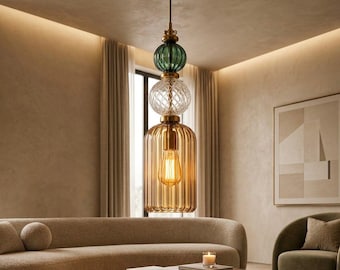
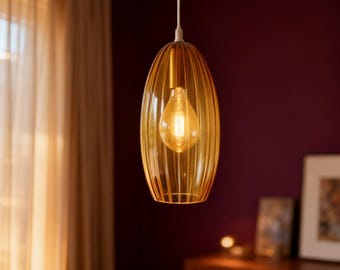
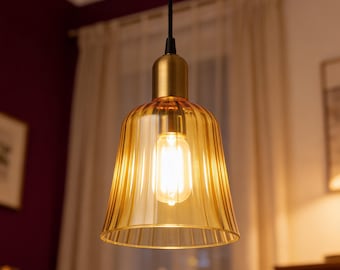
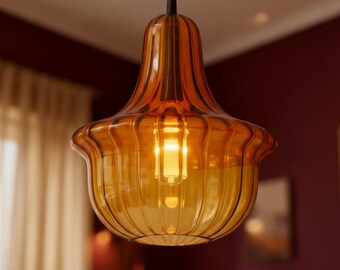
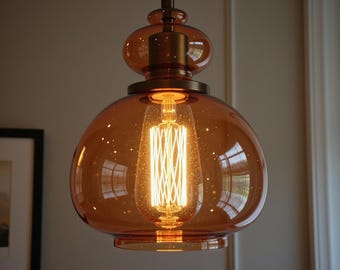
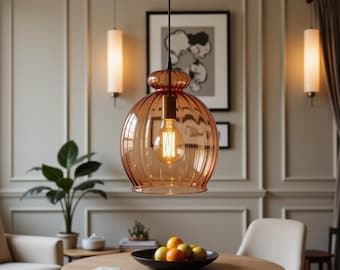
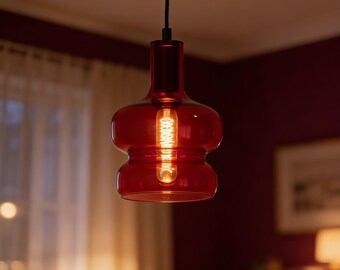
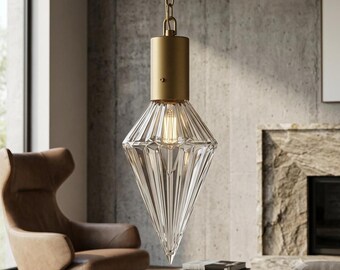
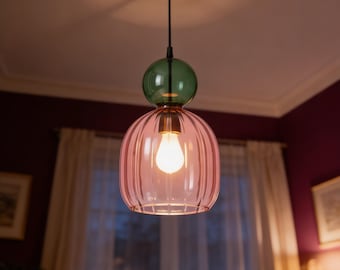
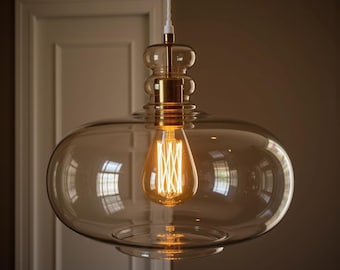
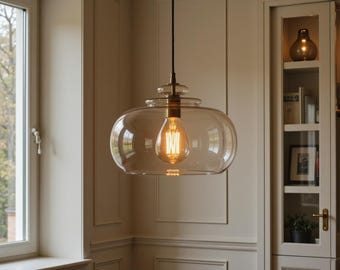
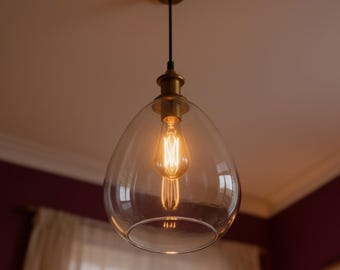
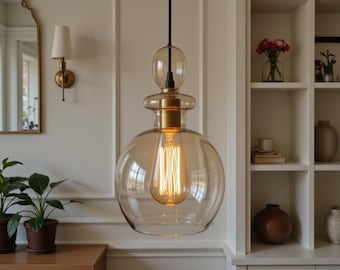
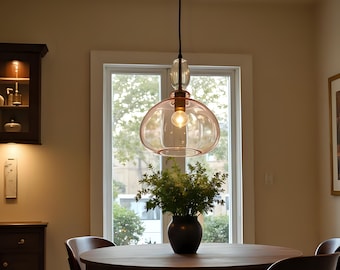
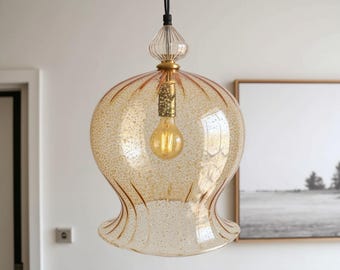
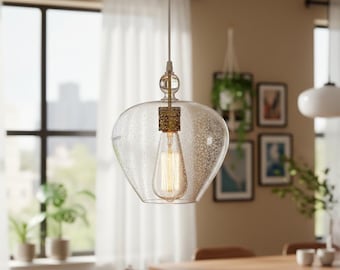
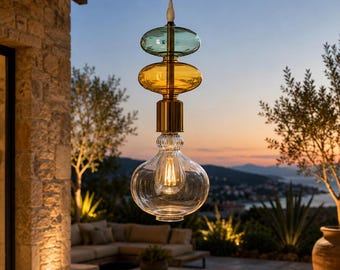
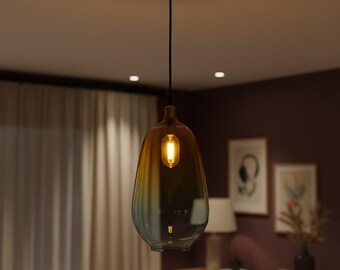
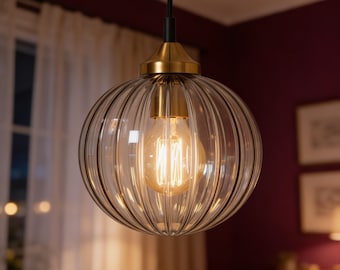
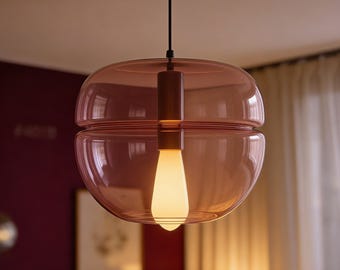
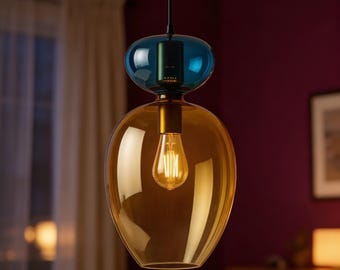
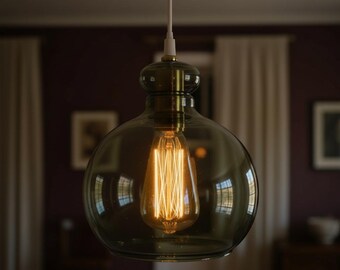
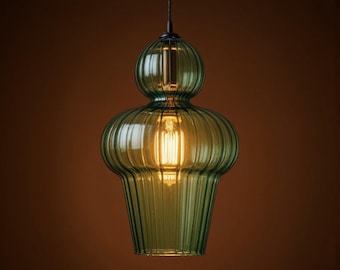
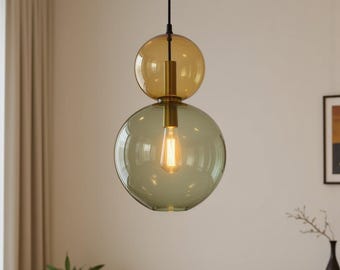
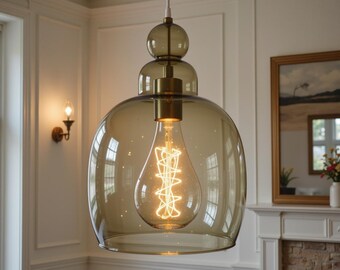
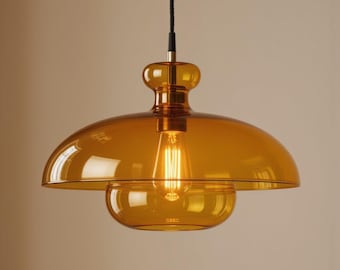
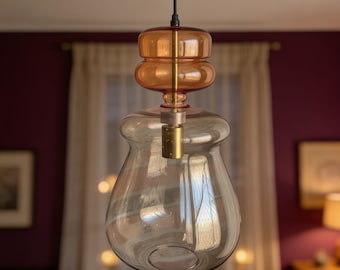
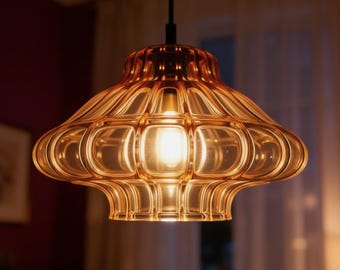
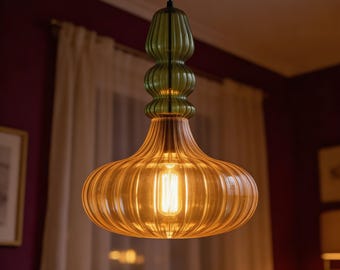
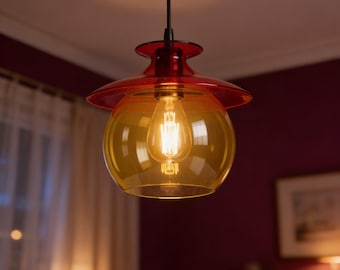
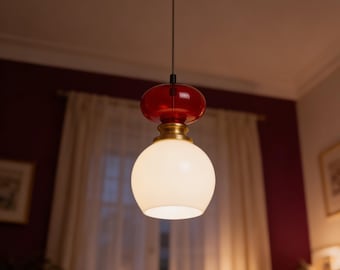
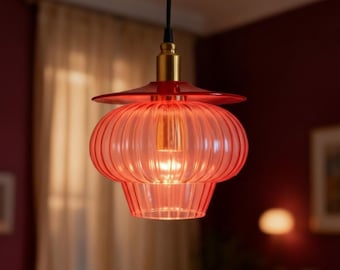
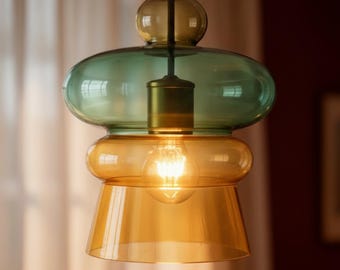
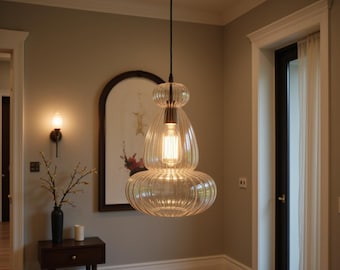
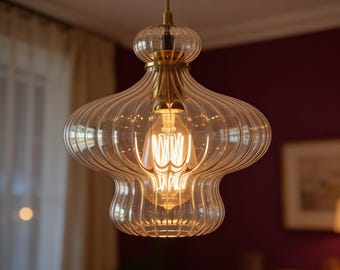
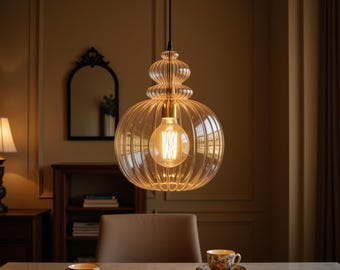
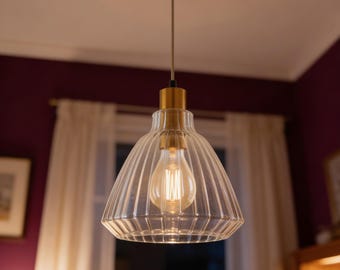


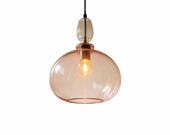

Treinta años en el horno, una familia, un oficio.
Thirty years at the furnace, one family, one craft
Tenía siete años la primera vez que comprendí a qué se dedicaba mi padre.
No me refería a la mecánica. La había visto desde que era pequeño, desde que caminaba junto al largo tubo de hierro, el horno ardiendo al fondo de nuestro taller en El Cairo, la forma en que el vidrio se movía al contacto con el calor. Lo que comprendí aquel día fue otra cosa. Lo vi tomar una masa informe y brillante y, en un instante, darle una forma que jamás había existido. Luego la dejó sobre la mesa, y listo. Jamás se volvería a hacer exactamente así. Ni él. Ni nadie.
En aquel momento no supe qué decir. Simplemente sabía que estaba presenciando algo importante.
Éramos ocho hermanos, y ese taller fue donde todos crecimos. Nuestro padre aprendió de su padre, y de su padre antes que él. El oficio nos llegó como siempre llega: no enseñado, exactamente, sino absorbido. Observando. A través del olor a vidrio y hierro al rojo vivo. Quemándote los dedos una vez y sin volver a hacerlo jamás igual.
Cuando era adolescente, ya soplaba vidrio. Al principio no lo hacía bien, luego mejoré un poco, y finalmente logré cierto dominio. Mi padre nunca dijo que fuera bueno. Decía que estaba aprendiendo a escuchar el material. Eso era lo mejor que podía decir de alguien que trabajaba en el horno.
En los años noventa, aprovechamos todo lo que nos dio y empezamos. Éramos solo ocho, con una furgoneta y trozos de vidrio envueltos en papel de periódico. Vendíamos en tiendas locales, montábamos puestos y recorríamos El Cairo transportando lámparas de vidrio soplado en la parte trasera. El mercado de entonces estaba lleno de objetos que parecían de vidrio pero no tenían textura. Piezas importadas sin origen, imitaciones baratas sin ningún tipo de artesanía. Nos frustraba, pero eso solo nos reafirmaba en lo que estábamos haciendo.
Nunca íbamos a hacer cosas ordinarias. Nuestro padre no nos había enseñado cómo.
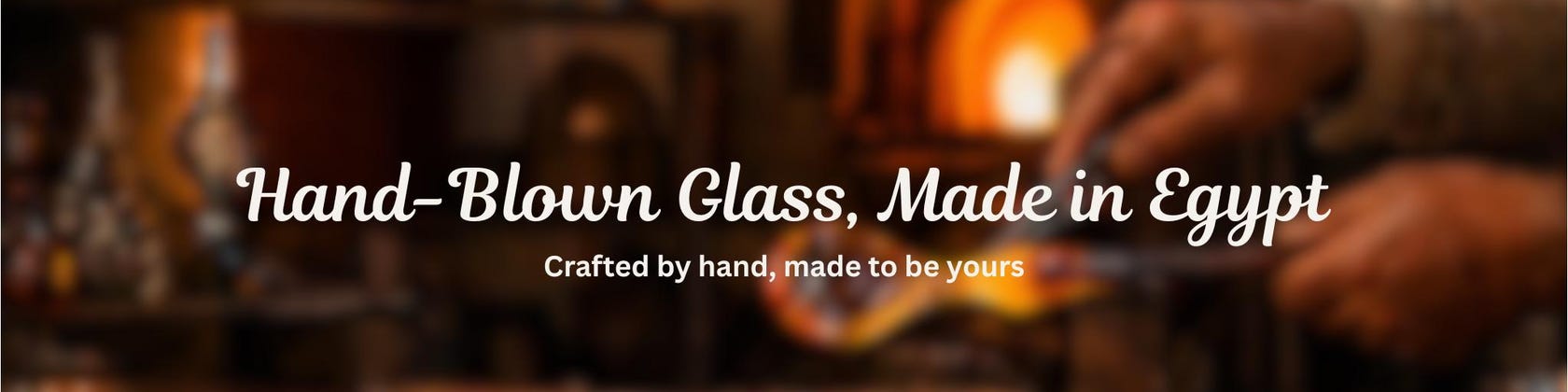
Pasaron décadas. El taller se convirtió en una fábrica en la ciudad del Seis de Octubre, en Giza. Lo que comenzó como un grupo de ocho hermanos ahora son doscientos artesanos, todos formados en la misma disciplina y con los mismos estándares. Cada mañana, al cruzar esas puertas, los hornos ya están encendidos. En algún lugar del taller, uno de mis hermanos o hermanas trabaja con la pipa. El vidrio se mueve como siempre.
Pyrex borosilicato. Moldeado con la boca. Creado en una sola sesión que no deja lugar a un segundo intento.
Creé Prime Pyer para quienes buscan ese tipo de objeto. Para quienes han recorrido suficientes habitaciones como para saber cuándo les falta algo. Para quienes no desean lo que tienen los demás, porque entienden que lo que tienen los demás nunca fue creado específicamente para ellos.
Cada pieza que creamos fue hecha una sola vez. Conserva la esencia del momento en que surgió. Ese momento ya pasó, y el vidrio es lo único que queda de él.
Eso es lo que hacemos. Eso es todo lo que hemos hecho siempre.
I was seven years old the first time I understood what my father did for a living.
Not the mechanics of it. I had seen those since I could walk the long iron pipe, the furnace burning at the far end of our workshop in Cairo, the way the glass moved when heat touched it. What I understood that day was something else. I watched him take a formless, glowing mass and, in a single breath, give it a shape that had never existed before. Then he set it down, and it was done. It would never be made again exactly that way. Not by him. Not by anyone.
I did not have the words for it then. I just knew I was watching something that mattered.
We were eight siblings, and that workshop was where we all grew up. Our father learned from his father, and his father before him. The craft came to us the way these things always come not taught, exactly, but absorbed. Through watching. Through the smell of hot glass and iron. Through burning your fingers once and never doing it the same way again.
By the time I was a teenager, I was blowing glass myself. Badly at first, then less badly, then with something approaching control. My father never said I was good. He said I was learning to listen to the material. That was the highest thing he could say about a person at the furnace.
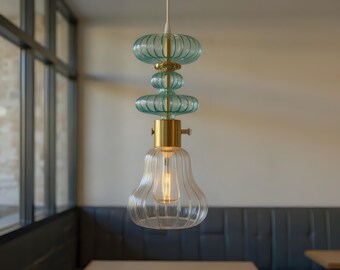
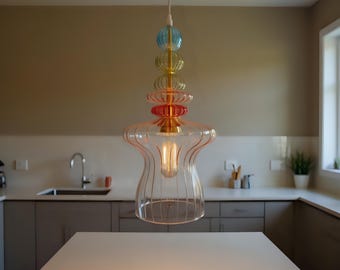
In the 1990s, we took everything he gave us and started. Just the eight of us, a van, and glass pieces wrapped in newspaper. We sold at local shops, set up stalls, drove across Cairo with handblown lamps sliding around in the back. The market at the time was full of things that looked like glass and felt like nothing. Imported pieces with no origin, cheap imitations with no craft behind them. We were frustrated by it in a way that only made us more certain about what we were doing.
We were never going to make ordinary things. Our father had not taught us how.
Decades passed. The workshop became a factory in Sixth of October City, Giza. What was eight siblings is now two hundred craftsmen, each one trained in the same discipline, held to the same standard. Every morning I walk through those doors and the furnaces are already burning. Somewhere on the floor, one of my brothers or sisters is at the pipe. The glass is moving the way it always has.
Pyrex borosilicate. Shaped by mouth. Formed in one session that leaves no room for a second attempt.
I built Prime Pyer for the people who are looking for that kind of object. The ones who have walked through enough rooms to know when something is missing from theirs. The ones who do not want what everyone else has, because they understand that what everyone else has was never made for them specifically.
Every piece we make was made once. It carries the moment it came from. That moment is already gone, and the glass is the only thing left of it.
That is what we make. That is all we have ever made.