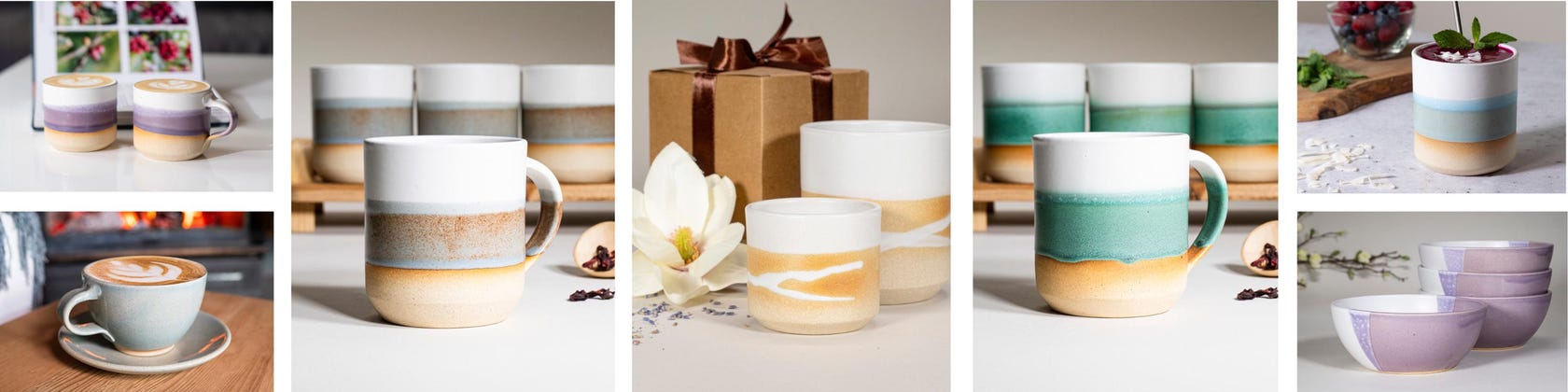

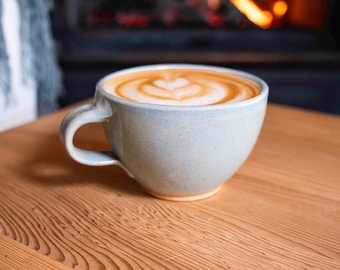
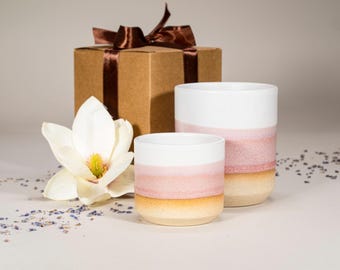
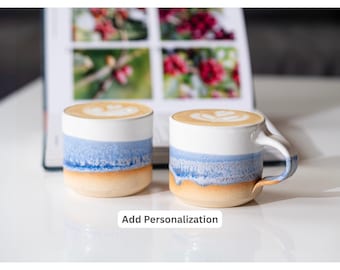



Hecho por nuestras manos para ser funcional en las tuyas
Made by Our Hands to be Functional in Yours
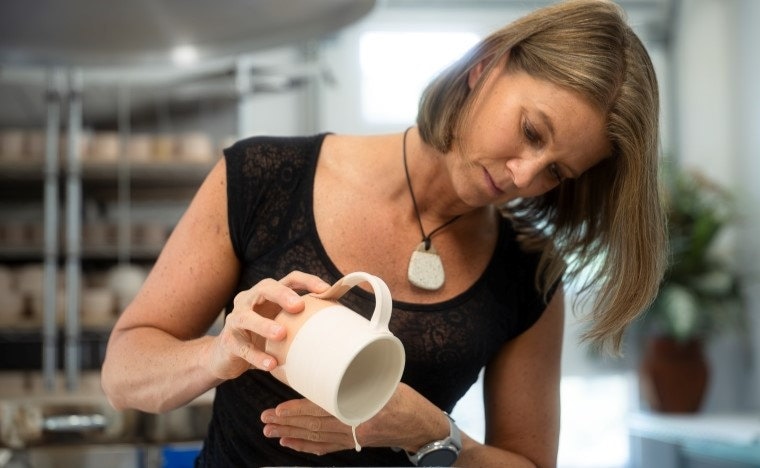
Mi pasión por la cerámica comenzó en mi infancia, cuando paseaba con mi abuelo por las calles del casco antiguo de Praga, visitando a artistas locales y sus estudios. Me fascinaba cómo unas manos hábiles podían transformar una pieza de arcilla en algo funcional y hermoso a la vez.
Con el paso de los años, seguí atrayendo la cerámica, pero me sentí más atraído por la naturaleza, lo que me llevó a obtener un doctorado en ecología aplicada y del paisaje. Pasé más de 20 años trabajando en consultoría ambiental, especializándome en la protección de hábitats nativos, especies amenazadas y en peligro de extinción, y explorando la cerámica en mi tiempo libre. Empecé poco a poco viendo videos educativos, asistiendo a diversos talleres y haciendo cerámica para mí, mis amigos y mi familia los fines de semana.
En 2016, completé un aprendizaje con un maestro alfarero de producción, Bill van Gilder, y aprendí habilidades sobre cómo hacer cerámica en gran volumen, lo más idéntica posible, pero dejando espacio para una huella del proceso hecho a mano.
Al mismo tiempo, empecé a enfrentar múltiples problemas de salud, incluyendo el diagnóstico de cáncer. Me di cuenta de que necesitaba centrarme en mi bienestar y eliminar el estrés innecesario de mi vida, principalmente el proveniente de un exigente trabajo corporativo.
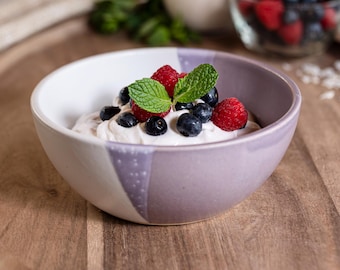
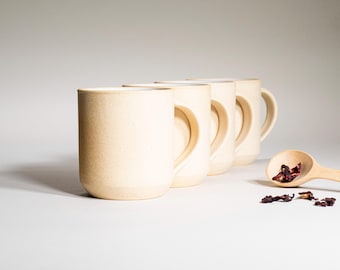
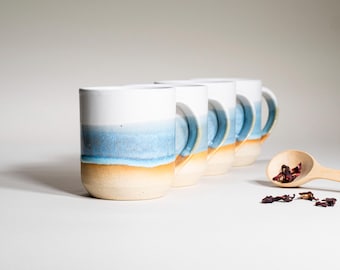
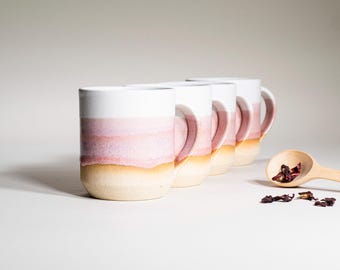
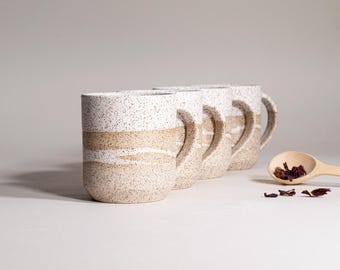
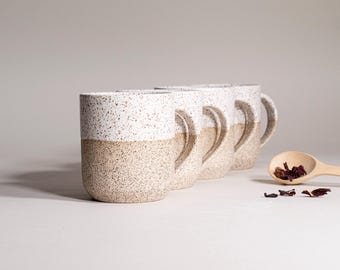
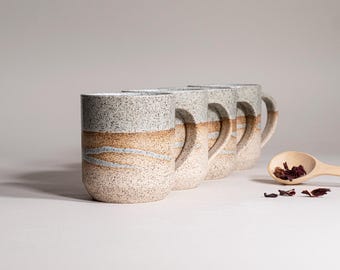
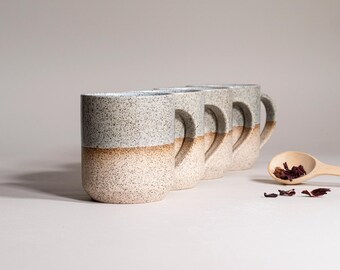
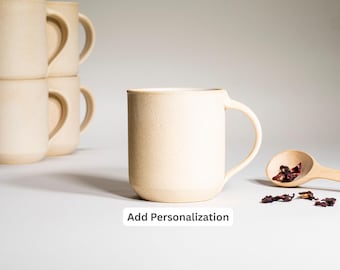
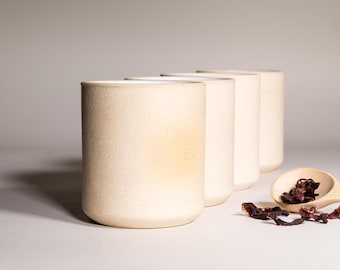
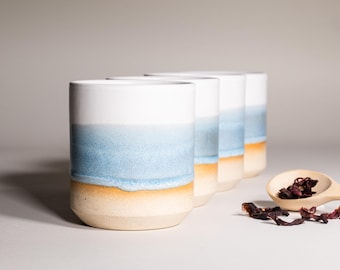
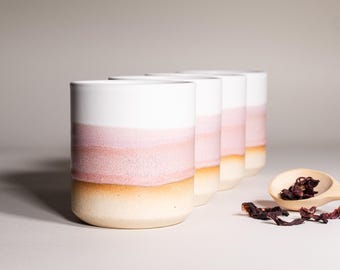
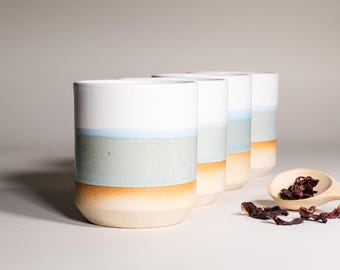
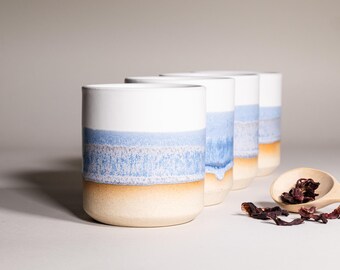
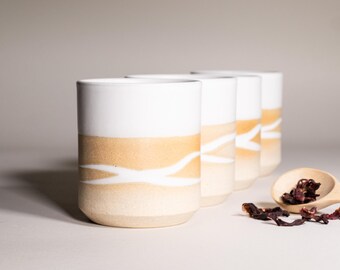
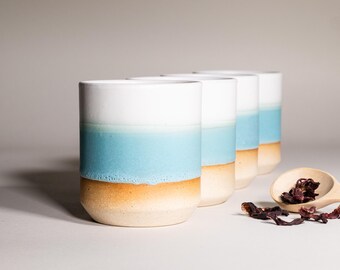
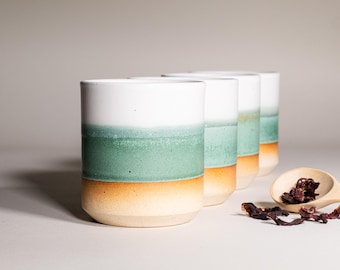
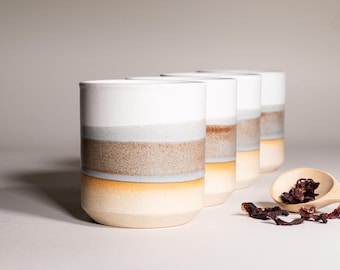
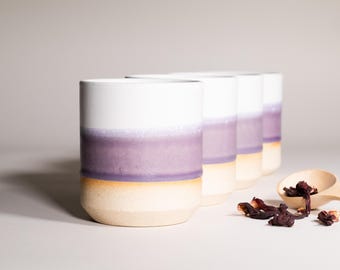
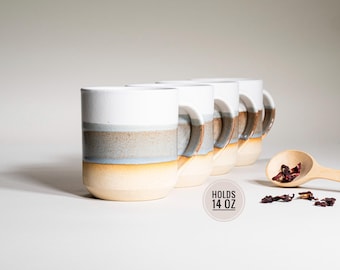
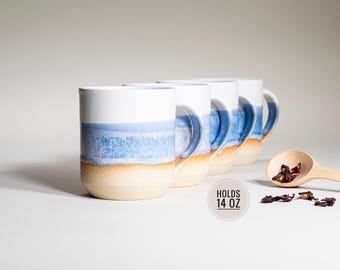
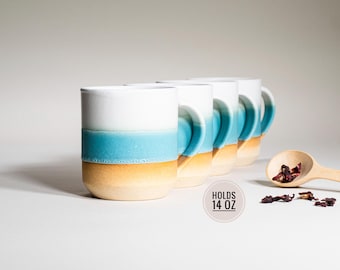
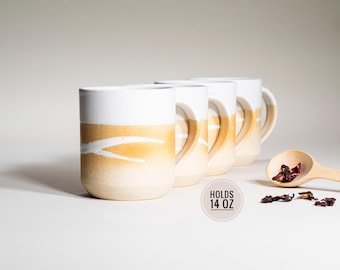
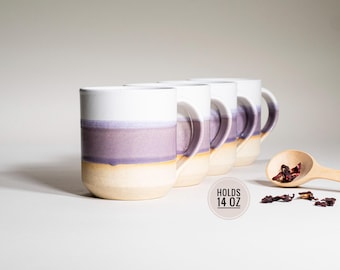
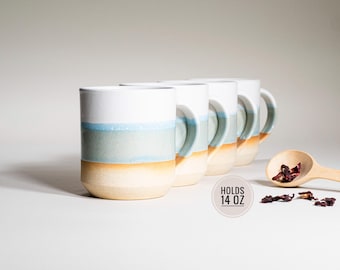
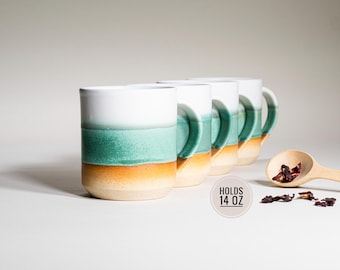
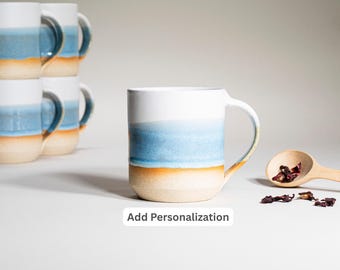
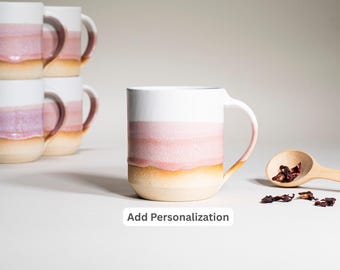
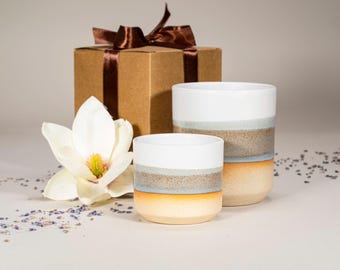
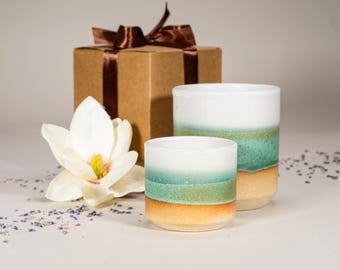
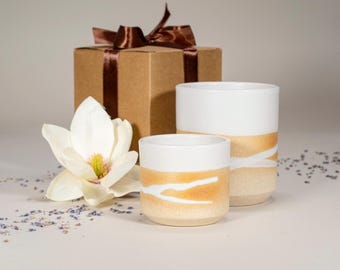
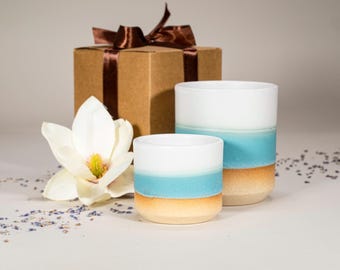
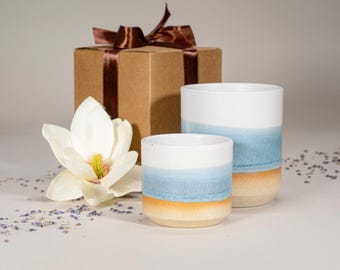
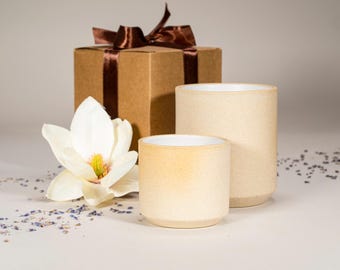
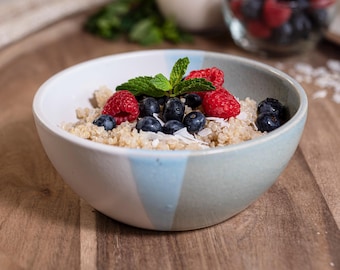
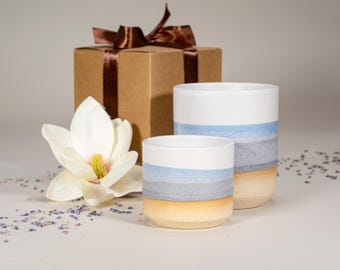
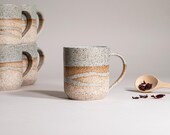
Fundé Spinware en 2019 e incorporé mi pasión por la naturaleza eligiendo colores de esmalte de una paleta natural, dejando algunas superficies de arcilla expuestas para permitir una conexión más profunda entre el usuario y la arcilla. Encontré la cerámica extremadamente pacífica y terapéutica, y en 2023, cuando mi negocio generaba suficientes ingresos para mantenerme, dejé el dinámico sector de la consultoría ambiental.
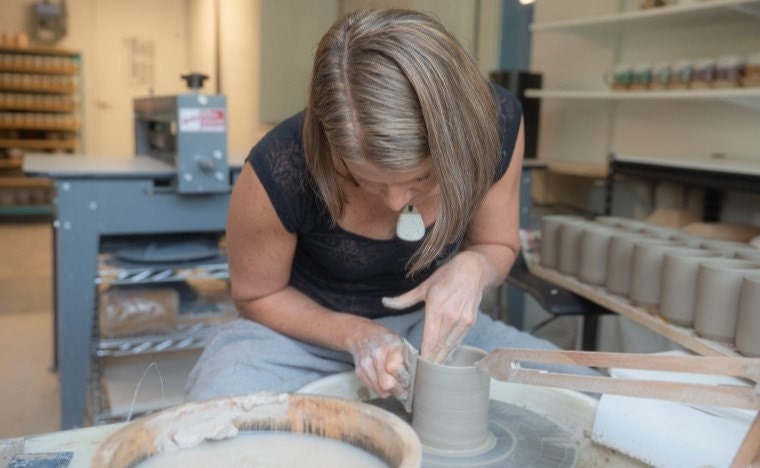
La belleza de la cerámica reside en que te obliga a tomarte tu tiempo y a relajarte del ritmo de vida actual. No solo hay que seguir varios pasos (por ejemplo, preparar la arcilla, fabricar las piezas, recortar el exceso de arcilla, colocar las asas, secar las piezas en condiciones controladas, cocer el bizcocho, esmaltar, volver a cocer y pulir la cerámica), sino que, además, el proceso no puede acelerarse sin afectar negativamente tu trabajo.
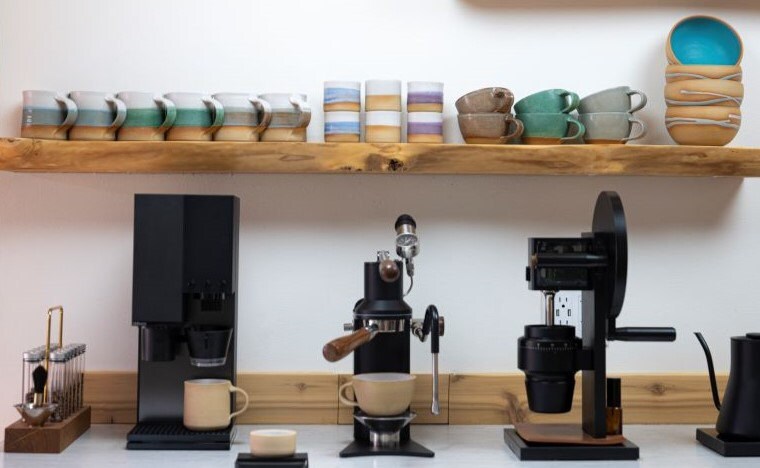
Al diseñar cerámica, mi objetivo es personalizar el producto para que se adapte a las necesidades del cliente. Por ejemplo, la mayoría de mis clientes buscan tazas de 355 ml a 375 ml (12 a 14 oz), pero también tengo un segmento pequeño, pero creciente, de clientes que se identifican como amantes del café de especialidad y que compran principalmente tazas de 225 ml a 285 ml (8 a 10 oz).
Dicho esto, mantener la consistencia del producto es un desafío. La arcilla se encoge entre un 5 % y un 7 % durante cada ciclo de cocción, lo que equivale a una variación de hasta un 14 % en el tamaño final. Esto varía según la cantidad de agua que contenga la arcilla después de mezclarla y la temperatura final en el horno durante cada cocción. Además, las piezas son artesanales, así que, aunque tengo medidas establecidas que sigo para cada producto, es muy fácil desviarse y hacer una pieza 3 mm más pequeña o más grande.
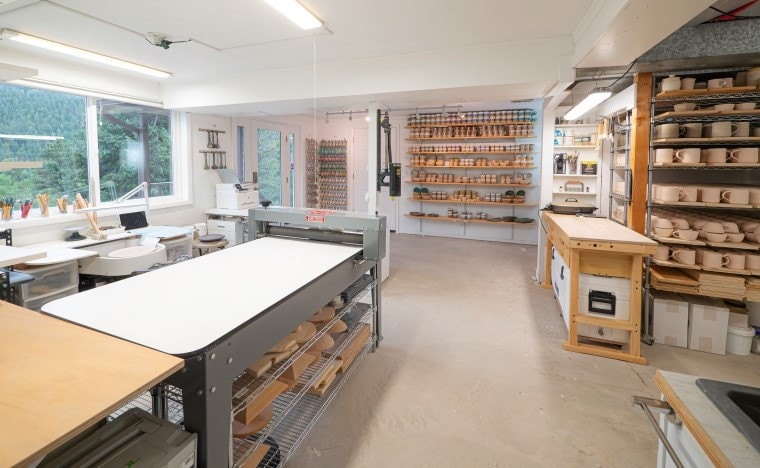
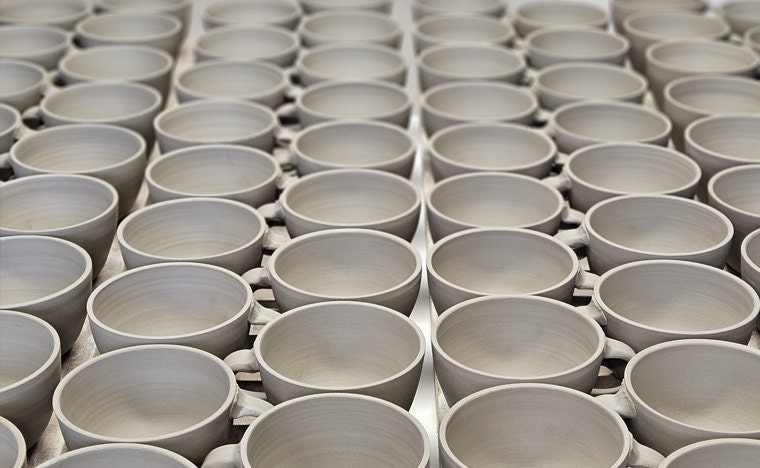
Otro reto de la cerámica artesanal es mantener el inventario. Completar una pieza de principio a fin toma un promedio de tres semanas. Los primeros diez días suelen dedicarse a la elaboración de la pieza, recortando el exceso de arcilla, añadiendo asas, esponjando y dejando secar lentamente. Después, las piezas se cuecen en bizcocho, se esmaltan y se vuelven a hornear. Cada cocción toma aproximadamente tres días de principio a fin. Mantener el inventario requiere una planificación cuidadosa y un seguimiento preciso de las piezas producidas en las distintas etapas.
Como me gusta incorporar superficies de arcilla expuestas en mi cerámica, lijo y pulo cada pieza a mano con una tela de esmeril y aceite de coco orgánico. Deja una sensación muy suave y aterciopelada, agradable al tacto, creando una conexión íntima entre la pieza y el usuario. Este proceso de pulido requiere mucho tiempo, lo que podría explicar por qué algunos ceramistas prefieren esmaltar toda la pieza, y quienes dejan algo de arcilla expuesta no suelen esforzarse por suavizar la superficie.
Quiero que mis cerámicas te sirvan bien y te impacten cada vez que las uses. Quiero que sientas la suavidad de la arcilla, te inspires con la belleza de los colores naturales, aprecies la huella única de la cocción en cada pieza y desarrolles un apego personal a cada una. Al fin y al cabo, no son solo objetos. Son producto de mi corazón, alma y tiempo.
¡Sígueme en las redes sociales donde comparto fotos de productos en proceso, lanzamientos de nuevos productos y ofertas exclusivas solo para ti!
★ www.facebook.com/spinware.studio
★ www.instagram.com/spinware.studio
¿Tienes alguna pregunta? Estoy aquí para ayudarte.
Texto: 303-900-3498
Correo electrónico: production@spinware.studio
My passion for ceramics started in my childhood, when I was walking the streets of Prague’s Old Town with my grandfather, visiting local artists and their studios. I was mesmerized by how a set of skillful hands can transform a piece of clay into something that was functional and beautiful at the same.
As years passed, I stayed attracted to ceramics but found myself more driven to nature which led me to earning a Ph.D. in applied and landscape ecology. I spent over 20 years working in environmental consulting specializing in protecting native habitats, threatened and endangered species, and exploring ceramics in my free time. It started slowly by watching educational videos, attending various workshops, and making ceramics for myself, friends, and family on the weekends.
In 2016, I had completed an apprenticeship with a master production potter, Bill van Gilder, and learned skills on how to make ceramics at high volume, as identical as possible, yet leaving room for a footprint of the handmade process.
At that same time, I was beginning to face multiple health issues, including being diagnosed with cancer. I realized that I needed to start focusing on my well-being and remove unnecessary stress level from my life -- mostly of which was coming from a demanding corporate job.
I established Spinware in 2019 and incorporated my passion for nature by choosing glaze colors from a natural palette while leaving some clay surfaces exposed to allow for a deeper connection between the user and the clay. I found making ceramics extremely peaceful and therapeutic, and in 2023 when my business was generating enough income to support my living, I left the high pace environmental consulting industry.
The beauty of making ceramics is that it forces you to take time and slow down the nowadays high-paced lifestyle. Not only are there multiple steps to take (e.g., prepare clay, make pieces, trim excessive clay, attached handles, dry the pieces in controlled conditions, bisque fire, glaze, fire again, and polish the ceramics) but also, the process cannot be rushed without negatively impacting your work.
When designing ceramics, my goal is to customize the product to be well-suited to the needs of the customer. For example, 12-14 oz mugs are what most of my customers are looking for, but I also have a small but growing segment of customers that identify as specialty coffee enthusiasts, and they are shopping primarily for 8-10 oz mugs.
That said, maintaining product consistency is a challenge. Clay shrinks anywhere between 5 to 7 percent during each firing cycle, which equates up to 14 percent variation in the final size. This varies based on how much water the clay contains after it was mixed and what the final temperature in the kiln was during each firing. On the top of that, the pieces are handmade, so even though I have established measurements I follow for each product, it is very easy to deviate and make a piece 1/8 of inch smaller or larger.
Another challenge with handmade ceramics is to maintain the inventory. It takes on average about 3 weeks to complete a single piece from start to finish. The first ten days are usually dedicated to making the item, trimming the excessive clay, adding handles, sponging, and letting them slowly dry. Then, the pieces get bisque fired, glazed, and fired again. Each firing takes about 3 days from start to finish. To maintain the inventory, it requires careful planning and accurate tracking of produced pieces at the various stages.
Because I like to incorporate exposed clay surfaces into my ceramics, I sand and polish each piece by hand with an emery cloth and organic coconut oil. It leaves a very smooth and velvety feel, making it a pleasure to hold, providing a close connection between you and the piece. This polishing process is very time-consuming, which might explain why some ceramicists prefer to glaze the whole piece, and those that leave some clay exposed, often do not put in the extra effort to soften the surface.
I want my ceramics to serve you well and impact how you feel every time you reach for and use them. I want you to feel the softness of the clay, be inspired by the beauty of the natural colors, appreciate the unique footprint of the firing in each piece, and develop a personal attachment to each piece. Afterall, they are not just objects. They are a product of my heart, soul, and time.
Follow me on social media where I share photos of products in progress, new product launches, and exclusive offers just for you!
★ https://www.facebook.com/spinware.studio
★ https://www.instagram.com/spinware.studio
Have a question? I am here to help.
Text: 303-900-3498
Email: production [!at] spinware.studio