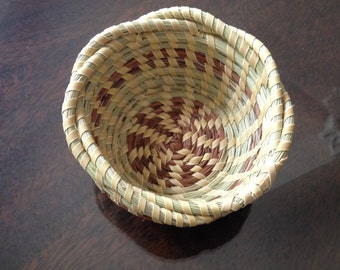
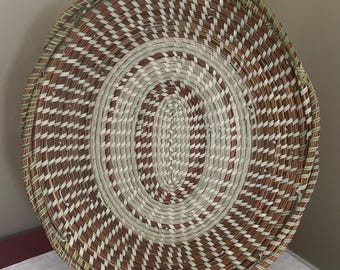
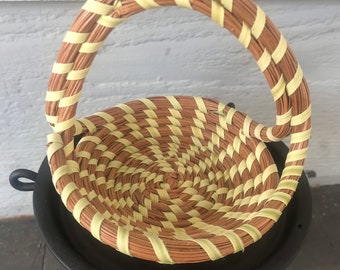
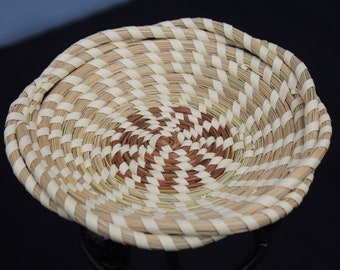
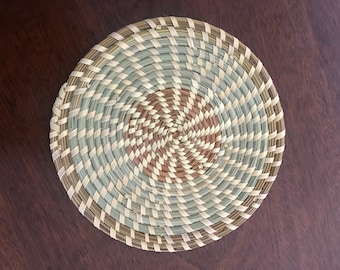
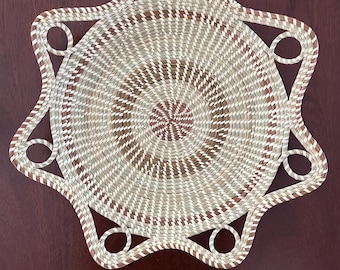
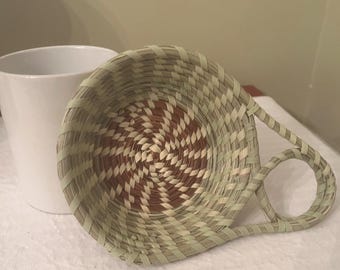



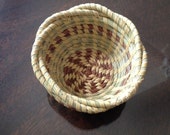
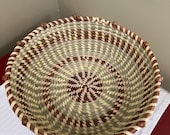

Charleston Sweetgrass Baskets - SweetgrassByDesign.
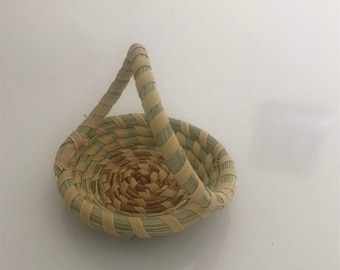
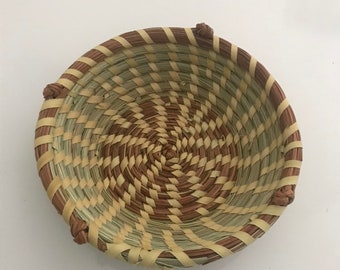
Weaving baskets allowed me to earn money as a pre-teen; I, along with friends from the neighborhood, would sell them on Fridays to a gentleman named Mr. Bennett (no relation). Now I find basket weaving to be relaxing. I get home from work, settle in, watch television - gardening and home shows on HGTV - and sew. I enjoy making smaller baskets; I may begin with a style in mind, and as I sew, I make changes befitting the basket bottom.
Sweetgrass basket making, an African art form, has been a part of my community for over 300 years and I am proud to continue the legacy. I was introduced to weaving baskets by my mother over 50 years ago. The art form is typically passed down from one generation to the next; unfortunately, many of the younger generations are not interested in learning the art form and we are seeing fewer and fewer basket weavers.
I hope you've enjoyed visiting SweetgrassByDesign. Please email me with any questions you may have about the baskets displayed here.
Thank you!
~~~
History of the Gullah Weavers:
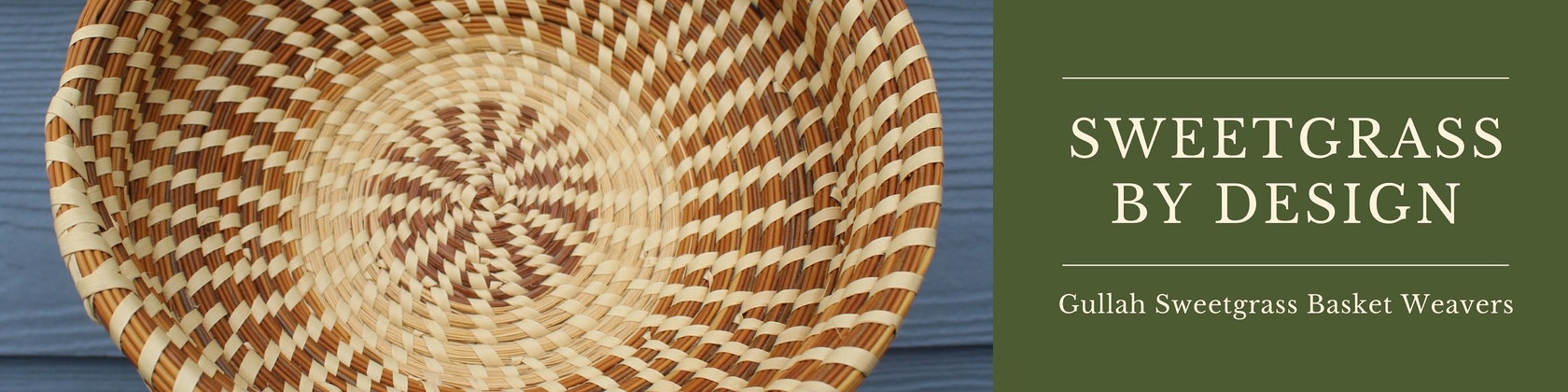
This heirloom piece is woven in the distinct sweetgrass weaving style of the Gullah community in South Carolina which is rooted in West African craft tradition. This basket weaving tradition dates back to the 1700s and is considered to be the oldest African craft tradition in the United States, but it remains largely invisible within the national craft landscape.
Over the last 10 generations, the Gullah weavers have carried on the craft traditions that were native to their African homelands to create baskets featuring exquisite patterns and intricate weaves, preserving traditional styles such as those once used to winnow rice. They use a combination of locally harvested sweetgrass, pine needles, bulrush, and palmetto to weave their unique pieces. Each weaver prides themselves on being intuitive weavers, each having their own unique and signature weaving styles, meaning no two baskets are ever alike. Their craft tradition is embedded into the cultural and physical landscape of this community which continues to reside in the Lowcountry of South Carolina and the nearby barrier islands.
