
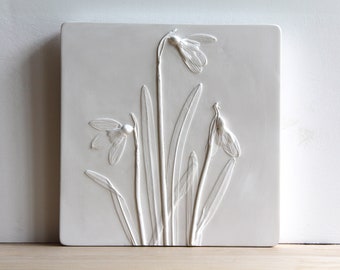
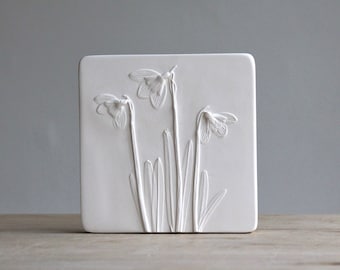
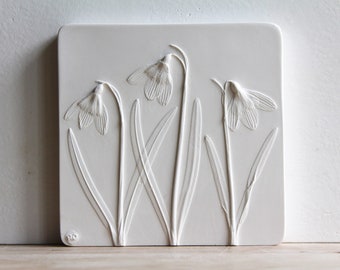
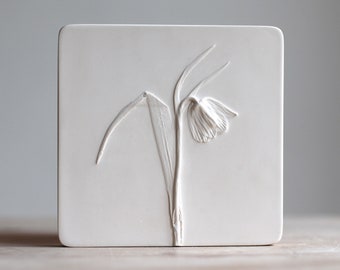
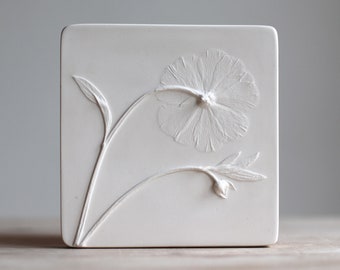
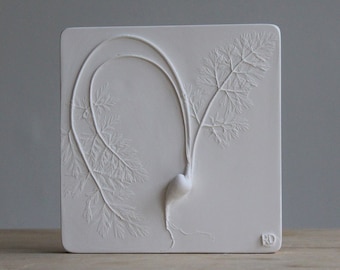
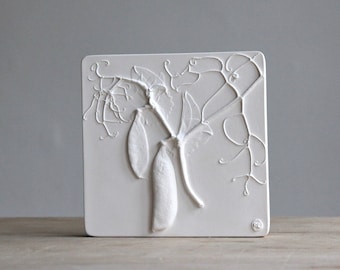
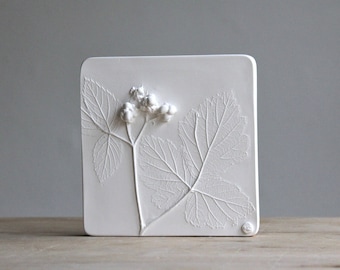
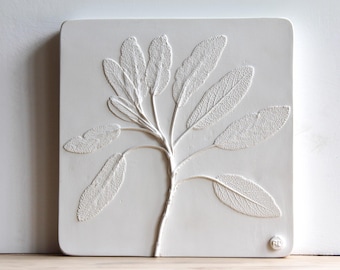
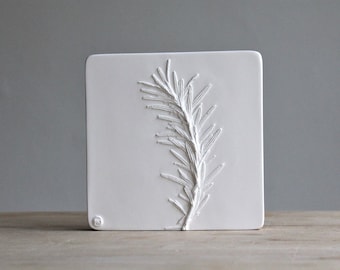
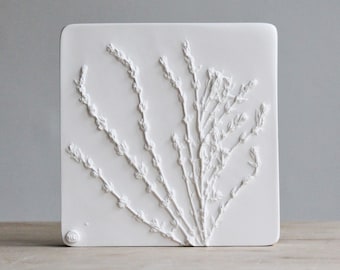
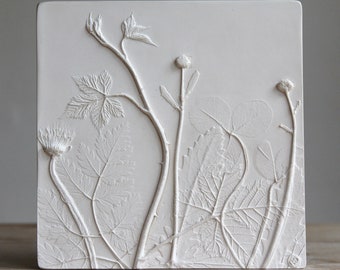
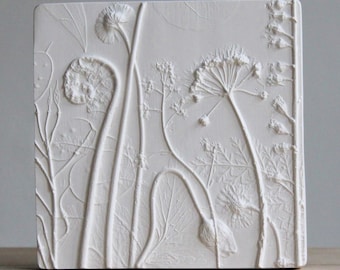
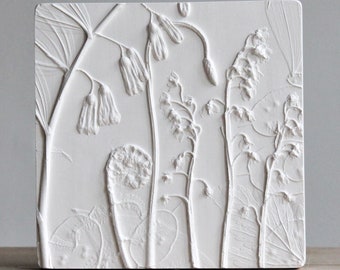
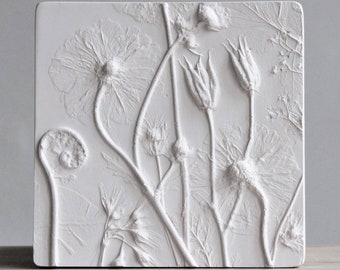
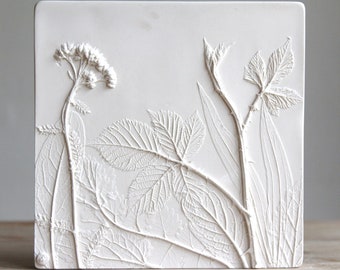
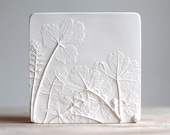
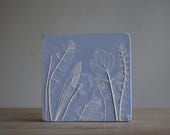
"Disfruto de la magia de la fundición de yeso para crear fósiles de la vida cotidiana, ya sea una concha encontrada en vacaciones o el encaje de tu abuela.
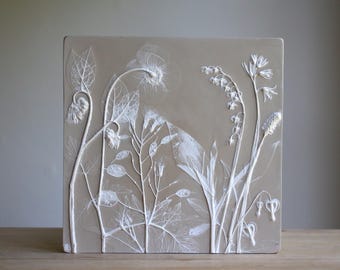
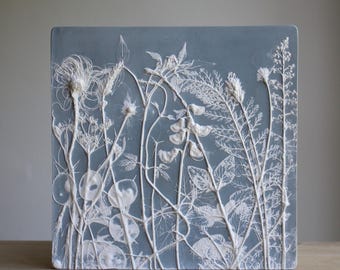
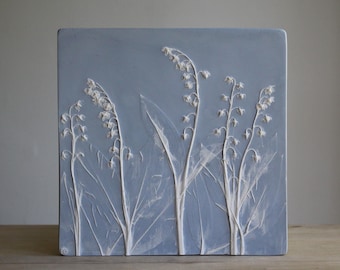
“I enjoy the magic of plaster casting to create fossils from everyday life — whether it’s a shell found on holiday or your grandmother's lace.
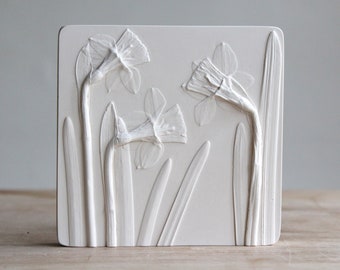
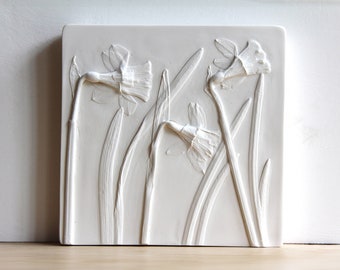
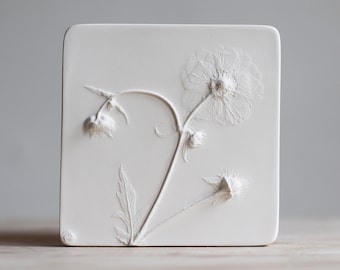
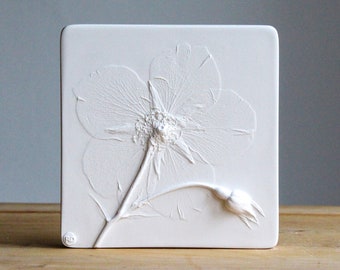
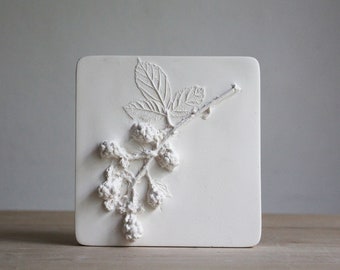
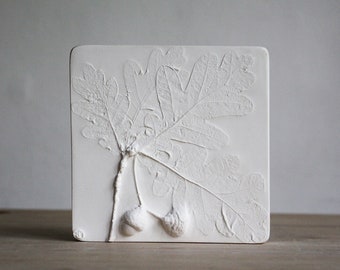
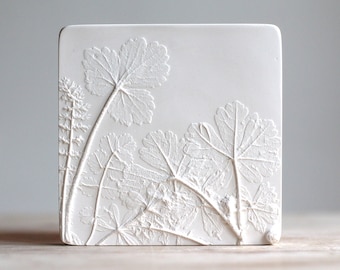
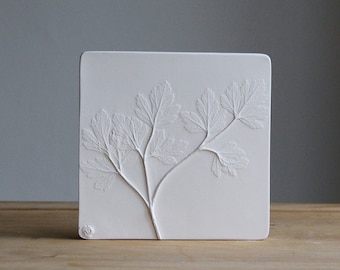
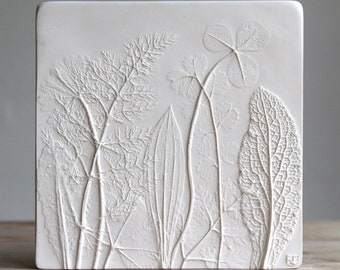
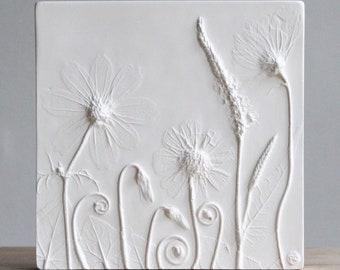
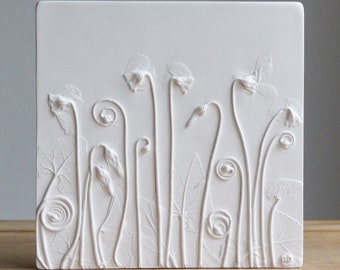
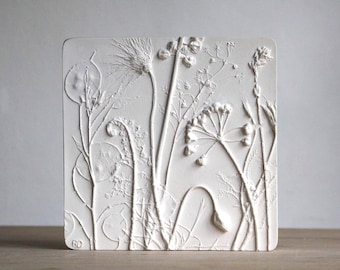
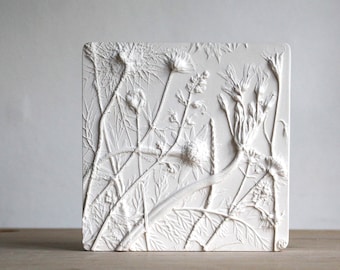
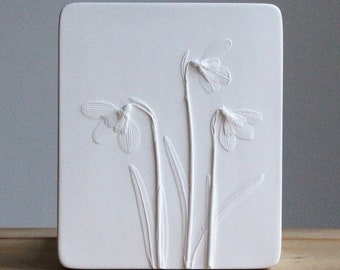
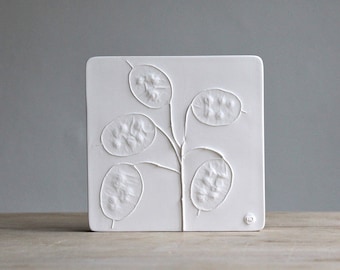
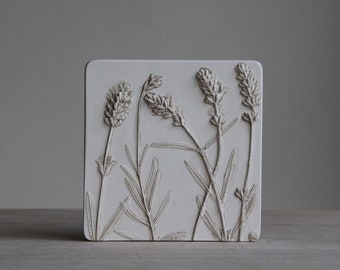
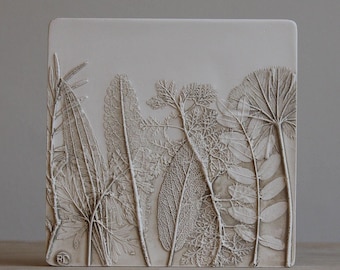
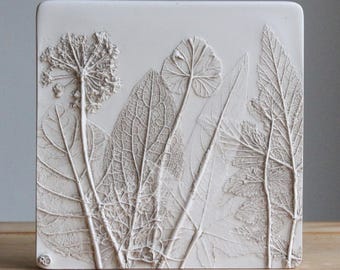
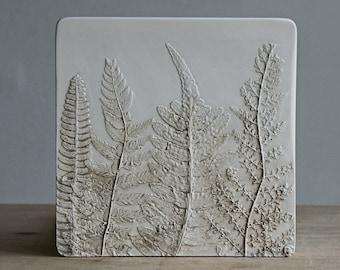
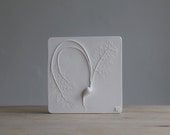
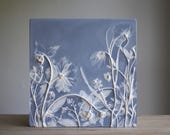
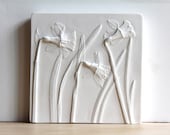
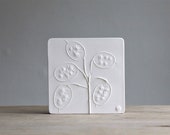
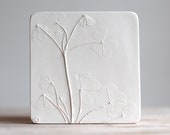
El método de fundición de yeso de Rachel Dein captura objetos cotidianos de una manera única y delicada. Ella hace impresiones en arcilla húmeda y luego vierte yeso directamente sobre ella. La arcilla captura los detalles más intrincados, coloreando sutilmente el yeso a medida que se establece. Cada molde de arcilla solo se puede usar una vez, lo que hace que cada pieza sea única. Los moldes se terminan y refinan a mano, algunos moldes se pintan.
Rachel estudió Bellas Artes en la Universidad de Middlesex, seguido de un aprendizaje de utilería en la English National Opera.
Ha trabajado como atrezzo para...
La Royal Opera House
Ópera Nacional Inglesa
El Teatro Globe
Teatros del West End
Museo del Transporte de Londres
Ventanas navideñas selfridges
Rothschild Villa, Corfú
Artista Gavin Turk
Exhibiciones
La Galería del Cuarto Oscuro de Cambridge
Galería Ben Uri
Raymond's Revue Bar
Cámaras de San Pancras
Galería Garden Suburb
"A veces, las grabaciones literales de la vida son las más elegantes y honestas de todas las representaciones... lo que no quiere decir que el arte y el oficio del embellecimiento sean inferiores (o peor, irrelevantes) porque no lo son. Es por eso que los moldes mínimos de yeso de objetos mundanos de Rachel Dein son tan encantadores. Vestidos, hierbas, flores, todo reflejado en relieve, adquieren una preciosidad que se encuentra en los viejos lockets, sosteniendo fotos en tono sepia o mechones de cabello. Estos artículos no son espectaculares de ninguna manera, pero son significativos. Y es decir, por cierto, es algo que simplemente no puedes falsificar". Life Cast', Furniturea, octubre de 2012
"Hace aproximadamente un año había estado en Moyses Stevens, la elegante floristería de larga data que recientemente había abierto una sucursal en la parte inferior de nuestro camino. Quería comprar el mismo tipo de flores que había tenido en mi ramo de novia 10 años antes.
En el mostrador le dije al gerente que era un artista, y planeé lanzar las flores. Ella estaba intrigada, y me preguntó si podía entrar una vez que hubiera hecho el azulejo, para mostrarle a su gerente senior. Una vez completado, volví con el azulejo y mencioné que me encantaría poder lanzar los ramos para las novias. Ambos dijeron que había habido muchas veces en que las futuras novias habían preguntado sobre la preservación de su ramo de novia. Desde entonces, en gran parte a través del boca a boca, me han encargado hacer azulejos de flores de boda.
Cuando estaba en la universidad de arte me encontré con esta forma muy básica de reproducción (fundición) al hacer una clase de soplado de vidrio. Nos dijeron que presionáramos las formas en la arena húmeda en la que luego vertimos el vidrio fundido. Regresé a nuestro estudio universitario y comencé a experimentar con presionar cosas en arcilla y luego verter yeso sobre la arcilla para hacer piezas de escultura. Me sorprendió y fascinó el detalle logrado, pero la simplicidad del proceso. Después de la universidad, alquilé un espacio en Spitalfields Market durante unos meses para continuar haciendo obras de arte, y luego tuve la suerte de obtener un aprendizaje de fabricación de accesorios en la English National Opera. Este fue el comienzo de mi carrera de utilería, que me encantó, y desarrolló mis conocimientos de fundición, fabricación de moldes y otras técnicas.
Cuando mi hijo menor comenzó la escuela, después de haber convertido nuestro loft en el norte de Londres en un estudio, comencé a hacer pequeños azulejos desde casa y establecí Tactile Studio. La iglesia local hizo un llamado para que las personas creativas en el área muestren su trabajo. Una galería vio mis azulejos allí, y me invitó a exponer con ellos. Ese verano había tomado un puesto en el Dandy Lion Market de Londres, donde conocí a una señora que compró un pequeño azulejo. Me encargó que hiciera cuatro azulejos grandes con las cosas favoritas que ella, su esposo y sus hijos habían elegido.
Desde entonces, he trabajado en varios encargos, y he estado haciendo nuevas piezas, experimentando con diferentes composiciones de plantas y flores, y diferentes combinaciones de yeso y hormigón".
Rachel Dein, 2013
Rachel Dein’s method of plaster casting captures everyday objects in a unique and delicate way. She makes impressions in wet clay, and then pours plaster directly over it. The clay captures the most intricate details, subtly colouring the plaster as it sets. Each clay mould can only be used once, making every piece unique. Casts are then finished and refined by hand, some casts are then painted.
Rachel studied Fine Art at Middlesex University, followed by a propmaking apprenticeship at the English National Opera.
She has worked as a propmaker for…
The Royal Opera House
English National Opera
The Globe Theatre
West End Theatres
London Transport Museum
Selfridges Christmas windows
Rothschild Villa, Corfu
Artist Gavin Turk
Exhibitions
The Cambridge Darkroom Gallery
Ben Uri Gallery
Raymond’s Revue Bar
St Pancras Chambers
Garden Suburb Gallery
“Sometimes literal recordings of life are the most elegant and honest of all depictions….which is not to say that the art and craft of embellishment is inferior (or worse, irrelevant) because it’s not. It’s why Rachel Dein’s minimal plaster casts of mundane objects are so charming. Dresses, grasses, flowers – all reflected in relief – take on a preciousness found in old lockets, holding sepia toned photos or locks of hair. These items are not spectacular by any means, but are meaningful. And meaning, by the way is something you simply can’t fake.” ‘Life Cast’, Furniturea, October 2012
“About a year ago I had been in to Moyses Stevens, the very elegant long-established flower shop that had recently opened a branch at the bottom of our road. I wanted to buy the same type of flowers that I’d had in my wedding bouquet 10 years earlier.
At the counter I told the manager that I was an artist, and I planned to cast the flowers. She was intrigued, and asked if I could come in once I’d made the tile, to show her senior manager. Once completed, I went back with the tile, and mentioned that I’d love to be able to cast the bouquets for brides. They both said there had been many times when brides-to-be had asked about preserving their wedding bouquet. Since then, largely through word of mouth, I’ve been commissioned to make wedding flower tiles.
When I was at art college I came across this very basic form of reproduction (casting) when doing a class in glass blowing. We were told to press shapes into wet sand into which we then poured the molten glass. I went back to our college studio and started experimenting with pressing things into clay and then pouring plaster onto the clay to make pieces of sculpture. I was amazed and fascinated at the detail achieved yet the simplicity of the process. After college I rented a space in Spitalfields Market for a few months to carry on making artwork, and then I was lucky enough to get a prop making apprenticeship at the English National Opera. This was the beginning of my prop making career, which I loved, and it developed my knowledge of casting, mould making and other techniques.
When my youngest child started school, having turned our loft in North London into a studio, I began to make small tiles from home and established Tactile Studio. The local church put a call out for creative people in the area to show their work. A gallery saw my tiles there, and invited me to exhibit with them. That Summer I’d taken a stall at London’s Dandy Lion Market where I met a lady who bought a small tile. She commissioned me to make four large tiles using the favourite things that she and her husband and their children had chosen.
Since then, I’ve worked to various commissions, and I’ve been making new pieces, experimenting with different compositions of plants and flowers, and different combinations of plaster and concrete.”
Rachel Dein, 2013