Hilandero, Agricultor, Jabonero
Spinner, Farmer, Soapmaker
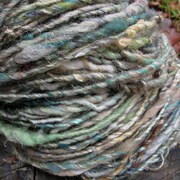
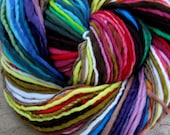
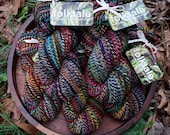
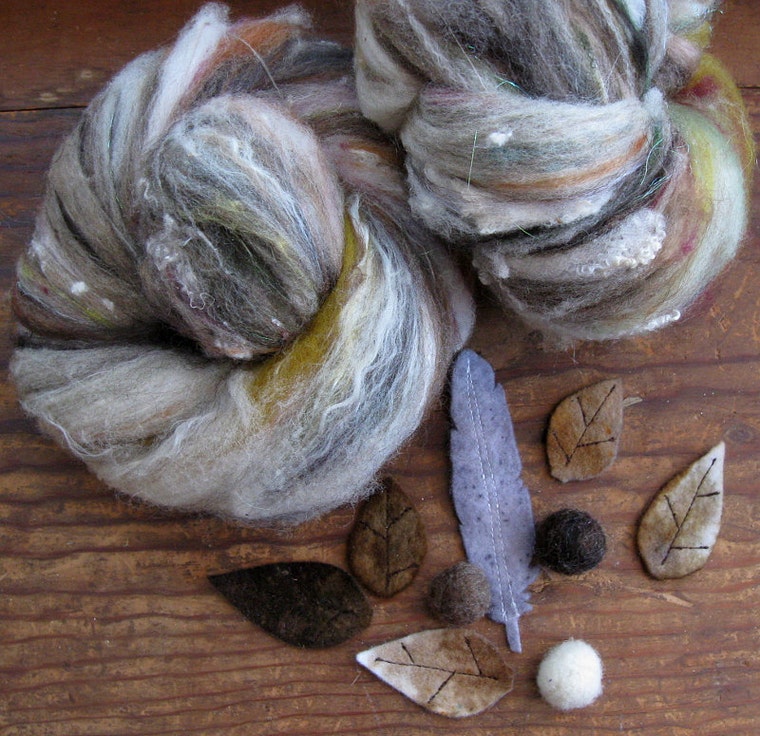
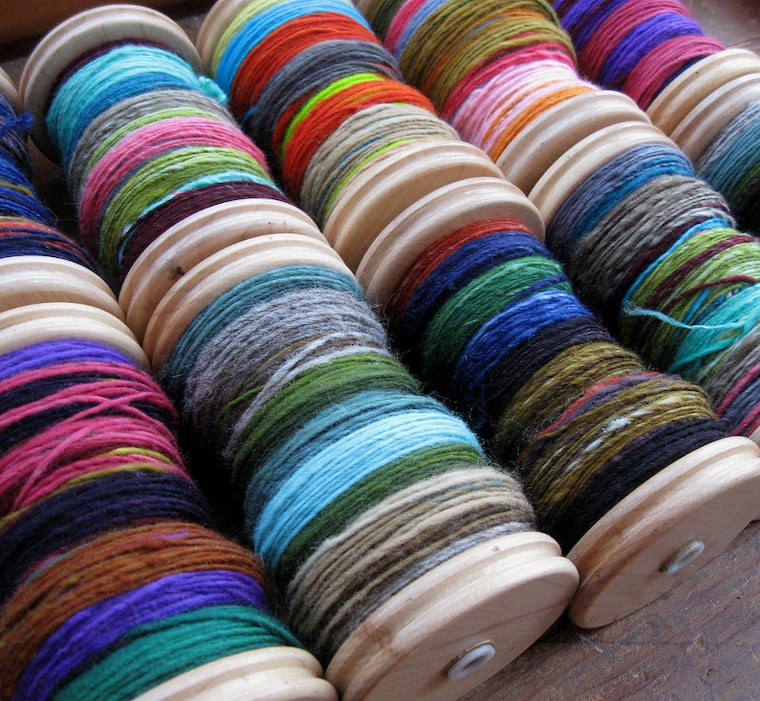
Me ha encantado trabajar con fibra durante la mayor parte de mi vida. Aprendí a hacer ganchillo y coser a una edad temprana, y más tarde aprendí a tejer y luego a girar tanto en un husillo de gota como en una rueda. Ahora tengo 10 años de experiencia en spinning en mi haber. Desde que comencé como tejedora y ganchillo, diseño mis hilos con la practicidad en mente: incluso mis hilos de arte más locos son resistentes y están destinados a ser utilizados. Me encanta procesar mi propia fibra a partir de lana cruda, y siempre me sorprende la transformación a veces mágica de fibra a hilo. Me interesé cada vez más en los animales que cultivan mis fibras y ahora tengo una pequeña granja con algunas cabras de fibra en miniatura (pygoras) y estoy pensando en agregar algunas ovejas en miniatura pronto. Mis cabras lecheras en miniatura producen la leche utilizada en mis jabones de leche de cabra.
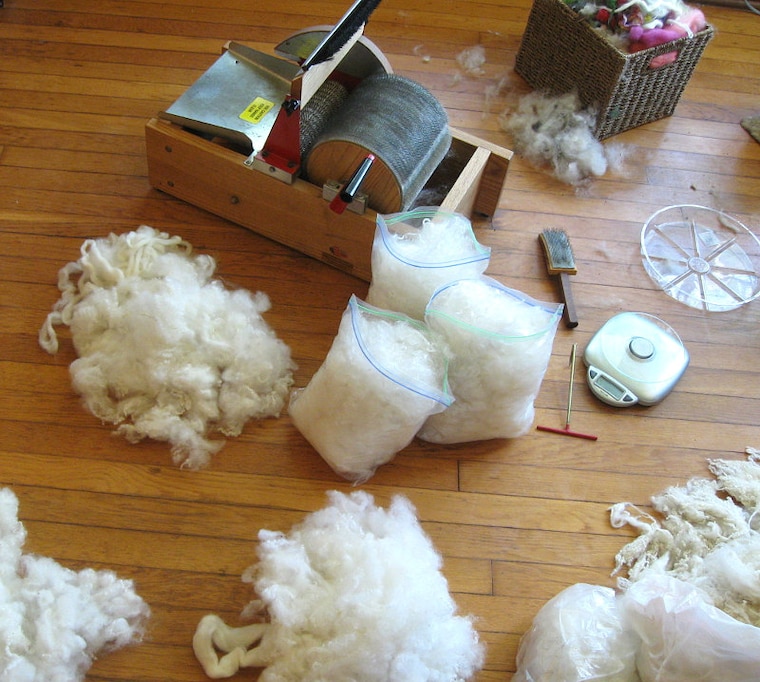
Soy muy consciente de las fibras que utilizo en mis hilos. Es importante para mí saber exactamente de dónde viene todo, qué se utilizó para fabricarlo y procesarlo, y cómo se trató a los animales. Actualmente evito la mayoría de la seda (a excepción de los hilos de seda sari reciclados y la seda de extremo de molino / reciclada / subproducto), cachemira y angora (a excepción de las versiones recicladas de estas fibras o angora producidas por propietarios locales de conejitos) y la mayoría de la lana procesada comercialmente. Trato de comprar tanta lana de pequeñas granjas locales como sea posible, y tengo la suerte de vivir en un área con una gran variedad de granjas de ovejas, incluidas algunas razas raras. Me gusta apoyar a las pequeñas empresas locales, y cuando compro directamente a los agricultores, obtienen un precio mucho más justo por su lana que si la vendieran a la piscina de lana local. Además, me permite controlar exactamente lo que entra en mi fibra y mantener todo el proceso ecológico: la mayor parte de la lana y el mohair que uso en mis hilos los obtengo crudos, directamente del animal, y lo lavo, lo tiño y lo cardo yo mismo. Nuestra granja tiene un tanque séptico, por lo que me aseguro de que no se descurran tintes o residuos por el desagüe: todos mis tintes son de bajo impacto, el agua del tinte se agota y se reutiliza, y uso jabón biodegradable para lavar los vellones para que el agua de lavado se pueda verter afuera.
Mi tapa de lana cruzada de Malvinas / merino procesada proviene de la granja DHF en las islas Malvinas. No usan herbicidas, pesticidas, inmersiones, baños de pies o inyecciones regulares en sus ovejas, ni lejía ni otros productos químicos en el procesamiento de la lana, por lo que es, según ellos, una de las lanas más puras y limpias que encontrará en el planeta. También es extremadamente suave y fino, con la nobleza del merino pero una longitud de grapa más larga, por lo que el hilo es más fuerte y no se inyecta tan fácilmente.
También uso fibras de extremo de molino, que son sobras de grandes hilanderías. Terminan con muchas fibras de "desperdicio" que no llegan hasta el final del proceso de cardado e hilado que de otro modo se desecharían si no las vendieran a los lanzadores manuales. También hay algunos tipos de fibra que son un subproducto de la fabricación de otras cosas, como el noil de seda tussah y los hilos de seda sari reciclados. Las fibras son de alta calidad, solo que tienden a tomar más tiempo de preparación, ya que a menudo necesitan ser clasificadas y re-cardadas. Cualquier fibra etiquetada como "reciclada" en mis hilos, como lana BFL reciclada o rayón de bambú reciclado, es probablemente una fibra de extremo de molino.
Solía hilar muchas fibras veganas, principalmente algodón orgánico, pero he dejado de mudarme a la granja porque los tintes reactivos de fibra necesarios para teñir las fibras vegetales producen demasiadas aguas residuales y escorrentía de tinte, incluso los tintes profesionales más agradables. He experimentado con otros tintes, pero no he encontrado ninguno que sea lo suficientemente permanente y resistente al color como para sentirme cómodo vendiendo fibra teñida con ellos.
¡Mi hilo está en un libro! "Knit One, Embellish Too: Hats, Mittens, and Scarves With a Twist" por Cosette Cornelius-Bates (también conocido como cosyknitsliterally.etsy.com). Echa un vistazo a las páginas 88 y 100 para ver un patrón de capó dulce y algunos guantes de rayas encantadores tejidos con mi hilo de mano.
I've loved working with fiber for most of my life. I learned to crochet and sew at a young age, and later on I taught myself how to knit and then to spin on both a drop spindle and wheel. I now have 10 years of spinning experience under my belt. Since I started out as a knitter and crocheter, I design my yarns with practicality in mind - even my craziest art yarns are sturdy and meant to be used. I love to process my own fiber from raw wool, and am always amazed by the sometimes magical transformation from fiber to yarn. I became more and more interested in the animals that grow my fibers and I now own a small farm with a few miniature fiber goats (pygoras) and am thinking of adding some miniature sheep soon. My miniature dairy goats produce the milk used in my goats milk soaps.
I am very conscious about the fibers I use in my yarns. It's important to me to know exactly where everything comes from, what went into making and processing it, and how the animals were treated. I currently avoid most silk (except for recycled sari silk threads and mill end/recycled/byproduct silk), cashmere and angora (except for recycled versions of these fibers or angora produced by local bunny owners) and most commercially processed wool. I try to buy as much wool from small local farms as possible, and I am lucky to live in an area with a huge variety of sheep farms, including some rare breeds. I like supporting small local businesses, and when I buy directly from the farmers, they get a much fairer price for their wool than if they sold it to the local wool pool. Plus it allows me to control exactly what goes into my fiber and keep the entire process eco-friendly - most of the wool and mohair that I use in my yarns I get raw, right off the animal, and I wash, dye, and card it myself. Our farmhouse has a septic tank, so I make extra sure that no dyes or residues go down the drain - all my dyes are low-impact, the dye water is exhausted and re-used, and I use biodegradable soap for washing fleeces so the wash water can be dumped outside.
My processed Falkland/merino cross wool top comes from the DHF farm in the Falkland islands. They don't use any herbicides, pesticides, dips, footbaths or regular injections on their sheep, and no bleach or other chemicals in the processing of the wool - so it is, according to them, some of the purest, cleanest wool you will find on the planet. It's also extremely soft and fine, with the loftiness of merino but a longer staple length so the yarn is stronger and doesn't pill as easily.
I also use mill end fibers, which are leftovers from large spinning mills. They end up with lots of 'waste' fibers that don't make it all the way through the carding & spinning process that would otherwise be thrown out if they didn't sell them to handspinners. There are also some types of fiber that are a by-product of making other things, like tussah silk noil and recycled sari silk threads. The fibers are top quality, they just tend to take more prep time as they often need to be sorted and re-carded. Any fiber labeled as "recycled" in my yarns, like recycled BFL wool or recycled bamboo rayon, is probably a mill end fiber.
I used to spin a lot of vegan fibers, mainly organic cotton, but I've stopped since moving to the farm because the fiber reactive dyes needed to dye plant fibers produce far too much waste water and dye runoff, even the nicest professional dyes. I have experimented with other dyes but haven't found any that are permanent and colorfast enough for me to be comfortable selling fiber dyed with them.
My yarn is in a book! "Knit One, Embellish Too: Hats, Mittens, and Scarves With a Twist" by Cosette Cornelius-Bates (aka http://cosyknitsliterally.etsy.com ). Check out pages 88 & 100 for a sweet bonnet pattern and some lovely stripey mittens knit with my handspun yarn.