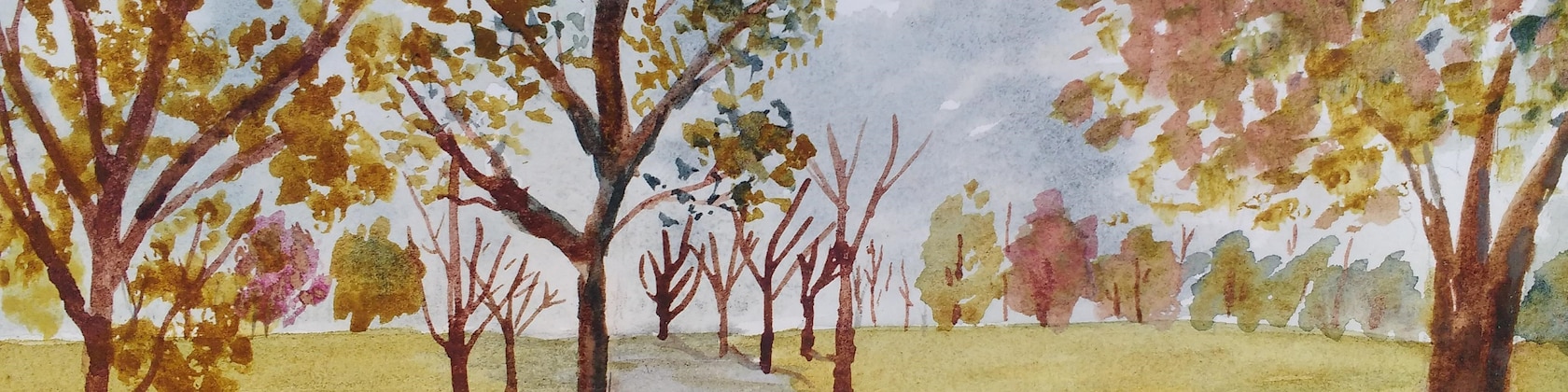

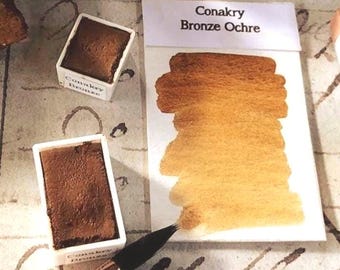
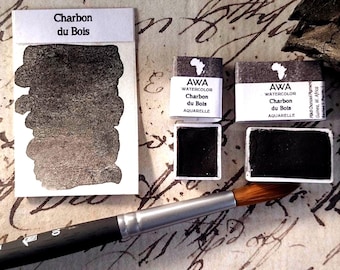
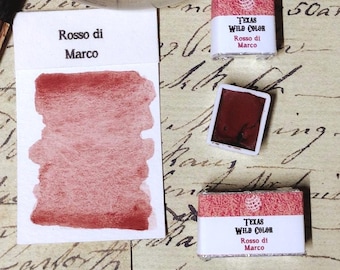
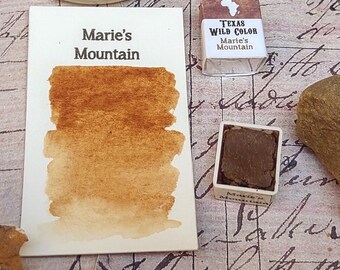
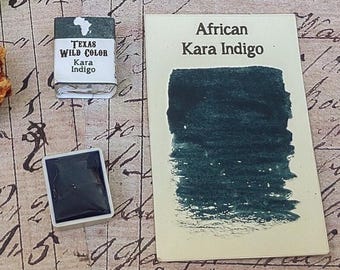
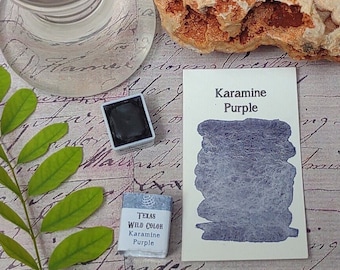
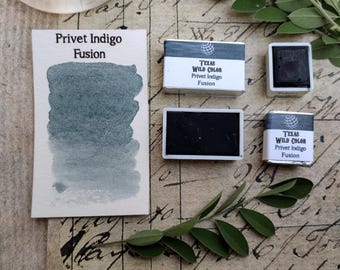
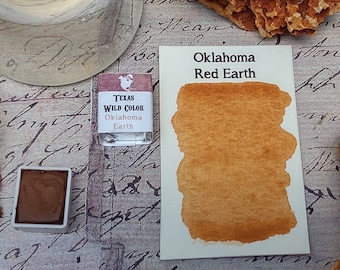
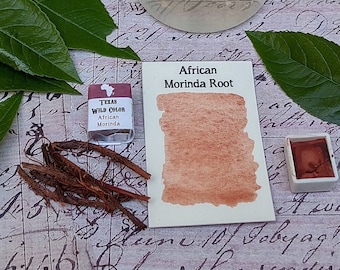
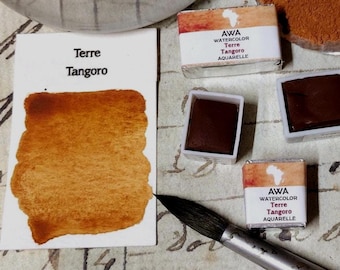
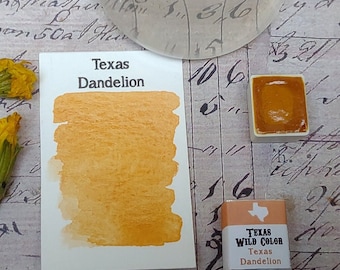

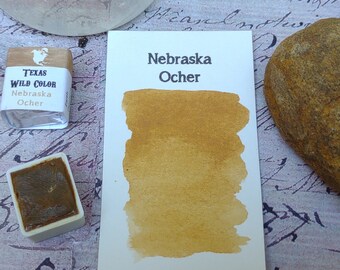
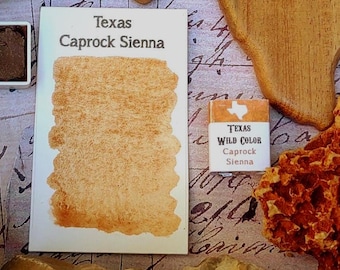
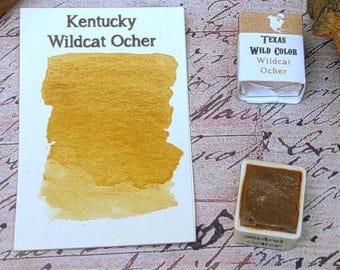
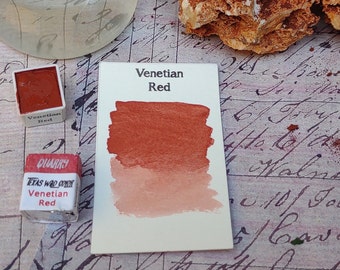


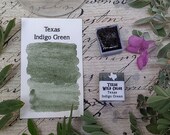


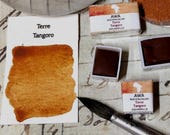

Texas Wild Color wildcrafted pigments and watercolor paints. Quirky pigments from wild sources.
Foraging wild useful plants has been an interest of mine since I was a child. I'm pretty convinced that every living thing the Creator put on this planet has some unique purpose--many of which we have not discovered yet.
When I take a walk in the woods, I see the trees and weeds as having unique personalities--each hiding secrets just beyond our immediate comprehension. I think to myself, "What did the Creator have in mind when he designed this thing? Can you eat the fruit? Has someone discovered a use for the roots? Do those brightly colored berries have some use besides the last resort for birds when there's nothing else eat?"
One of my heroes is George Washington Carver. As a child he would get lost in the woods for hours to study nature, especially the plants. The more I read about this great scientist and creative soul, the more I like him.
Did you know Carver was an artist? When he was still a child, he saw paintings at a wealthier neighbor's house and wanted to try painting, but the Carvers couldn't afford such things. So he started experimenting with flower petals, leaves and berries to make his own paints. He didn't have paper, so he would paint on rocks! Later, as the first African American student at Iowa State University, he attended art classes and began painting his own masterpieces - mostly pictures of the plants he so loved. Many of his paintings can still be seen at the George Washington Carver museum on the campus of the Tuskegee University in Alabama.
As a seasoned scientist and inventor at the Tuskegee Institute, Carver dug his own minerals and experimented with plants to come up with his own pigments too. Carver must have spent a great deal of time out in nature as an adult. He would often wake up very early and pray that "Mr. Creator" would reveal the secrets in a particular plant he was studying and then Carver would proceed to come up with hundreds of uses of that plant.
“I love to think of nature as an unlimited broadcasting station, through which God speaks to us every hour if we will only tune in,” he said while describing his process of discovery and invention.
Our modern technology-based lives often keep us from "tuning in" to the broadcast Carver spoke of. It's not always easy to step away from our offices, music and devices to go out into the wilderness of nature. We need to do it more often though. Carver was right. God is trying to get through to us, if we will stop and listen.
Learning to make beautiful pigments from otherwise weedy plants has been quite a journey for me. I've found that some of the most beautiful colors come from things that we often look down upon as weedy invaders.
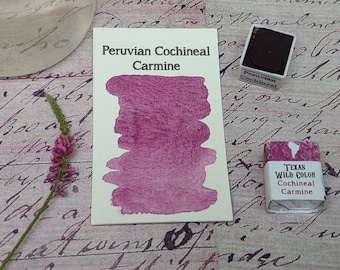
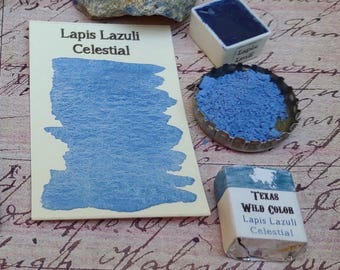
One such invasive species, Chinese privet, yields such beautiful blues and greens when you process it into pigment. Prickly cat brier plants that trip you up in the woods have a black berries that yield a very rich dark purple black pigment. Cochineal insects, a pest of a bug that will destroy a prickly pear cactus, can make a bright red color. A humble and very common plant called Texas Dandelion gives a bright orange.
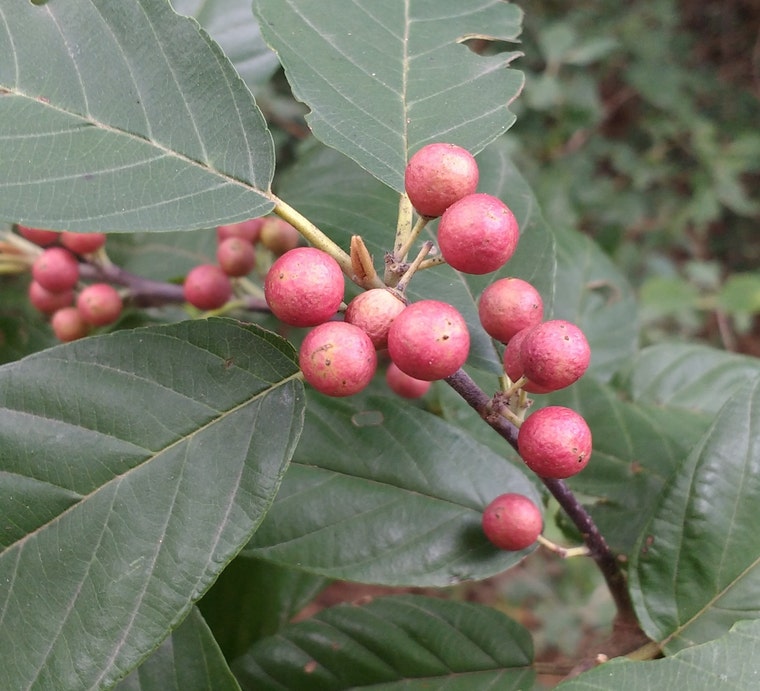
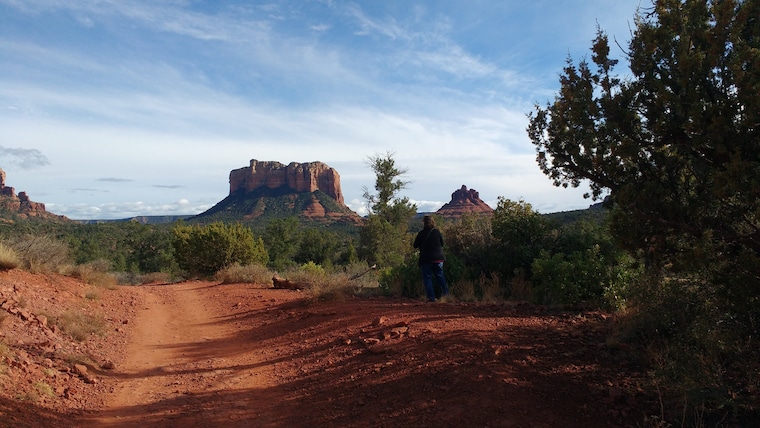
In 2018, when I began to experiment with pigments from nature, I had a dream of developing a whole range of primary and secondary colors to make a useful palette. Could I find things in the wild that could give me a full eight or twelve color palette to paint real pictures? Could I find those things in my own neighborhood? I got really excited when I had found three things within a half mile of my house that made primary colors--privet berries for blue, buckthorn berries for yellow and cochineal bugs for red. From that time on, I just kept discovering more and more colors. I'll never see things the same when I'm on a hike. Even when I travel, I start to see pigments everywhere. Sometimes I have to stop the car and dig up some colorful dirt or pick a bunch of shiny berries.
I hope you are able to try some of my nature crafted watercolor paints. If you do, let me know how your works of art turn out. Maybe take a few pictures and put them on Instagram. Also, maybe you are experimenting with making dyes, inks or pigments from wild plants in your neighborhood. I'd love to hear about your experiments and share my ideas too. It's a fun hobby to get started in.
I've been asked about lightfastness a few times. So, I have been conducting tests on my colors when possible. After testing swatches for two months (one sample in a sunny window and the other in a dark place), I have developed a five level scale of lightfastness based on how well the colors hold up. I will attempt to include information based on these tests in my listings when possible.
I Excellent - no change after two months
II Very Good - Very little change
III Fair - Some loss of color or lightening
IV Fugitive - Extensive color change and lightening
V Poor - Only suitable for experimental use
Thanks for dropping by.
Marc


