Bustier Pattern

4,000+ items
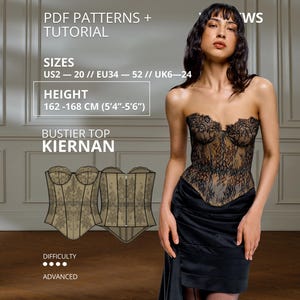
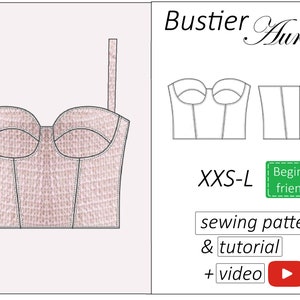
Discover unique sewing patterns for corsets, bustiers, and dresses, perfect for creators and fashion enthusiasts. Explore styles from Victorian to cottagecore, with options for every skill level.

Summarized based on similar shopper trends using AI

Related to bustier pattern

Review spotlight

Common Questions

Answers based on page-topic info using AI

Many bustier sewing patterns work best with stable, structured fashion fabrics like cotton sateen, coutil, brocade, taffeta, duchess satin, or sturdy twill. For lining, many items recommend cotton coutil, cotton lawn, or a firm woven lining to support boning and cups. Some patterns also suit stretch satin or mesh for softer, lingerie-style bustiers.
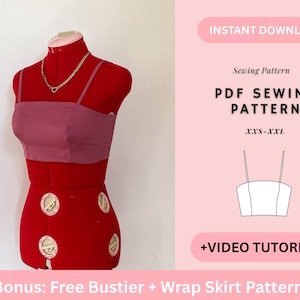
Cup sizing varies by item, but plenty of bustier sewing patterns include multiple cup options such as A–D or A–F, often paired with a separate band or bust measurement chart. You’ll also find patterns drafted by full-bust method (cup + underbust) rather than lettered cups. Check whether the item includes separate cup pieces and fitting notes.
You’ll typically need boning and channels to create the structure a bustier pattern is drafted for, plus underwire if the item includes cups. Many bustier sewing patterns also call for hook-and-eye tape or a zipper, seam tape, and sturdy thread. Expect basic lingerie elastics, straps, and sliders for strap styles, along with lining and optional foam cup pieces.
To pick the right bustier sewing pattern size, you’ll usually measure your full bust, underbust, and natural waist first, since many items size by bust and waist with a separate cup or band chart. For strapless or longline styles, several patterns also ask for high bust, torso length, and underarm-to-waist length to fine-tune fit.
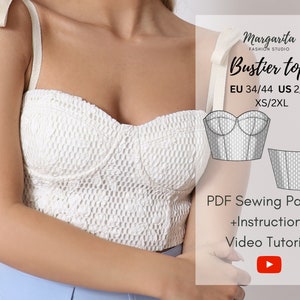
Plenty of bustier sewing patterns are written for confident intermediate sewists, since you’ll often be shaping cups, sewing multiple curved seams, and fitting a structured bodice. Several items are labeled advanced because they add underwire, boning channels, or complex closures. You’ll also find beginner-friendly patterns with simplified, unlined designs and clearer step-by-step instructions.