
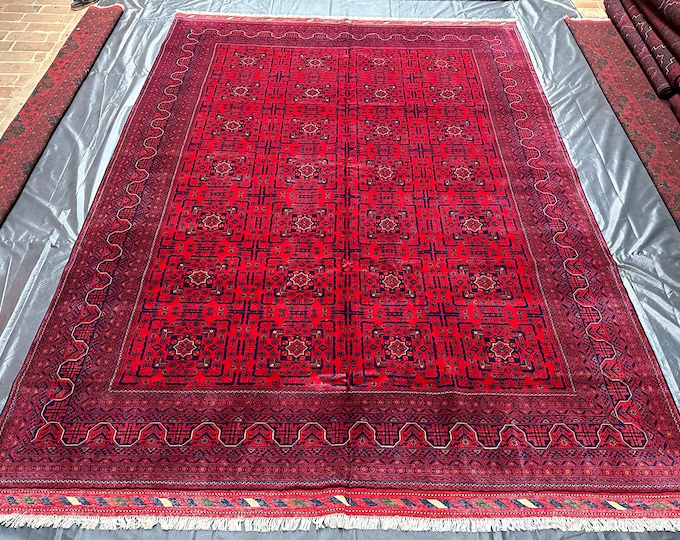
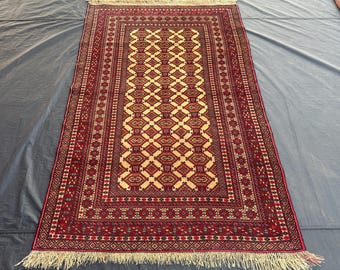
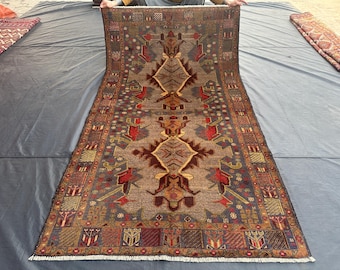
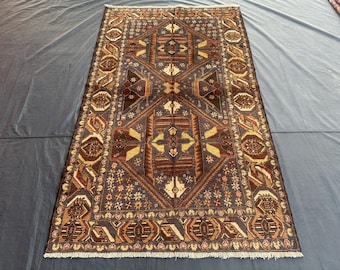
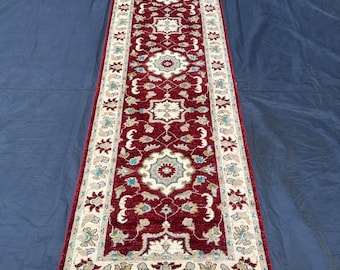
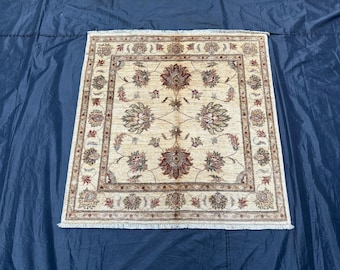
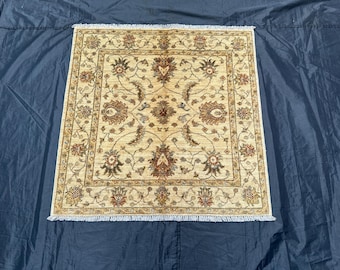
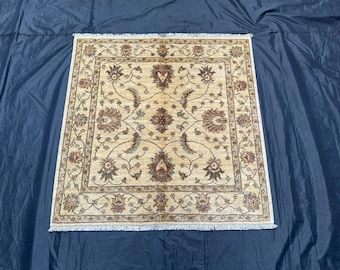
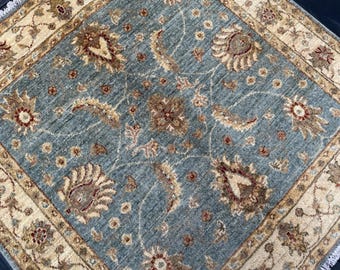
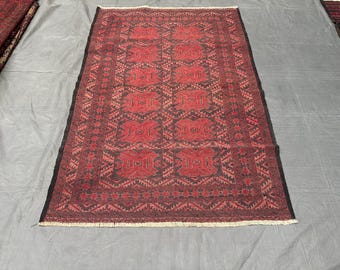
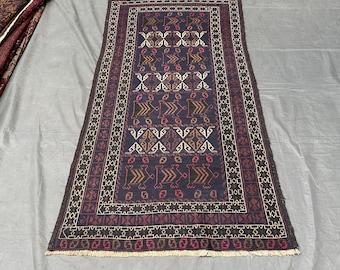
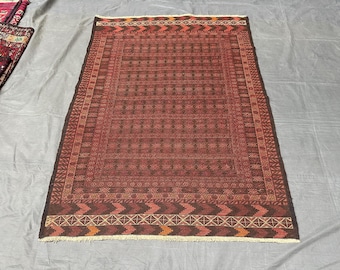
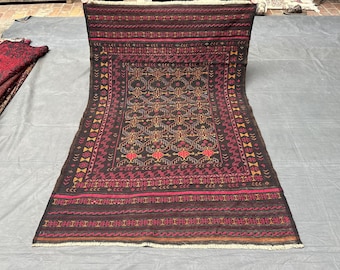
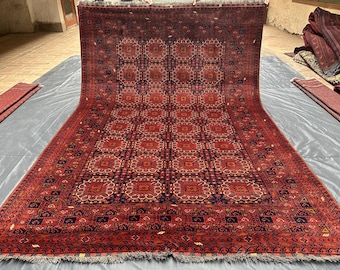
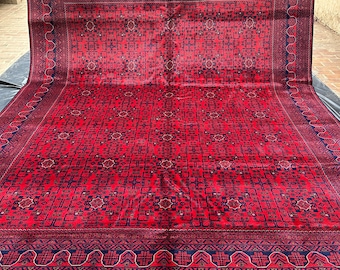
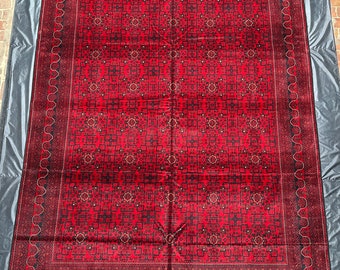
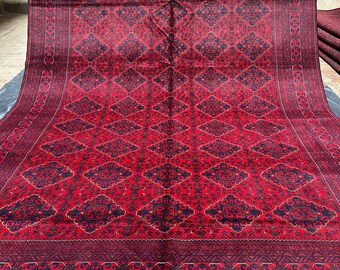
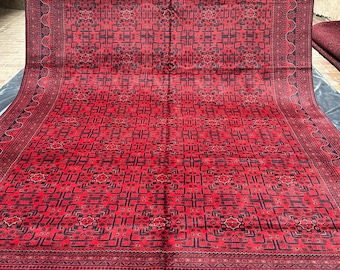
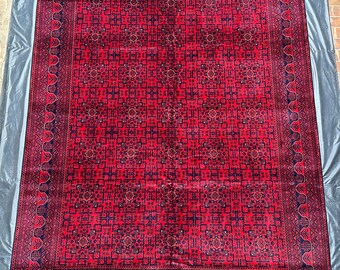
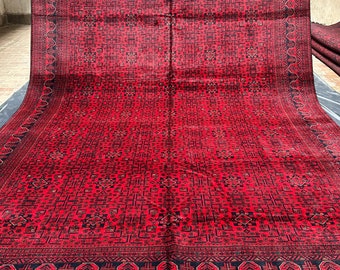
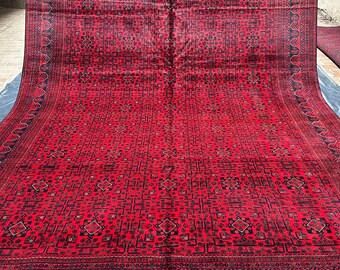
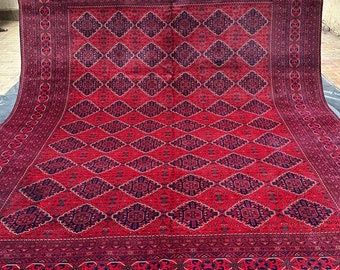
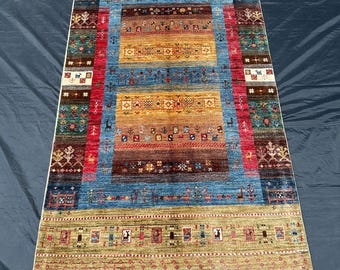
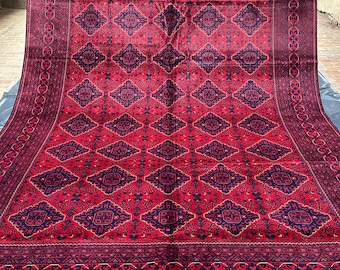
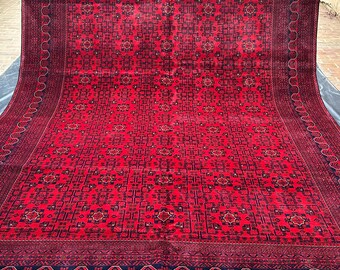
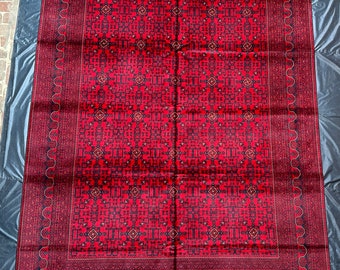
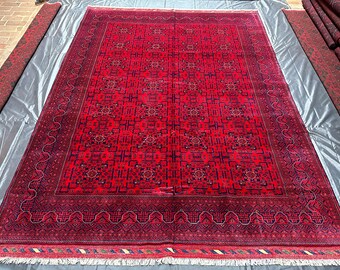
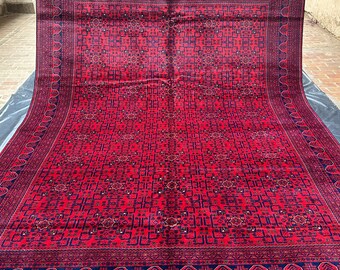
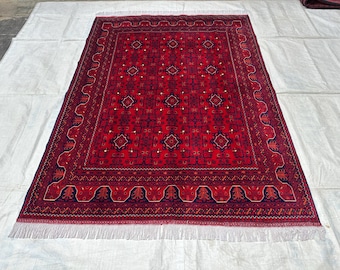
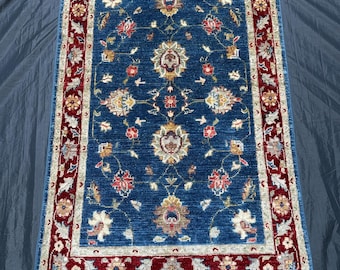
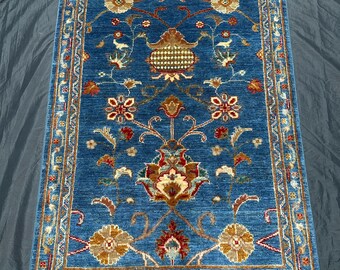
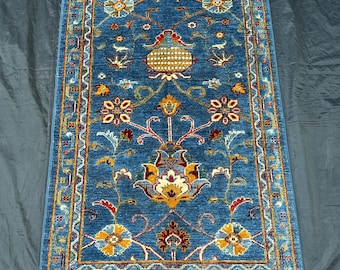
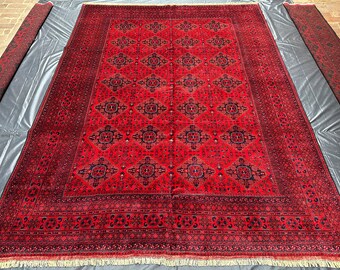
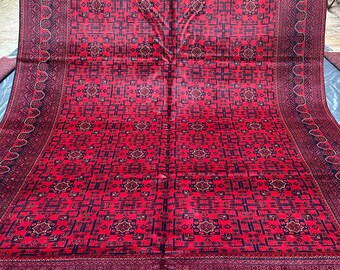
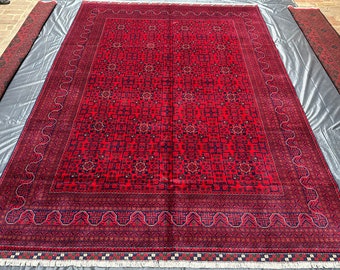
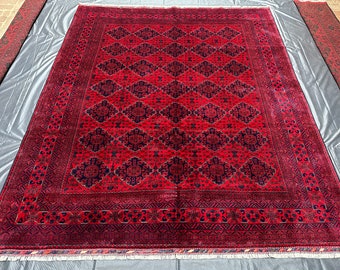
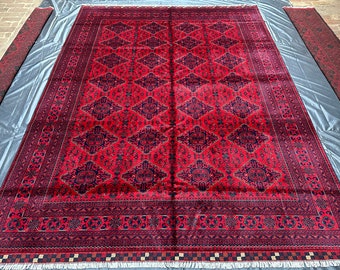
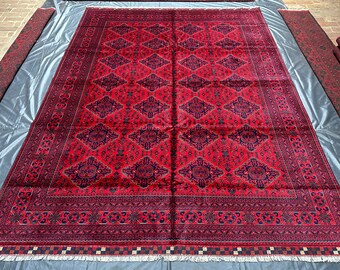
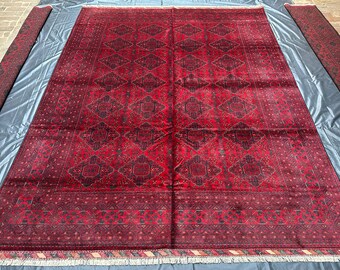
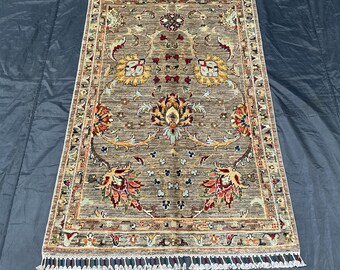
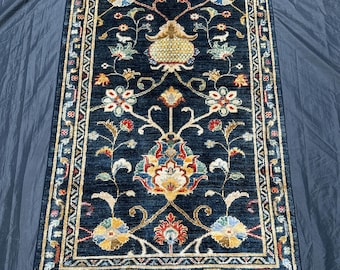
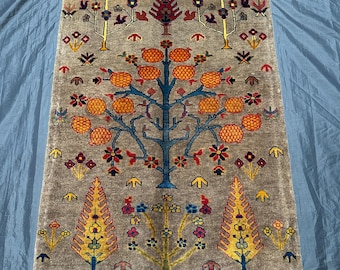
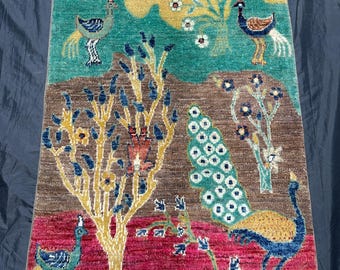


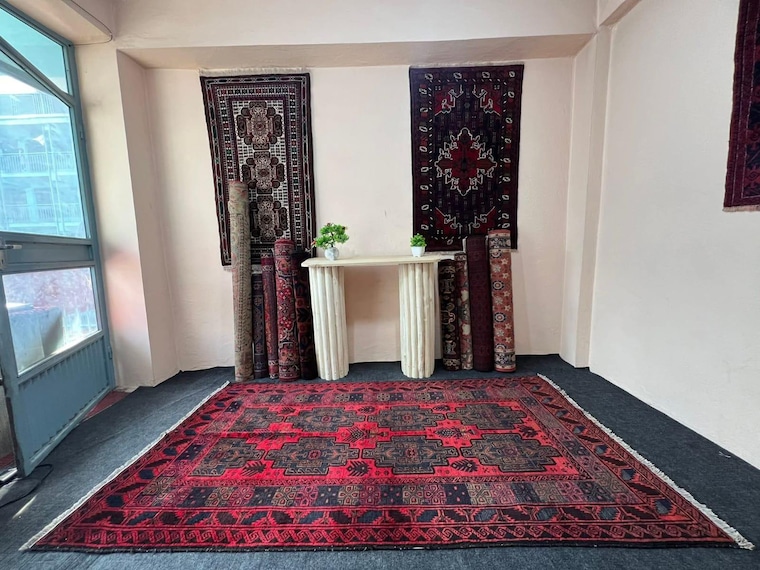
The Story Behind Afghan Handmade Rugs
The Journey of an Afghan Handmade Rug
1. Gathering and Preparing the Materials
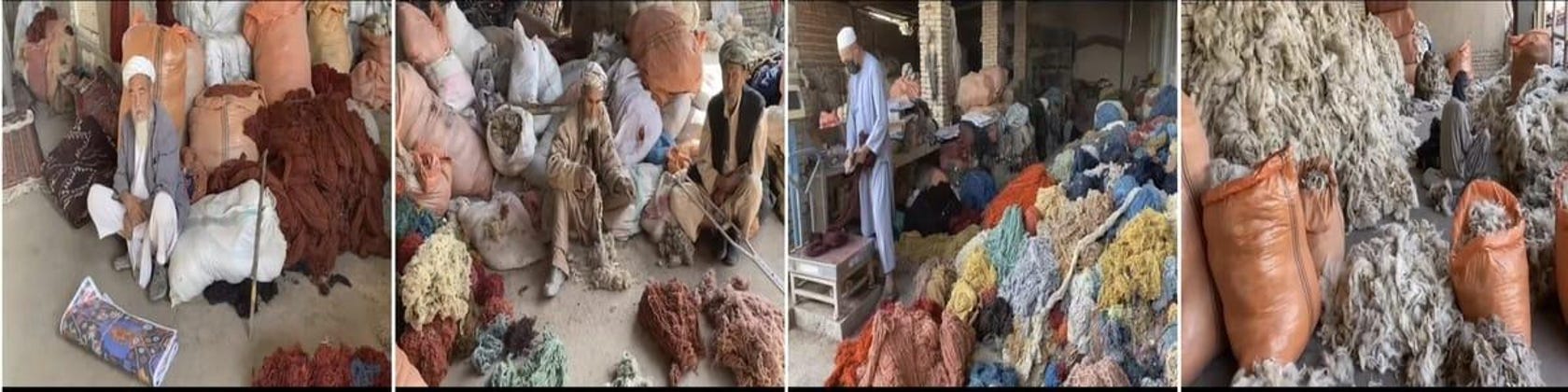
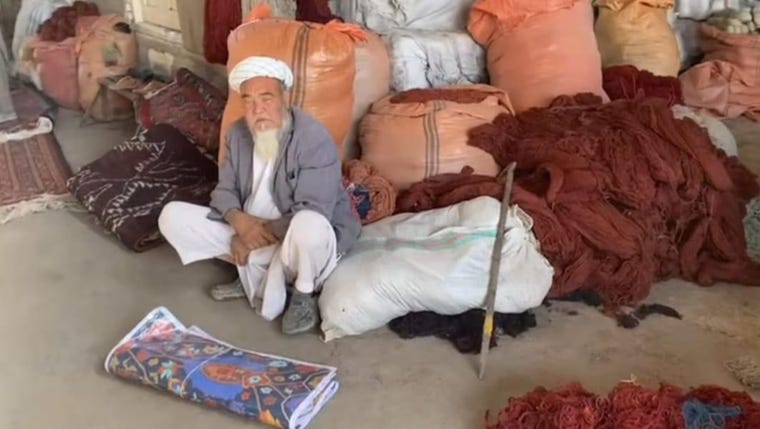
Every authentic Afghan rug begins far from factories, in the rugged northern regions of Afghanistan where generations of artisans have relied on sheep wool as their primary material. Only high-quality wool is selected—valued for its natural strength, warmth, and softness. This wool is carefully sorted by hand to ensure durability and consistency.
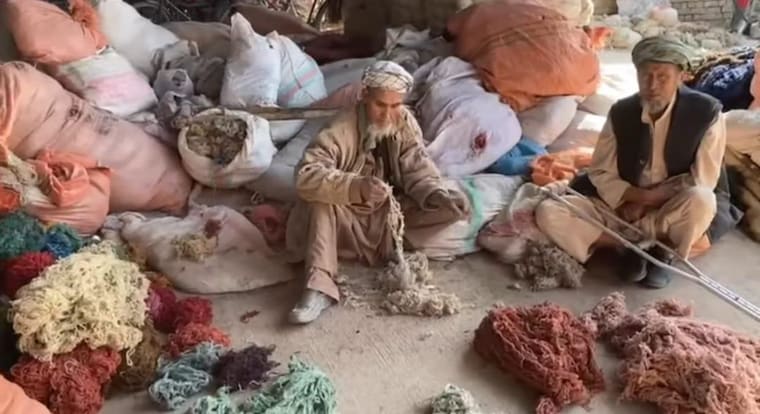
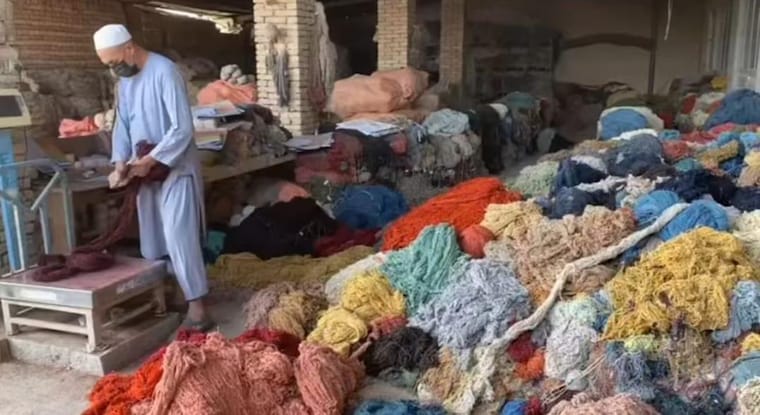
Once selected, the wool undergoes thorough cleaning to remove natural oils and impurities. It is then hand-spun into yarn, a slow and labor-intensive process that requires skill and experience. The yarn is dyed using natural vegetable dyes or carefully prepared chemical dyes, depending on tradition and design. Achieving deep, lasting colors takes patience, precision, and years of knowledge passed down through families.
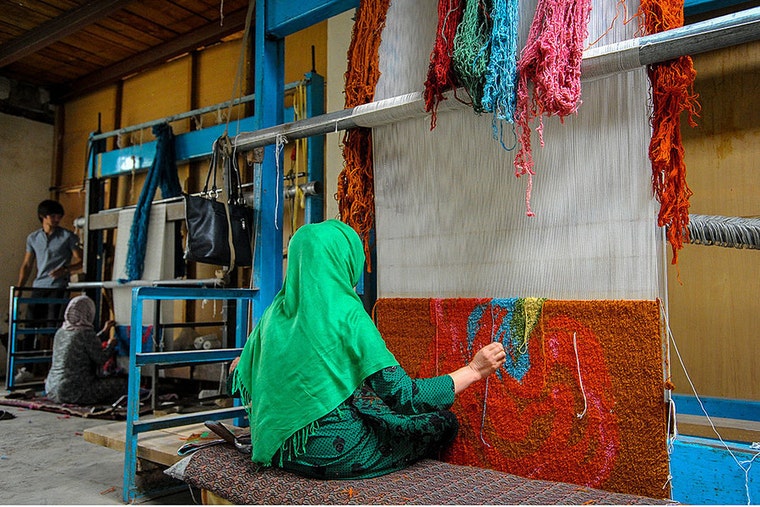
Before weaving begins, the loom is meticulously prepared. Strong warp threads are stretched tightly to form the foundation of the rug. This stage is critical—any mistake here can affect the entire rug. Setting up the loom demands focus, accuracy, and craftsmanship.
2. The Weaving Struggle
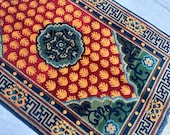
The heart of Afghan rug-making lies in hand-knotting, where each knot is tied individually using time-honored techniques. Many artisans follow complex designs learned through Taalim, a traditional method of teaching patterns and motifs orally or through symbolic guides.
This process is slow and physically demanding. A single rug can contain hundreds of thousands of knots, and completing one piece can take several months to several years, depending on size and complexity. Artisans often work long hours in difficult conditions, yet remain committed to preserving their craft.
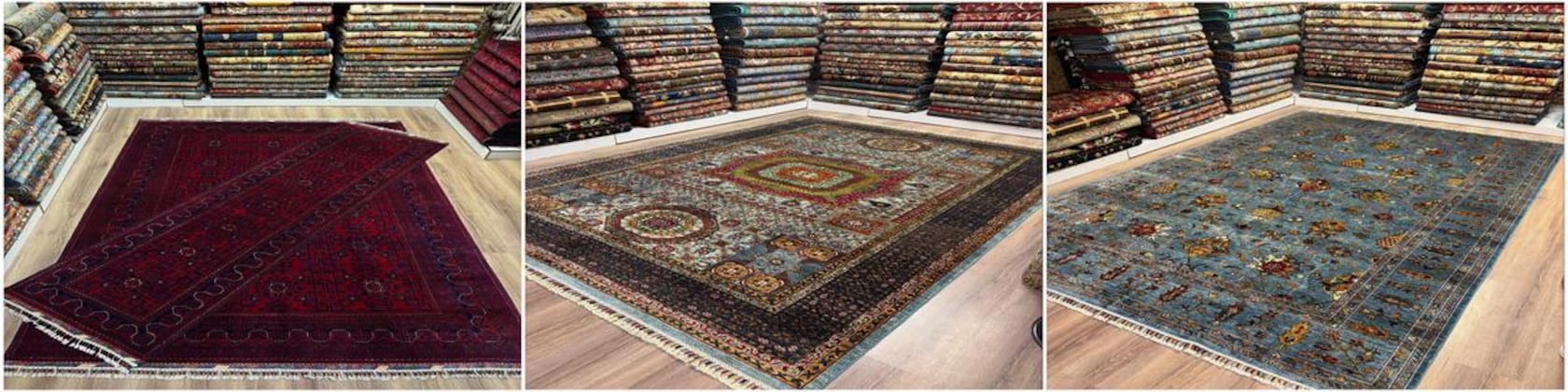
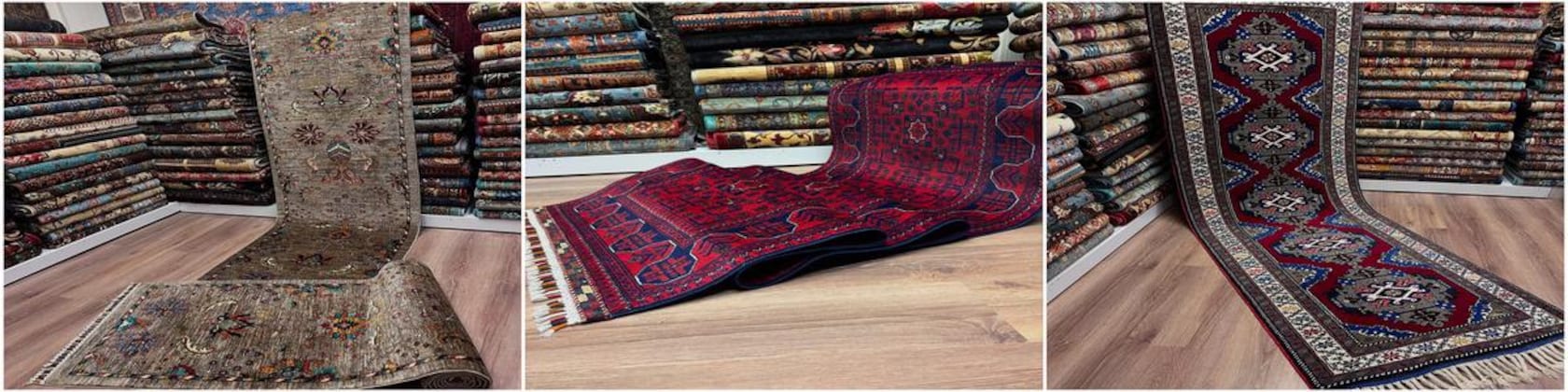
Each knot reflects concentration, discipline, and devotion. No two rugs are ever exactly the same—every piece carries subtle variations that make it truly one of a kind.
3. Finishing with Care
Once weaving is complete, the rug enters the finishing stage, where attention to detail is just as important as during weaving. The surface is carefully trimmed to balance the pile and highlight the design. The rug is then washed multiple times to soften the fibers, set the colors, and enhance its natural texture.
After drying, each rug undergoes strict quality inspection. Despite the hardships faced during production, artisans take pride in delivering rugs that meet high standards of beauty and durability. Only rugs that pass these checks are considered ready for use.
4. Challenges Faced by Afghan Artisans
Afghan rug makers work under extraordinary challenges. Decades of conflict, displacement, and economic instability have forced many families to rely on rug-making as a means of survival. Access to stable workspaces, tools, and fair markets is often limited.
Adding to these difficulties are ethical and fair-trade issues. Many authentic Afghan rugs are mislabeled and sold as “Made in Pakistan,” denying artisans rightful recognition and fair value for their work. This misrepresentation makes it harder for Afghan craftsmen to sustain their livelihoods and preserve their cultural identity.
5. Resilience Through Craft
Despite these struggles, Afghan rug-making endures as a powerful symbol of resilience, heritage, and hope. For countless families, this craft is not just a profession—it is a legacy passed down through generations.
Every Afghan rug tells a story. A story of perseverance, artistry, and cultural pride. When you purchase an Afghan handmade rug, you are not simply buying a decorative piece—you are supporting artisans, preserving an ancient tradition, and becoming part of a history woven knot by knot into every rug.
